You’ve been hiking all day. The sun is dropping behind the treeline, your legs are toast, and someone in your group just said the five words no camper wants to hear: “So what’s for dinner?” If your answer is the same pack of hot dogs you’ve been grilling every trip since 2019, it’s time for an upgrade.
Camping dinner doesn’t have to mean boring, burned, or barely edible. Right now, campers everywhere are cooking meals that would hold up at a dinner table back home: cast iron pasta with burrata, loaded foil-pack potatoes, campfire pizza, and skillet stir-fries that come together in 15 minutes. The best part? Most of these meals need five ingredients or fewer, cost under $10 for a family of four, and leave you with almost nothing to clean up.
This guide rounds up the best camping dinner ideas that are actually trending right now, plus the prep-ahead tricks, budget hacks, and gear tips that make campsite cooking feel less like a chore and more like the highlight of the trip.
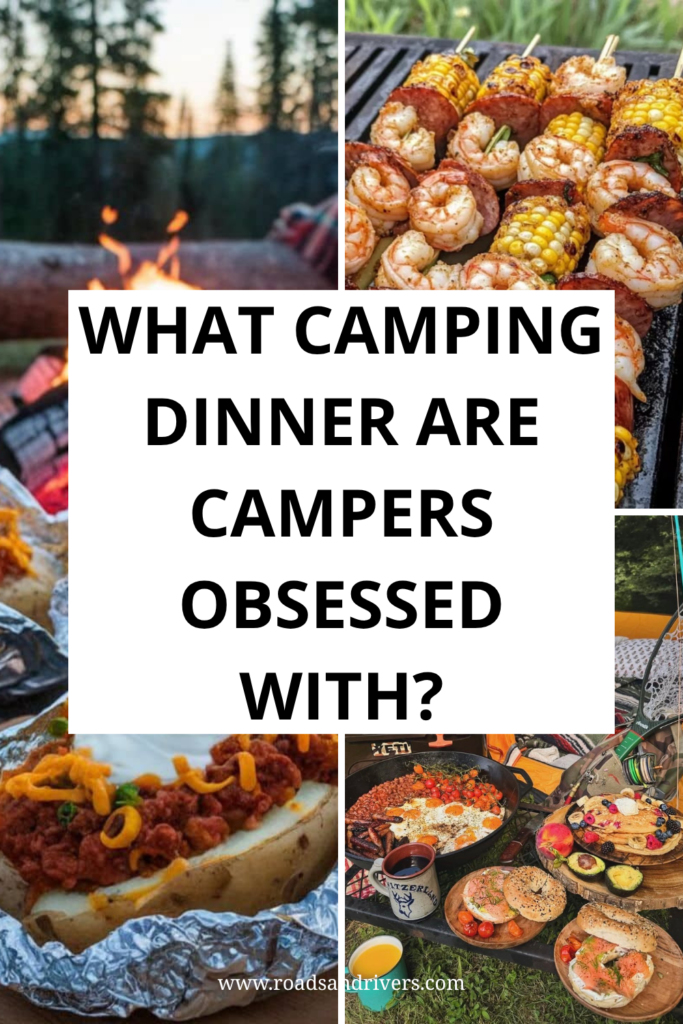
Table of Contents
- Why the Same Old Camping Dinner Isn’t Cutting It Anymore
- The Best Camping Dinner Ideas Worth Making This Season
- 5-Ingredient Camping Dinners With Zero Cleanup
- The Camping Dinner Trick Nobody Talks About
- How to Feed Four at Camp for Under $10
- Campsite Cooking Gear That Actually Matters
- How to Keep Your Camping Dinner Safe
- Key Takeaways
- FAQ
Quick-Reference Info Box Avg. cook time: 15-30 minutes Budget: $5-15 per meal (feeds 4) Must-have gear: Cast iron skillet, heavy-duty foil, tongs, cooler with block ice Golden rule: Prep at home, cook at camp, clean up in minutes
Why the Same Old Camping Dinner Isn’t Cutting It Anymore
Here’s the truth: hot dogs and canned beans are fine. Nobody is going to judge you for keeping it simple on night one. But by night two or three of the same rotation, everyone at the picnic table starts giving the cooler side-eye, and somebody ends up suggesting a $40 restaurant detour that blows the whole trip budget.
The camping food scene has completely shifted. Social media is full of campers cooking restaurant-quality meals over open flames, and the recipes are shockingly simple. Foil packs, cast iron skillets, and one-pot Dutch oven meals have made it possible to eat better at camp than most people eat at home on a weeknight.
The reason is straightforward: these methods are forgiving. A cast iron skillet over a campfire doesn’t need precise temperature control. A foil pack seals in moisture and flavor no matter how uneven your fire is. And a Dutch oven turns cheap cuts of meat into tender, flavorful stews with zero babysitting.
Pro tip: The shift isn’t about fancy ingredients. It’s about smarter prep. The best camping dinners are 80% done before you leave your kitchen.
The Best Camping Dinner Ideas Worth Making This Season
These are the camping dinner ideas showing up at campsites everywhere right now, and for good reason. They’re simple, satisfying, and way more interesting than the same old burgers.
Foil-Pack Dinners (The Crowd Favorite)
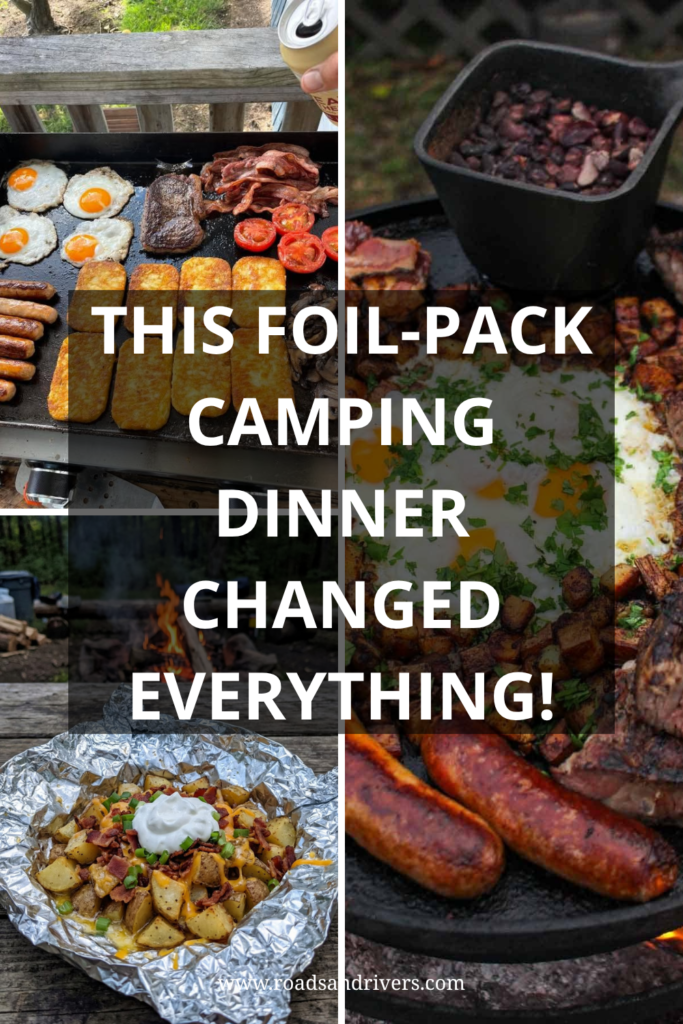
If there’s one camping dinner method that’s taken over, it’s foil packs. The concept is dead simple: layer protein, vegetables, and seasoning on a sheet of heavy-duty foil, fold it into a sealed packet, and toss it on the coals or grill grate. Fifteen to twenty minutes later, you have a hot, fully cooked meal with zero dishes.
The combinations are endless. Sausage with potatoes, peppers, and onions. Shrimp with corn and Old Bay seasoning. Chicken with sweet potatoes and garlic butter. Or go loaded baked potato: wrap a whole potato in foil, cook it in the coals, then split it open and top with chili, cheese, bacon, and sour cream.
Camping food experts at The Adventure Bite highlight foil packs as the go-to method for easy campfire meals because they require almost no cookware and the cleanup is literally crumpling up foil and tossing it.
Pro tip: Double-wrap your foil packs. A single layer tears easily on hot grates, and one leak means your dinner drips into the fire.
Cast Iron Skillet Meals
A cast iron skillet is the single most useful piece of camping gear that isn’t a tent. It goes from campfire to camp stove to grill grate, handles everything from breakfast eggs to seared steaks, and gets better with every use.
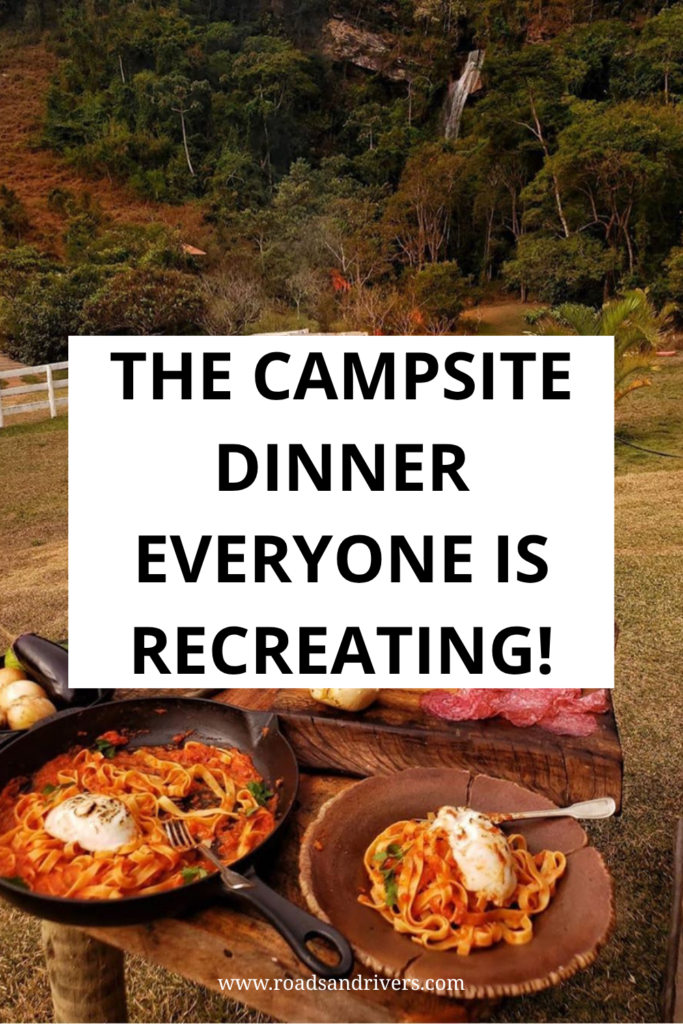
Trending cast iron camping dinners right now include campfire fajitas (sliced peppers, onions, and seasoned chicken), smash burgers with melted cheese, and one-skillet pasta. Yes, you can cook pasta in a cast iron skillet at camp. Boil the noodles, drain, add jarred marinara and mozzarella, and let the cheese get bubbly over the fire. It’s faster than waiting for a delivery at home.
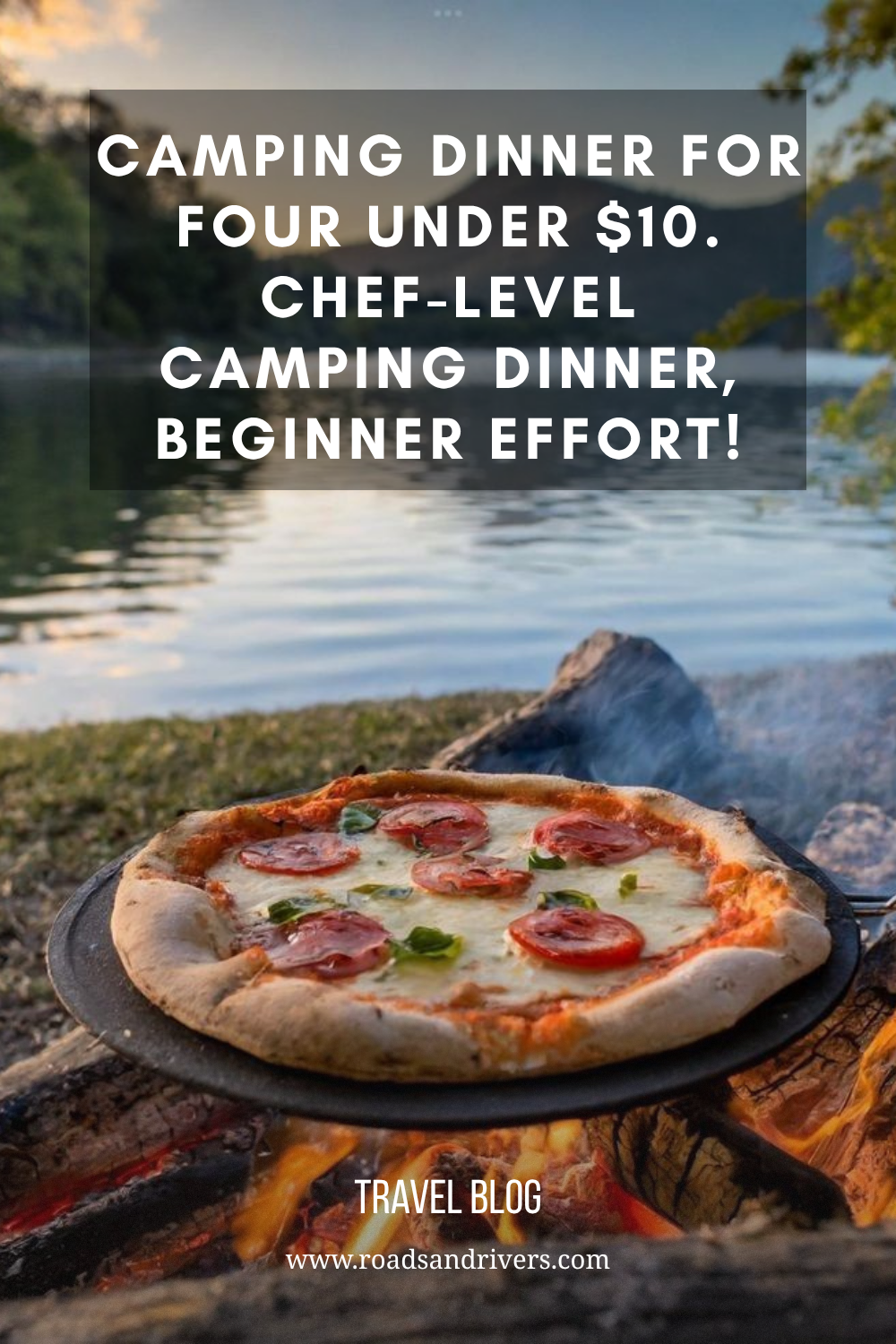
Cast iron camping specialists at StressLess Camping recommend cast iron for campfire pizza too. Pre-made pizza dough, a handful of toppings, and about 10 minutes over medium heat. The crust gets crispy on the bottom and the cheese melts perfectly.
Campfire Grill Classics (Upgraded)
Grilling over a campfire will never go out of style. But the trend right now is taking the basics and pushing them a notch higher. Instead of plain burgers, campers are doing smoked pulled pork sliders on brioche buns. Instead of basic brats, it’s grilled sausage with peppers served on crusty bread with mustard.
Kebabs are having a moment too. Shrimp and sausage skewers with corn chunks, chicken and pineapple skewers with teriyaki glaze, or steak bites with mushrooms and peppers. Pre-assemble the skewers at home, wrap them in plastic, and they go straight from the cooler to the grill.
Pro tip: Soak wooden skewers in water for 30 minutes before grilling to keep them from catching fire. Or just use metal skewers and skip the worry entirely.
One-Pot Stews and Dutch Oven Meals
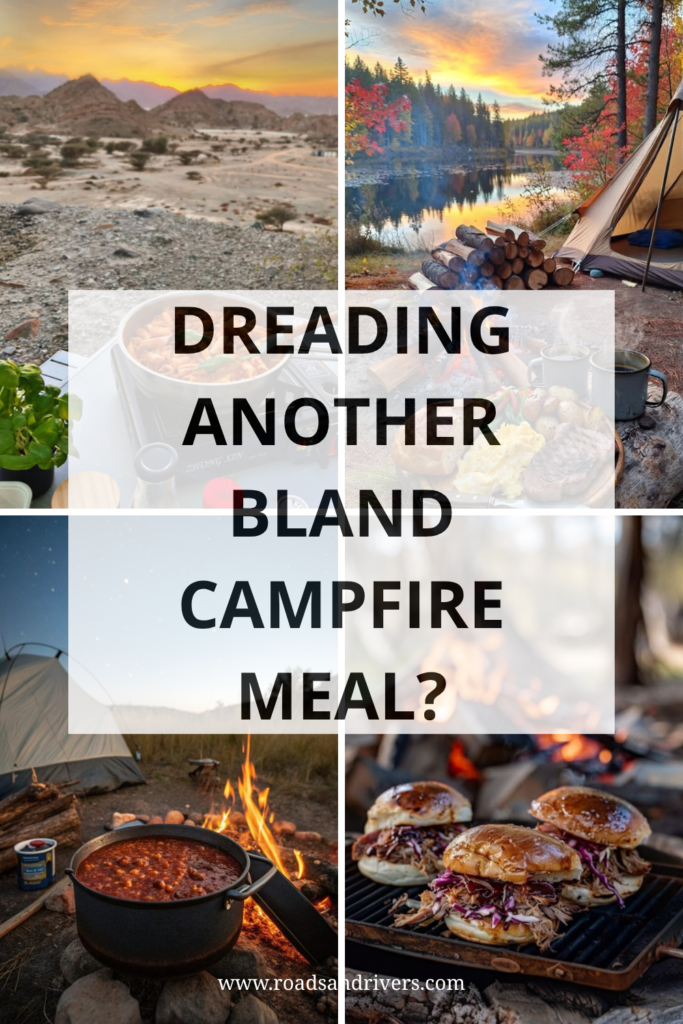
For group camping trips or chilly nights, nothing beats a Dutch oven meal. Chili is the classic: brown ground beef, dump in canned beans, diced tomatoes, and seasoning, and let it simmer over low coals for 30 minutes. Feed six to eight people for under $12.
But campers are getting creative beyond chili. Dutch oven chicken stew with potatoes and carrots. White bean and sausage soup. Even campfire jambalaya with rice, andouille sausage, and shrimp. One-pot camping meal recipes from Camping For Foodies are built specifically for outdoor cooking with minimal ingredients and one-vessel cleanup.
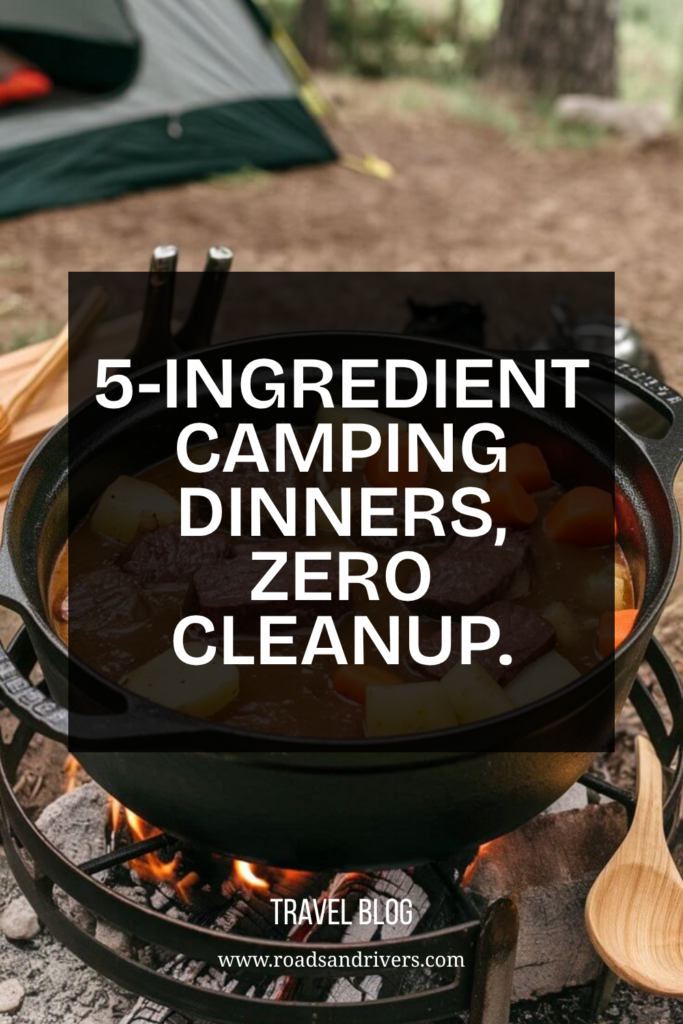
5-Ingredient Camping Dinners With Zero Cleanup
Some nights at camp, you want the full cooking experience. Other nights, you just want to eat and collapse into your sleeping bag. These five-ingredient camping dinners have your back.
1. Loaded Campfire Quesadillas: Tortillas, shredded cheese, canned black beans, jarred salsa, and sour cream. Cook in a skillet or on a grill grate for two minutes per side. Slice into triangles and eat with your hands.
2. Sausage and Pepper Foil Packs: Pre-sliced smoked sausage, bell pepper strips, olive oil, Italian seasoning, and a squeeze of lemon. Wrap in foil, cook 15 minutes on coals.
3. Campfire Grilled Cheese with Tomato Soup: Good bread, good cheese, butter, and a can of tomato soup heated in a pot. Simple, warm, and zero-effort on a cold night.
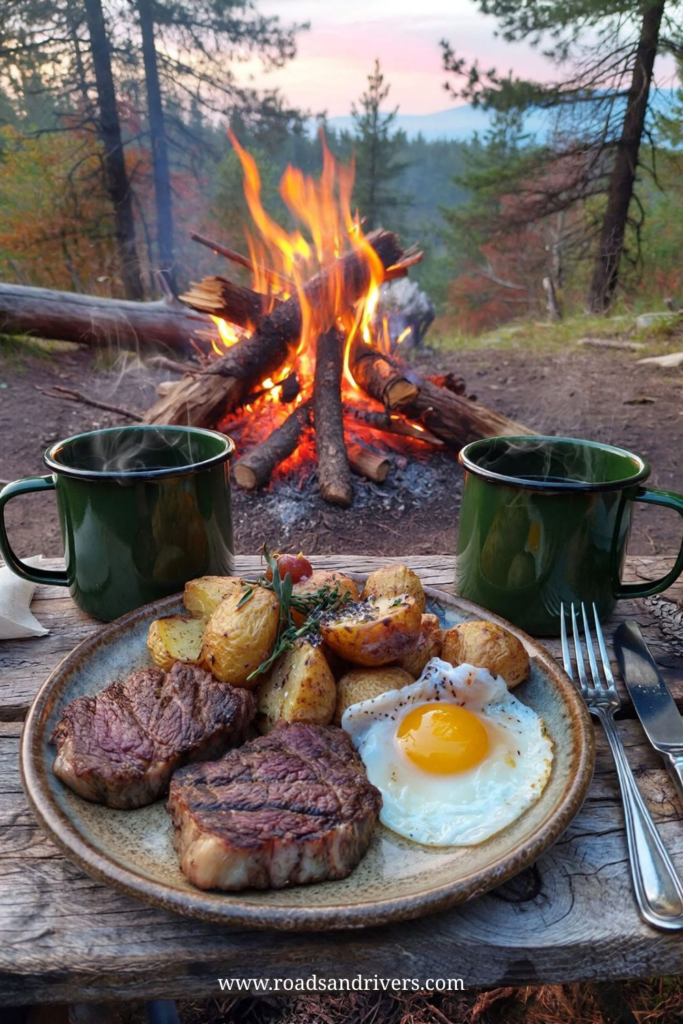
4. Steak and Eggs: A good cut of steak, eggs, salt, pepper, and butter. Cook the steak in cast iron, rest it, then fry the eggs in the same pan. Feels like a special occasion with five minutes of work.
5. One-Pot Pasta: Pasta, jarred sauce, water, parmesan, and fresh basil (optional). Everything cooks in one pot. Family-focused camping blogs like Don’t Waste the Crumbs call one-pot pasta one of the most reliable camping dinners because none of the ingredients need refrigeration.
Pro tip: Pre-measure spices and seasonings into small zip-top bags at home. Label each bag with the meal name. It saves space, prevents over-packing, and eliminates the “did I bring the cumin?” moment.
The Camping Dinner Trick Nobody Talks About
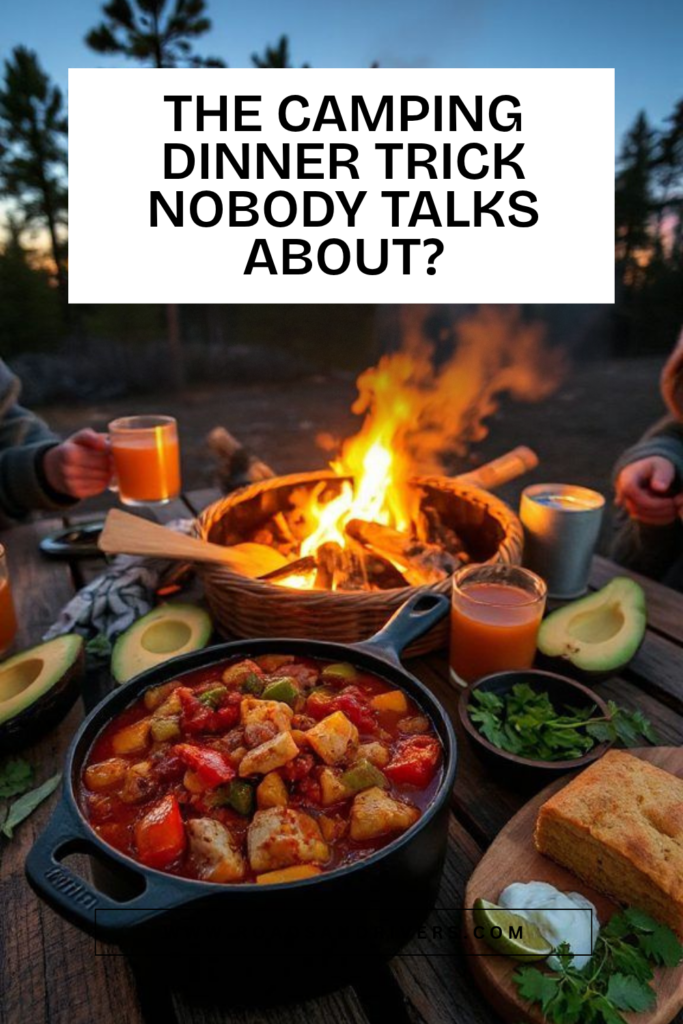
The real secret to great camping dinners isn’t a fancy recipe or expensive gear. It’s prep-ahead freezer meals.
The concept is simple: cook or assemble full meals at home, freeze them flat in zip-top bags, and stack them in your cooler. They act as ice packs on the drive, slowly thaw over the first day or two, and when you’re ready to cook, all you do is dump the bag into a skillet or pot and heat it through.
Chili, stew, pulled pork, curry, marinated chicken, pre-built foil pack ingredients, taco meat: all of it freezes flat and reheats in minutes. Experienced campers at Camping For Foodies use this “dump and cook” method for almost every camping trip because it cuts campsite cooking time in half and keeps the cooler cold longer.
Here’s how to plan your freeze-ahead camping dinners:
Night 1: Fresh meal (cook tonight, ingredients don’t need to be frozen). Steaks, burgers, or fresh kebabs.
Night 2: Partially thawed freezer meal. Marinated chicken thighs or pre-made foil packs that have thawed in the cooler.
Night 3: Fully thawed dump-and-cook meal. Chili, soup, or pulled pork that just needs reheating.
This system means your food stays colder, your cooler ice lasts longer, and your hardest cooking night is the first one, when you still have energy.
Pro tip: Freeze meals in flat, labeled gallon zip-top bags. They stack like books in the cooler, take up less space than containers, and thaw evenly.
How to Feed Four at Camp for Under $10
Eating well at camp doesn’t mean draining your wallet. Some of the best camping dinners are also the cheapest, especially when you buy smart and plan ahead.
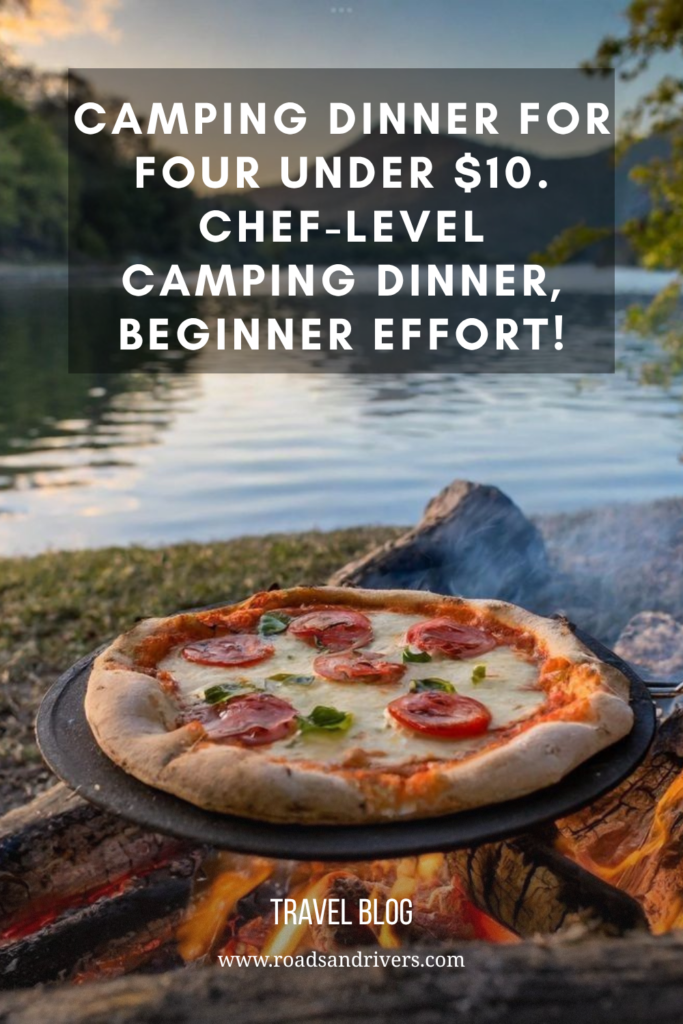
Here’s a real-world budget breakdown for a campfire dinner for four:
| Item | Approx. Cost |
|---|---|
| 1 lb pasta | $1.25 |
| Jar of marinara sauce | $2.50 |
| Block of mozzarella | $3.00 |
| Loaf of garlic bread | $2.50 |
| Total | ~$9.25 |
That’s a full campfire pasta dinner with garlic bread for a family of four, and it tastes better than most weeknight dinners at home.
Other budget camping dinner winners include campfire quesadillas (under $6 for four people), foil-pack sausage and potatoes (under $8), chili with cornbread (under $10 feeding six to eight), and campfire pizza on pre-made dough (under $8).
Budget camping experts at The Crazy Outdoor Mama recommend buying in bulk before your trip, portioning at home, and bringing a small pantry box with olive oil, salt, pepper, garlic powder, and Italian seasoning. Those five staples stretch almost any cheap ingredient into a proper meal.
Is It Cheaper to Cook at Camp or Eat Out?
Almost always cheaper to cook, and it’s not even close. A casual restaurant dinner for a family of four runs $40 to $60 easily. Even fast food hits $25 to $35. A well-planned camping dinner costs $5 to $15 and feeds everyone until they’re stuffed. Over a three-night trip, that difference adds up fast.
Campsite Cooking Gear That Actually Matters
You don’t need a trunk full of specialized gear to cook great camping dinners. You need a few things that work hard and pack small.
Cast iron skillet (10 or 12 inch). This is the workhorse. Sears, sautés, bakes, and goes from fire to table. Field Company’s camping guide points out that lighter cast iron options are now available that cut the weight without sacrificing heat retention.
Heavy-duty aluminum foil. The backbone of foil-pack cooking. Buy the wide, heavy-duty rolls. Standard foil tears too easily over hot coals.
A decent cooler. This is where people cheap out and regret it. A quality hard-sided cooler with 2+ inches of insulation keeps food safe for three to five days when properly packed with block ice. Food storage experts at rJourney recommend a 2:1 ice-to-food ratio and using separate coolers for drinks and food.
Long-handled tongs and a spatula. Keep your hands away from the fire. Metal, not plastic.
A headlamp. Seriously. You’ll be cooking after dark more often than you think, and a headlamp frees up both hands.
Pro tip: Skip the camp-specific gadgets. A good knife, cutting board, skillet, and set of tongs handles 95% of campfire cooking. Everything else is optional.
How to Keep Your Camping Dinner Safe
Nobody wants to spend a camping trip dealing with food poisoning. A few simple habits keep your food safe from the cooler to the plate.
Keep your cooler below 40°F at all times. The USDA’s camping food safety guidelines emphasize that the danger zone for bacterial growth is between 40°F and 140°F, and food left in that range for more than two hours should be discarded.
Pack raw meat in sealed zip-top bags, separate from ready-to-eat items. Double-bagging prevents leaks. Use a separate cooler or a dedicated section at the bottom of your main cooler for raw proteins.
Pre-chill your cooler with ice for 12 to 24 hours before loading it. Use block ice (it melts slower than cubes) and avoid draining melt water unless you’re replacing it with fresh ice, since the cold water helps maintain temperature.
Cooler organization experts at Camping For Foodies suggest packing your cooler in reverse meal order: the last meal goes in first (bottom), and tonight’s dinner goes on top. That way you’re not digging through three days of food every time you open the lid.
Pro tip: Bring a cheap instant-read thermometer. It takes the guesswork out of knowing when meat is safe to eat and when your cooler temperature is dropping too low.
Key Takeaways
- The best camping dinner ideas right now are foil packs, cast iron skillet meals, upgraded grill classics, and one-pot Dutch oven stews.
- 5-ingredient dinners like loaded quesadillas, steak and eggs, and one-pot pasta deliver big flavor with almost no cleanup.
- Prep-ahead freezer meals are the biggest time-saver. Cook at home, freeze flat, and just reheat at camp.
- You can feed a family of four a proper campfire dinner for under $10 with smart planning.
- A cast iron skillet, heavy-duty foil, and a well-packed cooler handle 95% of campsite cooking needs.
The best camping dinners aren’t about complicated recipes or expensive ingredients. They’re about smart prep, simple techniques, and meals that taste amazing eaten outside under the stars. Pick two or three ideas from this list for your next trip, do the prep at home, and spend your time at camp doing what you came for: relaxing, exploring, and eating way too well for someone sleeping in a tent.
Got a go-to camping dinner that always gets requests for seconds? Drop it in the comments. The best recipes always come from fellow campers.
FAQ
What is the easiest camping dinner to make?
Foil-pack dinners are the easiest option. Place protein and vegetables on heavy-duty foil, add seasoning and a drizzle of oil, seal the packet, and cook over coals or a grill grate for 15 to 20 minutes. No cookware needed, and cleanup is just tossing the foil.
Can you cook pasta while camping?
Yes, and it’s simpler than you’d think. Boil pasta in a single pot over a camp stove or fire, drain, and add jarred sauce and cheese. One-pot methods where you cook the pasta directly in the sauce (with extra water) cut down on dishes even further.
What camping dinners can be prepared ahead of time?
Chili, pulled pork, marinated meats, stew, curry, and taco filling all freeze and reheat well at camp. Pre-assemble foil pack ingredients in zip-top bags and build the packets on-site. Pre-cut vegetables and pre-mix seasonings at home to save time.
How do you keep meat safe while camping?
Store raw meat in double-sealed zip-top bags at the bottom of a pre-chilled cooler. Keep the cooler below 40°F using block ice and a 2:1 ice-to-food ratio. Use a separate cooler for drinks to avoid opening the food cooler too often. Cook meat to safe internal temperatures using an instant-read thermometer.
What is the best budget camping dinner for a family?
One-pot pasta with jarred sauce feeds a family of four for under $10. Other strong budget options include campfire quesadillas (under $6), foil-pack sausage and potatoes (under $8), and chili with cornbread (under $10 feeding six to eight people).