
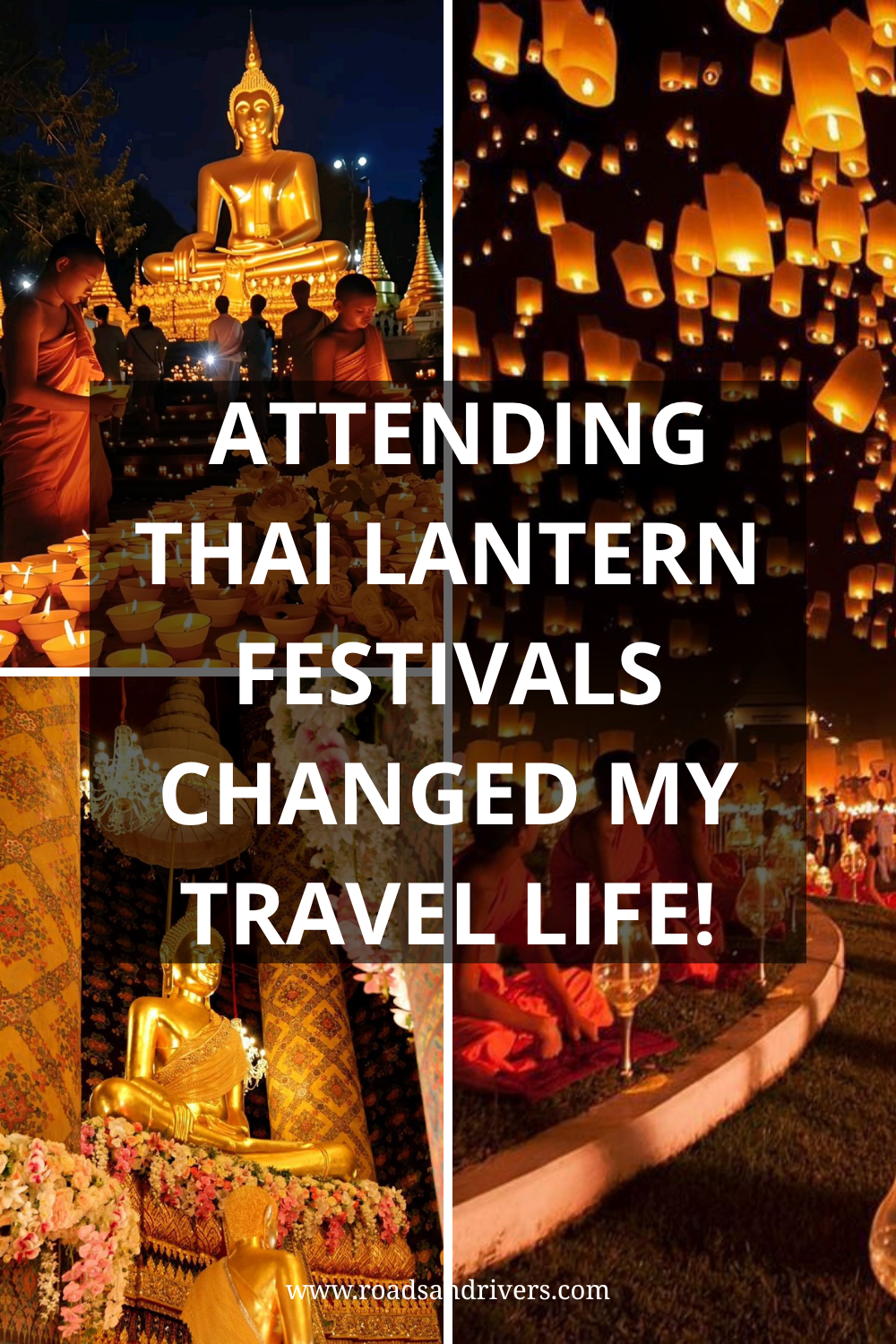
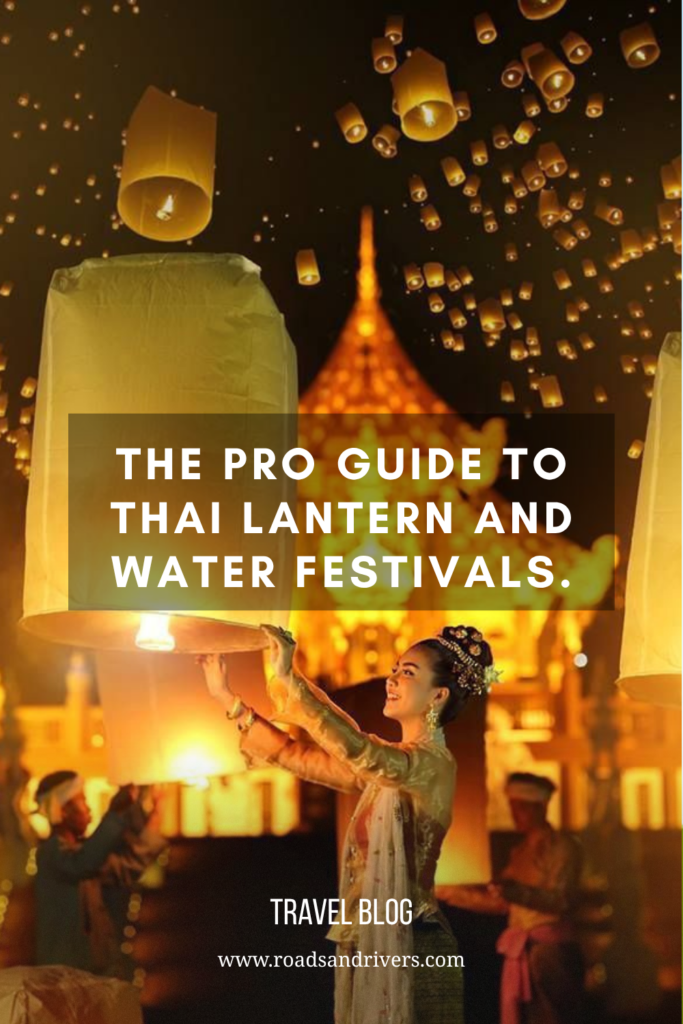
The first lantern lifted off the ground about ten feet from where I was standing. It wobbled, caught a breath of wind, steadied, and then rose. Then another went up. Then fifty. Then a thousand. Within minutes, the entire sky above Chiang Mai was filled with warm, glowing lights drifting upward like slow-motion stars being born. Behind me, the Ping River was covered in floating krathongs, tiny banana-leaf boats with candles and flowers flickering on the water. The crowd was silent. Not phone-checking silent. Actually, collectively awestruck silent.
That was my first Thai lantern and water festival. And it permanently changed what I thought a “bucket list experience” could feel like.
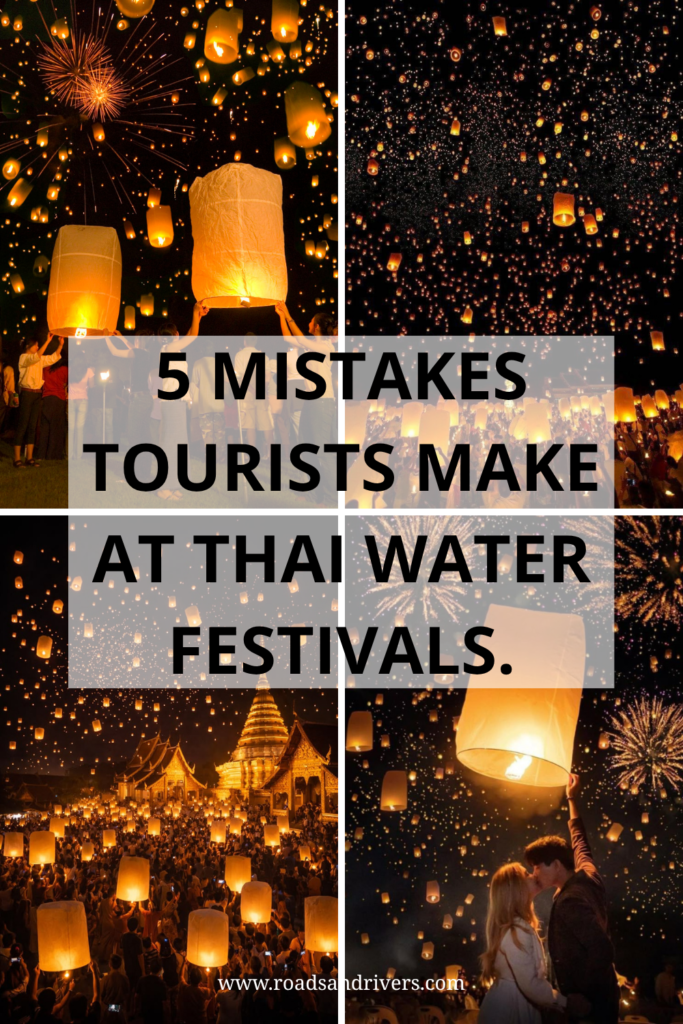
Every November, Thailand hosts two of the most visually spectacular festivals on the planet: Yi Peng (the sky lantern festival) and Loy Krathong (the water lantern festival). They happen at the same time, in the same place, and together they create a night that looks like the entire world is on fire in the most beautiful way possible. If you’ve seen those viral photos of thousands of glowing lanterns filling a dark sky, this is where they come from.
But here’s what the photos don’t show you: the confusing ticketing system, the misinformation online, the dress codes, the crowds, and the dozen small decisions that separate a magical experience from a frustrating one. This post covers all of it.
Table of Contents
- When Is the Best Time for Thai Lantern Festivals?
- Yi Peng vs. Loy Krathong: What’s the Difference?
- What Nobody Tells You About Thai Water Festivals
- Your Complete Thai Lantern and Water Festivals Plan
- 5 Mistakes Tourists Make at Thai Lantern Festivals
- Overwhelmed Planning for Thai Lantern Festivals? Start Here.
- Why Thai Lantern Festivals Are 2026’s Must-See Event
- How Attending Thai Lantern Festivals Changed My Travel Life
- Key Takeaways
- FAQ
When Is the Best Time for Thai Lantern Festivals?
Both Yi Peng and Loy Krathong follow the Thai lunar calendar, which means exact dates shift every year. They always fall on the full moon of the 12th lunar month, which typically lands in November. For 2026, Loy Krathong falls on November 25, and Yi Peng celebrations in Chiang Mai run November 24-25. In 2027, expect the festivals around November 13-14.
The timing is perfect for travel. November marks the end of Thailand’s rainy season and the beginning of the dry, cool season. Temperatures in Chiang Mai sit around 15-20°C at night (you’ll want a light jacket for the evening events), the humidity drops, and the skies are usually clear. It’s the best weather Thailand offers all year.
Pro tip: The official festival events in Chiang Mai span 3-5 days, but the main lantern release nights are concentrated into 1-2 evenings. Build your trip around those specific dates and give yourself at least one extra day on each side for exploring Chiang Mai’s temples, markets, and food scene.
Yi Peng vs. Loy Krathong: What’s the Difference?
This is the number one source of confusion for first-time visitors, so let’s clear it up.
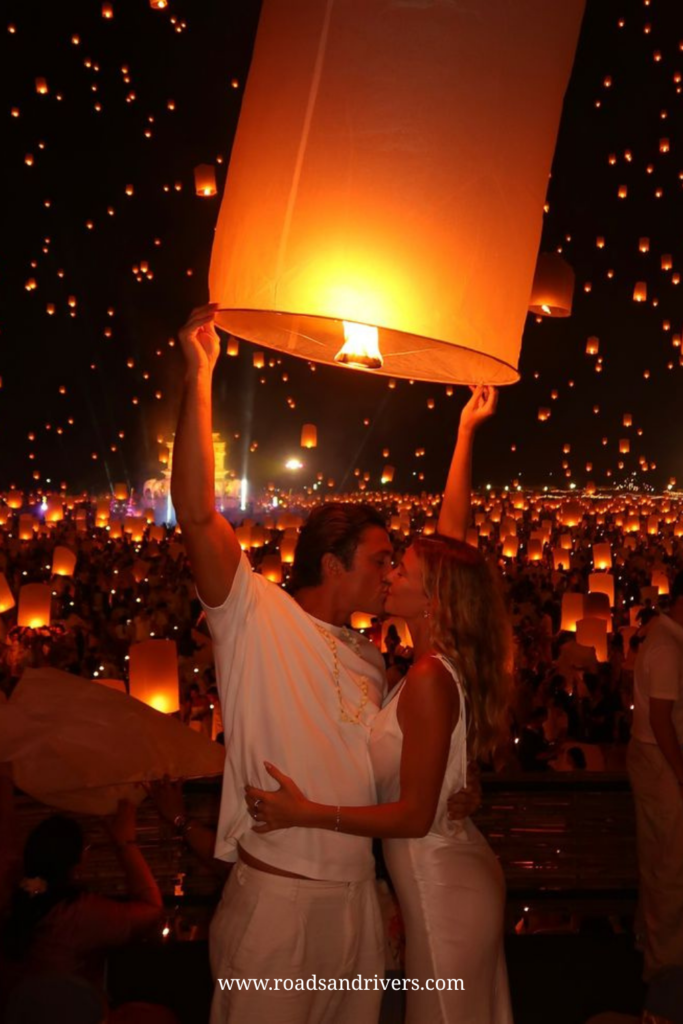
Yi Peng is the sky lantern festival. It’s a Lanna tradition unique to northern Thailand, centered in Chiang Mai. Participants release khom loi (sky lanterns made of rice paper and a small fuel cell) into the air. The lantern rises, carrying your bad luck and misfortune with it while sending wishes and merit upward. This is the one you’ve seen in those iconic photographs of thousands of lights filling the night sky.
Loy Krathong is the water lantern festival. It’s celebrated across all of Thailand, not just the north. Participants float a krathong (a small basket made from banana leaves, flowers, candles, and incense) on a river, lake, or canal. It’s an offering to the water goddess, Phra Mae Khongkha, expressing gratitude for water and releasing negativity.
In Chiang Mai, both festivals happen simultaneously. You release lanterns into the sky and float krathongs on the water on the same night. This double celebration is what makes Chiang Mai the single best place in Thailand to experience both festivals at once.
Pro tip: You can experience Loy Krathong in Bangkok, Sukhothai, Phuket, and many other Thai cities for free and with smaller crowds. But if you want the full sky lantern experience combined with the water festival, Chiang Mai is the only place that delivers both.
What Nobody Tells You About Thai Water Festivals
The Mass Lantern Release Requires Tickets
Here’s the biggest misconception: many tourists arrive in Chiang Mai expecting to walk into a field and release lanterns for free. That’s not how it works. The large-scale mass lantern releases, the ones that create those breathtaking photos of a sky filled with thousands of lights, are organized events held at venues outside the city center. They require tickets that range from $100-$380 depending on the tier and organizer.
The most well-known event is held near Mae Jo University (the CAD Yi Peng event), about 30 minutes north of the city. Ticket packages typically include round-trip transportation, a Thai buffet dinner, cultural performances, and 2-3 sky lanterns per person. Gold tickets run around $100-150, while Platinum packages with premium seating and hotel pickup cost $200-380.
These events sell out weeks (sometimes months) in advance. If attending a mass release is your priority, book your tickets the moment they go on sale, which is usually 3-4 months before the festival.
You Can Still Participate Without a Ticket
The ticketed mass releases aren’t the only way to experience the lantern festival. Chiang Mai’s Old City comes alive during Yi Peng with thousands of candles lining the moat, temples hosting ceremonies where you can release lanterns, street parades, food markets, and a communal atmosphere that many travelers prefer over the organized events.
Several temples, including Wat Phra Singh, host free lantern release events where you can buy a lantern for 50-150 THB (about $1.50-$4.50) and release it yourself. The experience is smaller and more intimate, but also more authentically connected to the Buddhist roots of the festival.
The Water Festival Is Free Everywhere
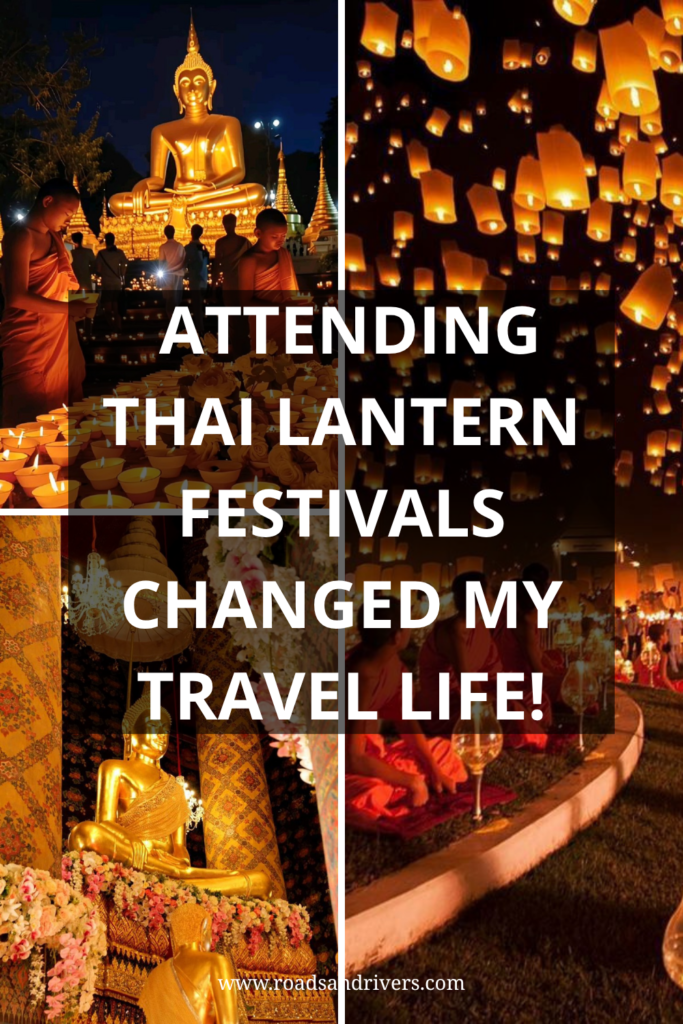
While sky lantern releases require either tickets or temple visits, floating a krathong is completely free and open to everyone. Buy or make a krathong (they’re sold everywhere along the river for 20-100 THB), find a spot along the Ping River, light your candles and incense, make a wish, and set it on the water. This is the part of the festival where you’ll be shoulder-to-shoulder with Thai families doing exactly the same thing.
Your Complete Thai Lantern and Water Festivals Plan
If you’re feeling overwhelmed by the logistics, here’s a simple plan that covers both festivals.
Getting There
Chiang Mai has an international airport (CNX) with direct flights from Bangkok (70 minutes, $30-80), as well as connections from Kuala Lumpur, Singapore, and other Asian hubs. The overnight train from Bangkok takes about 13 hours and costs around $30 for a comfortable second-class sleeper. Book transportation well in advance. Trains, buses, and flights to Chiang Mai sell out during festival week.
Where to Stay
Book your accommodation 2-3 months early. Hotels and hostels near the Old City (inside or around the moat) fill up fast and prices spike during festival week. Staying in the Old City puts you within walking distance of the main Loy Krathong celebrations along the Ping River and the temple ceremonies. Budget hostels run $15-25 per night during festival season. Mid-range hotels cost $50-100.
The Ideal 3-Day Festival Itinerary
Day 1 (Eve of the festival): Arrive in Chiang Mai. Explore the Old City, visit Wat Phra Singh and Wat Chedi Luang. Walk the night market at Tha Phae Gate. Buy a krathong from a vendor (or make one at a workshop). Soak in the pre-festival energy as the city begins lighting candles along the moat.
Day 2 (Main festival night): If you have tickets to a mass lantern release, shuttles typically depart around 3:30-4:30 PM for the venue. The cultural performances and dinner happen before sunset, and the mass release starts after dark. If you’re doing the free city experience instead, head to Wat Phra Singh or the Ping River area by late afternoon. Release your krathong on the water at the Ping River. Watch for spontaneous lantern releases from temple grounds and along the riverbanks.
Day 3 (Post-festival): Visit Doi Suthep temple for sunrise views over Chiang Mai. Explore Warorot Market for local food (try sai ua, the northern Thai sausage). Decompress from the crowds and reflect on what was probably one of the most visually overwhelming nights of your life.
Pro tip: Bring a marker pen. Many people write wishes or names on their lanterns before releasing them. It’s a small touch that makes the moment more personal.
5 Mistakes Tourists Make at Thai Lantern Festivals
1. Assuming the Festival Is One Single Event
The biggest mistake is thinking “the lantern festival” is a single, ticketed event you either attend or miss. It’s not. It’s a multi-day, city-wide celebration with dozens of things happening simultaneously: temple ceremonies, river-side krathong floating, street parades, cultural performances, food markets, and yes, mass lantern releases. The mass releases get the most attention online, but they’re one piece of a much larger festival.
2. Not Booking Tickets and Hotels Early Enough
Festival accommodation in Chiang Mai books up 2-3 months in advance. Mass lantern release tickets sell out even earlier. Flights and trains from Bangkok get expensive and fully booked. If you decide to go in October for a November festival, you’ll pay double for a hotel and may not get tickets to the organized events at all.
3. Wearing the Wrong Clothes
Yi Peng is a religious festival rooted in Buddhism. There’s a dress code, and it matters. Cover your shoulders and knees. No tank tops, no short shorts, no revealing outfits. Many attendees wear white (which symbolizes purity and respect) or traditional Lanna Thai clothing. Beyond respect, it gets cool in Chiang Mai in November (15-20°C at night), so a light jacket is practical anyway.
4. Expecting the Instagram Moment to Happen Naturally
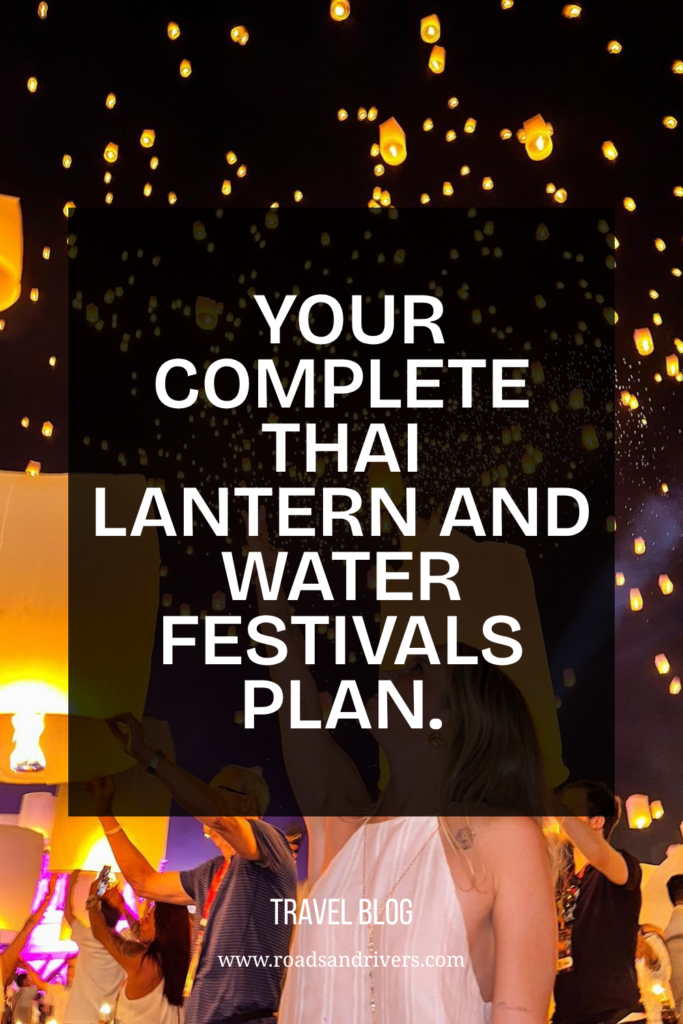
Those viral photos of a perfectly lit sky? They come from organized mass releases where thousands of people release lanterns simultaneously at a coordinated moment. If you’re wandering the streets hoping for that spontaneous wall-of-lanterns moment, you’ll be disappointed. It happens at specific venues at specific times. Know where you need to be and when.
5. Only Focusing on the Lanterns and Skipping Loy Krathong
The sky lanterns get all the social media attention, but Loy Krathong (the water festival) is equally moving. There’s something deeply peaceful about kneeling at the river’s edge, lighting your krathong, and watching it drift away with your candle still flickering. Many travelers who’ve experienced both say the water ceremony hit them harder emotionally. Don’t skip it just because it’s less photogenic.
Overwhelmed Planning for Thai Lantern Festivals? Start Here.
If the logistics feel complicated, simplify your approach with one of these three options:
Option 1: The Full Experience ($150-400 per person). Book a ticketed mass lantern release event (CAD Yi Peng or a similar organizer). This gives you guaranteed lantern release, dinner, cultural shows, and transportation. Then float a krathong at the Ping River before or after the event. This is the easiest way to experience everything with minimal planning.
Option 2: The Free City Experience ($5-20 per person). Skip the ticketed events entirely. Spend the festival evening walking Chiang Mai’s Old City, watching the moat and temples glow with candles, buying a krathong and floating it on the river, and purchasing a lantern at a temple for a small-scale release. This option is more intimate, more connected to the local community, and nearly free.
Option 3: The Combo ($100-200 per person). Attend a mid-tier ticketed lantern release on one evening and do the free city experience on another. This gives you the best of both worlds and spreads the festival across two nights instead of cramming everything into one.

Why Thai Lantern Festivals Are 2026’s Must-See Event
Every year, travel publications list Yi Peng and Loy Krathong among the world’s top festivals, and 2026 is no exception. The festival falls on November 24-25, right at the start of Thailand’s best weather season. Chiang Mai’s tourism infrastructure has improved significantly in recent years, with more flight connections, better organized events, and a growing food and cafe scene that gives you plenty of reasons to stay beyond the festival itself.
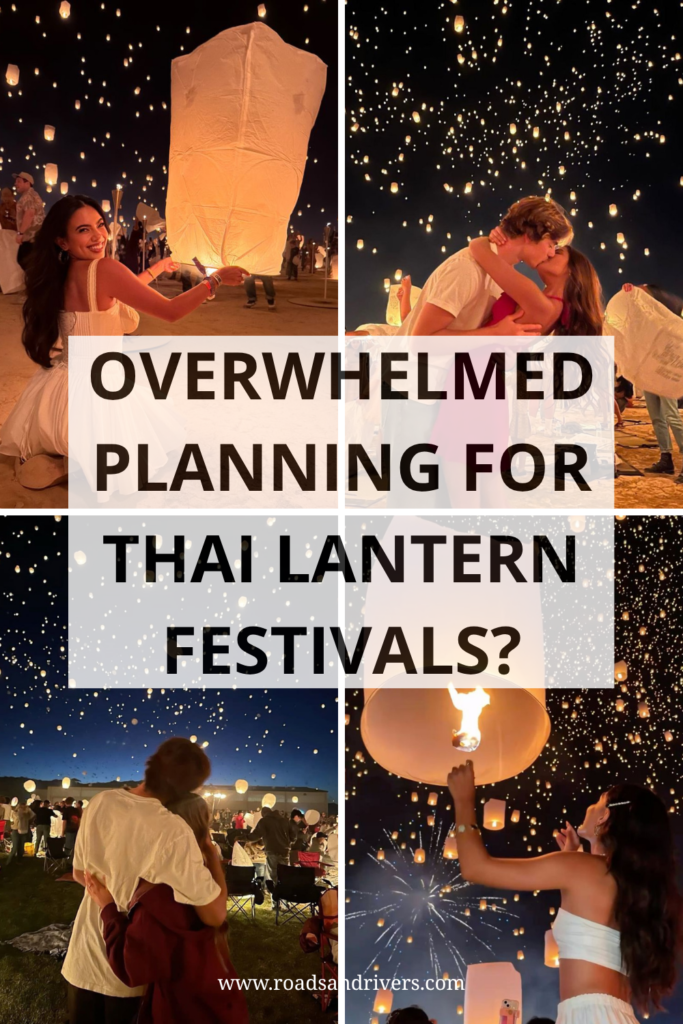
What makes this festival different from other major travel events is the emotional weight. This isn’t a spectator event. You’re not watching someone else’s tradition from behind a barrier. You light your own lantern. You hold it above your head and feel the heat build. You let go and watch your light join thousands of others rising into the darkness. You kneel at the river and set your own krathong on the water. It’s participatory in a way that most travel experiences aren’t.
That combination of visual spectacle, spiritual significance, and personal participation is why travelers who attend consistently rank it as one of the most meaningful experiences of their lives.
How Attending Thai Lantern Festivals Changed My Travel Life
Before Chiang Mai, I planned trips around places. Beaches, mountains, cities with good food. The lantern festival was the first time I planned a trip around a moment. And it taught me something about travel I hadn’t understood before: the best experiences aren’t places you visit. They’re things you participate in.
Standing in that field, holding a paper lantern with a tiny flame inside it, surrounded by strangers all doing the same thing, all making wishes, all letting go of something, I felt more connected to a place and its people than I ever had as a tourist walking through a museum or taking photos of a temple. The festival doesn’t let you be passive. It asks you to be present, to hold something fragile, and to release it.
That’s what I keep chasing now when I travel. Not the view from the lookout point. The thing that asks me to do something, feel something, be part of something. The lantern festival set that standard.
Key Takeaways
- Yi Peng (sky lanterns) and Loy Krathong (water lanterns) happen simultaneously in Chiang Mai, usually in late November. In 2026, the dates are November 24-25.
- Mass lantern releases require advance tickets ($100-380). Book months ahead. But you can experience the festival for nearly free in Chiang Mai’s Old City and temples.
- Dress modestly. Cover shoulders and knees. White clothing is traditional and respectful.
- Book hotels and transport 2-3 months early. Chiang Mai fills up fast during festival week.
- Don’t skip Loy Krathong. The water festival is free, deeply emotional, and more intimate than the sky lantern spectacle.
A Sky Full of Light Is Waiting for You
Thai lantern and water festivals are one of those rare travel experiences that live up to every photo, every story, and every breathless blog post about them. The only thing the photos can’t capture is how it feels to be standing underneath all that light.
November 2026. Chiang Mai. You, a paper lantern, and a river full of floating wishes. Start planning now because the tickets won’t wait.
Have you attended Yi Peng or Loy Krathong? Share your experience in the comments. We’d love to hear what surprised you most.
FAQ
How much does it cost to attend the Yi Peng lantern festival?
The mass lantern release events cost between $100-380 per person depending on the ticket tier. Gold tickets (around $100-150) typically include transportation, dinner, and 2 lanterns. Platinum tickets ($200-380) add premium seating, hotel pickup, and extra lanterns. However, you can experience the festival for nearly free by attending temple ceremonies, walking the Old City, and floating a krathong on the river (krathongs cost 20-100 THB).
What should I wear to Thai lantern festivals?
Dress modestly: cover your shoulders and knees. No tank tops, short shorts, or revealing clothing, as this is a religious Buddhist celebration. Many participants wear white, which symbolizes purity and is traditional for the occasion. You can also rent or purchase traditional Lanna Thai clothing in Chiang Mai. Bring a light jacket because November evenings in Chiang Mai drop to 15-20°C.
Can I release sky lanterns anywhere in Chiang Mai?
No. Free-floating sky lanterns are prohibited in downtown Chiang Mai due to fire and aviation safety concerns. You can only release sky lanterns at officially designated events (ticketed venues outside the city) or at specific temple ceremonies that organize controlled releases. Floating krathongs on the water, however, is allowed at many points along the Ping River.
Is Loy Krathong the same as Yi Peng?
No, they’re two different festivals that happen to coincide. Yi Peng is a Lanna tradition specific to northern Thailand (Chiang Mai) focused on releasing sky lanterns. Loy Krathong is a nationwide Thai festival focused on floating decorated baskets on water. In Chiang Mai, both happen on the same nights in November, which is why people often use the names interchangeably.
When should I book my trip for the 2026 Thai lantern festival?
Start booking 3-4 months in advance (by July-August 2026 for the November festival). Hotels near Chiang Mai’s Old City, mass lantern release tickets, and flights/trains from Bangkok all sell out or spike in price as the festival approaches. The 2026 dates are November 24-25 for both Yi Peng and Loy Krathong.