
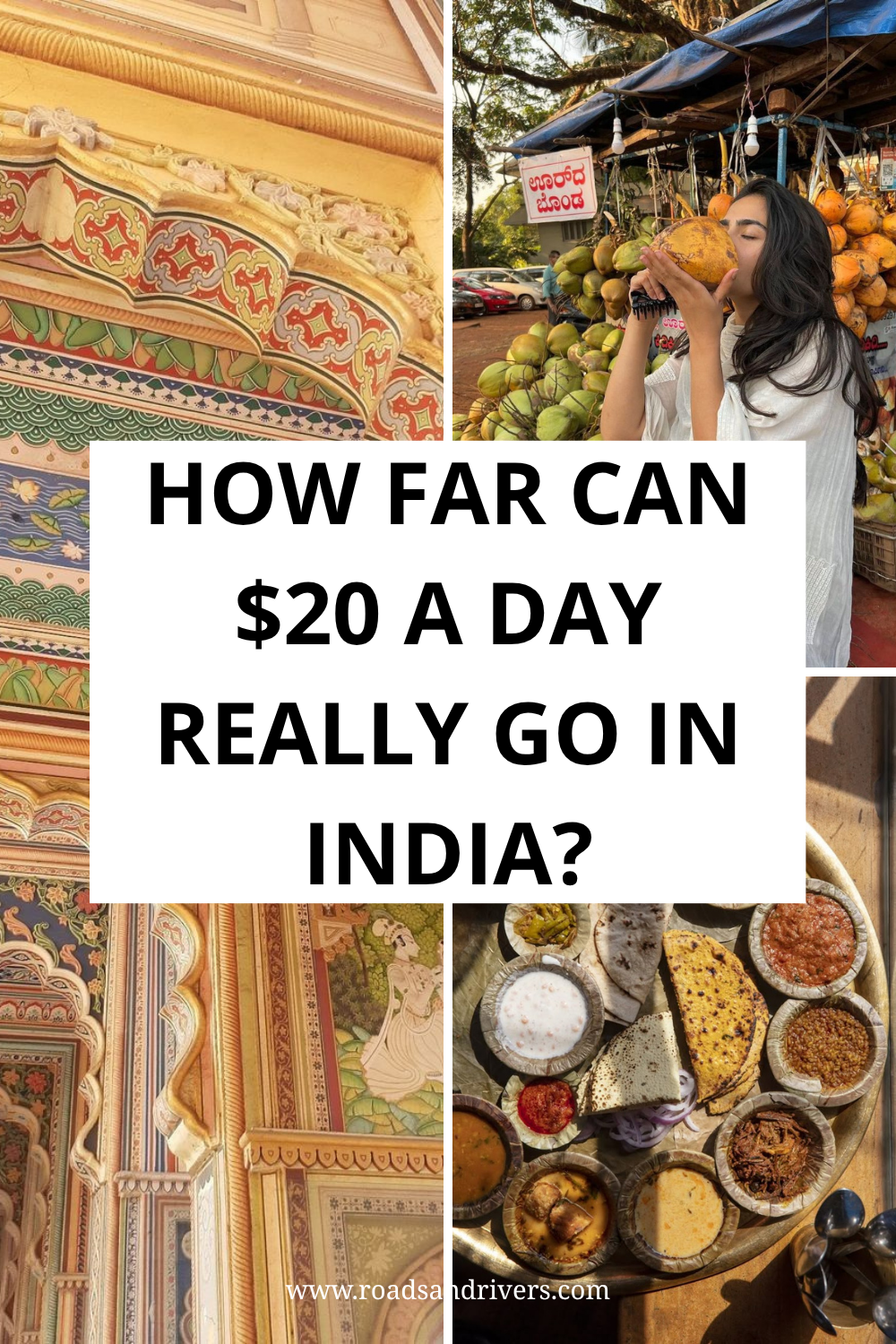
There’s a reason backpackers keep coming back to India. No other country on earth delivers this much color, chaos, spirituality, and sensory overload for so little money. A plate of steaming thali for $2. A sleeper train ticket across the country for $4. A hostel bed in one of the oldest cities in the world for $5. India is, without exaggeration, one of the most rewarding budget destinations on the planet.
But here’s the catch: India is only cheap if you know how to spend. First-timers regularly blow through their budget on tourist-trap restaurants, overpriced taxis, and accommodation they could have gotten for half the price. The gap between traveling India smart and traveling India blind is enormous, and it can mean the difference between $20 a day and $60 a day for the exact same experiences.
This post breaks down exactly how far $20 a day can take you across India, where the money actually goes, the budget mistakes that drain your wallet fast, and the tricks that keep costs low without cutting corners on the experience.
Table of Contents
- What Can You Actually Afford in India for $20?
- How Far Can $20 a Day Really Go in India?
- 5 India Budget Mistakes That Drain Your Wallet Fast
- India on a Budget: 7 Tricks to Spend Less
- Budget India Is the Trip Everyone Recommends
- The Tested Budget Guide to Backpacking India
- See India Without Breaking the Bank
- Key Takeaways
- FAQ
Average daily budget: $20 to $35 for backpackers; $40 to $80 for mid-range travelers
Best time to visit: October to March (cooler, dry weather across most regions)
Getting there: International flights into Delhi (DEL), Mumbai (BOM), or Bengaluru (BLR)
Days needed: Minimum 2 to 3 weeks; 4 to 6 weeks for a deeper experience
What Can You Actually Afford in India for $20?

The short answer: a lot more than you think. Twenty dollars a day in India is roughly ₹1,700, and that stretches further here than almost anywhere else in the world. But what does a real day on that budget look like?
A Typical $20 Day, Broken Down
Here’s a realistic snapshot of how $20 splits across a single day:
- Hostel dorm bed: ₹400 to ₹600 ($5 to $7)
- Breakfast (street food or hostel included): ₹50 to ₹100 ($0.60 to $1.20)
- Lunch at a local dhaba: ₹100 to ₹150 ($1.20 to $1.80)
- Dinner (thali at a local restaurant): ₹150 to ₹200 ($1.80 to $2.40)
- Chai and snacks throughout the day: ₹50 to ₹80 ($0.60 to $1)
- Local transport (e-rickshaw, metro, shared auto): ₹100 to ₹200 ($1.20 to $2.40)
- One attraction or activity: ₹200 to ₹500 ($2.40 to $6)
Total: roughly ₹1,050 to ₹1,830 ($12.50 to $22)
Some days you’ll come in under budget. Other days, an entrance fee or a longer transport leg will push you slightly over. The key is averaging it out across the week, not stressing over every single rupee.
Pro tip: Many of India’s most powerful experiences cost nothing at all. Walking the ghats of Varanasi at sunrise, watching the Ganga Aarti ceremony, or wandering the colorful lanes of Jodhpur’s old town are all free.
How Far Can $20 a Day Really Go in India?
The answer depends almost entirely on where you go and how you move. India’s budget-friendliness varies wildly between regions, and a $20 day in Goa during peak season looks very different from a $20 day in Rajasthan or Varanasi.
The Most Budget-Friendly Regions
Rajasthan, Varanasi, and parts of South India (especially Kerala outside resort areas) are where your money goes furthest. In cities like Pushkar, Bundi, and Hampi, you can live comfortably on $15 a day. Dorm beds drop to ₹300, thalis run ₹80 to ₹120, and local transport is dirt cheap.
Varanasi is one of the most affordable cities for travelers in all of India. Budget hostels near Assi Ghat start at ₹300 to ₹500 per night, and the city’s most meaningful experiences (the river at dawn, the evening Aarti, the winding alley walks) cost nothing. A full day in Varanasi, including food, a shared boat ride, and a chai or two, can come in well under $15.
Where $20 Gets Tight
Mumbai and Delhi are more expensive, especially for accommodation. Goa’s beachfront prices have crept up in recent years, with what used to cost $5 to $8 per night now running $15 to $20 or more during peak season. Tourist-heavy cities like Agra and Udaipur also push daily costs higher, particularly around major attractions.
Pro tip: If you’re heading to Agra specifically for the Taj Mahal, note that most major India attractions now charge ₹500 (around $6) for foreign visitors. Budget that into your day and offset it by cooking a meal at your hostel or skipping the overpriced restaurants near the monument.
Read more: Planning your Taj Mahal visit? Our guide on how to visit the Taj Mahal with tickets, tips, and best times to go has everything you need.
5 India Budget Mistakes That Drain Your Wallet Fast
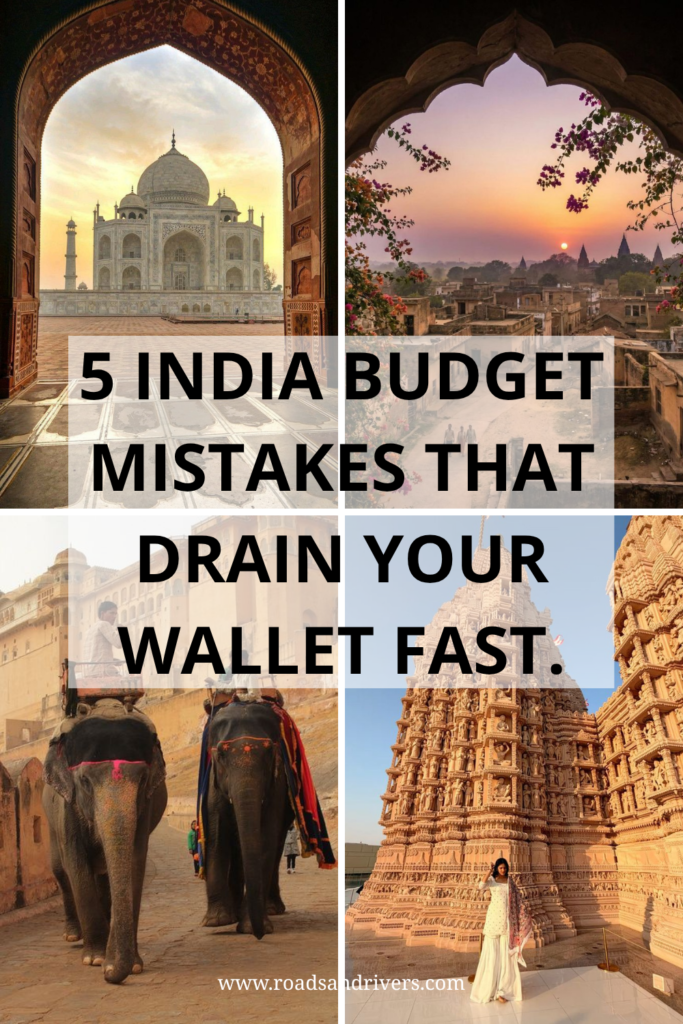
India rewards smart travelers and punishes careless ones. Here are the five mistakes that blow budgets wide open.
Mistake #1: Eating at Tourist Restaurants
The restaurants lining the streets near the Taj Mahal or along Goa’s beaches charge three to five times what you’d pay at a local dhaba two blocks away. A butter chicken that costs ₹350 at a tourist spot runs ₹120 at a neighborhood restaurant with better food and more character. Eat where locals eat. Always.
Mistake #2: Using Taxis and Ride Apps for Everything
Auto-rickshaws, e-rickshaws, shared autos, and city metros are how India actually moves. A taxi from one end of Delhi to the other can cost ₹800+. The metro covers the same distance for ₹30 to ₹60. For longer distances, sleeper class train tickets are absurdly cheap. A Delhi-to-Jaipur sleeper costs under ₹200 (less than $3). Book through the official IRCTC website or app, not through local travel agents who add commission.
Mistake #3: Not Bargaining When You Should
Bargaining is expected in street markets, with auto-rickshaw drivers, and at most non-fixed-price shops. If you pay the first price quoted, you’re almost certainly overpaying by 50% or more. Start by offering about half of the asking price and work from there. The exception: street food vendors, packaged goods, and shops with printed price tags. Those aren’t negotiable.
Mistake #4: Booking Too Far in Advance at Inflated Prices
Online booking platforms sometimes show inflated rates for India’s budget hotels and guesthouses. Walking in and negotiating a price, especially in smaller towns, can save you 20% to 40%. For hostels, booking a day or two ahead works well, but don’t lock in every night of a month-long trip months in advance. Flexibility is your biggest money-saver.
Mistake #5: Ignoring Hidden Fees
Restaurant bills in India often include a 5% to 12% GST charge on top of the menu price. Some also tack on a service charge. Food delivery apps like Swiggy and Zomato add packaging fees, surge pricing, and minimum order requirements that can double the cost of a simple meal. Stick to eating in person at local spots, and always check the final bill.
Pro tip: Carry cash in smaller denominations (₹100 and ₹500 notes). Many street vendors and small restaurants don’t accept cards, and ATMs in remote areas can be unreliable or empty.
India on a Budget: 7 Tricks to Spend Less
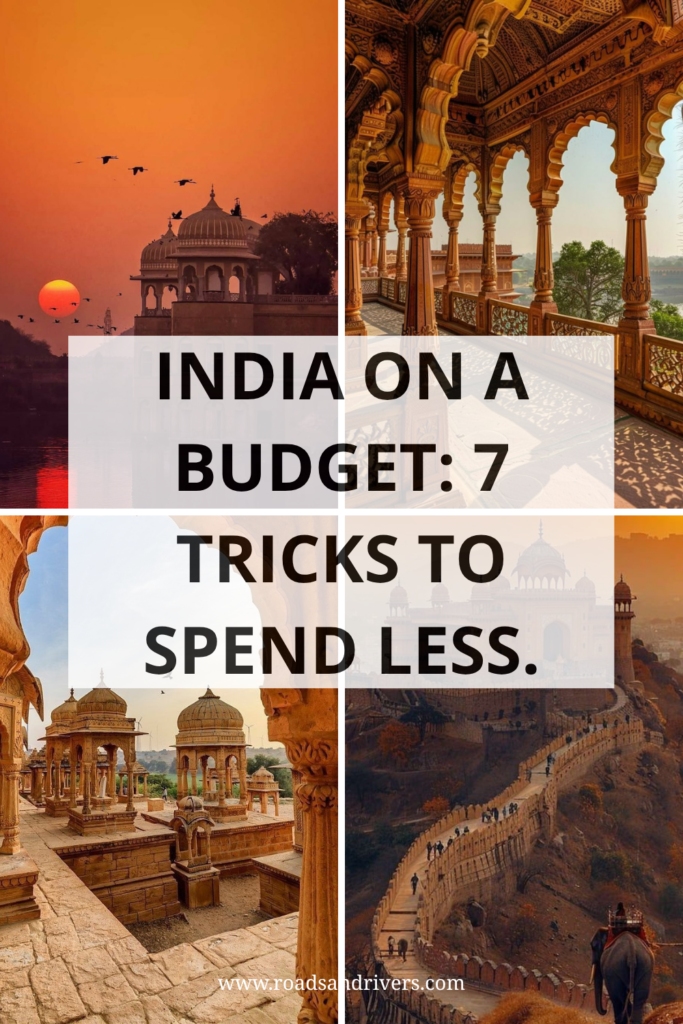
Beyond avoiding mistakes, these seven strategies actively push your daily costs lower.
Sleep Smart
Hostel chains like Zostel, Moustache, and GoStops operate across India with consistent quality and dorm beds starting at ₹400 to ₹600 per night. In smaller towns, family-run guesthouses and homestays offer private rooms for ₹500 to ₹800, often with breakfast included and local tips that no guidebook can match.
Eat Street
Street food is India’s heartbeat, and it’s also the cheapest way to eat well. A plate of pani puri costs ₹30. A dosa at a South Indian stall runs ₹40 to ₹60. A full thali at a roadside dhaba near a bus stand comes in under ₹100. Stick to busy stalls with high turnover (that means the food is fresh), avoid anything that’s been sitting out too long, and choose dishes that are cooked fresh in front of you.
If you love getting creative with meals on the road, our guide on the best camping dinner ideas trending right now has plenty of budget-friendly cooking inspiration.
Travel by Train
India’s rail network is one of the best budget travel tools on the planet. Sleeper class tickets between major cities cost ₹180 to ₹350, while the more comfortable 3AC (air-conditioned) class runs ₹450 to ₹800. Book directly through the IRCTC website or use apps like ConfirmTkt for last-minute availability. Overnight trains double as both transport and accommodation, saving you a night’s lodging.
Stay Longer, Spend Less
The fastest way to burn through money in India is to move constantly. Every time you change cities, you’re paying for transport, arriving hungry, and spending time figuring out the cheapest options in a new place. Slowing down and staying three to five days in each spot lets you negotiate better room rates, find the best local food, and actually enjoy the place instead of just passing through.
Pro tip: Many guesthouses and hostels offer weekly rates. Ask about discounts for stays of five nights or more, especially in off-peak months.
Budget India Is the Trip Everyone Recommends
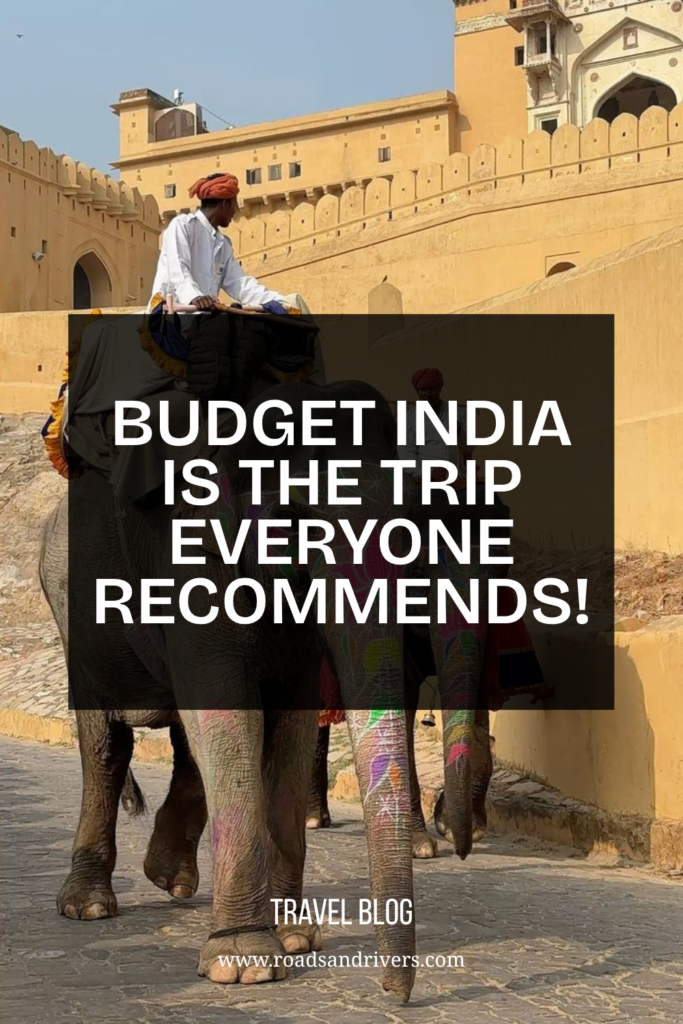
There’s a reason India consistently tops every “best budget destination” list for travelers. It’s not just that it’s cheap. It’s that the ratio of experience to money spent is unmatched anywhere in the world.
Why India Hits Different on a Budget
A first-time visitor staring up at the Taj Mahal at sunrise. The electric chaos of Old Delhi’s spice markets. The quiet of a sunrise boat ride on the Ganges in Varanasi. The riot of color in Jaipur’s bazaars. India delivers experiences that feel worth ten times what you paid for them.
The country’s cultural richness isn’t locked behind expensive tickets or VIP access. The most meaningful moments in India, watching a cremation ceremony at Manikarnika Ghat, sharing chai with a stranger at a railway platform, getting lost in the ancient lanes of a Rajasthani fort town, these things cost nothing or next to nothing.
If you’re building a bigger Asia trip around this, our budget-friendly guide to backpacking Asia maps out how India fits into a longer itinerary.
The Best Budget Backpacking Route
The classic backpacker route through India hits these stops, roughly in order:
- Delhi (2 to 3 days): Get your bearings, visit Old Delhi, and adjust to the pace
- Varanasi (3 to 4 days): Spiritual intensity, river ceremonies, and the best lassi in the country
- Agra (1 to 2 days): The Taj Mahal, full stop
- Jaipur (2 to 3 days): Forts, palaces, and the Pink City’s bazaars
- Pushkar or Bundi (2 to 3 days): Slower pace, desert vibes, and serious budget-friendliness
- Jodhpur (2 days): The Blue City and Mehrangarh Fort
- Udaipur (2 to 3 days): Lake views and rooftop restaurants
- Goa (optional, 3 to 5 days): Beaches and a change of pace
This route covers roughly 3 to 4 weeks, connects easily by train and bus, and can be done on an average of $20 to $25 per day if you follow the strategies above.
The Tested Budget Guide to Backpacking India
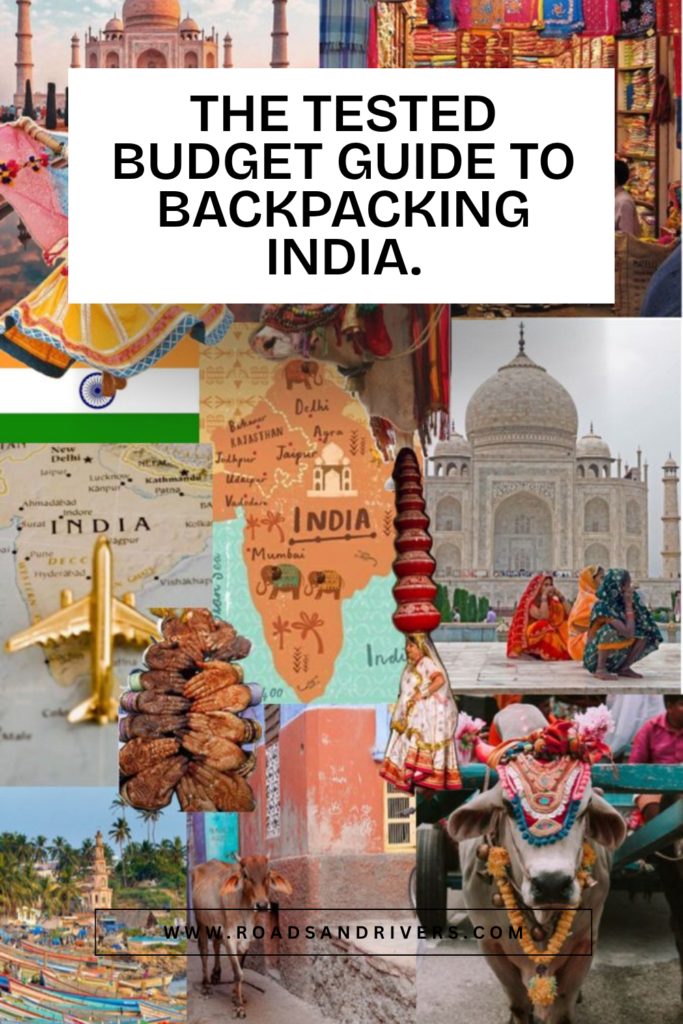
If you’re getting serious about planning, here’s the practical checklist.
Before You Go
Visa: Most nationalities need an e-Visa, which costs $25 for a 30-day single-entry or $40 for a one-year multi-entry. Apply online at least a week before your trip.
Flights: Round-trip flights from Europe typically cost $400 to $700; from the US, $700 to $1,400 depending on season and routing. Delhi and Mumbai have the most international connections.
Insurance: Get travel insurance that covers medical evacuation. India’s hospitals are affordable but quality varies wildly outside major cities, and if something serious happens in a remote area, evacuation costs can be astronomical.
SIM card: Grab a local SIM at the airport. Jio and Airtel offer data plans with 1.5 to 2GB per day for around ₹300 to ₹500 per month. You’ll need your passport and a passport photo.
What to Pack Light
India rewards minimalist packers. A 40-liter backpack is plenty. Bring lightweight, breathable clothing that covers your shoulders and knees (especially for temple visits), a reusable water bottle with a filter, a lightweight sleeping bag liner for overnight trains, and a small padlock for hostel lockers.
For a detailed packing strategy, our guide on how to use packing cubes correctly will help you fit everything you need without overpacking.
Staying Healthy on a Budget
Stomach issues are the most common concern for travelers in India, and they can derail your trip and your budget if you end up needing a hotel room to recover.
Pro tip: Stick to bottled or filtered water (many hostels provide free RO-filtered water), avoid ice in drinks unless you’re at a reputable restaurant, and choose busy food stalls where the turnover is high and everything is cooked fresh. Carry a basic medical kit with rehydration salts, anti-diarrheal medication, and probiotics.
See India Without Breaking the Bank

India is one of those places that changes how you think about travel and money. You don’t need a big budget to have a big experience here. Some of the most unforgettable moments cost less than a cup of coffee back home, and some cost nothing at all.
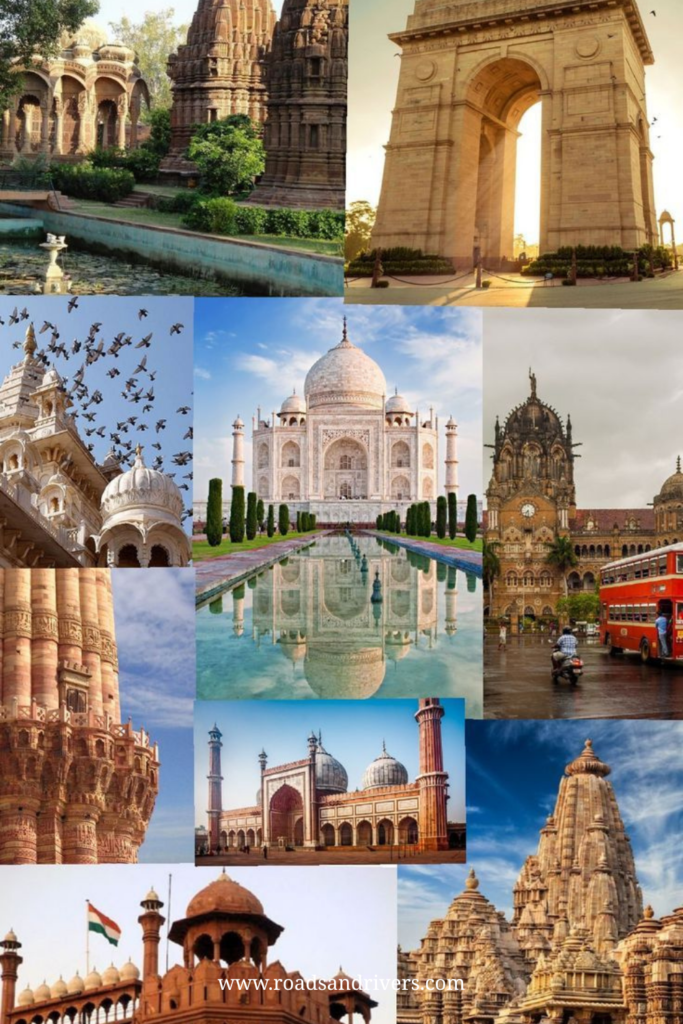
The sunrise over the Ganges in Varanasi. The call to prayer echoing across Jama Masjid in Delhi. The taste of a perfect masala dosa at a roadside stall. The way a train window frames the entire country, from dusty plains to emerald rice paddies, as you roll between cities. India photography comes naturally here because the country itself is one of the most photogenic places on earth. Every corner offers something worth capturing.
Read more: If India is your first big solo trip, our guide to planning an outdoor trip from gear to route to safety covers the planning fundamentals.
Key Takeaways
- $20 a day is realistic in India if you stay in hostels, eat at local dhabas and street stalls, use public transport, and travel in budget-friendly regions like Rajasthan and Varanasi.
- The biggest budget killers are tourist restaurants, taxis, and not bargaining. Avoid all three and your daily costs drop significantly.
- Train travel is your best friend. Sleeper class tickets cost under $5 for most routes and overnight trains save you a night’s accommodation.
- Slow down to save money. Moving every day burns cash on transport and arrival logistics. Stay 3 to 5 days per stop.
- October to March is the sweet spot for weather, prices, and overall experience across most of India.
India doesn’t ask you to spend a lot. It asks you to show up, stay flexible, and be willing to eat the street food. The country rewards curiosity over cash, and that’s exactly why budget travelers keep putting it at the top of their lists year after year.
Twenty dollars a day won’t get you a luxury palace hotel. But it will get you a front-row seat to one of the most vibrant, beautiful, overwhelming, and deeply rewarding countries on the planet. And that’s a deal that’s hard to beat anywhere.
Pack light, bring an open mind, and let India do the rest. If you’ve traveled India on a budget and have tips or stories to share, drop them in the comments. We’d love to hear what worked for you.
FAQ
Is $20 a day enough to travel India comfortably?
Yes, if you define comfortably as clean hostels, good food, and public transport. You won’t be staying in private hotel rooms or taking taxis everywhere, but you’ll eat well, sleep safely, and see everything that matters. Most budget backpackers in India spend between ₹1,300 and ₹2,300 per day (roughly $15 to $28), so $20 lands right in the middle of that range.
What is the cheapest way to get around India?
Trains are the backbone of budget travel in India. Sleeper class tickets between major cities cost ₹180 to ₹350 (under $5), and overnight journeys save you a night’s accommodation. Within cities, metros (in Delhi, Bangalore, and Kolkata), e-rickshaws, and shared autos are the cheapest options. Avoid taxis and ride-hailing apps except when there’s no alternative.
Is India safe for solo backpackers?
India is generally safe for solo travelers, with millions visiting every year. The standard precautions apply: keep valuables secure, be aware of common scams (especially at tourist sites and train stations), and trust your instincts about people and situations. Solo female travelers should take extra care after dark in less populated areas and research women-friendly hostels and accommodation.
What should I eat to stay on budget in India?
Street food and local dhabas (roadside restaurants) are your best options. A thali (full meal) at a local restaurant costs ₹80 to ₹150. Street snacks like samosas, dosas, and pani puri cost ₹20 to ₹60. Avoid tourist-oriented restaurants near major attractions, where the same dishes cost three to five times more. Always choose busy stalls for freshness and food safety.
When is the best time to backpack India on a budget?
October to March offers the best combination of comfortable weather and reasonable prices. The shoulder months of October and March often have slightly lower accommodation rates. Avoid December through February in popular tourist spots like Goa and Rajasthan, where peak-season prices can double. The monsoon months (June to September) bring the lowest prices but also the most rain and humidity, which limits what you can do comfortably.