
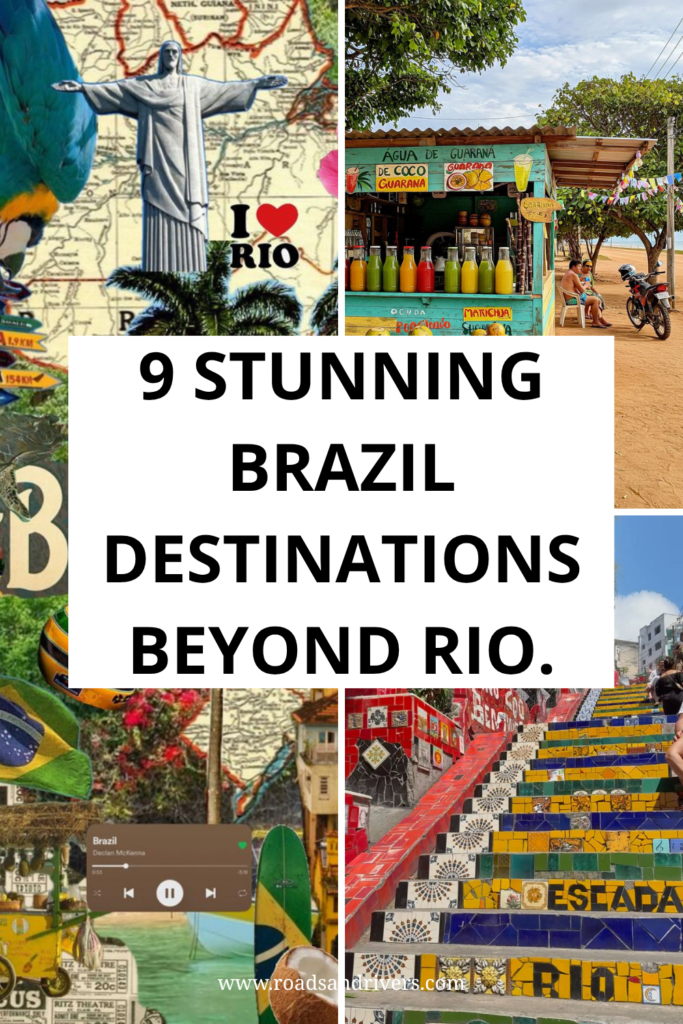
Most people who plan a trip to Brazil start and end with Rio de Janeiro. And Rio deserves every bit of its reputation. The sweep of Copacabana, the green peaks towering over the city, the energy that pulses through every neighborhood. But here’s the thing: if you only see Rio, you’re only seeing about 5% of what Brazil actually has to offer.
Brazil is the fifth-largest country on earth. It stretches from the Amazon rainforest in the north to subtropical beaches in the south, from Afro-Brazilian cultural capitals on the northeast coast to crystalline rivers in the interior that look like they belong in a nature documentary. The food changes with every region. The music shifts from samba to forró to axé depending on where you are. And many of the country’s most jaw-dropping places are the ones most international visitors never reach.
This is the Brazil guide beyond Rio: the destinations that locals love, the cities travelers keep coming back to, and the places that make this country one of the most rewarding in South America to explore.
Table of Contents
- Stop Limiting Your Brazil Trip to Just Rio
- Is Salvador Brazil’s Best Kept Travel Secret?
- 9 Brazil Destinations Beyond Rio You Need to See
- The Brazil Destination That’s Trending for 2026
- Brazil Beyond Rio: Your 5-Stop Itinerary
- What Brazil Destinations Do Travelers Keep Secret?
- The Complete Brazil Guide Beyond Rio
- Key Takeaways
- FAQ
Best time to visit: April to November (dry season, lower prices, fewer crowds)
Average daily budget: $58 to $100 for mid-range travelers; $30 to $50 budget
Getting there: International flights into São Paulo (GRU), Rio de Janeiro (GIG), or Salvador (SSA)
Days needed: 2 to 4 weeks to see beyond Rio properly
Stop Limiting Your Brazil Trip to Just Rio
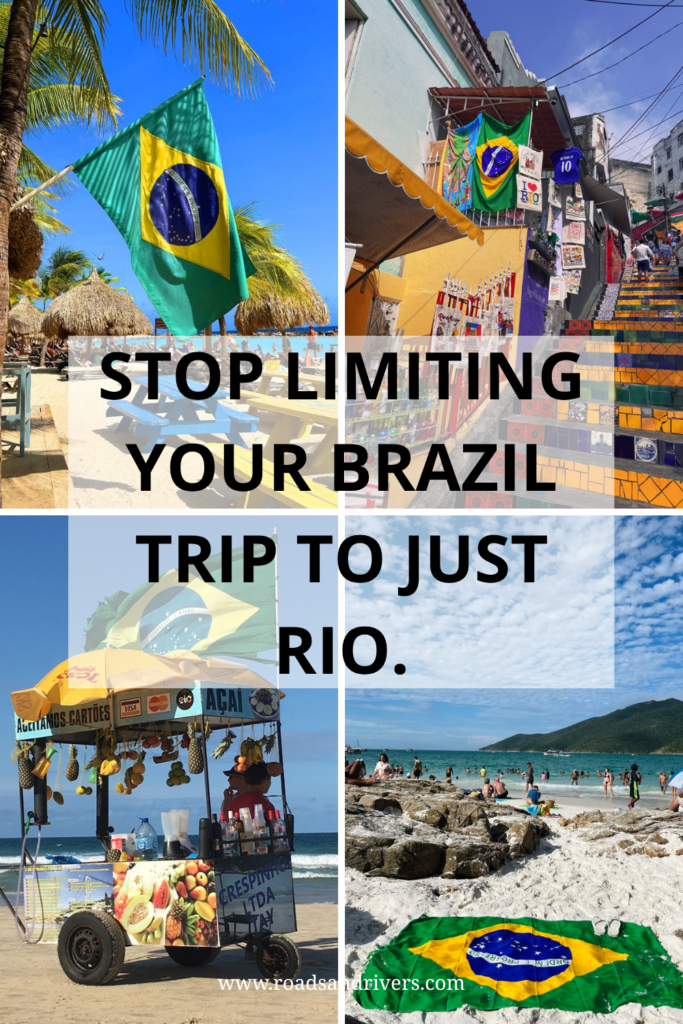
A common first-timer mistake is flying into Rio, spending five days between Copacabana and Sugarloaf Mountain, and then flying home thinking they’ve “done” Brazil. That’s like visiting New York and assuming you’ve seen the United States.
Why Most Travelers Miss the Best Parts
The issue is usually time and awareness. International visitors often don’t realize how easy (and cheap) it is to move between Brazilian cities by domestic flight or long-distance bus. A one-way flight from Rio to Salvador costs as little as R$360 (around $65). A bus from Rio to Paraty, one of the most charming colonial towns in the country, takes just four hours and costs under $20.
Brazil’s domestic airlines (GOL, LATAM, and Azul) run frequent, affordable routes between all major cities. And Brazil’s long-distance buses are surprisingly comfortable, with fully reclining seats and onboard meals on premium routes.
Pro tip: Book domestic flights at least two to three weeks ahead for the best prices. GOL and Azul frequently run flash sales that drop fares to under R$200 one-way between major cities.
If you’re planning a bigger South America trip, our guide to South America travel destinations covers the best stops across the continent.
Is Salvador Brazil’s Best Kept Travel Secret?
Salvador was Brazil’s first capital, and it remains the country’s cultural heartbeat. If Rio is Brazil’s party, Salvador is its soul.
The Pelourinho and Afro-Brazilian Culture
The Pelourinho neighborhood in Salvador is a UNESCO World Heritage Site and one of the most photogenic places in all of South America. Pastel-colored colonial buildings line cobblestone streets. Live music spills out of every doorway. The smell of acarajé (a deep-fried bean fritter filled with shrimp and spicy sauce) drifts from street vendors on every corner.
Salvador is the center of Afro-Brazilian culture, and you feel it everywhere. Capoeira circles happen spontaneously in public squares. Candomblé ceremonies, rooted in West African spiritual traditions, are still actively practiced. The food, the music, the rhythm of daily life here is unlike anything else in Brazil.
What It Costs
Salvador is noticeably cheaper than Rio or São Paulo. Hostel dorms start around R$60 to R$80 per night ($11 to $15). A full meal at a local restaurant costs R$25 to R$50 ($5 to $10). Street food like acarajé runs R$10 to R$15 ($2 to $3). You can comfortably spend a full day in Salvador for under $40 including accommodation.
Pro tip: Stay in or near the Pelourinho for the best walkability and culture, but be mindful of your belongings after dark. Salvador is safe for tourists who use common sense, but petty theft happens in crowded areas.
9 Brazil Destinations Beyond Rio You Need to See

Brazil is massive, so narrowing it down is tough. But these nine destinations represent the best of what lies beyond Rio, each offering something completely different.
1. Salvador, Bahia
The cultural capital. Afro-Brazilian music, food, and history at their most vibrant. The Pelourinho neighborhood alone is worth the trip. Budget: $30 to $50 per day.
2. Florianópolis, Santa Catarina
An island city in the south with over 40 beaches, from surf-pounded stretches to calm lagoons. Florianópolis (locals call it “Floripa”) draws a mix of Brazilians, Argentinians, and international surfers. It’s more expensive than the northeast but still cheaper than Rio. Dorm beds start at R$60 ($11).
3. Paraty, Rio de Janeiro State
A perfectly preserved colonial town wedged between mountains and ocean. Cobblestone streets flood at high tide (by design). No cars are allowed in the historic center. It’s one of the most charming small towns in all of Brazil, and it’s just four hours from Rio by bus.
4. Lençóis Maranhenses
Sand dunes stretching to the horizon with crystal-blue freshwater lagoons nestled between them. It looks like a desert, but it fills with rainwater from January through June. Visiting between May and September gives you the best combination of full lagoons and dry weather.
5. Chapada Diamantina, Bahia
A massive national park in the interior of Bahia, about 450 km from Salvador. Waterfalls, caves, hiking trails through three biomes (Atlantic Forest, Cerrado, and Caatinga), and underground pools with impossibly clear water. This is Brazil’s adventure capital for hikers and nature lovers.
6. Bonito, Mato Grosso do Sul
Home to some of the clearest rivers in the world. Snorkeling in the Rio da Prata or Rio Sucuri feels like floating through an aquarium. It’s a top ecotourism destination and globally recognized for sustainable tourism practices.
7. Iguazu Falls
Technically shared with Argentina, but the Brazilian side delivers an unforgettable panoramic view of over 275 waterfalls crashing through tropical forest. Entry costs R$117 ($21) for adults. Book early morning time slots to avoid crowds.
8. São Paulo
Brazil’s largest city doesn’t have beaches, but it has arguably the best food scene in South America, world-class museums, and a nightlife that rivals any city on the continent. The Mercado Municipal is a must for its famous mortadella sandwiches and tropical fruit stalls.
9. Búzios, Rio de Janeiro State
A peninsula resort town about three hours from Rio, known for its 23 beaches, each with a different character. It’s more upscale than most Brazilian beach towns but still affordable by international standards. Great for a few days of beach hopping after the intensity of the city.
Read more: For another approach to exploring South America on a budget, check out our guide to backpacking Asia on a budget, which covers many of the same money-saving strategies.
The Brazil Destination That’s Trending for 2026

Travel + Leisure named Brazil its 2026 Destination of the Year, and the ripple effect is real. International arrivals are climbing, and the destinations getting the most attention aren’t Rio or São Paulo. They’re the off-the-beaten-path spots that adventurous travelers have been quietly visiting for years.
Where the Buzz Is Building
Chapada Diamantina is surging in popularity among hikers who’ve already done Patagonia and want something less crowded. Bonito and its crystal-clear rivers are drawing ecotourism travelers looking for alternatives to Central American snorkeling spots. Lençóis Maranhenses, with its surreal landscape of dunes and lagoons, is landing on more bucket lists every month.
The northeast coast, especially around Jericoacoara and Pipa, is attracting digital nomads and longer-stay travelers. These towns combine consistent wind for kitesurfing, reliable Wi-Fi, affordable living costs, and a laid-back atmosphere that’s hard to find in more developed beach destinations.
Pro tip: If you’re traveling between May and August (Brazil’s dry season in many regions), you’ll get lower prices, fewer tourists, and comfortable temperatures across most of the country. The exception is the deep south (Florianópolis), where winter means cooler weather and quieter beaches.
Brazil Beyond Rio: Your 5-Stop Itinerary

If you have three to four weeks, this route covers the best of Brazil beyond Rio, connecting easily by domestic flight and bus.
Stop 1: Salvador (4 to 5 days) Fly in and soak up the Pelourinho, eat your weight in acarajé and moqueca, watch capoeira in the street, and take a day trip to Itaparica Island. Salvador is the perfect gateway to Brazilian culture.
Stop 2: Chapada Diamantina (3 to 4 days) Take a bus or short flight from Salvador to Lençóis, the gateway town. Hike to waterfalls, swim in underground cave pools, and catch the panoramic views from Morro do Pai Inácio.
Stop 3: São Paulo (2 to 3 days) Fly to São Paulo and spend your time eating. The Mercado Municipal, the Japanese food in Liberdade, the craft cocktail bars in Vila Madalena. Also hit the São Paulo Museum of Art (MASP) and Ibirapuera Park.
Stop 4: Paraty (2 to 3 days) Take a bus from São Paulo (about five hours) or Rio. Wander the car-free colonial center, take a boat trip to nearby islands, and eat fresh seafood at a waterfront restaurant.
Stop 5: Florianópolis (3 to 4 days) Fly south to Floripa for beaches. Hit Joaquina for surfing, Lagoinha do Leste for a beach hike, and the Lagoa da Conceição area for nightlife and restaurants.
Total time: 15 to 19 days. Estimated budget: $50 to $80 per day including flights, accommodation, food, and activities.
If you’re planning gear and packing, our complete outdoor trip planning guide walks you through everything from route planning to safety.
What Brazil Destinations Do Travelers Keep Secret?

Every Brazilian has a favorite hidden spot that they’d rather not see overrun with tourists. Here are a few that are still flying under the radar.
Boipeba Island, Bahia
No cars. No paved roads. No mass tourism. Boipeba sits just south of the more famous Morro de São Paulo and feels like a fishing village frozen in time. Sandy streets, beachfront pousadas, and mangrove boat tours are the main activities. Getting there takes a combination of bus and boat from Salvador, which is part of the charm.
Alter do Chão, Pará
Often called the “Caribbean of the Amazon,” Alter do Chão sits on the Tapajós River and features white-sand freshwater beaches surrounded by jungle. It’s a fraction of the cost and crowds compared to beach towns in the northeast, and the river water is warm and impossibly clear.
Jalapão, Tocantins
A remote desert-and-savanna landscape in central Brazil with fervedouros (natural spring pools where you literally can’t sink) and golden sand dunes. It’s hard to reach, which is exactly why it’s so pristine.
Pro tip: For offbeat destinations in Brazil, flexibility is everything. Internal flights don’t always run daily to smaller airports, and bus schedules can shift without notice. Build buffer days into your itinerary.
The Complete Brazil Guide Beyond Rio

Practical Details to Know Before You Go
Visa: Many nationalities (including US, EU, and UK citizens) can enter Brazil visa-free for up to 90 days. Check your specific requirements before booking.
Currency: The Brazilian Real (BRL). As of 2026, 1 USD is roughly 5.0 to 5.5 BRL. Credit cards are widely accepted in cities, but carry cash for markets, street food, and smaller towns.
Language: Portuguese, not Spanish. Learning basic Portuguese phrases goes a long way. Brazilians are warm and patient with travelers who try, even badly.
Safety: Brazil has a reputation for crime, and it’s not unfounded. But with standard precautions (don’t flash expensive gear, stay aware at night, use ride-hailing apps instead of hailing taxis), millions of tourists visit safely every year. Stick to well-lit, populated areas after dark and ask your hostel staff about neighborhoods to avoid.
Food budget: Street food runs $1 to $3. A full lunch at a per-kilo restaurant (you pay by weight, which is a Brazilian invention and a budget traveler’s dream) costs $4 to $8. A sit-down dinner at a mid-range restaurant runs $15 to $30.
For more budget-friendly packing advice, our guide on the most important beach day essentials for 2026 covers everything you need for Brazil’s coastline.
Getting Around on a Budget
Domestic flights are the fastest way to cover long distances. GOL, LATAM, and Azul operate routes between all major cities, with one-way fares as low as R$155 ($28) between São Paulo and Brasília if booked early. For coastal routes, long-distance buses are comfortable and scenic. A bus from Rio to Florianópolis takes about 20 hours and costs R$520 ($95) for a regular seat or R$1,050 ($190) for a sleeper. Within cities, Uber and the local app 99 are cheap and reliable. São Paulo’s metro system is excellent for getting around the city center.
Read more: If Brazil sparks your interest in longer South American trips, our guide to the best South America travel destinations maps out the highlights across the continent.
Key Takeaways
- Rio is the starting point, not the whole story. Brazil’s best experiences are spread across a country almost the size of the United States. Plan to go beyond the obvious.
- Salvador is the cultural capital and offers the most authentic Afro-Brazilian experience in the country, at prices well below Rio.
- Budget $50 to $80 per day for a comfortable mid-range experience that includes domestic flights, good food, and decent accommodation.
- The northeast and interior are trending hard in 2026. Chapada Diamantina, Lençóis Maranhenses, and Bonito are pulling travelers away from the coast and into Brazil’s wild interior.
- Book domestic flights early, travel in the dry season (April to November), and eat at per-kilo restaurants to keep costs down without sacrificing quality.
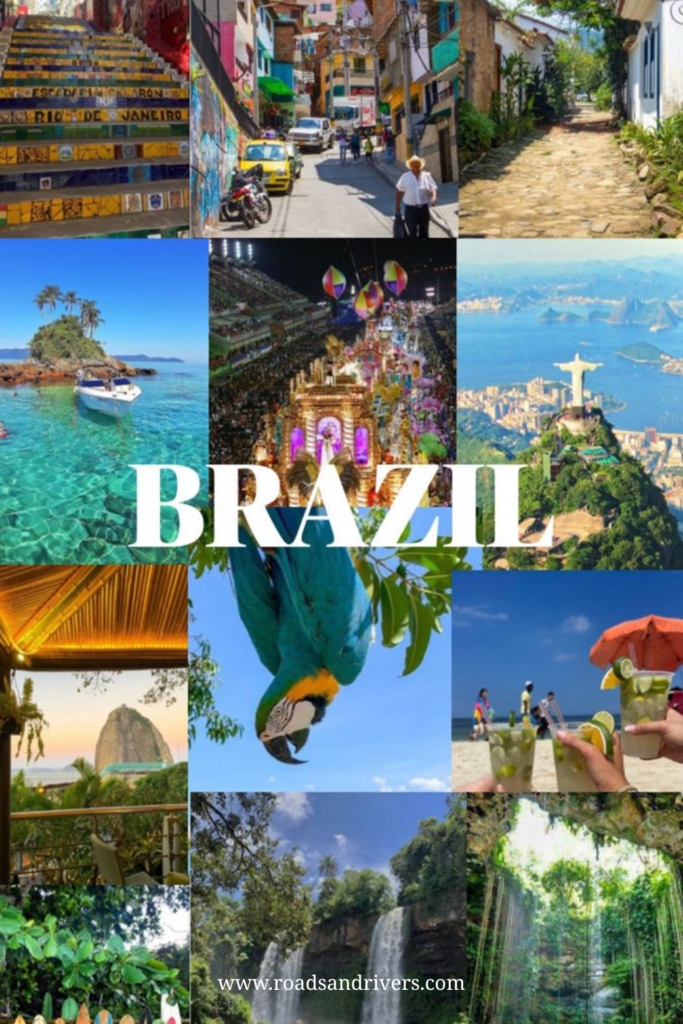
Brazil is one of those countries that keeps revealing itself the deeper you go. The beaches are world-class, sure. But the real magic is in the culture that shifts every few hundred kilometers, the food that changes with every state, and the landscapes that range from Amazonian jungle to crystalline rivers to surreal desert dunes.
Stop planning a Rio trip. Start planning a Brazil trip. The country will reward you for it in ways you won’t see coming. And when you’re sitting on a cobblestone step in Salvador at sunset, listening to live music drift through the Pelourinho, eating a plate of acarajé that cost less than a coffee back home, you’ll understand why the people who know Brazil keep going back.
Share your favorite Brazil spots in the comments. We’re always looking for the next place to add to the list.
FAQ
Is Brazil safe for tourists in 2026?
Brazil is safe for tourists who take standard precautions. Avoid displaying expensive electronics or jewelry, stick to well-trafficked areas after dark, use ride-hailing apps like Uber and 99 instead of hailing street taxis, and ask locals or hostel staff about areas to avoid. Millions of international visitors travel Brazil every year without incident. The most popular tourist cities (Rio, Salvador, Florianópolis, São Paulo) have well-established tourist infrastructure.
How much does a two-week trip to Brazil cost?
A two-week trip typically costs between $700 and $1,500 per person for a budget to mid-range experience, not including international flights. That covers accommodation, food, domestic transport, and activities. Budget travelers staying in hostels and eating street food can get closer to $700, while those opting for private hotel rooms and sit-down restaurants will land closer to $1,500. International flights from Europe generally cost $600 to $900 round-trip; from the US, $500 to $800.
What is the best time of year to visit Brazil?
April to November offers the best combination of dry weather, lower prices, and fewer crowds across most of the country. The exception is the far south (Florianópolis, Curitiba), where June to August is winter and cooler. If you want to experience Carnival, plan for February or March, but expect peak-season prices and massive crowds. The northeast coast is warm year-round.
Do I need to speak Portuguese to travel Brazil?
Basic Portuguese helps a lot, especially outside the main tourist areas. English is spoken in upscale hotels and tourist agencies in Rio and São Paulo, but it’s limited in smaller towns and the northeast. Download Google Translate’s offline Portuguese pack before you go, and learn key phrases for ordering food, asking for directions, and basic greetings. Brazilians are famously warm and will go out of their way to help, even through a language barrier.
What are the best Brazil destinations for first-time visitors?
Start with Rio for the iconic sights, then add Salvador for culture, Paraty or Búzios for a smaller-town beach experience, and either Iguazu Falls or Chapada Diamantina for nature. This combination gives you the full range of what Brazil offers: coast, culture, colonial history, and natural wonders, all connected by affordable domestic flights.