
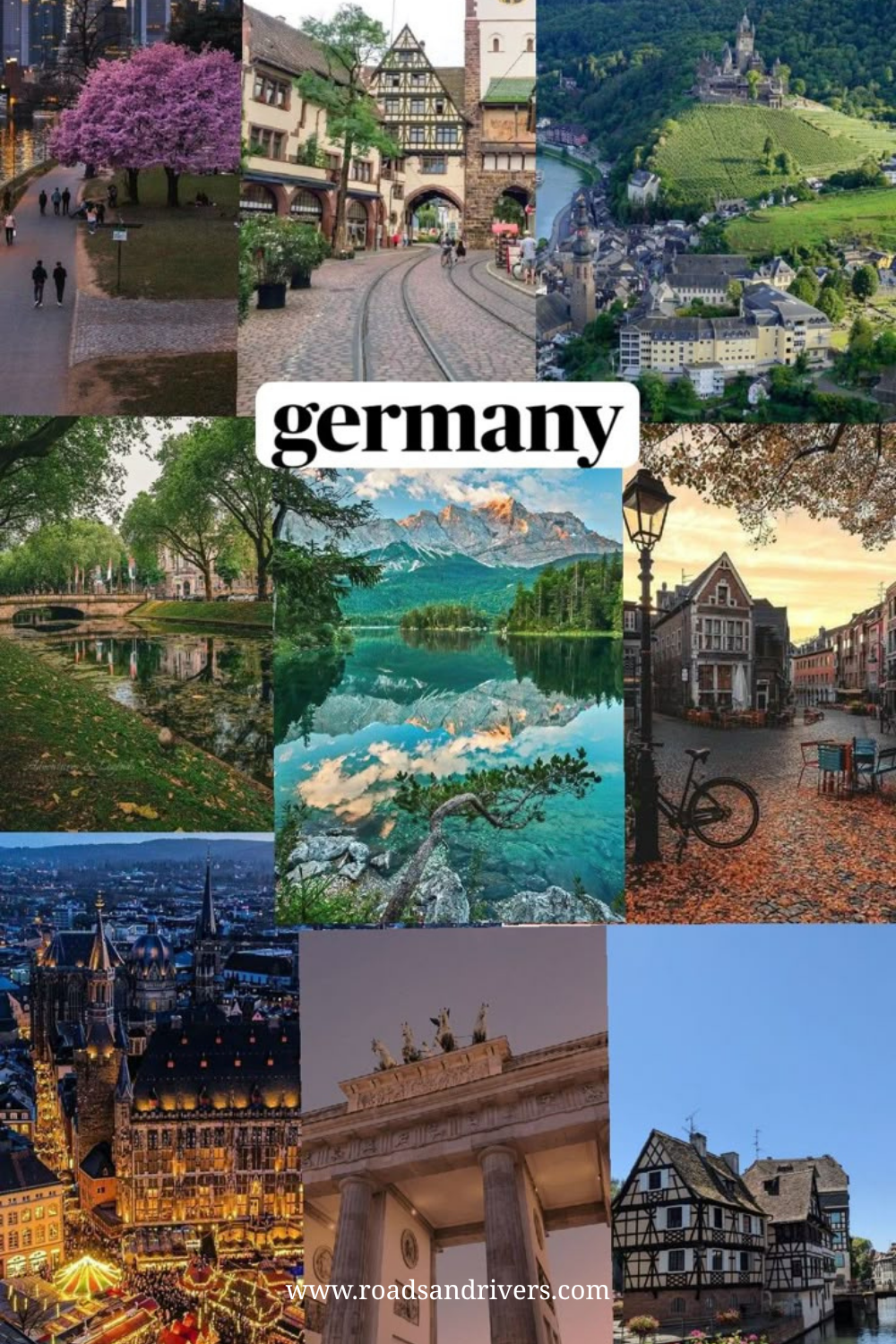
Most people fly straight to Paris or Rome for their first big European trip. That’s their loss. Germany keeps surprising travelers who give it a real chance — with fairy-tale towns, some of the best food on the continent, medieval castles, and a budget that doesn’t punish you for staying an extra week.
This germany travel guide covers everything you need to plan a trip worth taking: the best cities to base yourself in, what to eat (and where to save money eating it), the budget mistakes that cost travelers more than they expect, and the honest comparison between Germany’s two heavyweights — Berlin and Munich. Whether you’re planning your first European trip or adding a new country to your list, this guide gives you the real picture.
Table of Contents
- Quick-Reference Info Box
- Is Germany Worth Visiting? What Nobody Tells You
- 9 Best Germany Cities for Food, Culture, and Savings
- Which Germany City Has the Best Food Scene?
- Berlin vs Munich: Which Is the Better Germany Base?
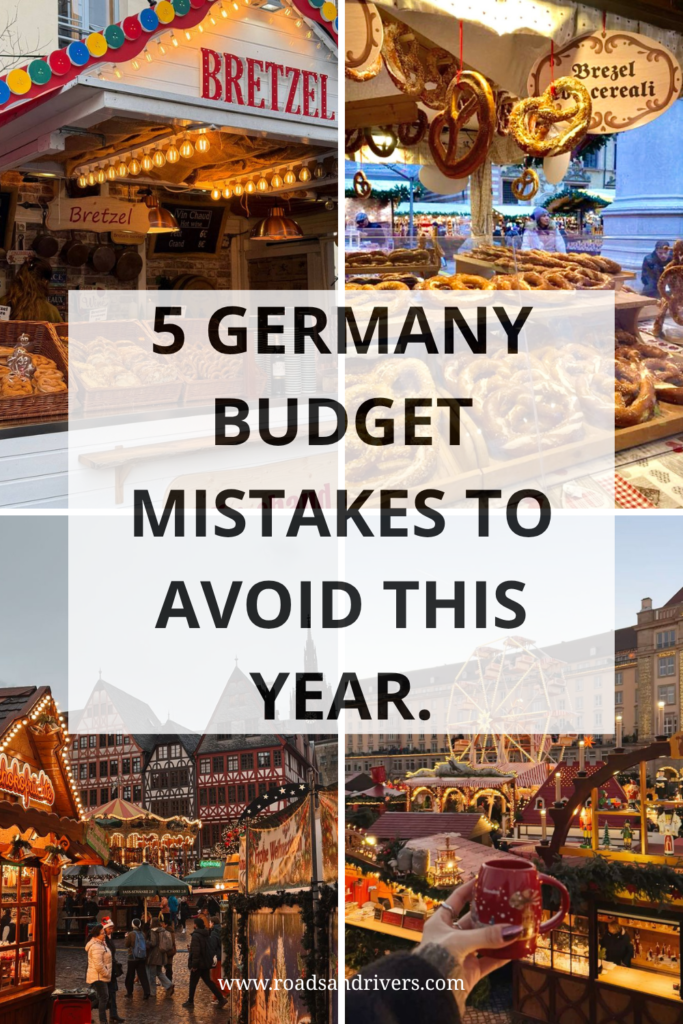
- 5 Germany Budget Mistakes to Avoid
- Germany Budget Breakdown: What It Really Costs in 2026
- How to Get Around Germany Without Overspending
- Key Takeaways
- FAQ
Quick-Reference Info Box
Best time to visit: May–June and September–October (good weather, smaller crowds)
Average daily budget: €50–70 (budget) / €120–180 (mid-range)
Getting there: Major international airports in Frankfurt, Munich, and Berlin
Days needed: 10–14 days to cover multiple cities properly
Currency: Euro (€); carry some cash — many small places are cash-only
Transport: Deutschland-Ticket (€63/month) covers all regional trains and city transit
Is Germany Worth Visiting? What Nobody Tells You
The first time you walk through a German Christmas market with a warm Glühwein in your hands, or step inside a centuries-old cathedral in a city most tourists skip entirely, you get it. Germany doesn’t announce itself loudly. It lets the places do the talking.
What surprises most travelers: Germany is genuinely diverse. The north feels Scandinavian — cool, coastal, understated. The south is alpine and full of Baroque extravagance. The west has river valleys and wine. The east carries the weight and energy of a country still processing an extraordinary recent history.
Germany also surprised us more than almost any European trip we’ve taken. The food scene has exploded in the last decade. Cities like Leipzig, Freiburg, and Heidelberg punch well above their tourism weight. And the transit system — once you know how to use it — is one of the most efficient and affordable in Europe.
Planning Germany doesn’t have to be complicated. You just need to know where to start.
Read more: Backpacking Europe for Beginners: Everything You Need to Know
9 Best Germany Cities for Food, Culture, and Savings
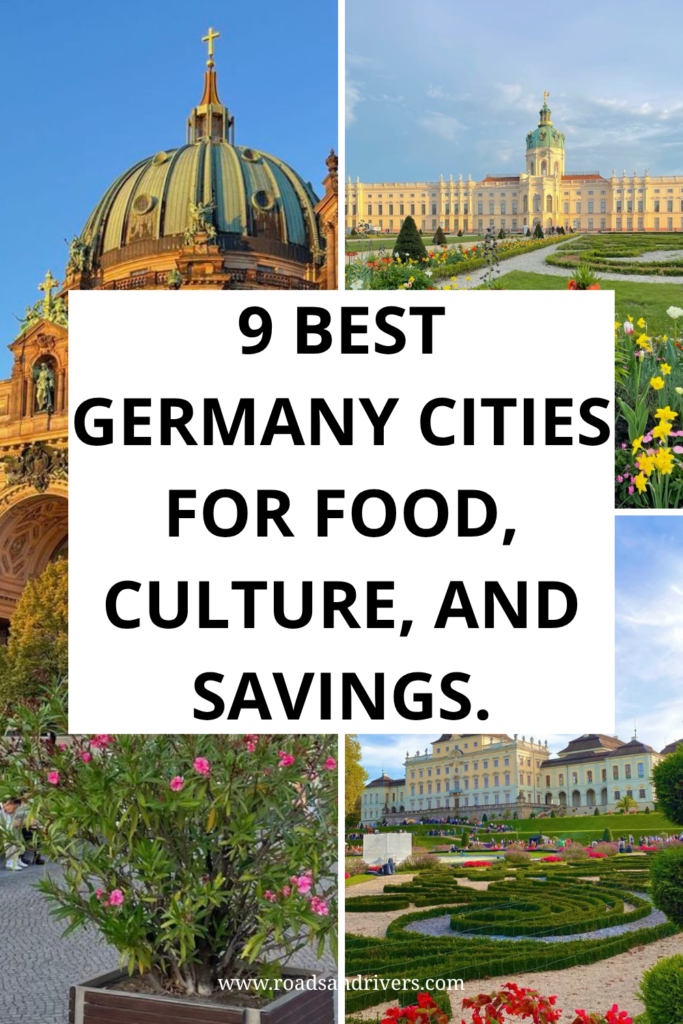
Germany has 16 federal states and more worthwhile cities than most people realize. These nine stand out for the combination of things that actually matter when you’re traveling: good food, real culture, and money that lasts.
1. Berlin
Germany’s capital is electric. World-class museums, relentless street art, neighborhoods that shift character every few blocks, and the cheapest food of any major German city. Berlin is far and away one of the cheapest destinations for food and drink in Germany, with street vendor meals available for under €5. Plan at least four days here.
2. Munich
The counterpoint to Berlin. Polished, expensive, undeniably beautiful. The Marienplatz, the English Garden, the Nymphenburg Palace grounds — Munich looks like it was built to be photographed. Go in September if you want Oktoberfest; go any other time if you want the city to yourself.
3. Hamburg
Germany’s second city gets overlooked. That’s a mistake. The Speicherstadt warehouse district, the Elbphilharmonie, the fish market at 5 AM on a Sunday — Hamburg rewards the traveler who puts in the effort.
4. Cologne
Two things: the Cathedral and the beer. Cologne’s Gothic Dom is genuinely one of the most impressive buildings in Europe. Kölsch, the local beer, is served in small 200ml glasses by waiters who keep bringing you new ones until you physically put a coaster on top to signal you’re done. Plan accordingly.
5. Dresden
Rebuilt after near-total destruction in World War II, Dresden now has one of the most beautiful old town skylines in Germany. The Frauenkirche alone is worth the detour.
6. Heidelberg
Compact, walkable, and centered on a ruined castle that looms over the old town. Popular but manageable outside of peak summer. Great for one or two nights.
7. Freiburg
The gateway to the Black Forest, and a city that earns genuine affection from travelers who pass through. Warm climate by German standards, excellent food markets, and a university-town energy that keeps things lively.
8. Nuremberg
Medieval walls, a vast old town, and a Christmas market that rivals anything in Europe. One of Germany’s most underrated city breaks.
9. Leipzig
The sleeping giant of German cities. Art scene, live music, some of the country’s best street food, and accommodation prices that feel like a different decade. Leipzig is where Berlin was fifteen years ago.
Pro tip: Don’t try to hit all nine. Pick three to four cities and give each of them proper time. Germany’s train connections are fast, but the cities reward depth over distance.
Which Germany City Has the Best Food Scene?
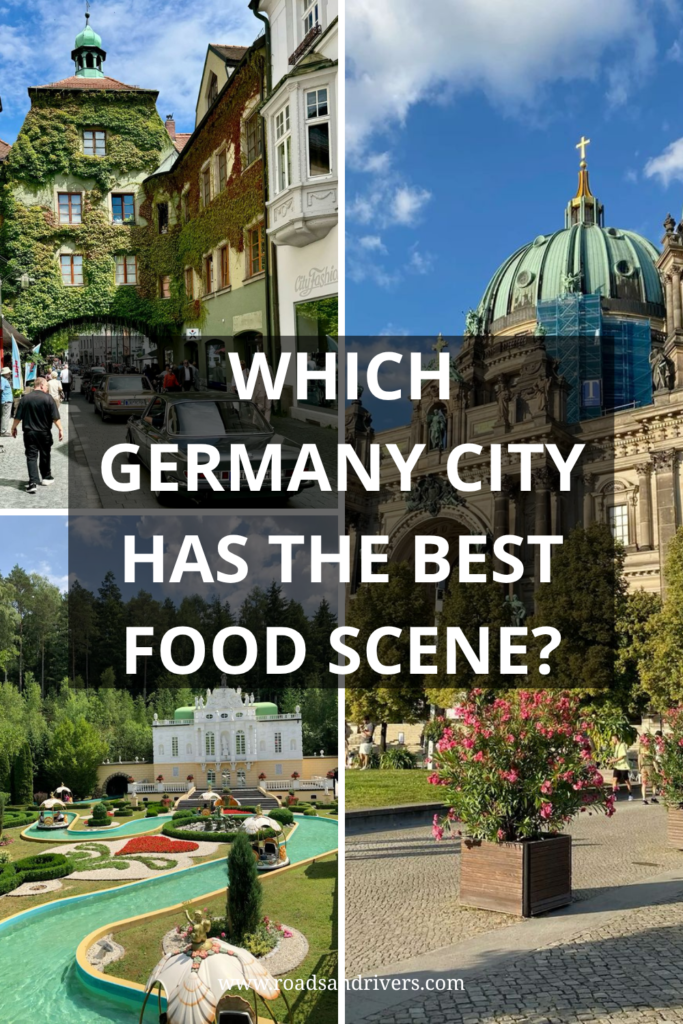
German food gets a bad reputation from people who’ve never actually eaten in Germany. Yes, there’s schnitzel. Yes, there are pretzels and sausages and beer. Popular German dishes include schnitzel, smoked pork, bratwurst, brezels (pretzels), and Käsespätzle — their take on macaroni and cheese. But German food culture in 2026 goes well beyond the classics.
Berlin wins on diversity and value. The Turkish community here has produced a döner kebab culture that is completely its own thing — a Berlin döner is nothing like what you get anywhere else. Add Vietnamese food markets, a thriving vegan scene, and restaurants pulling from every corner of the world.
Munich wins on traditional Bavarian cuisine done properly. Weisswurst with sweet mustard at a Sunday breakfast. Obatzda (a spiced cheese spread) at a beer garden. Roast pork with gravy thick enough to stand a spoon in. If you came to eat what Germany is famous for, Munich is your city.
Hamburg wins on seafood. Matjes herring, smoked eel, Fischbrötchen (fish sandwiches) from the harbor market at dawn.
Cologne wins on beer culture as food culture. The Kölsch experience — the small glasses, the running tab, the centuries-old brewery restaurants — is a meal in itself.
Pro tip: Eat your main meal at lunch. Many German restaurants offer a Mittagstisch (lunch menu) with better food at lower prices than the same dishes cost at dinner.
Germany Surprised Me More Than Any European Trip
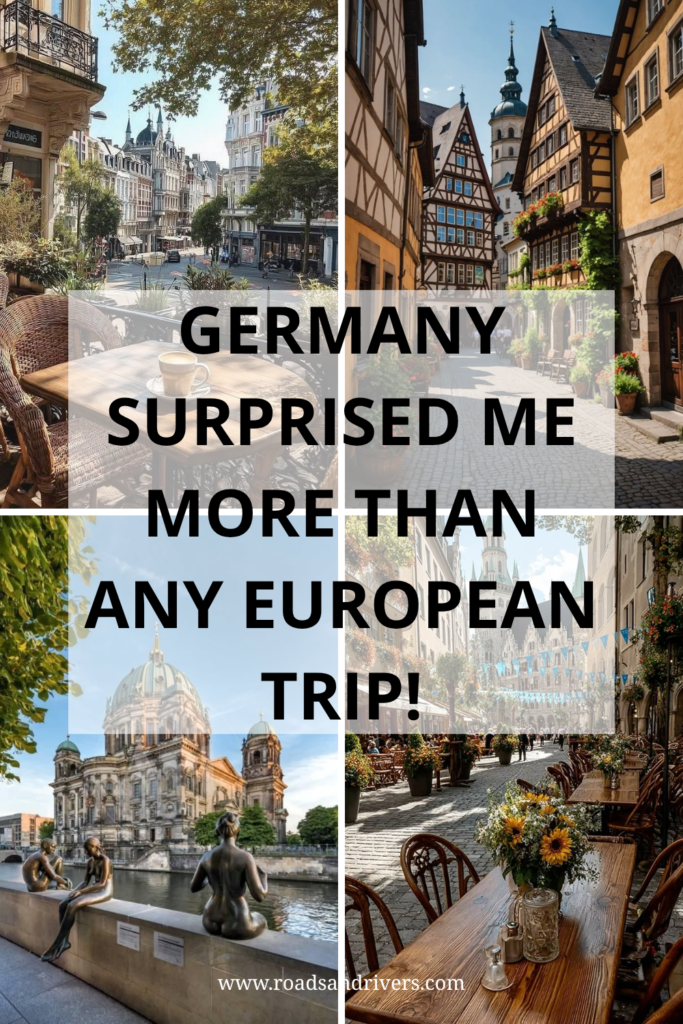
We’ll say it plainly: we underestimated Germany. We’d driven through it, stopped briefly, passed through on bigger itineraries. It took a proper two-week stay to understand what the country actually offers.
The fairy-tale architecture in smaller towns like Rothenburg ob der Tauber doesn’t look real. The outdoor café culture in cities like Freiburg and Heidelberg rivals anything in France. The beer garden culture — where you bring your own food, buy the beer, and sit next to strangers who become temporary friends — is one of travel’s great pleasures.
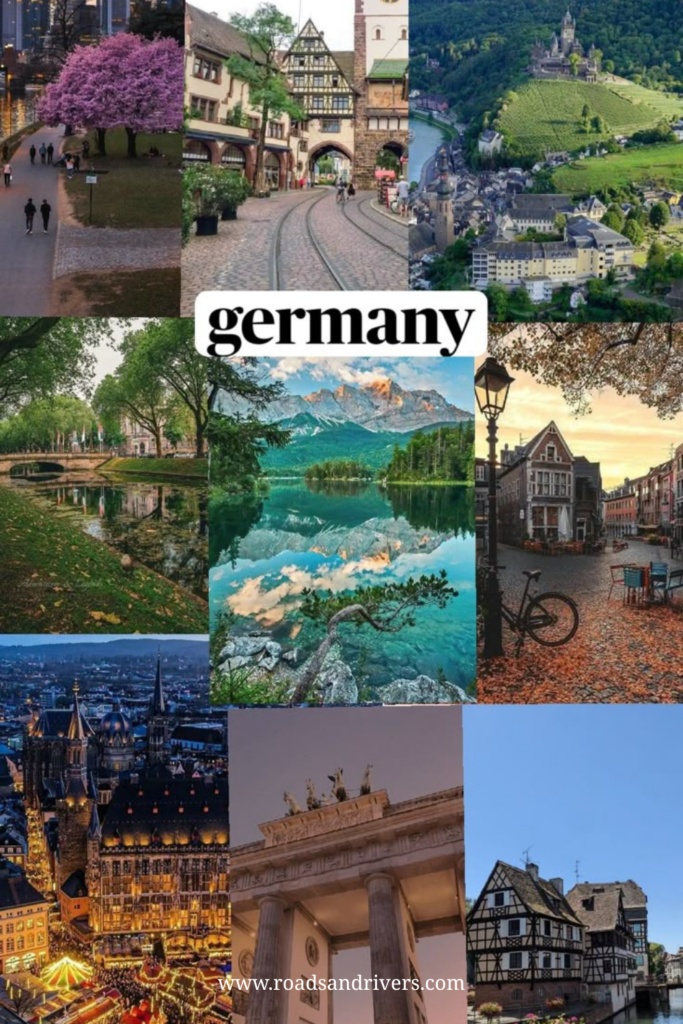
Germany also photographs beautifully at almost every turn, which helps explain the country’s growing presence across travel photography communities. The cobblestones, the half-timbered houses, the cathedral spires, the river reflections — it’s all there.
Read more: Best Interrail Routes in Europe: 10 Epic Itineraries to Try
Berlin vs Munich: Which Is the Better Germany Base?
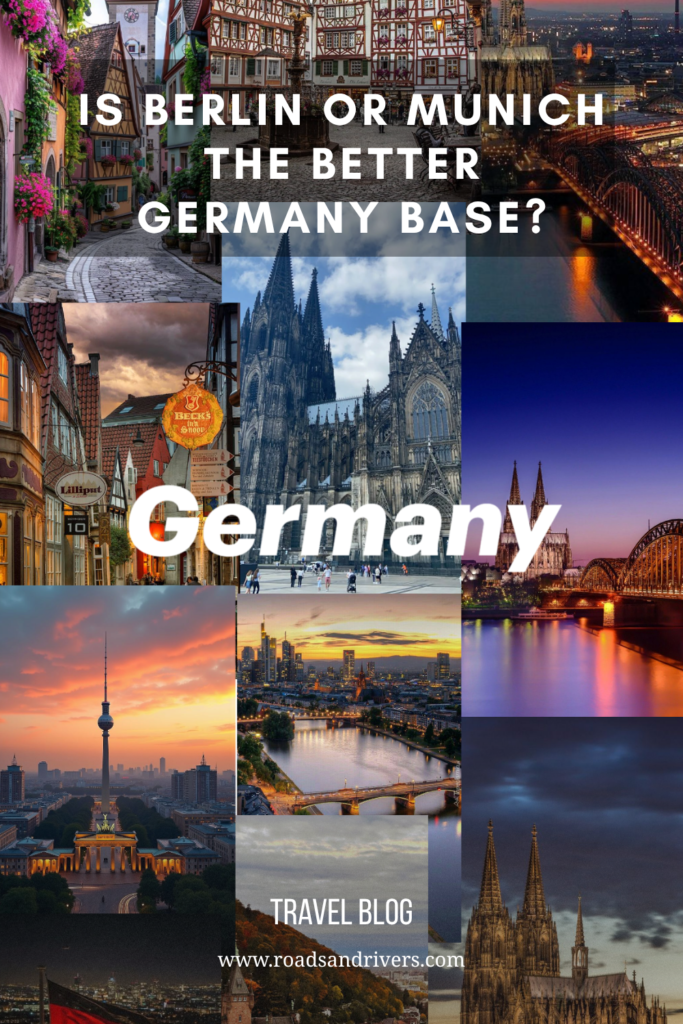
This is the question every first-time Germany traveler faces eventually. Both cities are excellent. They’re also completely different, and which one you choose should depend on what you want from your trip.
Choose Berlin if:
- You want history you can touch (the Wall, the Memorial to the Murdered Jews of Europe, Checkpoint Charlie)
- You’re on a tight budget — accommodation and food run noticeably cheaper
- You want nightlife, street art, and a city that feels alive at 3 AM
- You’re using it as a base for day trips east toward Dresden or north toward Hamburg
Choose Munich if:
- You want polished Bavarian culture and architecture
- You’re heading to the Alps, Neuschwanstein Castle, or Austria after
- You’re visiting in September for Oktoberfest
- You prefer a city that closes early and takes Sundays seriously
The honest answer: If you have two weeks, base yourself in both. Fly into one, out of the other. Germany’s train network makes it easy. Berlin is electric, arty, and cool, with world-class museums, tons of historic sites, funky artistic neighborhoods, and some of the best nightlife in Europe. Munich is polished, expensive, and the best jumping-off point for Bavaria.
They’re not competitors. They’re complementary.
5 Germany Budget Mistakes to Avoid
Germany is not the cheapest country in Europe — but it’s much more affordable than most people expect. These are the mistakes that cost travelers the most.
1. Booking last-minute trains
Germany’s ICE high-speed trains are efficient and fast, but last-minute tickets can run €60–120+ between cities. Book long-distance trains 2–3 weeks ahead for Sparpreise (discount fares); last-minute ICE fares on major routes run €60–120 or more. Book early and save aggressively.
2. Ignoring the Deutschland-Ticket
The Deutschland-Ticket costs €63 per month and covers unlimited travel on every bus, tram, S-Bahn, U-Bahn, and regional train in the entire country. For trips of a week or more, this is almost always the best value. It doesn’t cover high-speed ICE trains, but covers everything else.
3. Only eating at tourist-facing restaurants
The Bratwurst at the square adjacent to a major cathedral costs three times what it costs two blocks away. Walk. Find where locals eat. Look for the chalkboard menu, the outdoor tables with Germans actually sitting at them.
4. Not carrying cash
Many bakeries, smaller restaurants, market stalls, and some beer gardens remain cash-only in Germany. Carry €50–100 as backup. Getting caught cashless at a market is a genuinely avoidable frustration.
5. Rushing city to city
Germany’s train network is so good that it tempts you to over-pack your itinerary. Resist. The best Germany experiences happen when you slow down — when you spend a full afternoon in a beer garden, walk a city’s river at golden hour, or take a morning to get properly lost in an old town.
Pro tip: Eat your main meal at lunch when restaurant menus are cheaper, and visit supermarkets like Aldi and Lidl for groceries. Many museums also offer free entry on specific evenings.
Germany Budget Breakdown: What It Really Costs in 2026
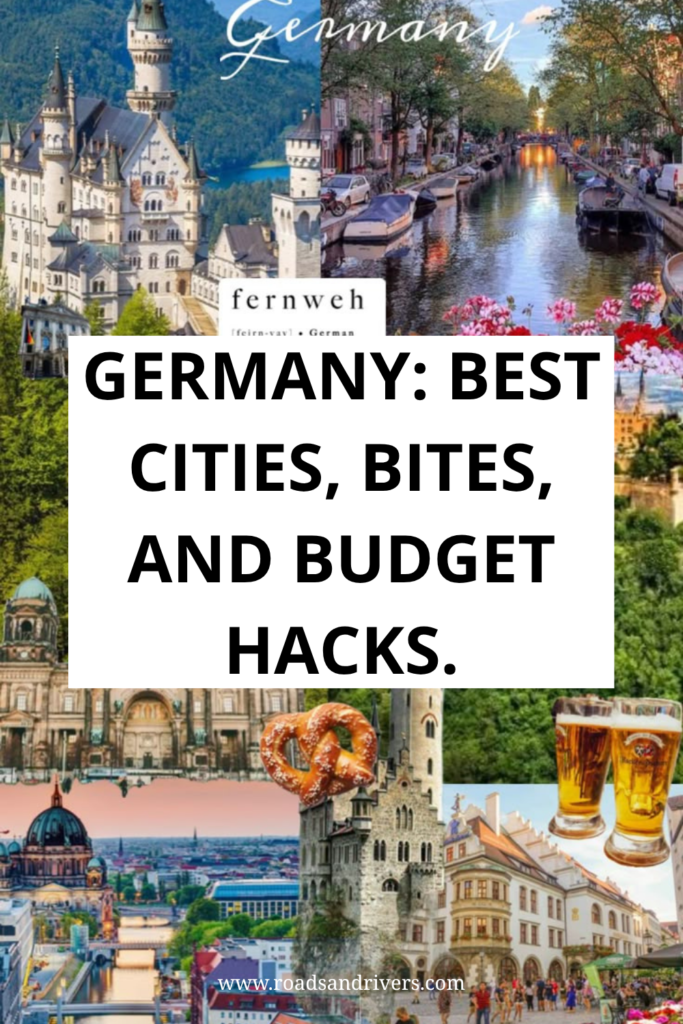
In 2026, budget travelers can expect to spend around €72 per person per day in Germany, while mid-range travelers typically spend €177 per day, and luxury travelers should budget €250 or more.
Here’s what that looks like in practice:
| Category | Budget (per day) | Mid-Range (per day) |
|---|---|---|
| Accommodation | €20–35 (hostel/budget hotel) | €70–110 (mid-range hotel) |
| Food | €15–25 (street food + market meals) | €40–60 (restaurants) |
| Transport | €5–10 (city transit) | €15–25 (trains + transit) |
| Activities | €5–10 (mostly free or low-cost) | €20–40 (museums, tours) |
| Total | ~€50–80/day | ~€150–235/day |
For a solo traveler, a one-week trip costs approximately €1,220–€1,320 on a budget, while couples can expect €1,880–€2,350 for the same duration.
The good news: Germany has an enormous amount of free content. Parks, walking architecture tours, most outdoor attractions, many memorial sites, and the general pleasure of wandering a well-built city cost exactly nothing.
Pro tip: The best budget Germany experience isn’t staying in the cheapest place — it’s spending your days like a local. Pack a lunch from the Rewe or Edeka supermarket, eat it in a park, spend the afternoon in a museum, and save the restaurant budget for one genuinely good dinner.
Read more: The Perfect 7-Day Switzerland Itinerary by Train in 2026
How to Get Around Germany Without Overspending
Germany’s public transport system is one of the country’s great underappreciated assets. Once you understand how it works, getting around becomes fast, reliable, and genuinely affordable.
The Deutschland-Ticket is your starting point for any trip longer than five days. €63 per month, unlimited regional trains and all city transit, cancellable anytime before the 10th of the month.
ICE trains cover the long distances fast. Frankfurt to Munich in under three hours. Berlin to Hamburg in under two. Book through the DB Navigator app. The earlier you book, the better the price.
Flixbus serves as a budget backup for routes where you’re flexible on time. Berlin to Prague for under €15 is not unusual.
Renting a car makes sense specifically for the Romantic Road, the Black Forest, and the Bavarian Alps — places where the experience is the drive itself, not just the destination.
Pro tip: Germany’s cities have excellent bike-sharing infrastructure. In cities like Munich, Berlin, and Freiburg, a bike is faster than public transit for many routes and costs almost nothing.
If you’re planning a broader European itinerary and want to connect Germany with neighboring countries, check out the Best Interrail Routes in Europe — the pass pays for itself quickly when you’re moving between multiple countries.
Key Takeaways
- Germany is one of Europe’s most underrated trips in 2026, offering history, food, landscapes, and value that rival more-visited neighbors
- Berlin suits budget travelers, history lovers, and nightlife seekers; Munich is the base for Bavarian culture and the Alps
- Budget €50–80/day for a genuine budget trip; €150–235/day for mid-range comfort
- The Deutschland-Ticket (€63/month) is the best transport deal in European travel right now
- Book long-distance trains early, carry cash, eat lunch at restaurants and breakfast at bakeries, and give each city at least two full days
FAQ
Is Germany expensive for tourists?
Germany sits in the middle of European destination pricing. Budget travelers can manage well on €72 per day, while mid-range travelers typically spend around €177 per day. Berlin is notably cheaper than Munich, and smaller cities like Leipzig and Freiburg are cheaper still. With smart planning — early train bookings, the Deutschland-Ticket, lunch menus at restaurants — Germany is very manageable even on a tight budget.
What is the best time to visit Germany?
May through June and September through October are the sweet spots. The best deals for German tours and accommodation are found during March–April and October–November, which offer lower prices and good weather with fewer crowds at major attractions. July and August are busy and expensive. December is worth considering specifically for Christmas markets, which run from late November through the 24th.
How many days do you need in Germany?
Ten to fourteen days lets you cover Berlin, Munich, and two or three smaller cities at a comfortable pace. A week is enough for a single-city focus or a tight two-city trip. Less than five days and you’ll feel rushed — Germany rewards slowing down.
Is Germany safe for tourists?
Germany is consistently ranked among Europe’s safest countries for tourists. Standard travel precautions apply in busy tourist areas of Berlin and Munich — watch your belongings in crowded transit stations — but serious crime targeting tourists is rare. English is widely spoken, public transportation is excellent, and safety levels are high compared to many other European destinations.
Berlin vs Munich: which should you visit first?
Berlin first, Munich second — if you’re flying into and out of the same city and can only choose one, pick Berlin. It’s cheaper, covers more historical ground, and gives you a broader introduction to modern Germany. Munich is the more polished, scenic choice and works perfectly as either a starting point or a final destination before heading home or onward into Austria.
Key Takeaways Box
- Germany is Europe’s most underrated trip right now
- Pick 3–4 cities and go deep rather than rushing through 8–9 in two weeks
- Berlin for budget and history; Munich for Bavarian culture and Alps access
- Use the Deutschland-Ticket for regional transit — it’s exceptional value
- Eat lunch at restaurants, breakfast at bakeries, and snack at markets
Have you visited Germany and found a city or dish that changed the trip for you? Tell us in the comments — we want to hear about the finds that don’t make it onto the standard itinerary.