Thailand has over 1,400 islands. You need one. Maybe two. Three if you’re ambitious. But here’s the problem: every island looks perfect in photos, and every travel blog tells you a different one is “the best.” So you end up with twelve browser tabs open, a growing sense of decision fatigue, and no closer to booking a ferry ticket.
The truth is, there’s no single best island in Thailand. There’s only the best island for you. And picking the wrong one is how people end up disappointed. The couple looking for romance who lands in the middle of Patong Beach’s neon chaos. The backpacker chasing budget vibes on expensive Koh Samui. The family with toddlers on party-heavy Koh Phi Phi.
This guide fixes that. It compares seven of the most popular Thailand islands side by side, matched to travel style, budget, and vibe, so you can stop scrolling and start packing. Whether you want full moon parties or empty beaches, diving reefs or luxury spas, there’s an island here with your name on it.
Quick-Reference Info Box
- Best time to visit: November to April (Andaman/west coast), January to August (Gulf/east coast)
- Average daily budget: $30-$50 (budget), $80-$150 (mid-range), $200+ (luxury)
- Getting between islands: Ferries and speedboats; book through 12Go Asia or local operators
- Visa: 60-day visa-free entry for 93 nationalities as of 2026
Table of Contents
- Which Thailand Island Fits Your Travel Vibe?
- 7 Thailand Islands Compared: Find Your Perfect Match
- How To Island-Hop in Thailand Without the Stress
- The Thailand Island Everyone’s Choosing in 2026
- Can You See Multiple Islands in One Trip?
- FAQ
Which Thailand Island Fits Your Travel Vibe?
Before you compare beaches and ferry schedules, answer one question: what kind of trip are you actually looking for?
If you want nightlife and parties, head to Koh Phangan (home of the Full Moon Party) or Koh Phi Phi (smaller island, big energy). If you’re after romance and luxury, Koh Samui delivers polished resorts, spa treatments, and candlelit beach dinners. For families, Phuket or Koh Lanta are the safest bets, with reliable infrastructure, calm beaches, and plenty of kid-friendly activities.
Budget backpackers do best on Koh Tao or Koh Phangan (outside Full Moon Party dates), where dorm beds, cheap food, and a social traveler scene keep costs low. Diving and snorkeling enthusiasts should make a straight line for Koh Tao, which has some of the cheapest dive certifications in the world. And if you just want peace, quiet, and empty sand, Koh Lanta or Koh Lipe will give you that feeling of having the whole beach to yourself.
The rest of this guide breaks down each island in detail. But if you already know your vibe, you already know your island.
7 Thailand Islands Compared: Find Your Perfect Match
Phuket: The All-Rounder
I landed in Phuket expecting to hate it. Everyone told me it was “too touristy.” And sure, Patong Beach lives up to that reputation. But drive 30 minutes south and you hit quiet coves, local fishing villages, and some of the best pad thai you’ll eat anywhere in Thailand. Phuket is bigger and more diverse than people give it credit for.
As Thailand’s largest island, Phuket has its own international airport, which makes it the easiest entry point for first-time visitors. The west coast has the famous beaches (Patong for nightlife, Kata and Karon for families), while the south offers quieter bays and better snorkeling. It’s also the launchpad for day trips to Koh Phi Phi, the Similan Islands, and the Koh Yao islands.
Budget travelers will find more affordable accommodation here than on Koh Samui, with hostels starting around 300-500 THB ($9-$14) per night and street food meals for 50-80 THB ($1.50-$2.30). Mid-range hotels with pools run 1,500-3,000 THB ($43-$86).
Best for: First-timers, families, people who want variety Daily budget: $40-$80 (budget), $100-$200 (mid-range)
Pro tip: Skip Patong unless nightlife is your priority. Stay in Rawai or Nai Harn in the south for a completely different (and much better) Phuket experience.

Koh Samui: Polished Luxury on the Gulf
Koh Samui is the island that does “upscale tropical” better than anywhere else in Thailand. The resorts here are world-class: think infinity pools overlooking the Gulf, private villas with personal butlers, and spa menus longer than most restaurant menus. Chaweng Beach is the lively east coast hub, while Lamai is slightly quieter with a good mix of restaurants and bars.
The island has its own airport (served by Bangkok Airways), which makes getting there quick but can also make flights expensive. If you’re on a budget, fly to Surat Thani on the mainland and take the ferry across. It takes longer but saves a lot of money.
Koh Samui is also the gateway to the Gulf island trio. From here, you can easily ferry to Koh Phangan (30-60 minutes) for the Full Moon Party or continue to Koh Tao (2 hours) for diving. That makes it a natural base if you want a mix of luxury and island-hopping.
Best for: Couples, honeymooners, luxury travelers Daily budget: $60-$100 (budget), $150-$300+ (mid-range/luxury)
Koh Phi Phi: Dramatic Cliffs and Big Energy
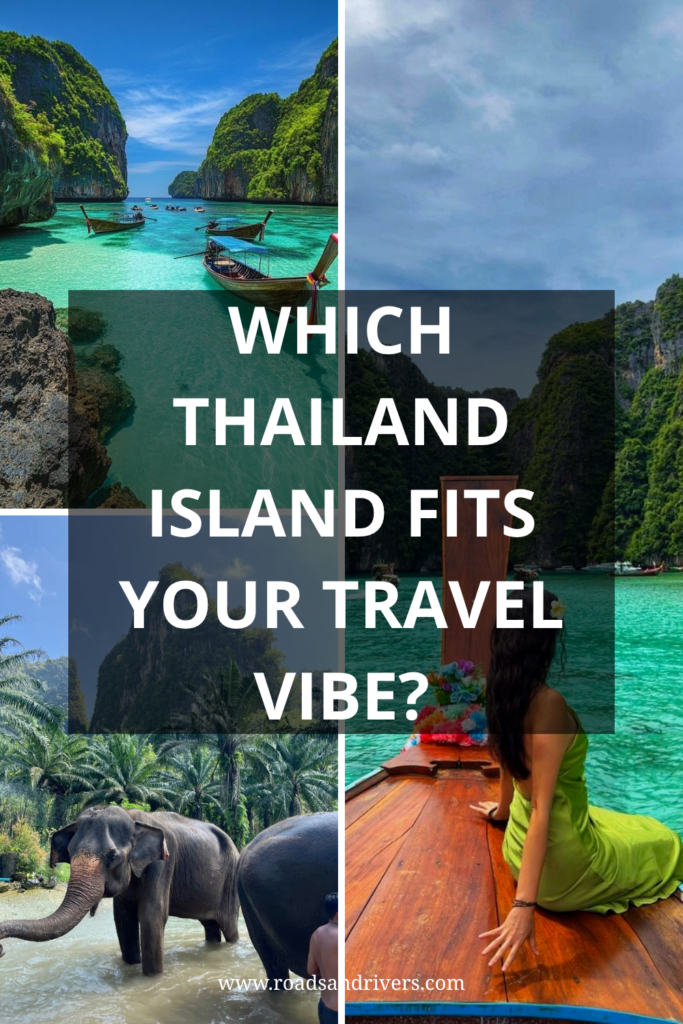
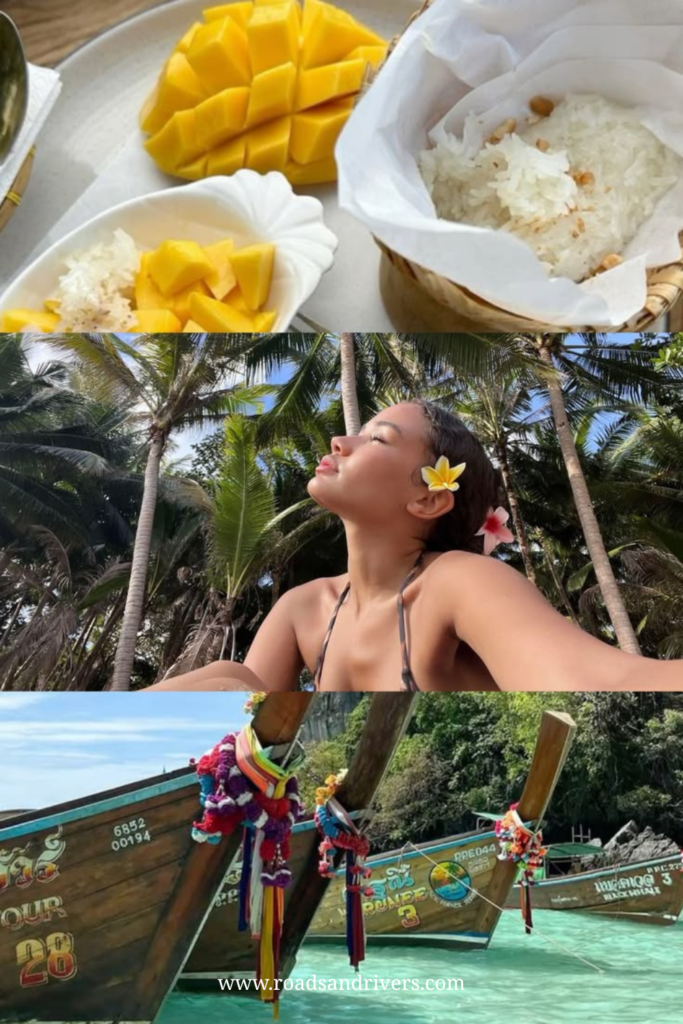
There’s a reason Koh Phi Phi is one of the most photographed places in the world. The limestone cliffs rising out of emerald water, the long-tail boats anchored in turquoise bays, Maya Bay (yes, the one from the movie) reopened under strict eco-protection rules with daily visitor caps. It’s visually extraordinary.
The main island, Koh Phi Phi Don, is car-free and small enough to walk across in 15 minutes. The center of town is a backpacker hub with hostels, bars, and dive shops packed together. The party scene is strong here, especially at bars on the beach that transition from dinner spots to dance floors after dark.
The flip side: it gets crowded, especially from December through February. If you want the Phi Phi scenery without the crowds, stay at a resort on the quieter north coast (Long Beach or Laem Tong) and take boat trips to the jaw-dropping surrounding islands during the day.
Best for: Photographers, party-goers, day-trippers from Phuket or Krabi Daily budget: $40-$70 (budget), $100-$180 (mid-range)
Pro tip: Book Maya Bay tickets in advance. Visitor numbers are capped, and slots sell out during peak season. The earlier in the morning you go, the fewer people you’ll share it with.
If you’re planning a bigger Southeast Asia trip, our guide to backpacking Asia on a budget covers how to connect Thailand’s islands with other countries in the region.
Koh Lanta: The Quiet One You’ll Fall in Love With
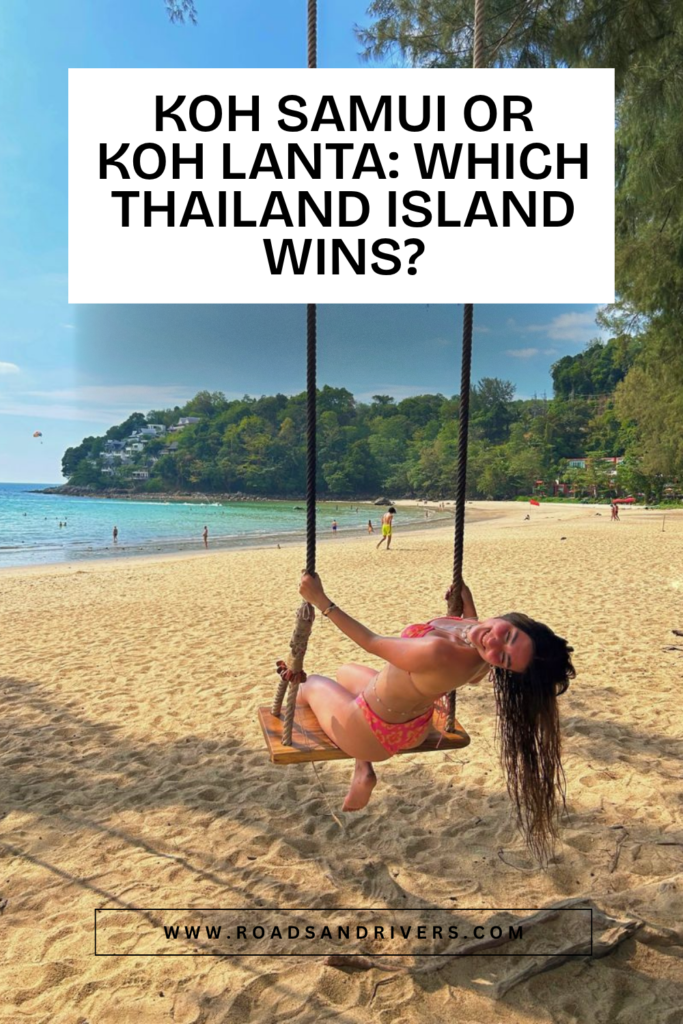
Every Thailand trip needs a Koh Lanta day. Or three. This long, skinny island south of Krabi is the antidote to everything loud, crowded, and over-touristed about Thailand’s more famous islands. Wide sandy beaches stretch for kilometers with barely another person in sight. Beach bars serve cold beers at sunset without thumping bass. The pace here is slow, and that’s the entire point.
Koh Lanta is popular with families, digital nomads, and anyone who’s done the party scene and wants something calmer. The Old Town on the east coast is a charming strip of wooden shophouses, art galleries, and waterfront restaurants. The west coast beaches get progressively quieter as you drive south, with Kantiang Bay and Bamboo Beach among the most peaceful stretches of sand in the country.
Accommodation is affordable too. Family-run bungalows go for 500-1,000 THB ($14-$29) per night, and a full Thai meal at a beachside restaurant costs 100-200 THB ($3-$6).
Best for: Families, couples, digital nomads, anyone who wants peace Daily budget: $30-$50 (budget), $70-$120 (mid-range)
Read more: Thailand’s cultural side is just as rewarding as its beaches. Don’t miss our guide to experiencing Thai lantern and water festivals if your trip overlaps with Loi Krathong or Yi Peng.
Koh Phangan: More Than Just the Full Moon Party
Koh Phangan gets reduced to one thing in most travel guides: the Full Moon Party. And yes, the monthly beach rave on Haad Rin is a bucket-list event. Around 20,000 people show up every month to dance on the sand from 9 PM to sunrise, surrounded by fire dancers, neon paint, and bass-heavy sound systems. Entry costs 200 THB ($6) at the gate. No advance tickets needed.
But here’s what most guides miss: the rest of Koh Phangan is nothing like Haad Rin. The north and west coasts are quiet, lush, and home to yoga retreats, wellness centers, and secluded beaches reachable only by boat or dirt road. Bottle Beach on the north coast is one of the most beautiful beaches in all of Thailand, and you’d never guess it’s on the same island as the Full Moon Party.
Outside of party week, Koh Phangan is actually one of the most budget-friendly islands in the Gulf. Bungalows start at 400-800 THB ($11-$23) per night, and the local food scene is cheap and good.
Best for: Party-goers (Haad Rin), wellness seekers (north/west coast), budget travelers Daily budget: $25-$50 (budget), $60-$120 (mid-range)
Pro tip: If you’re going for the Full Moon Party, arrive at least 2 days early. Ferries, accommodation, and ATMs all get strained around party night. Wear closed shoes (broken glass on the beach) and leave valuables at your hotel.
Koh Tao: The Diver’s Island
Koh Tao is tiny, friendly, and home to some of the cheapest scuba diving certifications on earth. A PADI Open Water course here runs about 9,000-10,000 THB ($260-$290), which includes all equipment, instruction, and multiple open-water dives. The same certification costs twice that in most other countries.
Even if you’re not a diver, the snorkeling is fantastic. Shark Bay lives up to its name (harmless blacktip reef sharks), and the coral gardens at Japanese Garden and Hin Wong Bay are vibrant and accessible from shore. The island itself is walkable and social, with a backpacker scene that’s more chill than party-focused.
Koh Tao is connected to Koh Phangan (1.5-2 hours by ferry) and Koh Samui (2-3 hours), making it an easy addition to a Gulf island-hopping route.
Best for: Divers, snorkelers, backpackers, solo travelers Daily budget: $25-$45 (budget), $60-$100 (mid-range)
Koh Lipe: Thailand’s Maldives
If you want the clearest water and whitest sand in Thailand, Koh Lipe is where you go. This small island sits in the Tarutao National Marine Park near the Malaysian border, and the water here is genuinely Maldives-level turquoise. Sunrise Beach, Pattaya Beach, and Sunset Beach are all walkable from each other, and the snorkeling right off the shore rivals anything you’d find on a paid boat trip elsewhere.
Koh Lipe is more remote than the other islands on this list. There’s no airport. You reach it by speedboat from Pak Bara on the mainland (about 1.5 hours) or by ferry from Langkawi, Malaysia. That remoteness keeps the crowds smaller and the vibe more exclusive.
Best for: Beach purists, snorkelers, couples, photographers Daily budget: $40-$60 (budget), $80-$150 (mid-range)
How To Island-Hop in Thailand Without the Stress
The first thing to understand about Thailand’s islands is that they sit on two different coasts, and mixing them in one trip adds significant travel time.
The Andaman coast (west side) includes Phuket, Koh Phi Phi, Koh Lanta, and Koh Lipe. Ferries run daily between these islands during high season (November through April), and a popular route is Phuket to Phi Phi to Lanta to Lipe. You can book the entire chain through 12Go Asia or directly at pier offices.
The Gulf coast (east side) includes Koh Samui, Koh Phangan, and Koh Tao. These three are close together, with frequent ferries connecting them daily. The classic backpacker route is Samui to Phangan to Tao, or the reverse.
Jumping between the two coasts (say, Phuket to Koh Samui) requires either a flight or a long overland transfer through the mainland. It’s doable but eats a full travel day. If you only have 10-14 days, pick one coast and explore it properly rather than rushing between both.
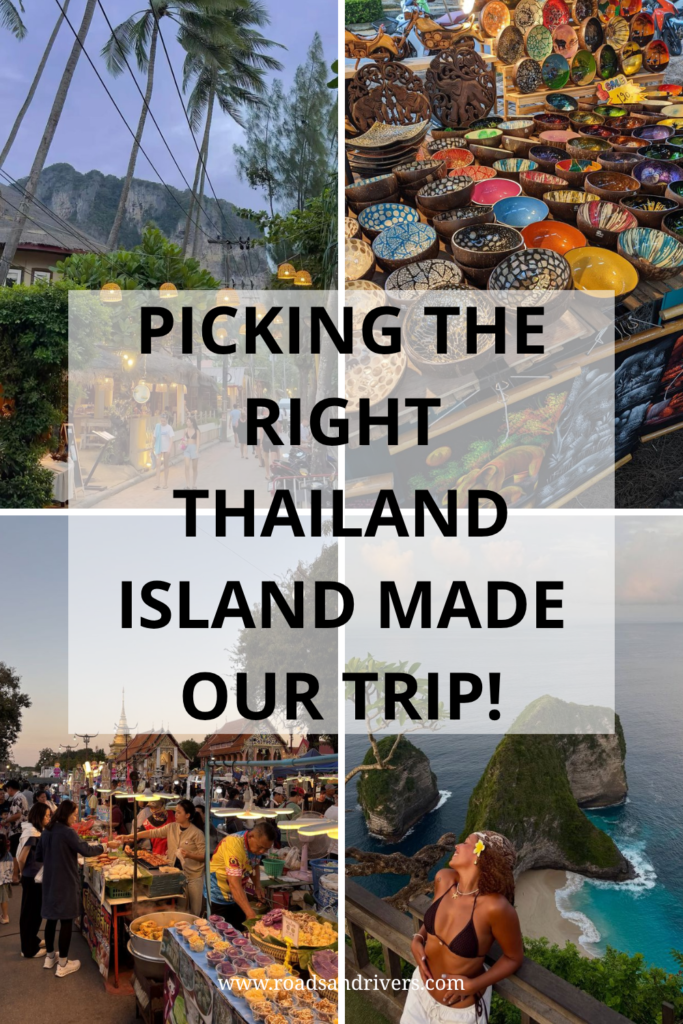
Pro tip: Book ferry tickets at least a few days in advance during December through February. Popular routes sell out, and showing up at the pier without a ticket during peak season is a gamble you don’t want to take.
If you’re comparing Thailand’s islands with other tropical destinations, backpacking the Philippines on $25 a day is a great reference point for a different island-hopping style.
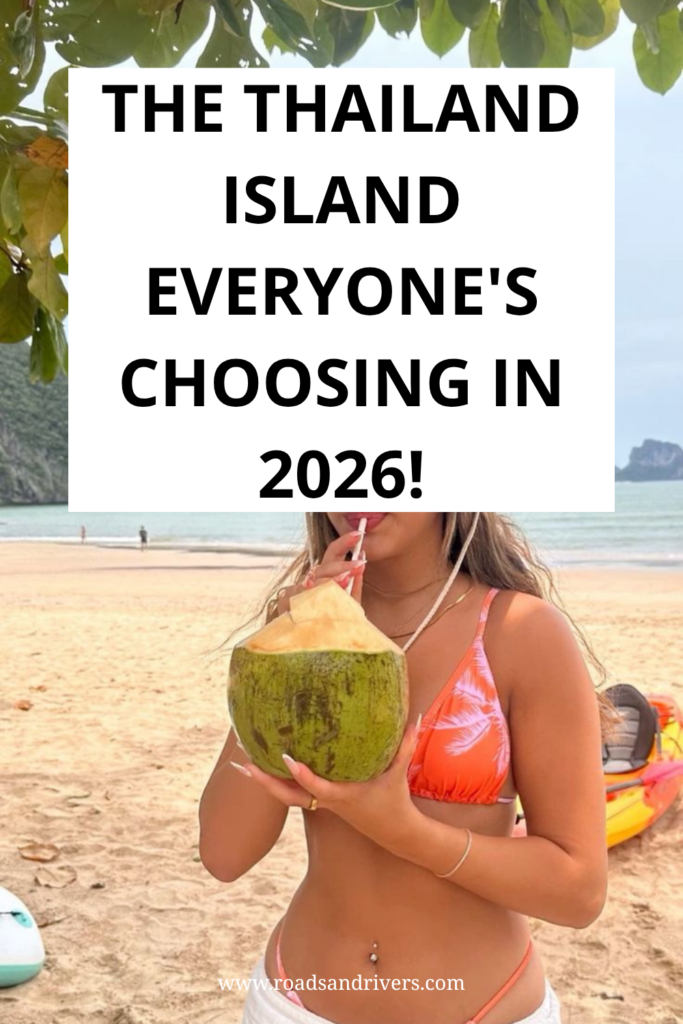
The Thailand Island Everyone’s Choosing in 2026
The trend in 2026 is clear: travelers are moving away from the biggest, most developed islands and toward quieter, more sustainable alternatives.
Koh Lanta has seen a steady rise in popularity over the past two years, driven by remote workers, young families, and travelers who’ve already done Phuket and Koh Samui and want something with more character. Its combination of affordable prices, empty beaches, and genuine Thai culture (especially in Old Town) makes it the island that people keep recommending to friends.
Koh Lipe is having a similar moment. The Maldives-quality water at a fraction of the Maldives price is a draw that’s hard to argue with. And the fact that you can’t fly there directly keeps the visitor numbers naturally lower.
On the eco-tourism front, Thailand has implemented stricter visitor caps at popular sites like Maya Bay and the Similan Islands. This is good news for travelers who time their visits right: smaller crowds and healthier marine ecosystems. National park fees have been reinvested into conservation, and plastic reduction programs are in effect across most islands.
The Full Moon Party on Koh Phangan remains as popular as ever, drawing 20,000-40,000 people monthly. But more travelers are also staying to explore the quieter side of the island afterward, turning what used to be a one-night stop into a multi-day stay.
Read more: If you’re building a tropical trip beyond Thailand, check out how to plan the perfect trip to Bali on a budget for the other big Southeast Asia island destination. And if you need help figuring out what to pack, our Bali packing list covers tropical essentials that work for Thailand too.
Can You See Multiple Islands in One Trip?
Yes, and it’s one of the best things about Thailand. Island-hopping here is easier and cheaper than almost anywhere else in the world.
Andaman route (10-14 days): Fly into Phuket. Spend 2-3 days exploring the island and nearby day trips. Ferry to Koh Phi Phi for 2 days of dramatic scenery and snorkeling. Continue to Koh Lanta for 3-4 days of relaxation. If you have time, push south to Koh Lipe for 2-3 days of pristine beaches. Fly out from Trang or Hat Yai on the mainland.
Gulf route (7-10 days): Fly into Koh Samui (or ferry from Surat Thani). Spend 2-3 days enjoying the resorts and food scene. Ferry to Koh Phangan for the Full Moon Party or wellness retreats (2-3 days). Continue to Koh Tao for diving and snorkeling (2-3 days). Return to Samui or fly out from Surat Thani.
Budget for island-hopping: Ferry tickets between islands typically cost 300-800 THB ($9-$23) per leg. Speedboats are faster but pricier at 600-1,500 THB ($17-$43). A full Andaman route (Phuket to Lipe) costs roughly 2,000-3,000 THB ($57-$86) in ferry tickets total.
Pro tip: Travel light. Many ferries and speedboats have limited luggage space, and dragging a heavy suitcase across a beach pier in 35-degree heat is nobody’s idea of fun. A backpack or soft duffel bag makes island-hopping significantly easier.
Key Takeaways
- Pick your island by travel style, not by Instagram. Nightlife lovers go to Koh Phangan or Phi Phi. Romance seekers choose Koh Samui. Peace seekers head to Koh Lanta or Koh Lipe. Divers belong on Koh Tao.
- Stick to one coast per trip (Andaman or Gulf) unless you have three weeks or more.
- November to April is peak season for the Andaman coast; January to August for the Gulf coast.
- Koh Lanta is the 2026 trending pick for travelers who want Thai island vibes without the crowds.
- Budget travelers can island-hop for $30-$50 per day including accommodation, food, and transport.
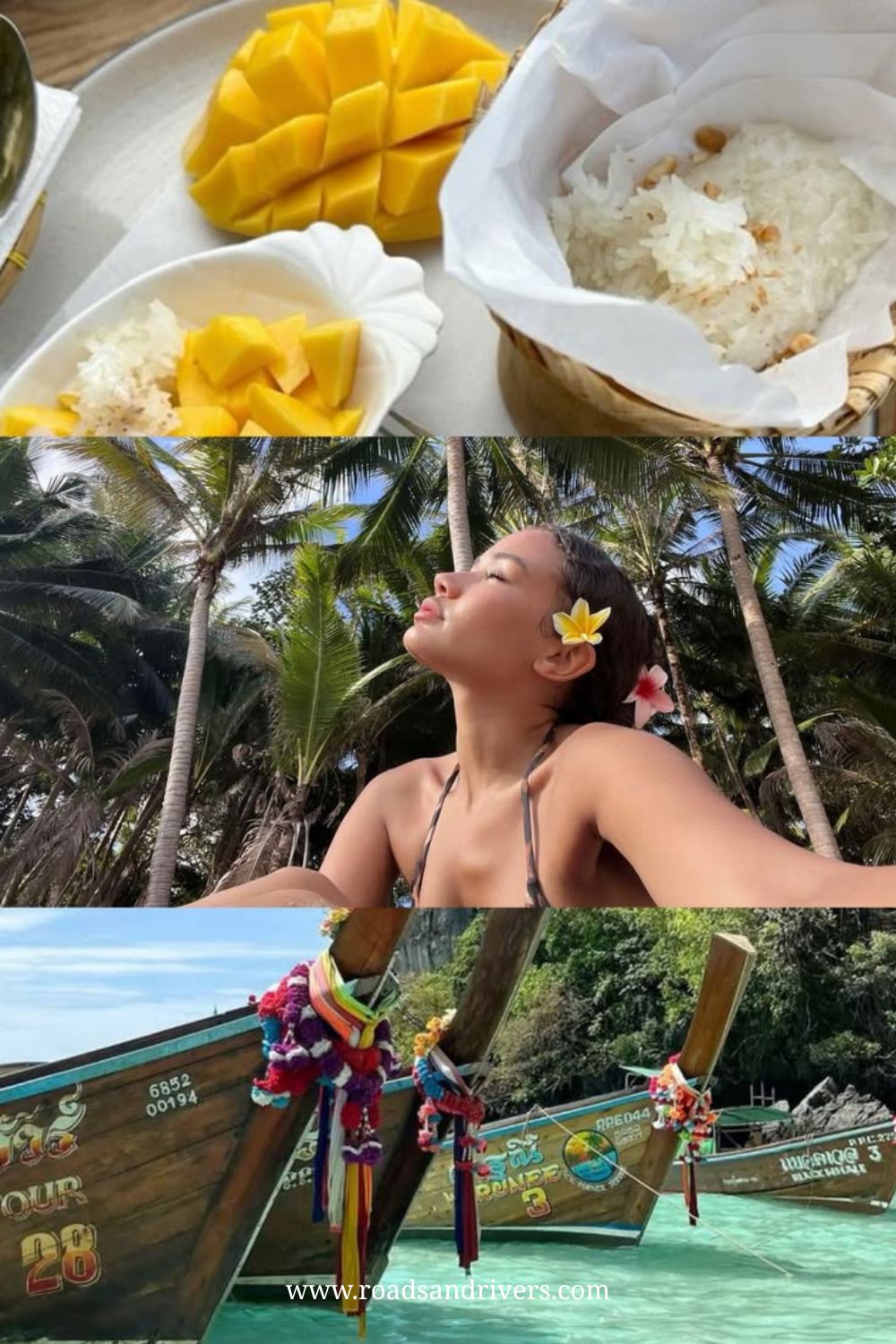
Thailand’s islands are the kind of places that ruin you for other beaches. Once you’ve swum in water that clear, eaten mango sticky rice that fresh, and watched a sunset that orange from the back of a long-tail boat, everything else feels like a compromise.
The only real mistake is picking the wrong island for your mood. Don’t go to the party island when you want silence. Don’t go to the luxury island when you want budget. And don’t spend so long comparing that you forget to actually book the trip.
Pick your vibe. Pick your island. And go.
Which Thailand island is calling your name? Share your pick (or your indecision) in the comments.
FAQ
What is the best island in Thailand for first-time visitors?
Phuket is the safest choice for first-timers. It has its own international airport, the widest range of accommodation (from hostels to five-star resorts), and easy access to day trips to other islands like Koh Phi Phi and the Similan Islands. The south end of the island offers a much quieter, more authentic experience than the busy Patong Beach area.
Which Thai island is cheapest?
Koh Lanta, Koh Tao, and Koh Phangan (outside of Full Moon Party dates) are the most budget-friendly islands. Budget travelers can comfortably spend $25-$40 per day on these islands, covering basic accommodation, local food, and activities. Koh Tao is especially good value if you’re diving, since certification courses here cost about half what they do elsewhere.
What is the best time to visit Thailand’s islands?
It depends on the coast. For the Andaman Sea islands (Phuket, Phi Phi, Lanta, Lipe), the dry season runs November through April. For the Gulf of Thailand islands (Samui, Phangan, Tao), the best weather is January through August. Visiting during shoulder months (October or May) often means lower prices and fewer crowds, with only occasional rain.
Can I island-hop in Thailand easily?
Yes. Thailand has one of the best-connected island ferry networks in Southeast Asia. Ferries and speedboats run daily between major islands, especially during high season. Book tickets through 12Go Asia or at pier offices. Stick to one coast (Andaman or Gulf) per trip for the smoothest experience, as crossing between coasts requires flights or long overland transfers.
Is Koh Phi Phi still worth visiting?
Absolutely, with some caveats. The scenery is genuinely world-class, and Maya Bay (reopened under eco-protection rules with visitor caps) is more pristine than it’s been in years. The main town area is crowded and party-focused, so stay on the quieter north coast if you want the beauty without the noise. Visit during shoulder season (March-April or November) for the best balance of good weather and manageable crowds.