


You’ve seen the photos. The van parked on a cliff overlooking the ocean. Golden hour light pouring through the back doors. A perfectly styled bed with a coffee mug resting on a cozy blanket. Van life looks like a dream, and honestly? Part of it is. But the version of van life that floods your social media feed is about 10% of the actual experience. The other 90% involves figuring out where to park at midnight, rationing water, and Googling “free showers near me” more times than you’d care to admit. None of that makes it into the highlight reel.
This isn’t a post to talk you out of van life. It’s the opposite. If you’re serious about living in a van, you deserve the full picture, not just the filtered one. Here are 10 unfiltered truths about van life that most people won’t share, so you can decide for yourself whether the open road is calling your name.
Table of Contents
- What Does Van Life Actually Look Like Day to Day?
- Van Life Taught Me More Than Any Trip
- 5 Van Life Myths That Set You Up to Fail
- Are You Romanticizing Van Life? Read This First
- Van Life Is Still the Dream. Here’s the Real Version
- Can Van Life Actually Save You Money?
- The Honest Guide to Van Life Nobody Wrote
- Key Takeaways
- FAQ
Average monthly cost: $800 to $2,000+ (depending on lifestyle and location)
Best for: Solo travelers, couples, remote workers, adventure seekers
Biggest challenge: Daily logistics: parking, water, hygiene, internet
Worth it? Yes, if you go in with realistic expectations and a flexible mindset
What Does Van Life Actually Look Like Day to Day?
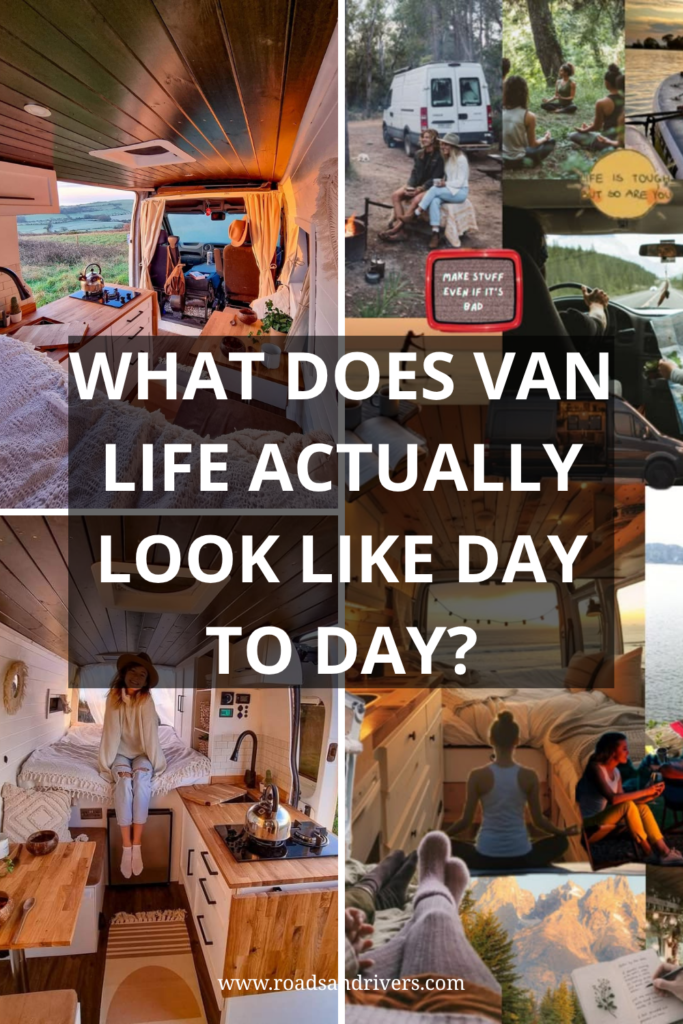
Picture this: you wake up in a parking lot behind a grocery store. It’s 6:45 AM. Someone’s car alarm is going off two rows over, and you need to find a bathroom. That’s van life on a Tuesday.
The Instagram version skips straight to the sunset. The reality is that most of your day revolves around logistics. Where will you fill up your water tank? Is there a gym nearby where you can shower? Where’s the closest spot with reliable Wi-Fi so you can actually get some work done?
The Constant Shuffle of Parking, Water, and Wi-Fi
Every day in a van involves a series of small decisions that people in houses never think about. You’re constantly scouting for the next place to park overnight, checking apps for free campsites, and doing mental math on how many gallons of water you have left. Some days, the logistics eat up more time than the actual “adventure” part.
Pro tip: Apps like iOverlander and Park4Night are lifesavers. Download them before you hit the road and save spots offline for areas with patchy cell service.
Your “Home” Moves, and So Does Your Routine
There is very little about living in a van that is routine. You often have a different schedule every day, you’re sleeping in different places, and you don’t have access to the same grocery store or coffee shop. Building small daily habits, like making your bed first thing or always brewing coffee before checking your phone, creates a sense of normalcy when everything else is constantly shifting.
If you love cooking on the road, you’ll want to get creative with limited space and ingredients. Check out our guide on the best camping dinner ideas trending right now for meal inspiration that works just as well in a van kitchen.
Van Life Taught Me More Than Any Trip

Most people expect van life to teach them about travel. It does. But the bigger lessons have nothing to do with geography.
Why Living Small Forces You to Think Big
When your entire world fits inside 70 square feet, you start questioning everything you own. Do you need four pairs of shoes? Probably not. That kitchen gadget you thought was a must-have? It’s taking up space you could use for a water jug. Van life strips away the excess and forces you to figure out what actually matters to you.
This kind of forced minimalism spills over into bigger decisions, too. You start asking better questions about how you spend your time, your money, and your energy. Many people who’ve lived in a van for even a few months say it completely rewired how they think about what they need versus what they want.
The Unexpected Personal Growth
Living on the road teaches you to problem-solve on the fly. Your van breaks down in the middle of nowhere? You figure it out. The campsite you planned on is full? You adapt. The weather wrecks your plans for the week? You reroute.
Pro tip: Keep a small emergency fund of at least $1,000 set aside specifically for van repairs. Breakdowns don’t follow a schedule, and towing fees add up fast.
This kind of adaptability builds a quiet confidence that’s hard to get from any other type of travel. If you’ve been thinking about getting out of your comfort zone, our backpacking Europe for beginners guide covers a similar mindset shift.
5 Van Life Myths That Set You Up to Fail
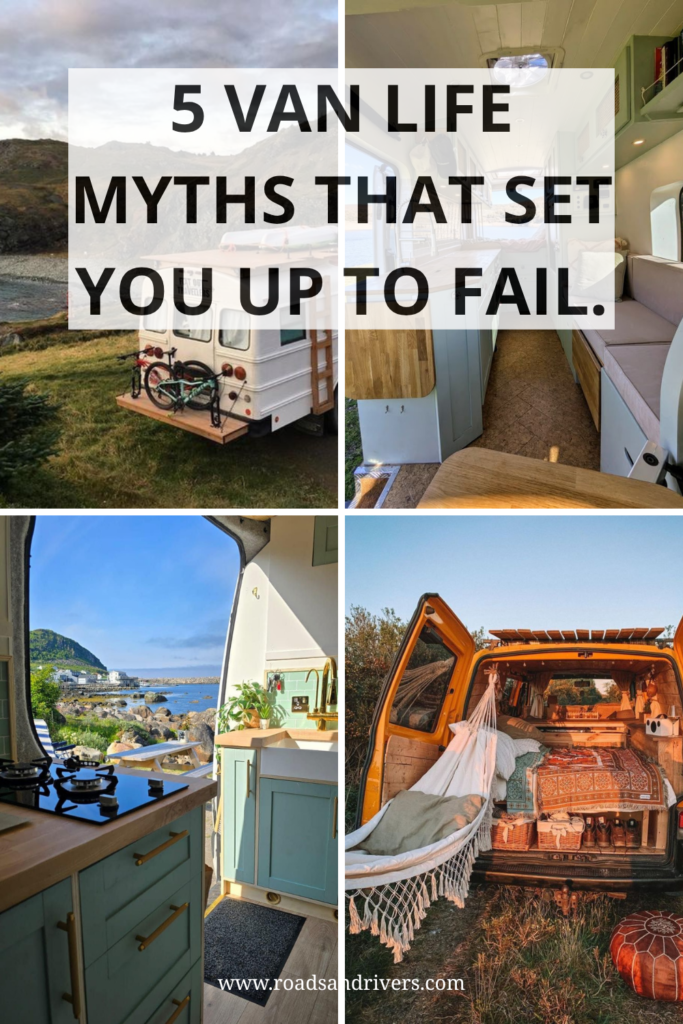
There’s a lot of misinformation floating around about what van life is really like. Here are the biggest myths that can wreck your experience if you believe them.
Myth #1: Van Life Is Cheap
This is the most common misconception. Yes, you can cut your rent to zero. But fuel costs, vehicle insurance, maintenance, campground fees, and surprise repairs add up quickly. Most full-time van lifers spend between $800 and $2,000 per month, and that’s before any big mechanical issues pop up. A used camper van alone can cost anywhere from $10,000 to $40,000 before you even turn the key.
The upfront cost of the van and the build-out is a major investment. DIY conversions start around $5,000 to $6,000, while professional builds can run from $20,000 to well over $80,000. Factor in the ongoing costs of gas, food, insurance, and connectivity, and “cheap” isn’t really the right word.
Myth #2: Every Night Is a Scenic Campsite
Some nights you’ll park with a view of the mountains. Other nights you’ll be in a Walmart parking lot listening to shopping carts rattle past your window. The reality is that a large portion of your overnights will be on city streets, in parking lots, or at basic rest stops. Finding those dreamy, off-grid spots takes effort, planning, and sometimes a fair bit of driving down dusty roads.
Pro tip: Public lands managed by agencies like the Bureau of Land Management (BLM) and the National Forest Service offer free dispersed camping. These are your best bet for those scenic, peaceful nights.
Myth #3: You’ll Be Free From All Responsibilities
Van life is still real life. You still have to manage your finances, file taxes, deal with health insurance, handle vehicle registration, and maintain your van. The responsibilities don’t disappear; they just change shape. You’re trading a landlord for a mechanic, a utility bill for a gas station, and a desk for a folding table that doubles as your kitchen counter.
Read more: If you’re planning to pack for life on the road, don’t miss our list of 15 surprising camping essentials you need to make your setup way more comfortable.
Are You Romanticizing Van Life? Read This First

Social media has done an incredible job of making van life look like a permanent vacation. And that’s exactly the problem.
The Social Media Filter Problem
Here’s the thing nobody talks about: that gorgeous photo of the van parked on a cliff took 45 minutes to set up, and the person who took it probably drove three hours to find that spot. Filters, careful angles, and selective editing create a version of van life that doesn’t exist for the other 23 hours of the day.
The trees probably aren’t that green. The lake probably isn’t that blue. The world is beautiful, but real van life includes a lot of unglamorous moments between the pretty ones. Your clothes will get dirty. Your van will smell weird sometimes. You’ll eat cold canned soup for dinner more often than you’d like to admit.
What the Highlight Reel Leaves Out
Loneliness is one of the biggest challenges that van lifers rarely discuss publicly. Some days, the solitude feels peaceful. Other days, it’s isolating. You might go days without a real conversation with someone other than a gas station attendant. The van life community can be incredibly supportive, but building those connections takes effort and intention.
Relationship strain is another one. If you’re traveling as a couple in a van, you’re spending 24 hours a day together in a space smaller than most bathrooms. That level of closeness tests even the strongest partnerships. Communication becomes non-negotiable, and personal space becomes something you actively have to create.
Van Life Is Still the Dream. Here’s the Real Version

After all those hard truths, here’s the one that matters most: van life is still worth it for the right person.
The Honest Highs: Freedom, Simplicity, and Sunsets for Real
Waking up and deciding on a whim to chase better weather or check out a town you’ve never heard of? That freedom is real, and it never gets old. There’s something deeply satisfying about carrying everything you need on four wheels and knowing that wherever you park, you’re home.
The simplicity of van life rewires your brain in a good way. You stop caring about accumulating stuff and start caring about accumulating experiences. Morning coffee tastes better when you’re parked next to a river. A simple meal cooked on a camp stove feels like a feast when the view is right.
If van life sparks your love for European road trips, our guide on the best Interrail routes in Europe maps out 10 itineraries that pair perfectly with a nomadic mindset.
Why People Stay Despite the Hard Parts
Ask any long-term van lifer why they keep doing it, and the answer almost always comes back to one thing: the lifestyle teaches you who you are. It removes the distractions and puts you face to face with your own priorities. The hard parts, the breakdowns, the bad parking nights, the loneliness, those become part of the story. And most people who’ve lived it will tell you the rewards far outweigh the struggles.
Pro tip: Join van life communities on Reddit, Facebook groups, or apps like Vanly before you hit the road. Having a network of people who get it makes the tough days a lot easier.
Can Van Life Actually Save You Money?

This is one of the most Googled questions about van life, and the honest answer is: it depends entirely on how you do it.
A Real Monthly Budget Breakdown
Here’s what a realistic monthly budget looks like for a full-time van lifer in 2026:
- Fuel: $200 to $600, depending on how much you drive and your van’s fuel economy
- Food: $250 to $1,000 (cooking in the van vs. eating out makes a huge difference)
- Vehicle insurance: $80 to $250
- Health insurance: $100 to $750 per person
- Camping fees: $0 to $900 (free dispersed camping vs. RV parks)
- Phone and internet: $20 to $135
- Maintenance and repairs: $40 to $100 monthly, plus an emergency fund
- Recreation and activities: $200 to $500
Total range: roughly $900 to $3,800+ per month. Solo travelers tend to land on the lower end, while couples and families spend more.
Hidden Costs Nobody Warns You About
The surprise expenses are what catch most people off guard. A set of new brakes can run $300 to $500 for a standard van. A blown tire on a remote highway means a tow and a replacement, and that’s easily $400 or more. Then there are the smaller things: laundry at coin-operated machines, parking tickets from overnight spots where you weren’t supposed to be, and replacing gear that wears out faster than expected.
Can van life be cheaper than renting an apartment in a major city? Absolutely. But don’t go in expecting to live for free. A properly balanced budget and an emergency fund are what separate people who thrive on the road from people who burn out in three months.
The Honest Guide to Van Life Nobody Wrote
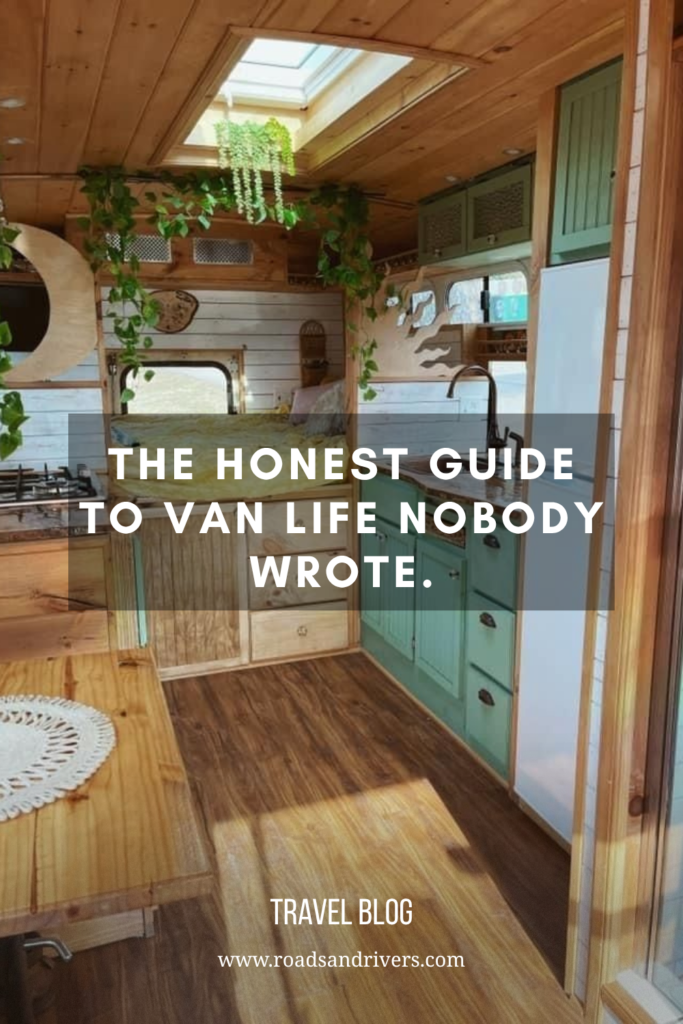
If you’ve read this far and you’re still interested, here’s what you actually need to know to get started.
What You Actually Need to Know Before Buying a Van
The van you buy matters more than most people realize. Popular platforms include the Mercedes Sprinter, Ford Transit, and Ram ProMaster, but each has trade-offs. Sprinters hold their value and have great ceiling height, but repairs cost a premium. Transits are more affordable to maintain but have a slightly different layout. ProMasters offer the widest interior but can feel less stable in crosswinds.
Think about what matters to you: ceiling height for standing, fuel economy for long drives, or ease of maintenance for DIY repairs. Used vans with 50,000 to 80,000 miles tend to offer the best balance of price and remaining lifespan. Always get a pre-purchase inspection from a mechanic who knows commercial vehicles.
Before you start planning your build or picking your first route, read our complete guide on how to plan an outdoor trip from gear to route to safety. The planning principles apply whether you’re backpacking through a national park or living full-time on wheels.
How to Decide If Van Life Is Right for You
Van life isn’t for everyone, and that’s fine. Ask yourself a few honest questions. Can you handle uncertainty? Are you comfortable with limited personal space? Can you go a few days without a proper shower and not lose your mind? Do you have a way to earn income on the road?
If you answered yes to most of those, you’re probably a good candidate. If any of them made you pause, consider starting with a shorter trial run. Rent a camper van for two weeks and live in it full-time. Don’t treat it like a vacation. Treat it like your life. That trial will tell you more than any blog post ever could.
Read more: Already dreaming about your first big trip? Our guide to backpacking Europe covers the budget-friendly mindset you’ll need for life on the road.
Key Takeaways

- Van life is not a permanent vacation. It’s real life on wheels, with all the logistics, responsibilities, and unglamorous moments that come with it.
- The costs are real. Budget $900 to $3,800+ per month and always keep an emergency fund for surprise repairs.
- Social media shows maybe 10% of the experience. Go in expecting the other 90%, and you’ll be happier for it.
- The personal growth is the biggest reward. Living small, solving problems on the fly, and stripping life down to the basics teaches you things no traditional trip ever will.
- Try before you commit. Rent a van for two weeks and treat it like real life, not a holiday. That’s the truest test.
Van life will challenge you in ways you don’t expect. It will also reward you in ways you can’t imagine until you’ve lived it. The people who stick with it aren’t the ones who had the smoothest ride. They’re the ones who went in with open eyes, a flexible plan, and the willingness to laugh when things went sideways.
If the road is calling, answer it. Just pack realistic expectations alongside your camping gear, and you’ll be ahead of 90% of first-timers. And when you’re out there, remember: the best nights aren’t always the ones with the view. Sometimes they’re the ones where everything went wrong and you figured it out anyway.
Got your own van life stories or questions? Drop them in the comments. We’d love to hear what the road has taught you.
FAQ
Is van life really cheaper than renting an apartment?
It can be, but it’s not guaranteed. If you camp for free on public lands, cook your own meals, and keep your travel slow, your monthly costs can dip well below what you’d pay for rent in a major city. But factor in fuel, insurance, maintenance, and surprise repairs, and the savings aren’t as dramatic as some people claim. The sweet spot for most van lifers falls between $800 and $2,000 per month.
How do van lifers shower and use the bathroom?
Most van lifers use a combination of gym memberships (Planet Fitness is popular for its nationwide access), campground showers, and the occasional “bird bath” with a sponge and a water jug. For bathrooms, options range from public restrooms and trailhead facilities to portable toilets and composting toilet systems inside the van. It’s not glamorous, but you develop a system that works.
Can you work remotely while living in a van?
Yes, and the rise of remote work has been a major driver of the van life movement. Many van lifers rely on mobile hotspots, campground Wi-Fi, co-working spaces, and satellite internet systems like Starlink for connectivity. The biggest challenge is finding consistent, reliable internet in remote areas, which is why many people alternate between off-grid spots and towns with solid coverage.
Is van life safe for solo travelers?
Generally, yes, with common-sense precautions. Park in well-lit areas or established campgrounds, trust your instincts about a spot, and stay connected with friends or family about your general location. Many solo van lifers, especially women, report feeling safe on the road by using safety apps, door locks, and window covers, and by connecting with the larger van life community for advice on safe parking spots.
What is the biggest downside of van life?
Loneliness and logistical fatigue are the two most commonly cited downsides. The constant need to figure out basics like where to sleep, where to get water, and where to find Wi-Fi wears on people over time. And while solitude can be peaceful, extended periods without deep social connection take a toll. Having a routine, a community, and a willingness to ask for help makes a big difference.