The difference between a miserable camping trip and an absolutely perfect one usually comes down to a handful of thoughtful choices, not a massive budget or expert-level knowledge. Over the years, I’ve watched first-time campers either rock their trips or struggle through them, and the gap almost always comes down to which camping essentials they packed.
Here’s what I’ve learned: some of the most important camping items cost under five dollars. Others are completely overlooked until you’re shivering at 2 a.m. or watching bugs swarm your campsite. And then there are the game-changers nobody talks about until they’ve lived without them.
This guide covers all three categories. Whether you’re a complete beginner, a budget-conscious camper, or someone who’s been camping but always feels like something’s missing, you’ll find the 15 essentials that actually make a difference. No fluff. No fancy gadgets you don’t need. Just the real stuff that prevents disasters, keeps you comfortable, and makes your next trip truly enjoyable.
The Non-Negotiables: Safety & Comfort Essentials
First-Aid Kit (The One Item Nobody Packs Until They Need It)
You’re probably not planning to get hurt camping. That’s exactly why you need a first-aid kit.
A good one doesn’t have to be expensive or complicated. Stock it with bandages, antiseptic wipes, pain relievers, antihistamines, and tweezers. Tweezers especially matter if you’re in tick country. Keep it in a waterproof container and store it somewhere accessible, not buried at the bottom of your car.
Here’s the thing about first-aid supplies: most dollar stores carry exactly what you need for under fifteen dollars total. You’re not buying anything fancy. You’re buying peace of mind.
Quality Sleeping Pad (Why It’s Worth the Investment)
If there’s one piece of gear worth splurging on, it’s your sleeping pad.
A cheap pad means a cold, uncomfortable night. A quality one means actual sleep. This is non-negotiable because bad sleep ruins everything else about your trip. You’ll be grumpy. You’ll be tired. The kids will sense it. The magic disappears.
Look for self-inflating or ultralight options that balance comfort with packability. Your body will thank you, and you’ll actually want to go camping again.
Proper Lighting (Headlamps, Lanterns, and Why You Need Both)
One light source is not enough. Ever tried to find your way to the bathroom in the dark? Ever searched for something in your tent with just a flashlight? It gets old fast.
Bring a headlamp for hands-free lighting when you’re moving around camp. Bring a lantern for ambient light at your campsite table or tent entrance. Many people skip this and regret it by sunset.
The good news: you don’t need expensive options. A basic LED headlamp and a solar lantern do the job just fine.
The Hidden Gems: 7 Overlooked Essentials Everyone Forgets
Camping Clothesline (The Game-Changer Nobody Talks About)
This might sound simple, but a clothesline changed my camping experience.
You’ll have wet towels, damp clothes, and items that need to dry. A clothesline strung between two trees solves this instantly. It keeps your gear organized, prevents dampness from creeping into everything, and actually makes your campsite look more put-together.
String up some twine and add clothespins. That’s it. Cost: under ten dollars. Impact: huge.
Mesh Laundry Bags (Organization That Actually Works)
Mesh bags serve multiple purposes at camp, which makes them absolutely worth bringing.
Use them to store dirty laundry separately so it airs out. Hang them to dry clean dishes after washing. Keep them for sorting gear or food items. They’re lightweight, fold down to nothing, and solve real camping problems.
Get a few different sizes. You’ll use them.
Multi-Purpose Tarp (Wind Protection, Rain Cover, Ground Blanket)
A quality tarp is one of the most versatile items you can own.
Use it as a ground barrier under your tent to protect against moisture. Lay it out as a dry blanket for picnics or sitting areas. String it up as a wind or sun shield. If unexpected rain hits, it becomes your emergency shelter for gear.
Many campers forget this and end up wishing they had it.
Glow Sticks (Safety Meets Fun for Families)
If you’re camping with kids, glow sticks are brilliant.
They serve a safety purpose: kids wear them so you always know where they are after dark. But they’re also fun, which means kids actually want to keep track of themselves.
Dollar stores sell them for pocket change. Grab more than you think you’ll need.
Portable Spice Kit (Elevate Your Campfire Cooking)
Campfire food gets boring fast when everything tastes the same.
Instead of bringing your entire spice rack, fill empty tic-tac containers or small film canisters with your favorite seasonings. Label them. You’ll have enough for several meals in a package smaller than your hand.
Your camping meals suddenly taste way better, and cleanup is minimal.
Budget-Friendly Wins Under $20 (Dollar Store Hacks)
Kitchen Essentials You Can Outfit for Under $5
You can equip an entire camp kitchen from the dollar store.
Grab plastic plates, cups, utensils, dish soap, and washcloths. You’re not buying anything fancy. These items don’t need to look good. They just need to function. And honestly, the lack of pressure to keep them pristine is kind of freeing.
One trip I outfitted a full kitchen setup for just under twenty dollars. I’ve used those same items for three years.
Pool Noodles for Tent Lines (Trip Prevention Is Just $1.25)
Those tent guy lines are a hazard.
Cut a pool noodle into sections and slide them over the ropes. This prevents people from tripping in the dark, reduces injuries, and makes your campsite safer. Pool noodles cost about a dollar. The peace of mind is priceless.
Shower Caddy as Camp Organizer (Better Than Expensive Solutions)
A plastic shower caddy costs a few dollars and solves multiple problems.
Use one to hold kitchen supplies at the picnic table: utensils, napkins, condiments. Hang another near your tent as a toiletries station for brushing teeth and washing up. They have handles, so you can grab and go without digging through bags.
This is one of those solutions that makes you wonder why you didn’t think of it sooner.
The Items That Actually Prevent Camping Disasters
Weather-Proofing on a Budget (Rain Gear, Layers, Smart Packing)
The single biggest mistake beginners make is underpacking for weather.
The forecast might say sunny, but temperatures drop at night. Rain can hit unexpectedly. Mountains have different weather than towns. Always bring more layers than you think you’ll need. Bring rain gear even if it’s not in the forecast. Pack warm clothes even for summer trips.
This isn’t paranoia. This is experience talking.
A puffy jacket, rain poncho, and extra warm layers don’t take up much space. They prevent misery.
Food Storage That Works (Proper Cooler Temperature, Pest Prevention)
Improperly stored food attracts animals and causes food poisoning.
Keep your cooler at forty degrees or below. Use bear canisters if you’re in bear country, or store food in locked containers if you’re dealing with smaller critters. Never leave food in your tent. Never leave garbage unattended.
This isn’t just about comfort. It’s about safety for you and the wildlife.
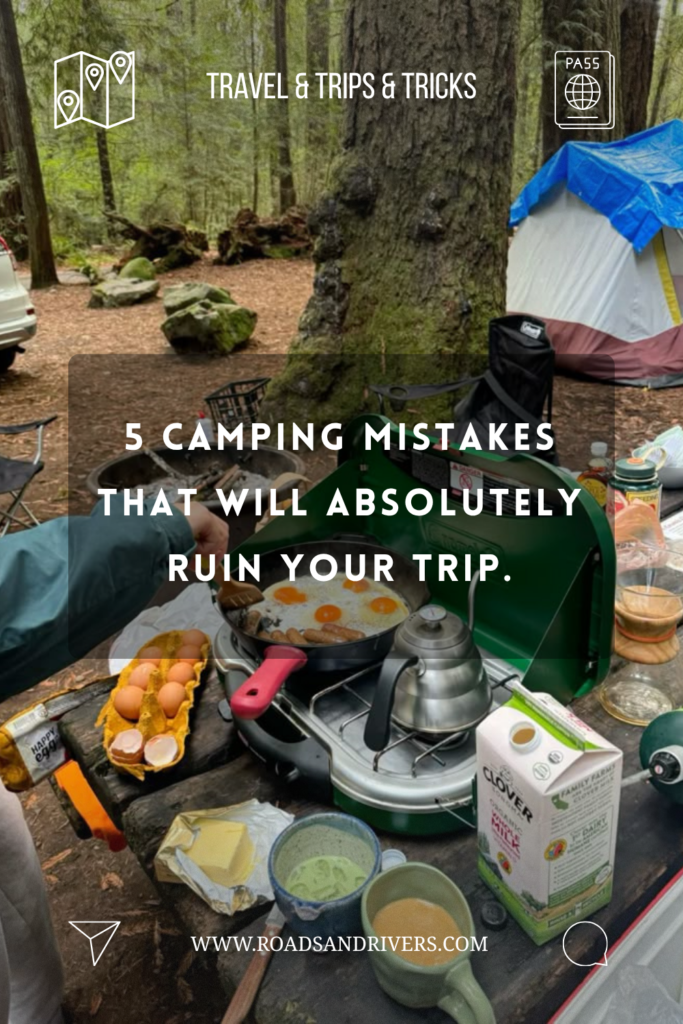
Testing Your Gear Before You Go (The Mistake That Creates Misery)
Don’t buy new gear and test it for the first time at the campsite.
Set up your tent at home. Make sure you know how it works and all the pieces are there. Test your camping stove. Sleep in your sleeping system. Break in your hiking boots at home, not on the trail.
This single step prevents more camping disasters than almost anything else.
Comfort Upgrades That Won’t Drain Your Budget
Solar Lights (Ambient Lighting Without Attracting Bugs)
LED solar lights are brilliant for campsite ambiance.
They charge during the day and provide soft light at night without attracting insects like fire does. Place them near your tent poles, around the cooking area, or along pathways. They’re safe, battery-powered, and create a genuinely cozy vibe.
This is a small upgrade that makes a big difference in how your campsite feels.
Camping Pillow or Towels (Sleep Actually Matters)
You don’t have to sleep on the ground with nothing under your head.
Bring an actual pillow or a camping-specific one. Bring quick-drying towels. These aren’t luxuries. They’re the difference between sleeping and suffering.
Your camping trip is supposed to be restorative. Sleeping like garbage works against that.
Bug-Proof Lanterns and LED Tea Lights
Open flames attract bugs. LED lights don’t.
Drop LED tea lights from the dollar store into mason jars or hang them from your tent. You get soft, bug-free lighting without managing an open flame. It’s safer and actually works better.
Your Camping Essentials Checklist
Before your next trip, run through this checklist. Print it. Write on it. Check things off. Make sure you’re not leaving anything crucial behind.
Safety & Comfort
- First-aid kit (fully stocked)
- Quality sleeping pad
- Headlamp and lantern
- Extra batteries (more than you think you need)
- Warm layers (even for summer)
- Rain gear (jacket and/or poncho)
- Weather-appropriate footwear
Organization & Convenience
- Mesh laundry bags
- Camping clothesline with clothespins
- Multi-purpose tarp
- Shower caddy for organization
- Plastic storage containers
Cooking & Food
- Camping stove or grill (plus fuel)
- Cookware (pots, pans, utensils)
- Cooler (checked for temperature stability)
- Food storage containers
- Portable spice kit
- Water bottles or jug with spout
- Dish soap and washcloths
Ambiance & Safety
- Glow sticks (if camping with kids)
- Solar lights or LED tea lights
- Pool noodle tent line covers
- Rope or twine
Testing Before You Go
- Tent setup (practiced at home)
- Camping stove (tested and working)
- Sleeping system (test slept in)
- All gear accounted for and functional
FAQ: The Questions Every Beginner Asks
Do I Really Need a Sleeping Pad If I Have a Sleeping Bag?
Yes. Absolutely yes.
A sleeping bag insulates you from above. A sleeping pad insulates you from below. The ground pulls heat from your body constantly. Without a pad, you’ll be cold and uncomfortable no matter how good your sleeping bag is.
This is non-negotiable for actual sleep.
Can I Skip the First-Aid Kit on a Short Trip?
No. Ever.
Accidents don’t respect trip length. You might think you won’t need it, and you probably won’t. But when you do, you’ll be grateful it’s there. A basic kit costs almost nothing and takes almost no space.
Bring it every single time.
What’s the Cheapest Way to Get Started With Camping Essentials?
Dollar stores are your friend.
You can outfit yourself with basics for under fifty dollars. Spend most of that on a decent sleeping pad and a quality tent. Everything else can be budget-friendly while still functioning perfectly.
As you camp more, you’ll figure out what’s worth upgrading. But you don’t need to spend a fortune to start.
How Do I Know If I’m Overpacking?
Ask yourself: have I used this before? Is it serving multiple purposes?
If something only does one thing and you haven’t needed it on previous trips, it’s probably not essential. Focus on items that earn their space by serving multiple functions or solving real problems.
Light packing is an art you’ll develop over time.
The Real Secret to Perfect Camping
Here’s what I’ve learned from talking to dozens of campers: perfect camping isn’t about expensive gear or years of experience. It’s about thoughtful preparation, a willingness to be uncomfortable for a moment, and knowing that you have what you actually need.
These 15 essentials do that. They prevent disasters, solve real problems, and make your campsite function smoothly. Some cost almost nothing. Others are small investments that pay off for years.
The best part? Once you have these basics, you can actually relax and enjoy the whole reason you’re camping in the first place. You’re not stressed about forgotten items. You’re not shivering or dealing with pests. You’re just… there. In nature. With the people you care about.
That’s what makes a camping trip actually perfect.
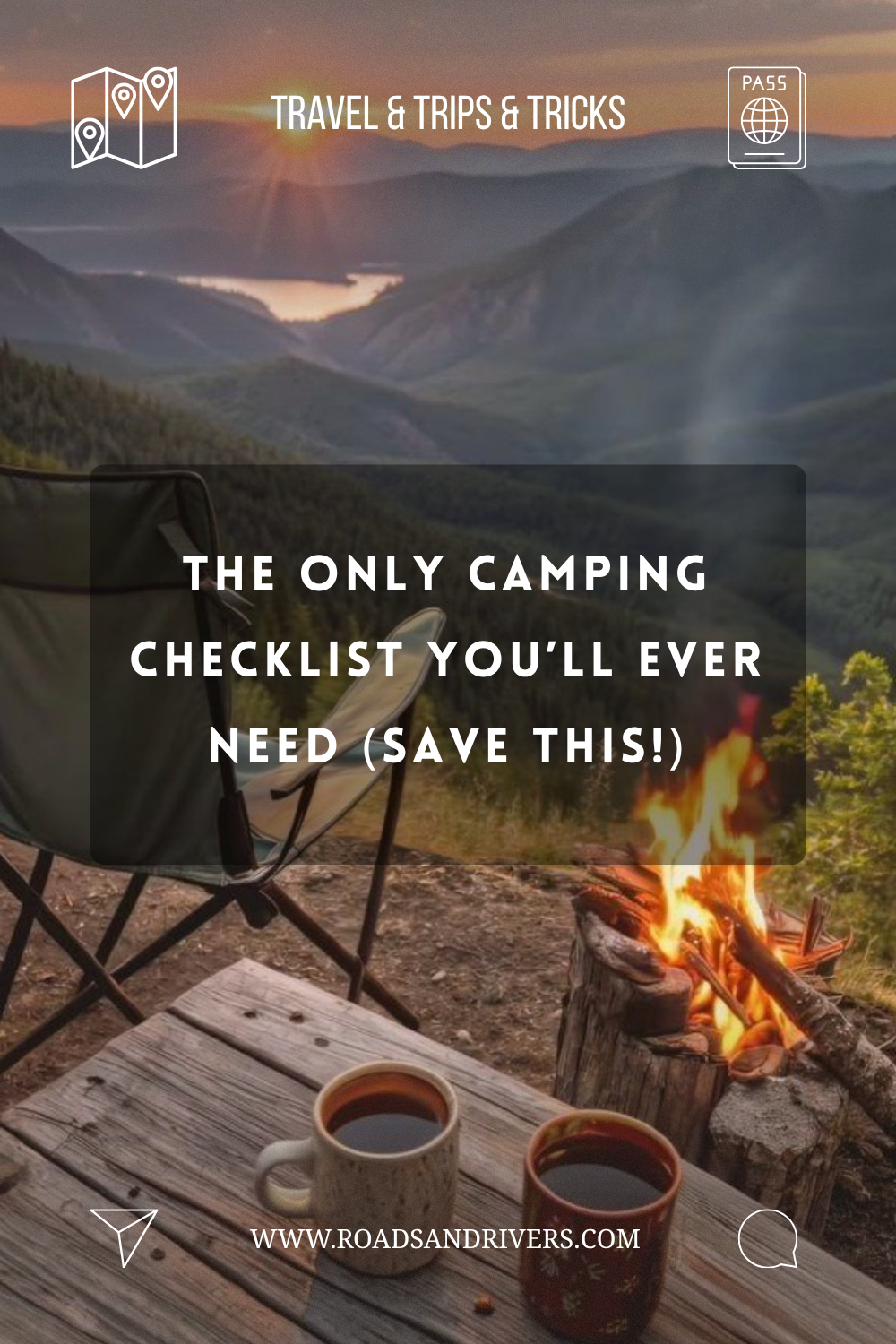
Save this list for your next camping trip. Print it. Pin it. Check it twice before you leave. Your future self will thank you when you’re comfortable, safe, and actually enjoying every moment of your adventure.
Happy camping.