
Most women arrive in Kerala unprepared, sweating through cheap fabric, unsure what to wear to temples, and wishing they’d known better. They pack all wrong. They don’t understand the dress codes. They fight the humidity instead of working with it. That’s why we collected the best Kerala outfit tips for you!
Kerala is one of the most beautiful places you’ll visit. The backwaters are magical. The temples are breathtaking. The culture is rich and welcoming. But none of that matters if you’re uncomfortable, overdressed, or accidentally disrespecting centuries-old traditions.
By the end of this guide, you’ll know exactly what fabrics keep you cool, which colors honor Kerala’s cultural palette, and how to look absolutely stunning while respecting the place you’re visiting. You’ll understand temple dress codes. You’ll know how to layer for comfort. You’ll pack smart and feel confident every single day.
Let’s build your Kerala wardrobe the right way.
Understanding Kerala’s Color Palette (It’s Not Just White & Gold)
Most people think Kerala fashion is only white and gold. That’s the beginning of the story, not the whole thing.
Why White Represents Purity and Simplicity
White isn’t a neutral choice in Kerala. It’s deeply intentional. White represents purity, simplicity, and peace. Keralites have embraced this color for generations because it mirrors their lifestyle and values. When you wear white in Kerala, you’re not just wearing a color. You’re honoring a cultural philosophy.
Off-white and cream are equally powerful. These soft neutrals complement the climate while feeling elegant and intentional. They reflect heat instead of absorbing it, which is practical in a place where temperatures hover between 28 to 35 degrees Celsius.
Gold Symbolizes Prosperity and Divinity
Gold isn’t just an accent in Kerala fashion. It’s a symbol of prosperity, wealth, and divine blessing. You’ll see it as kasavu borders on traditional sarees, as gold jewelry, and woven through fabrics in ways that feel luxurious without being gaudy.
The combination of white or cream with gold creates an understated elegance that’s distinctly Keralite. Simple. Refined. Purposeful. This palette works because it’s been refined over centuries.
Contrasting Blouses: Red, Green, Orange, Maroon
Here’s where your personal style comes in. While the base is traditionally white or cream, the blouse is where you make a statement. A bright red blouse against a cream kasavu saree is bold and auspicious. Green represents nature and prosperity. Orange and maroon bring warmth and sophistication.
The contrast between the neutral base and vibrant blouse is intentional. It balances respect for tradition with your individual personality. You’re honoring the culture while expressing yourself.
Modern Pastels While Staying Rooted in Tradition
Contemporary Kerala fashion is experimenting with pastels. Soft blush pinks, powder blues, and subtle yellows paired with traditional sarees feel fresh without feeling disrespectful. The key is keeping the spirit of simplicity and modesty intact.
If you choose to experiment with non-traditional colors, stay true to the Kerala principle: elegant, understated, and purposeful. Avoid anything flashy or attention-seeking.

The Fabric Game-Changer: Beat the Heat & Humidity
Here’s what most people get wrong: they pack beautiful fabrics that feel terrible in Kerala’s climate. Silk clings. Cotton gets heavy. Synthetic blends trap moisture. You end up miserable.
Linen: The Cooling Champion for Kerala Weather
Linen is your MVP. Made from flax fibers, linen has a naturally loose weave that allows air to circulate freely. It doesn’t cling to your skin when you sweat. It dries faster than cotton. Studies show linen can feel 3 to 4 degrees cooler on your skin compared to traditional cotton.
The only downside? Linen wrinkles. But here’s the truth: in Kerala, that wrinkled, lived-in look is charming. It fits the culture. Embrace it.
Cotton vs. Linen: Why Linen Wins in Extreme Humidity
Cotton is breathable, but it’s also absorbent. When humidity is extreme, cotton soaks up sweat and holds onto it. You feel damp. You feel heavy. You spend the day uncomfortable.
Linen absorbs moisture but doesn’t hold it against your skin. The fabric stays slightly stiff, creating tiny air pockets that promote ventilation. This makes all the difference in Kerala’s oppressive humidity.
If you must choose cotton, go for premium options like Pima or Egyptian cotton. The longer fibers breathe better than standard cotton. Muslin is another excellent lightweight cotton weave.
Rayon and Bamboo: The Luxury Breathable Options
Rayon (especially 100% spun rayon) and bamboo offer luxury with performance. They have a silk-like drape and feel elegant against your skin. Rayon is exceptionally breathable and has natural moisture-wicking abilities. Bamboo is soft, quick-drying, and has natural antimicrobial properties that fight odor.
Both are pricier than cotton or linen, but if your budget allows, they’re worth it. You’ll feel the difference immediately.
What to Absolutely Avoid
Skip heavy silks, dense wool blends, and anything polyester-heavy. Synthetic fabrics trap heat and moisture. They make you feel sticky. They cling in unflattering ways. They have no place in Kerala.
Also avoid sheer or transparent fabrics unless they’re layered properly. The humidity makes transparency obvious in ways you don’t want.
Temple Dress Codes Demystified (Yes, They’re Strict)
Kerala temples are sacred spaces. The dress codes aren’t suggestions. They’re requirements. Understand them before you go.
What’s Actually Required vs. What’s Recommended
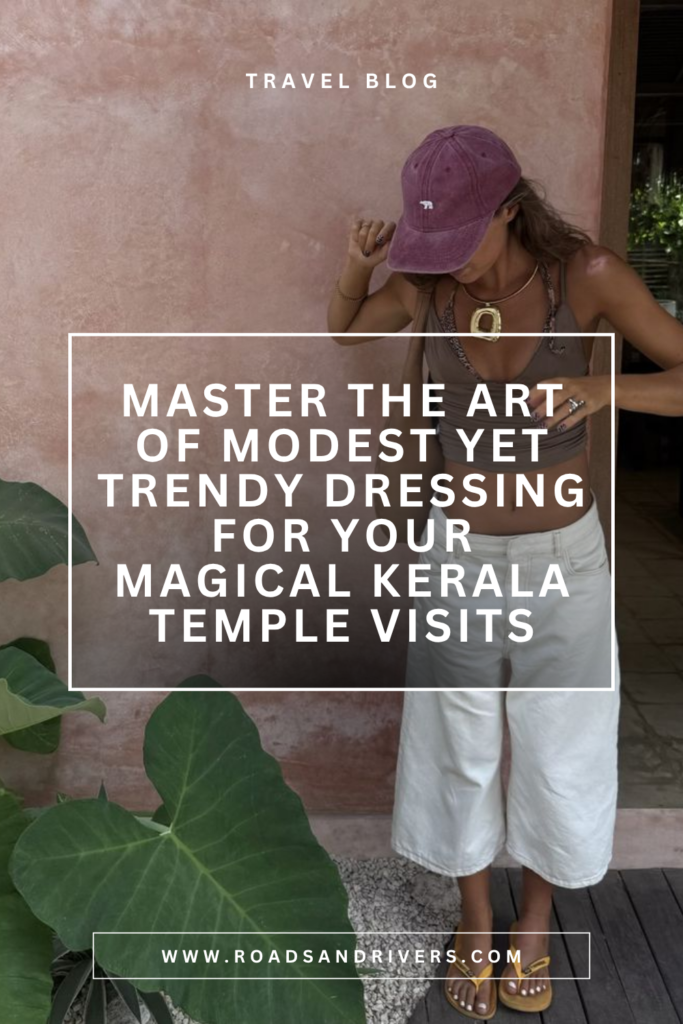
Most Kerala temples require that you cover your shoulders and knees. Full stop. Your ankles should be covered. Your chest should be covered. No sleeveless tops. No short skirts or shorts.
Some temples are stricter. Padmanabhaswamy Temple requires traditional attire like sarees, set mundus, or very modest modern dresses. Guruvayur Temple is similarly strict. Many temples will provide rental options or ask you to wrap a traditional cloth over your outfit if you arrive unprepared.
The safest approach: assume every temple requires full coverage from shoulders to ankles. Loose-fitting, modest clothing. No tight or clingy fabrics. No low necklines.
Shoulders and Knees: Non-Negotiable Coverage
If you remember nothing else, remember this. Shoulders covered. Knees covered. Always. This applies whether you’re wearing a traditional saree or modern modest clothing.
A simple maxi dress with full sleeves works. An ankle-length skirt with a long-sleeved top works. Palazzo pants with a tunic works. What doesn’t work: short skirts, sleeveless tops, shorts, tight clothing, or anything that could be interpreted as disrespectful.
Traditional Sarees, Set Mundus, and Modern Modest Dresses
The most culturally respectful option is a traditional Kerala saree or set mundu (the two-piece traditional outfit). These are stunning and will earn respect from locals.
If traditional attire feels overwhelming, a modest modern dress works fine. The key is the coverage and respect, not whether you’re wearing traditional cloth.
Set mundus are gaining popularity because they’re easier to manage than full sarees. One piece wraps around your lower body like a skirt. The other drapes over your shoulder. Rent them at markets if you don’t own one.
Pro Tip: Renting Options If You Don’t Own Traditional Attire
Most temple towns have rental shops near major temples. Sarees, set mundus, and dupattas are available for rent at reasonable prices. Changing rooms are provided. This takes the stress out of packing and allows you to experience authentic Kerala dressing without commitment.
Budget 200 to 400 rupees for a day’s rental. It’s worth every rupee for the cultural experience and the stunning photos.
The Essential Pieces That Work Everywhere
These items solve 80% of your Kerala outfit challenges. Pack these and you’ll be ready for any situation.
The Versatile Ankle-Length Skirt
A lightweight, breathable ankle-length skirt in a neutral color works for casual exploring, temple visits, and dressed-up dinners. Pair it with any top and you’re instantly put-together. Linen is ideal. Cotton is fine. Make sure it’s loose-fitting.
Flowy maxi skirts are particularly flattering and comfortable. They move with you. They don’t cling. They’re modest without feeling restrictive.
Long-Sleeved, Loose-Fitting Tops
Long sleeves serve double duty. They keep sun off your arms and protect against mosquitoes, which are more active in the evening and in certain areas. The looseness allows air circulation while maintaining modesty.
Breathable fabrics are essential. A linen shirt or a cotton tunic that drapes instead of clings will transform your comfort level.
A Quality Dupatta or Scarf
This single piece of fabric is your secret weapon. Drape it over your shoulders for temple visits. Wrap it around your head for sun protection. Use it to add warmth in overly air-conditioned spaces. Tie it as a belt for a new silhouette.
Choose cotton, linen, or rayon. A dupatta can go from casual to formal depending on how you style it and what pattern or color you choose. Gold, cream, or subtle prints are safe choices.
Layering Pieces for Air-Conditioned Spaces
Hotels, restaurants, and shopping centers in Kerala keep air conditioning intense. Bring a lightweight shawl or cardigan that you can layer when needed. Cotton or linen blends work well. This solves the temperature shock without adding bulk to your suitcase.

Styling the Traditional Kerala Saree (Set Mundu & Kasavu)
The traditional Kerala saree is stunning. But it can feel intimidating if you’ve never worn one. Let me make this simple.
How to Drape Without Feeling Overwhelmed
A set mundu (modern two-piece) is easier than a full saree. One piece wraps around your waist like a skirt, tucked in at the side. The other piece drapes diagonally from your left shoulder and tucks into the waist or blouse.
Start by pinning the shoulder piece before you wrap the lower piece. This gives you stability. Then focus on the folds at your waist. They should be even and intentional, not sloppy. A few practice runs and you’ll have the motion down.
Full sarees are more complex, but rental shops will help you drape if needed. Don’t stress about perfection. Locals are incredibly patient and generous with travelers who make the effort.
Blouse Choices: Red, Green, Gold, or Bold Contrast
The blouse is where your personality shines. A red silk blouse with a cream kasavu saree is classic and auspicious. Deep green feels natural and rich. Gold creates elegance. Even a vibrant orange or maroon blouse creates stunning contrast.
Pair the blouse color to your skin tone and the occasion. Jewel tones feel festive. Metallics feel luxurious. Pastels feel soft and modern.
Accessories: Gold Temple Jewelry, Jasmine Flowers, Minimal is More
Gold temple jewelry is quintessentially Kerala. A simple mangalsutra (necklace), bangles, and earrings are perfect. The jewelry should complement, not overwhelm. Simplicity is the point.
Fresh jasmine flowers in your hair is the finishing touch. They smell incredible. They look beautiful. They’re inexpensive. This single addition transforms your entire look and connects you to Kerala’s beauty traditions.
Skip heavy makeup. A light glow, defined eyes, and a simple bindi are sufficient. Your face should look fresh and natural.
Modern Twists: Contemporary Blouse Designs, Innovative Draping
Contemporary Kerala fashion is experimenting. Boat neck blouses, off-shoulder designs, and blouses with modern embellishments pair beautifully with traditional sarees. The base remains respectful and traditional. The details feel current.
Some women drape their sarees differently, creating new silhouettes while honoring the garment’s essence. This is beautiful. It shows that tradition evolves while maintaining respect for its roots.
Casual Yet Chic: Everyday Kerala Styling
You won’t wear a saree every day. Most of your Kerala trip will be casual exploring, and you can look stunning doing it.
The Linen Dress + Statement Accessory Formula
A simple linen dress in cream, white, or a soft neutral pairs with a statement necklace, bangles, or a dupatta. This formula works for beach visits, backwater cruises, and casual town exploring. Add a hat for sun protection and you’re polished without being overdone.
The key is choosing one statement piece. Bangles and a dupatta might be too much. Bangles and a simple necklace works. A beautiful dupatta and minimal jewelry works.
Palazzo Pants and Breathable Tops (Still Modest, Still Stunning)
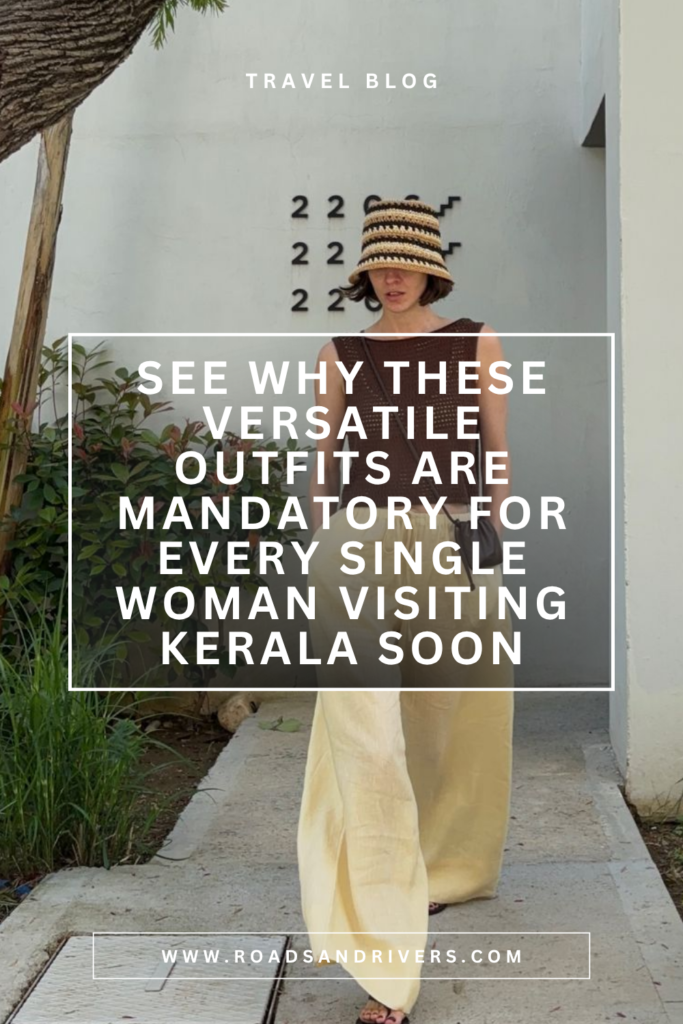
Loose linen or cotton palazzo pants with a flowing top create an effortlessly elegant look that’s comfortable and modest. This is what many modern Keralite women wear for casual days.
The fit matters. Palazzo pants should be genuinely loose, not just “wide-leg fitted.” They should move when you walk. Pair them with a tucked-in or fitted top to balance the volume.
Mixing Western and Traditional (The Fusion Approach)
A midi skirt (knee-length and below) with a traditional blouse works. Palazzo pants with a kurta works. Western fabrics in traditional silhouettes work. The goal is creating something that honors the culture while feeling authentic to you.
Don’t force tradition if it doesn’t feel right. A woman in modern clothes worn with respect beats someone uncomfortably stuffed into a saree they don’t understand.
Footwear: Slip-Ons, Sandals, and What Actually Works
Bring slip-on shoes because you’ll be removing them frequently for temple visits and at home entrances. Flip-flops are practical but don’t offer much style. Sandals or simple flats are best.
Wear breathable materials. Leather sandals are perfect. Avoid closed-toe shoes unless you’re in an air-conditioned space. Your feet will thank you for the ventilation.
Accessories That Make or Break Your Look
Accessories are how you personalize your Kerala style while staying true to tradition.
Gold Jewelry: Temple Chains, Mangalsutra, Minimal is Masterful
Gold is iconic in Kerala fashion. A simple gold chain with a pendant, a mangalsutra, and a few gold bangles complete any look. The jewelry should feel intentional and purposeful, never overwhelming.
Avoid costume jewelry that will tarnish or break. Invest in real gold if possible, even if it’s just one special piece. Local goldsmiths create beautiful Kerala-specific designs.
The Dupatta: Why It’s Your Secret Weapon
A dupatta is so much more than a shoulder drape. It’s sun protection. It’s warmth. It’s style versatility. A single dupatta in gold, cream, or a subtle print can change your entire outfit.
Learn to drape it multiple ways: over both shoulders for temple visits, draped on one side for casual elegance, wrapped as a headscarf for the sun.
Hats and Sunglasses for Both Style and Sun Protection
A wide-brimmed hat isn’t just practical. It’s a style statement. Panama hats, straw hats, and simple linen hats all work in Kerala. They protect your face and add visual interest.
Sunglasses serve the same purpose. Choose styles that complement your face shape and skin tone.
Where to Shop Local: Markets vs. Tourist Traps
Local markets sell stunning traditional accessories, dupattas, and jewelry at fraction of tourist shop prices. Kochi’s Fort Kochi market and Trivandrum’s local bazaars have beautiful finds.
Avoid the shops in hotel lobbies and obvious tourist areas. The quality is lower and the prices are triple. Embrace the local markets even if bargaining feels awkward. It’s part of the experience.
Pro Tips Nobody Tells You
These small adjustments will transform your Kerala experience.
Pack Extra Clothes (Humidity Equals Multiple Outfit Changes)
Kerala’s humidity means you might change clothes two or three times a day. Pack more outfits than you think you’ll need. Bring at least one extra set of everything.
Laundry services at hotels are usually fast and affordable. Take advantage of them. You can rewear items once they’re fresh.
Avoid Tight or Clingy Fabrics
Tight clothing looks worse in humidity. It clings. It shows sweat. It’s uncomfortable. Loose, flowing fabrics are more forgiving and more respectful.
This is especially important in temples and when visiting locals’ homes. Loose-fitting clothing is a sign of respect.
Light Colors Reflect Heat (Wear Cream, White, Pastels)
Dark colors absorb heat and make you feel hotter. Light colors reflect it. A cream outfit versus a black outfit in the same fabric will feel noticeably different in Kerala’s climate.
Pastels work beautifully too. They’re light enough to reflect heat while adding visual interest.
Loose Fits Equal Cooler Plus More Respectful
This ties everything together. Loose-fitting, light-colored, breathable fabrics in modest cuts are the winning formula. They keep you cool. They respect the culture. They look elegant.
You don’t sacrifice style for comfort or respect. You gain all three by choosing wisely.
Jasmine Flowers in Your Hair Equal Instant Kerala Elegance
Fresh jasmine flowers pinned into a bun or braid instantly elevate any outfit. They smell incredible. They’re inexpensive (often free in hotel gardens). They’re genuinely beautiful.
This single detail completes your Kerala look in a way nothing else can.
Your Personal Kerala Style Checklist
Before you pack, use this checklist to ensure you have everything you need.
What to Pack Before You Go:
- 2 to 3 ankle-length breathable skirts (linen or cotton)
- 4 to 5 loose-fitting tops in breathable fabrics (mix long and short sleeves)
- 1 to 2 pairs of palazzo pants (linen is ideal)
- 1 traditional saree or set mundu rental plan
- 2 to 3 dupattas (cream, gold, or subtle print)
- 1 lightweight shawl or cardigan for air conditioning
- Slip-on shoes and comfortable sandals
- Wide-brimmed hat or simple cap
- Sunglasses
- Gold jewelry (simple, intentional pieces)
- Modest one-piece swimsuit for beaches
Outfit Combinations That Work Everywhere:
- Cream linen dress with dupatta and sandals (casual, modest, elegant)
- Ankle skirt with long-sleeved top and shawl (temple-ready, comfortable)
- Palazzo pants with a tucked-in kurta and bangles (modern, respectful)
- Set mundu with gold jewelry and jasmine (traditional, stunning)
Temple-Appropriate Pieces:
- Long skirts that cover ankles
- Tops that cover shoulders and chest
- Dupattas for extra coverage
- Set mundus or traditional sarees
Beach vs. Backwater vs. Temple Styling: Beach: Maxi dress, hat, cover-up, no jewelry (sand and saltwater safety) Backwater: Light linen outfit, dupatta for sun, simple accessories, comfortable shoes Temple: Traditional or fully modest modern dress, minimal jewelry, dupatta, absolutely covered shoulders and knees

The Bottom Line
Kerala outfit styling isn’t complicated. It’s about three things: respect for the culture, practical choices for the climate, and choosing pieces that make you feel beautiful.
You don’t need to spend a fortune. You need to think intentionally about fabrics, coverage, and colors. You need to understand that your clothing choices communicate respect or disrespect to the people around you.
The women and temples of Kerala are breathtakingly beautiful. When you dress with intention, you honor that beauty. You blend in. You feel confident. You experience the place authentically instead of as an outsider.
Pack your Kerala wardrobe with care. Choose linen and cotton. Pick cream, white, and gold. Cover your shoulders and knees. Embrace the simplicity and elegance that defines Keralite style.
You’ll look stunning. You’ll stay comfortable. You’ll feel proud of the choices you made. That’s the real secret to styling a stunning Kerala outfit.