
The real magic of packing cubes has nothing to do with secret space-saving tricks or compression technology. It’s about taking back hours of your life. Hours you’d normally spend digging through your luggage at your destination, deciding what to wear, reorganizing mid-trip, and untangling everything when you get home.
If you’re tired of the pre-trip panic where nothing fits, the mid-vacation chaos where you can’t find a single pair of clean socks, and the unpacking nightmare waiting at your front door, this is for you. Let me walk you through the exact system that transforms packing from stressful to simple.
What Packing Cubes Are (And Why They’re Not Optional)
Packing cubes are zippered fabric containers that divide your suitcase into neat sections. Think of them as portable drawers that move with you from your closet to your destination.
But here’s what most people get wrong: they assume packing cubes save space. Some do, but that’s not their real superpower. Regular packing cubes keep your belongings contained so nothing shifts during travel. This prevents wrinkles, keeps clean items separate from dirty ones, and most importantly, lets you find what you need without emptying your entire bag.
The efficiency gain is massive. At your hotel or Airbnb, you can open a cube and know exactly what’s inside. No more standing there in your travel clothes, mentally cataloging every item you packed, trying to remember where you threw your workout gear.
For frequent travelers especially, this is life-changing. You save time packing before your trip. You save time unpacking during your trip. And you save time repacking when you move between destinations. Over a year of travel, we’re talking about reclaiming genuine hours of your life.
Choose the Right Packing Cubes for Your Trip
Not all packing cubes are created equal, and choosing the wrong ones can sabotage your whole system.
Regular vs. Compression Cubes: What Actually Works
Regular packing cubes focus on organization and structure. They keep clothing contained and prevent shifting, but they don’t actively reduce bulk. They’re lightweight, durable, and perfect if you’re not trying to pack a ton into a tiny carry-on.
Compression cubes have an extra zipper that lets you squeeze air out after the main compartment is zipped. This reduces bulk for soft items like t-shirts, sweaters, and activewear. They work best when you fill them to about 80% capacity—too full and the compression zip won’t close evenly.
Here’s the real talk: compression cubes work, but only for certain items. Stiff fabrics like structured denim or heavy coats won’t compress meaningfully. If you’re packing mostly casual, soft clothing, compression cubes save genuine space. If your wardrobe is heavy on structured pieces, regular cubes might be a better investment.
Getting the Sizing Right
One set of cubes in one size defeats the purpose. You need variety.
Small cubes work perfectly for underwear, socks, and accessories. A medium cube holds your casual tops or light layers. Large cubes are where your bottoms and bulkier items live. Having different sizes lets you pack strategically and avoid overstuffing, which damages zippers and creates uneven compression.
If you’re starting out, most travelers find that three to five cubes total is the sweet spot. Too many and you’re just creating containers inside containers. Too few and you can’t organize effectively.
The Category Method: The Fastest Way to Stay Organized
There are two main ways to organize packing cubes: by category or by day. The category method wins for time-saving efficiency, hands down.
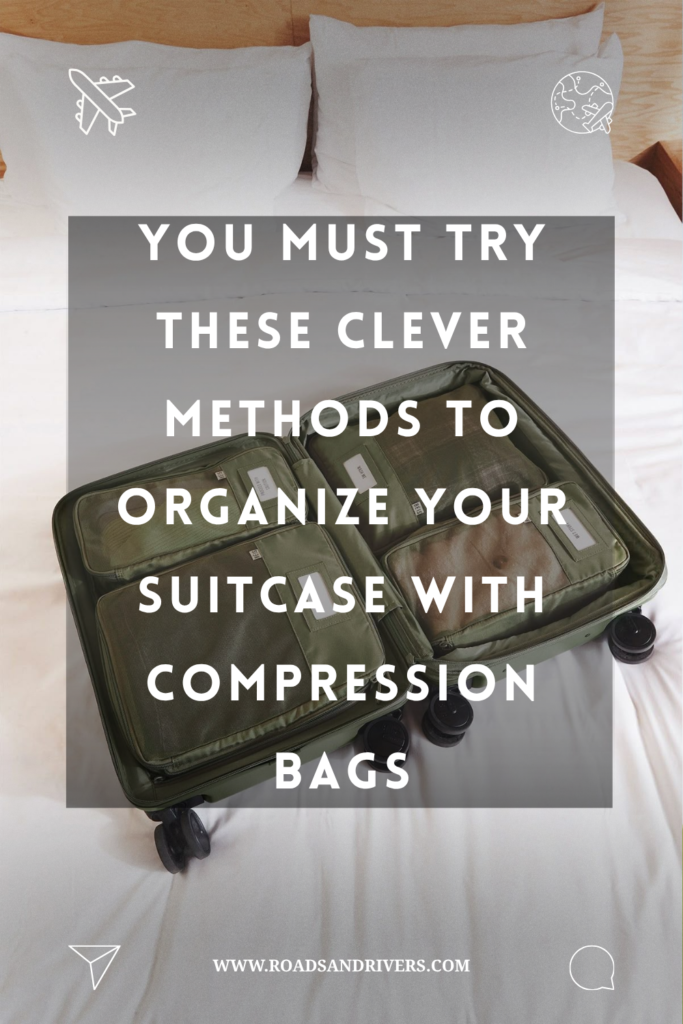
Assign one cube to each clothing type. One for tops, one for bottoms, one for socks and underwear. You can add specialty cubes for things like workout gear, pajamas, or formal wear depending on your trip.
Why is this faster? When you arrive at your destination, you’re not stressed and jet-lagged trying to remember what day’s outfit you packed. You simply open the tops cube, pick something you like, grab bottoms from the bottoms cube, and go. You eliminate decision fatigue entirely.
This method also lets you mix and match. You’ve got flexibility to choose different combinations depending on how you feel that day, the weather, or what activities come up. It’s especially powerful for longer trips where the day-by-day method would require you to bring way more cubes and plan outfits weeks in advance.
Another bonus: you immediately see when you’re running low on clean clothes and need to do laundry. You’ll glance at the socks cube and realize you’re down to your last pair. That’s information you need before you run out completely.
Rolling vs. Folding: What Actually Saves Space
The internet has strong opinions on this. Some swear rolling is the only way. Others say folding is superior. The truth is both work, and which one you choose depends on what you’re packing.
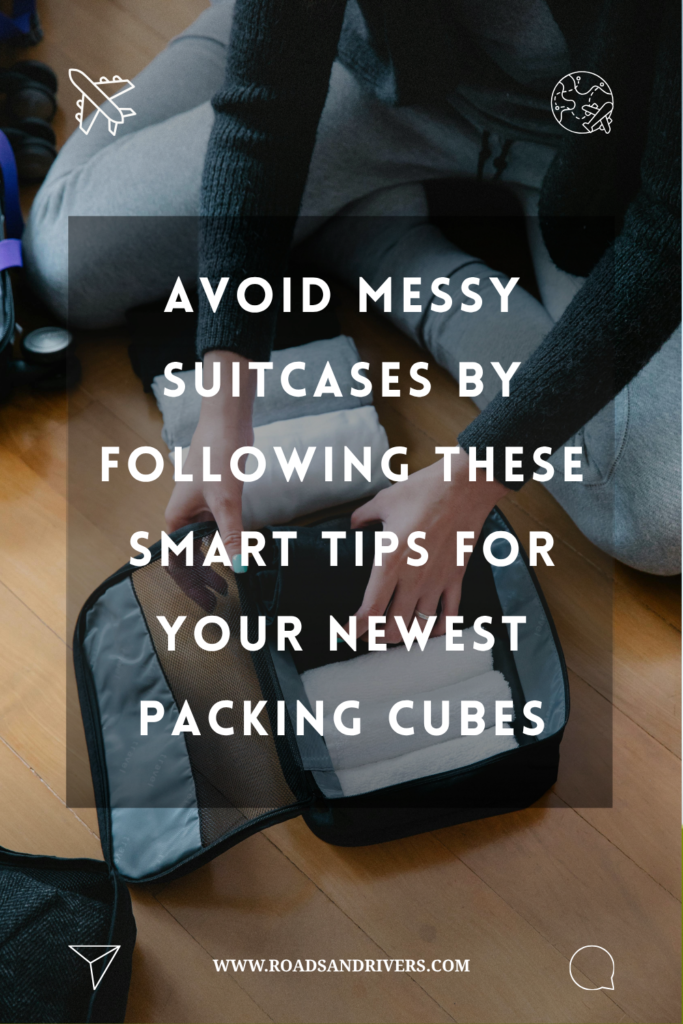
Rolling works beautifully for soft items like t-shirts, casual pants, and underwear. Rolled clothes fit neatly into tight spaces and make it easier to see everything in your cube. The downside: loose rolled items can come unraveled if your cube gets bumped around.
Folding gives you more control, especially for structured items like dress shirts or jackets. Flat-folded clothes stack neatly and won’t shift as much. The downside: if you fold too many layers in one direction, you might get harsh creases.
Real talk? The best approach is hybrid. Roll your casual everyday pieces. Fold your structured or dressier items. This gives you the space efficiency of rolling with the structure of folding.
One pro tip that changes everything: lay items flat and fold them to the exact dimensions of your cube’s bottom. This maximizes how many pieces you can fit and eliminates those awkward folded lumps that prevent zippers from closing smoothly.

How to Pack and Arrange Cubes Like a Pro
Packing the cubes is one thing. Arranging them in your suitcase is where the real skill lives.
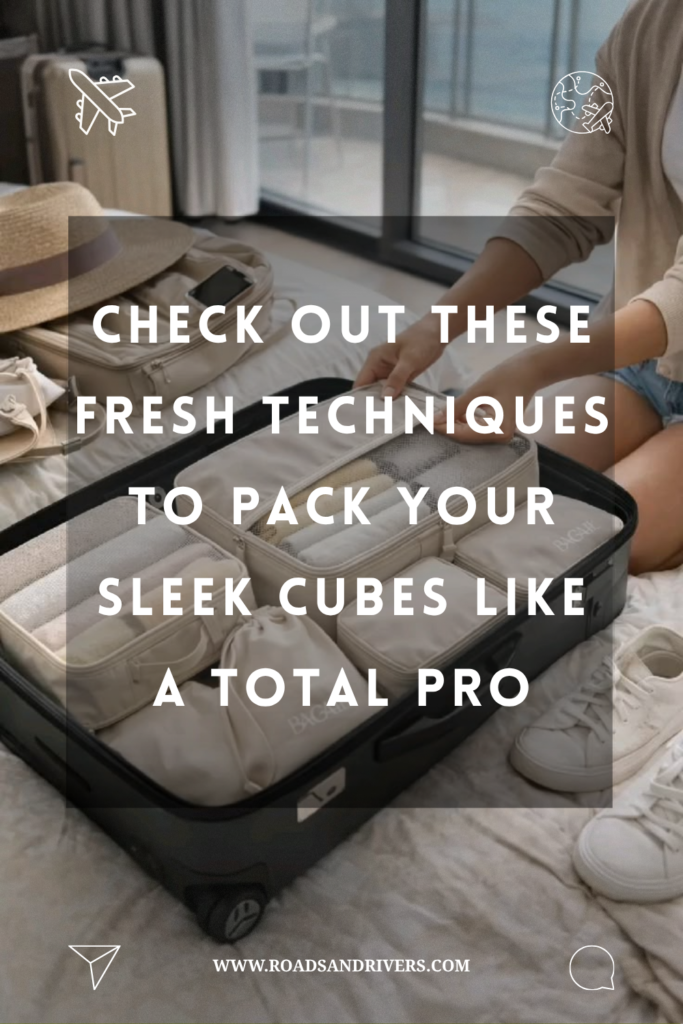
Think of it like Tetris. You’ve got differently sized cubes and a suitcase with its own dimensions. Your goal is to fit everything in without wasted space.
Start by placing your largest cubes on the bottom of your suitcase. Put the heavy cubes first (usually where your pants live), and stack smaller cubes around and on top. This creates stability and balance. It also keeps your suitcase from tipping over during travel, which matters more than you’d think.
Fill empty gaps with smaller cubes. Some suitcases have grooves or bars on the bottom that create natural nooks. Use those spaces strategically. You might fit a shoe bag or a small accessories cube into a spot that would otherwise just be wasted real estate.
Don’t force everything into cubes if it doesn’t fit. Leave some breathing room. Your clothes will pack better, your zippers will be less stressed, and you’re actually leaving space for souvenirs or items you might pick up during your trip.
The Dirty Laundry Hack That Changes Everything
Here’s something most people overlook completely: bring an extra packing cube specifically for dirty clothes.
As your trip unfolds and you wear items, toss them into this designated cube instead of mixing them with clean clothes. By the end of your trip, you’ve already separated laundry. When you get home, you literally open that cube and dump everything into your washing machine. Unpacking becomes a five-minute task instead of a Saturday afternoon project.
Some travelers use a fifth cube for this. Others use their largest cube once most of the original clothes have been worn. Either way, this single habit saves enormous amounts of time and keeps your clean items from picking up that “lived out of a suitcase” smell that happens when everything gets jumbled together.
Common Packing Cube Mistakes (And How to Avoid Them)
Even with the best system, a few common mistakes can derail your packing efficiency.
Overstuffing is the biggest one. Just because a cube has a zipper doesn’t mean you should push it to the max. When you force clothes into a cube, you damage zippers, make compression ineffective, and often end up with creased clothing anyway. Aim for cubes that are snug but not bursting.
Mixing categories is another trap. You might think, “I’ll put some tops and bottoms in the same cube to save space.” This inevitably leads to repacking. You’ll need a specific item that’s stuck under something else. Then you’re opening multiple cubes at your destination, defeating the whole purpose.
Not using size variety wastes suitcase space. If all your cubes are medium-sized, you’ve got gaps where smaller items would fit perfectly. You’re also likely overpacking the medium cubes to make up for it.
Finally, ignore the care label at your peril. Hand-wash-only packing cubes belong in the sink, not the washing machine. I’ve seen complaints online from travelers who machine-washed their cubes and ended up with flaking lining and warped fabric.
Pro Tips for Maximum Efficiency
Color-coding your cubes is one of those small touches that saves surprising amounts of time. Assign each clothing category a color. You don’t have to think. You see the blue cube and know it’s bottoms. Instant recognition means faster packing and unpacking.
Label your cubes or take a quick photo of the contents before you zip them up. This is especially helpful on longer trips where you might forget exactly what’s in cube number three.
Always leave one cube slot empty. It’s tempting to pack every possible space, but having room in your suitcase means you have space for souvenirs, purchases, or items you pick up during travel. It also prevents overpacking, which is never actually more efficient.
Small cubes are perfect for tech and accessories. Keep one for charging cords, phone chargers, cables, and adapters. Another for hair products, jewelry, or glasses. Everything has a home, and you’ll never spend time hunting for your phone charger.
The Bottom Line
You don’t need complicated systems or expensive gear. You need the category method, appropriately sized cubes for your trip length, strategic suitcase arrangement, and one cube dedicated to dirty laundry. That’s it.
This approach saves you time before your trip by letting you pack faster. It saves you time during your trip by keeping everything organized and accessible. It saves you time after your trip by making unpacking simple.
More hours that could be spent actually enjoying travel instead of wrestling with your luggage. That’s what makes packing cubes worth it. Not the space-saving myths or the organizational perfection you see on Instagram. The real win is getting your time back.
Your next trip is a chance to try this system. Commit to the category method, grab a quality set of mixed-size cubes, and watch how much smoother everything gets.
What’s your go-to packing cube hack? I’d love to hear what system works best for you in the comments.