Most outdoor trips go wrong before the first step is taken.
Not on the trail. Not at the trailhead. At home, in the weeks before, when the planning phase gets skipped in favor of just “figuring it out on the day.” People buy gear based on what looks good, pick a trail based on a photo they saw on Instagram, and show up without a real plan. Then they wonder why things felt stressful, exhausting, or just not fun.
Covering your outdoor travel needs isn’t just about what’s in your pack. It’s about understanding the full picture before you go: the type of trip you’re actually taking, the route you’ve actually researched, the gear that fits your specific situation, and a safety protocol that means people know where you are. That’s the framework this post gives you. Start here, and the trail part gets a lot easier.
Start With Your Trip Goal, Not Your Gear List
Most people do this backwards. They buy gear, then look for somewhere to use it. That’s how you end up with a 65-liter backpacking pack for a 4-mile day hike, or trail runners on a boulder scramble that needed proper boots.
Start with one question: what do you actually want from this trip?
What Kind of Outdoor Trip Are You Actually Planning?
There’s a big difference between a day hike, a weekend backpacking trip, a car camping adventure, and a multi-day trek. Each one demands a different level of planning, a different gear setup, and a different approach to safety.
A day hike means you’re out and back in one day, no overnight gear needed. A car camping trip means you drive to a site, sleep in a tent, and your car does most of the carrying. A backpacking trip means you carry everything you need on your back for multiple days in the wilderness. Know which one you’re doing before anything else. The planning process for each looks completely different.
How to Match Your Fitness Level to the Right Route
Be honest with yourself here. This is where most group trips fall apart. Someone picks a route that suits the strongest person in the group, and everyone else suffers.
Look at distance, elevation gain, and terrain type together, not just one of them. A 6-mile hike sounds manageable. Add 3,000 feet of elevation gain and exposed rocky terrain, and it’s a very different day. A realistic self-assessment saves you from a miserable experience and, more importantly, keeps you safe.
If you’re new to outdoor travel, start shorter and less technical than you think you need to. Build from there. You can always make the next trip harder.
Day Hike vs. Backpacking vs. Car Camping: Planning Looks Different for Each
A day hike requires the least planning but still needs some. You need to know the trail, the weather, and what time you need to be back.
A backpacking trip requires significantly more. You’re planning food for multiple days, water sources along the route, campsite locations, bear storage requirements, and emergency protocols. Car camping sits in the middle: more comfort, less carrying, but still requires knowing your site, your gear setup, and the rules of the campground you’re visiting.
Decide which category your trip falls into before you do anything else. Everything flows from that decision.
How to Research and Choose the Right Route
This is the step that separates confident hikers from anxious ones. Good route research means you arrive at the trailhead already knowing what to expect. No surprises. No “I didn’t realize it would be like this.”
The Best Apps and Resources for Trail Research
AllTrails is the most widely used trail research tool for good reason. It shows distance, elevation profiles, difficulty ratings, and recent user reviews. The reviews are where the real information lives. Check reports from the last few weeks to understand current conditions: snow on the trail, washed-out sections, muddy switchbacks, a missing trail marker.
Beyond AllTrails, check the managing agency’s website directly. National Park Service trails have their own condition updates. State parks and national forests often post seasonal closures, permit requirements, and hazard warnings that don’t make it onto third-party apps. Both sources together give you the full picture.
Washington Trails Association is another strong resource if you’re hiking in the Pacific Northwest. For other regions, search for the local hiking club or trail advocacy group. These organizations tend to post the most up-to-date, on-the-ground trail conditions.
How to Read Trail Data (Distance, Elevation Gain, and What It Actually Means)
Distance alone tells you very little. A 5-mile flat trail through a forest and a 5-mile trail with 2,500 feet of elevation gain are not the same hike. Not even close.
Use Naismith’s Rule as a starting point for time planning: roughly one hour for every three miles of horizontal distance, plus one additional hour for every 2,000 feet of elevation gain. A 9-mile hike with 3,000 feet of gain? Budget about four and a half hours of hiking time, plus breaks. Add buffer. Most people underestimate how long things take, especially downhill on tired legs.
Also look at terrain type. A trail described as “rocky” or “scrambling” moves slower than a groomed path. Water crossings, high exposure, and poor trail marking all add time and difficulty. Read those recent user reviews carefully. They’ll tell you what the numbers don’t.
Permits, Fees, and Rules You Need to Know Before You Go
This one catches people off guard. Popular trails in national parks and wilderness areas require permits, and many of those permits sell out months in advance. Showing up without one means turning around.
Research permit requirements early. Recreation.gov handles permits for most federally managed lands in the United States. Some areas use lottery systems. Others are first-come, first-served. Some popular day-use areas require a timed entry pass even if you’re not camping.
Check for parking fees, trailhead quotas, and Leave No Trace requirements specific to the area. Some wilderness areas prohibit campfires entirely. Some require certified bear canisters. Know the rules before you arrive.
Building a Gear Strategy Around Your Specific Trip
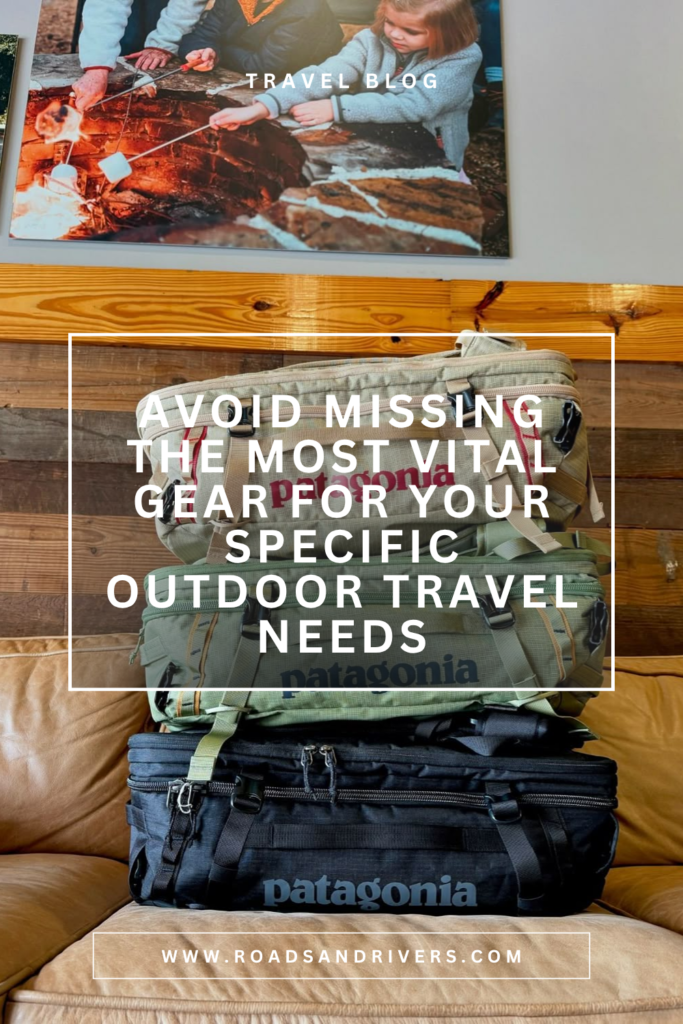
Gear selection should follow trip type, not trend. The Patagonia bag that looks great on your living room couch needs to actually work for the specific conditions you’re heading into.
How to Decide What Gear You Actually Need (Based on Trip Type)
Start with the non-negotiables for your trip category. Day hike? You need a daypack, water, food, navigation, and weather-appropriate layers. Backpacking? Add a tent, sleeping bag, sleeping pad, cooking system, and food storage. Car camping? You have more flexibility because the car carries the weight, but you still need shelter, sleep, cooking, and safety gear.
From there, build around the specific conditions of your trip. Desert in summer requires sun protection and serious water capacity. A mountain trip in shoulder season means planning for potential snow, cold nights, and fast-moving weather. A coastal route means dealing with salt, humidity, and variable wind.
Match your gear to the actual conditions, not a generic packing list.
The Budget Approach: Building Your Kit Over Time
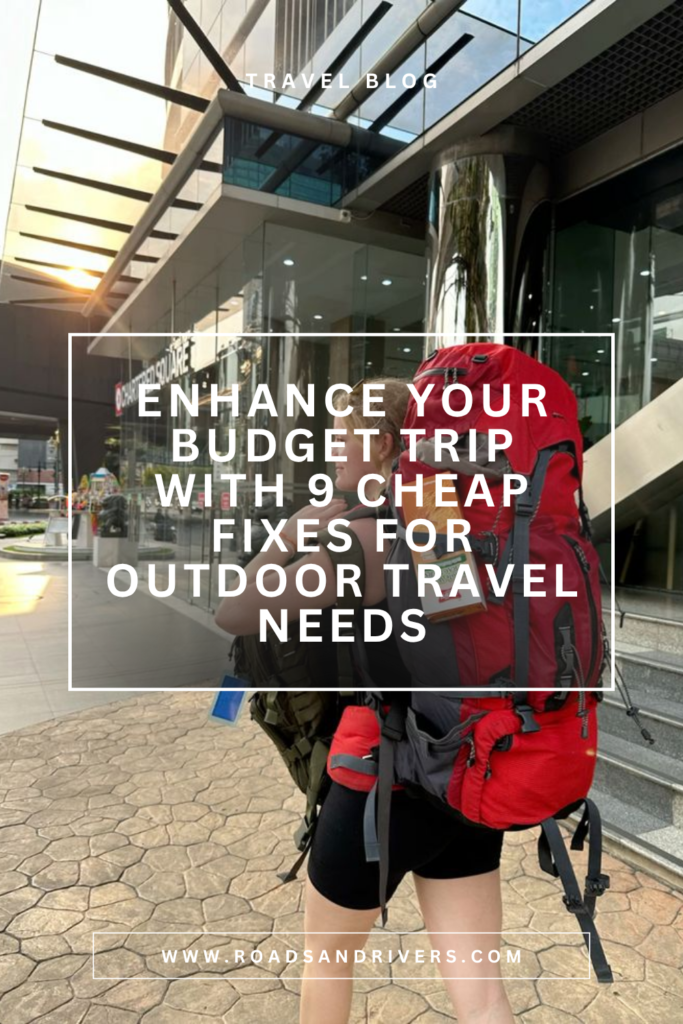
Here’s the thing about outdoor gear: you don’t need to buy everything before your first trip. That’s one of the biggest myths in outdoor travel, and it stops a lot of people from starting.
Borrow gear for your first few trips. Rent from REI or a local outdoor shop. Use what you have. Figure out what you actually reach for and what stays at the bottom of the bag. Then buy the items you used most. This is how experienced hikers build their kits: over years, not in one shopping haul.
The global camping equipment market was valued at over $26 billion in 2024, which means there’s more gear available at more price points than ever before. Budget-friendly options work for most recreational trips. Save the premium gear spend for when you know exactly what you need and why.
Testing Your Gear Before You Depend on It
Never take new gear on a demanding trip without testing it first. This applies to tents, sleeping bags, rain jackets, water filters, and especially anything you’ve never used in real conditions.
Set up your tent in the backyard before your first camping trip. Run water through your filter at home. Sleep in your sleeping bag on a cold night with the windows open if you can. This is also how you find the gear that doesn’t work: before you’re three miles from a trailhead in the rain with a waterproof jacket that is, it turns out, not waterproof.
Planning for Your Outdoor Travel Needs: Logistics, Timing, and Weather
Getting to the trailhead prepared is half the work. A car packed well, a realistic timeline, and a weather window you’ve actually checked make everything smoother from the first mile.
How to Build a Realistic Trip Itinerary
Map out your trip hour by hour, not just day by day. Use your Naismith’s Rule estimate, then add 25% buffer time. Plan your start time backward from when you need to be off the trail or at camp. For day hikes, the “summit by noon” guideline exists for good reason: afternoon weather tends to be less stable, fatigue compounds, and light starts fading earlier than you expect.
Build in time for breaks, photos, wrong turns, and slower-than-expected sections. A rigid itinerary that doesn’t account for real human pace leads to rushed decisions. Rushed decisions on a trail lead to accidents.
Set a firm turnaround time and write it down. If you haven’t reached your goal by that time, you turn around. No exceptions.
How to Research and Plan Around Weather Windows
Check the forecast for your specific trailhead location, not just the nearest town. Mountain and canyon weather can be completely different from what’s happening 20 miles away at lower elevation. Weather Underground and the National Weather Service both offer location-specific forecasting that goes beyond general regional summaries.
Look at the forecast for the three days before and after your trip, not just the day of. A heavy rainstorm two days before a desert canyon trip can mean flash flood risk even on a sunny day. Snow above a certain elevation the week before can mean icy sections on your trail.
If the forecast looks genuinely dangerous, change the plan. There’s always another weather window.
Car Packing, Trailhead Logistics, and Getting There Prepared
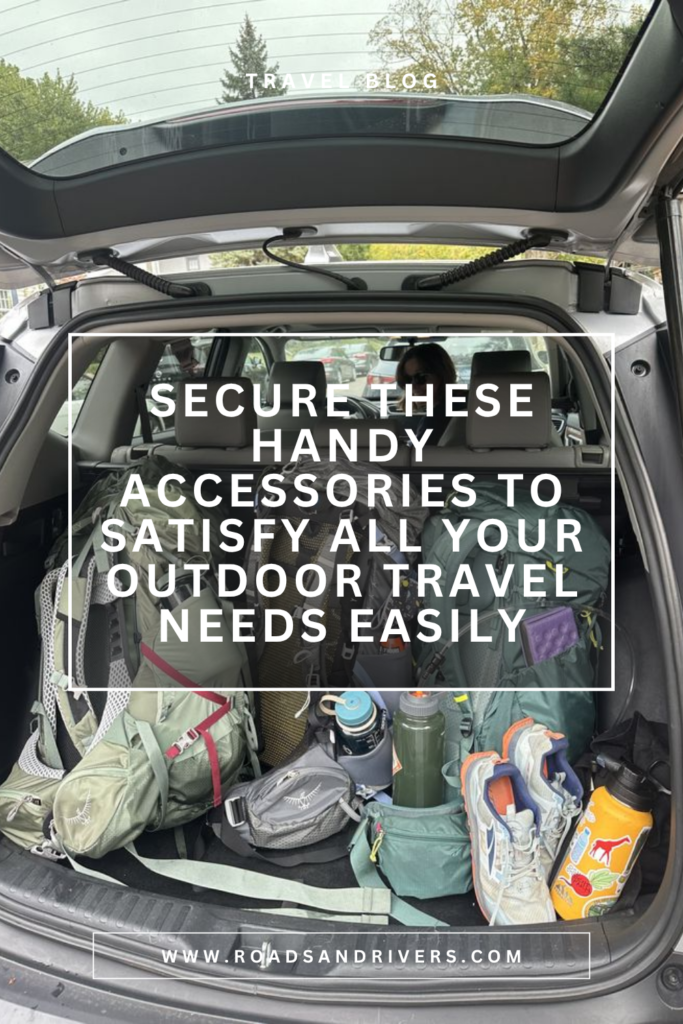
The most underrated part of outdoor trip planning. A well-loaded car means you arrive organized, not digging through a trunk for 20 minutes at 6 a.m.
Pack your gear the night before. Lay everything out, confirm it’s there, then pack it with heaviest items low and items you’ll need first (layers, snacks, water) accessible. Know your trailhead directions ahead of time, including the last point where you’ll have cell signal. Download offline maps for the route to the trailhead, not just the trail itself.
Arriving at the trailhead flustered, late, or having forgotten something you realized was missing on the drive sets a stressful tone for the whole day. A 20-minute pack the night before fixes that.
Safety Planning Before You Leave Home
This is the part of trip planning that most people skip entirely. Not because they don’t care about safety, but because safety planning feels like planning for failure. It’s not. It’s planning for reality.
What a Trip Plan Is and Why You Always File One
A trip plan is a document you leave with someone you trust before every trip. It includes your planned route, the trailhead you’re starting from, who’s in your group, what gear you’re carrying, and your expected return time.
The National Park Service is clear on this: if you change your route and your trusted contact doesn’t know, search and rescue can’t find you. A trip plan isn’t paperwork. It’s the thing that gets people home when something goes wrong.
Tell your contact: if I haven’t called by [specific time], call [the ranger station / park service number / emergency services]. Write that number down for them. Make it simple for them to take action.
Setting a Turnaround Time and Sticking to It
“Summit fever” is real. It’s the pull to keep going even when the smart decision is to stop. Setting a turnaround time before you leave removes the temptation to negotiate with yourself when you’re tired, behind schedule, and the summit still looks close.
Write the turnaround time in your trip plan. Tell your hiking partners before you start. Make it a group agreement. The mountain is not going anywhere. You can come back. The risk you take by pushing past your turnaround time almost never matches the reward.
Solo vs. Group Planning: What Changes?
Solo outdoor travel requires a higher level of preparation. There’s no one to go for help, share decision-making with, or provide basic first aid if you’re incapacitated.
If you’re heading out solo, choose routes with more foot traffic, stick to well-marked trails, carry a personal locator beacon (PLB) or satellite communicator like a Garmin inReach, and be more conservative about turnaround conditions. Tell someone exactly where you’re going and check in with them when you’re back.
Group trips come with their own planning challenges. Match the route to the least experienced or least fit person, not the strongest. Designate a trip leader who makes final calls on weather, pace, and turnaround decisions. Discuss what happens if someone gets injured before you leave, not during.
What to Do If Something Goes Wrong
Know the STOP method before you’re in a situation where you need it: Stop. Think. Observe. Plan. Most outdoor emergencies get worse because people panic and move fast. Stopping and assessing the situation clearly is almost always the right first step.
Know the number for the local ranger station or park emergency line before you leave. Keep it saved offline. If you have cell service, use it. If you don’t, your PLB or satellite communicator becomes the tool. If you’re with a group and someone is injured, send two people for help (not one), and have them carry a clear written note with your location, the nature of the injury, and the time.
The Checklist Mindset: How to Make Planning a Habit
The best outdoor travelers aren’t the ones with the most experience. They’re the ones who plan consistently, even when a trip feels easy or familiar.
How Experienced Hikers Actually Plan (And Why It Works)
Experienced hikers use checklists every time. Not because they’ve forgotten how to pack, but because checklists remove the mental load of trying to remember everything from scratch. They create a master packing list for each trip type (day hike, overnight, car camping) and check items off before they leave.
They also do a pre-trip run-through the night before: gear is packed, the route is confirmed, the weather is checked, and the trip plan is filed. By the time they’re at the trailhead, the work is already done. They’re ready to actually enjoy the trip.
Building Confidence Through Preparation, Not Experience
Here’s what nobody tells beginners: the confidence you see in experienced outdoor travelers isn’t just from years on the trail. It comes from showing up prepared. When you know your route, your gear is tested and ready, your safety plan is in place, and your itinerary is realistic, anxiety disappears. There’s nothing left to worry about.
Start small. Plan one day hike with full research, a proper checklist, and a filed trip plan. Notice how different it feels compared to winging it. Then build from there.
The trail rewards preparation. Not just with safety, but with the actual experience of being outside without that low-level hum of “did I forget something?” weighing on your day.
Planning well isn’t about being overly cautious. It’s about showing up ready so you can actually be present on the trail. Research your route. Build your gear kit around your specific trip. File your trip plan. Set your turnaround time. Do the 20 minutes of work the night before.
Save this post before your next trip, share it with whoever you’re going with, and drop a question in the comments if there’s a specific part of the planning process you’re still working through.