The philippines gets a reputation as one of Southeast Asia’s pricier destinations for backpackers — and compared to Vietnam or Cambodia, that reputation has some truth to it. Inter-island flights add up. Boat tours cost real money. El Nido and Siargao are genuinely more expensive than the mainland.
But here’s what the reputation misses: the Philippines has over 7,000 islands, and only a small fraction of them operate at tourist-inflated prices. Eat where locals eat — in a karinderya or at a market stall — and a full plate costs ₱70–₱150. Take a jeepney across town for ₱15–₱25. Rent a scooter for ₱350–₱500 per day and reach beaches that tour operators charge three times as much to access by boat.
The $25-a-day figure is a real number for mainland and lesser-visited islands. On Palawan and Siargao it stretches to $35–45 unless you’re very disciplined. This guide covers exactly what that money gets you, the route that makes the most of a tight budget, the five mistakes that cost travelers double, and the honest case for why budget Philippines is the best decision most backpackers make.
Table of Contents
- Quick-Reference Info Box
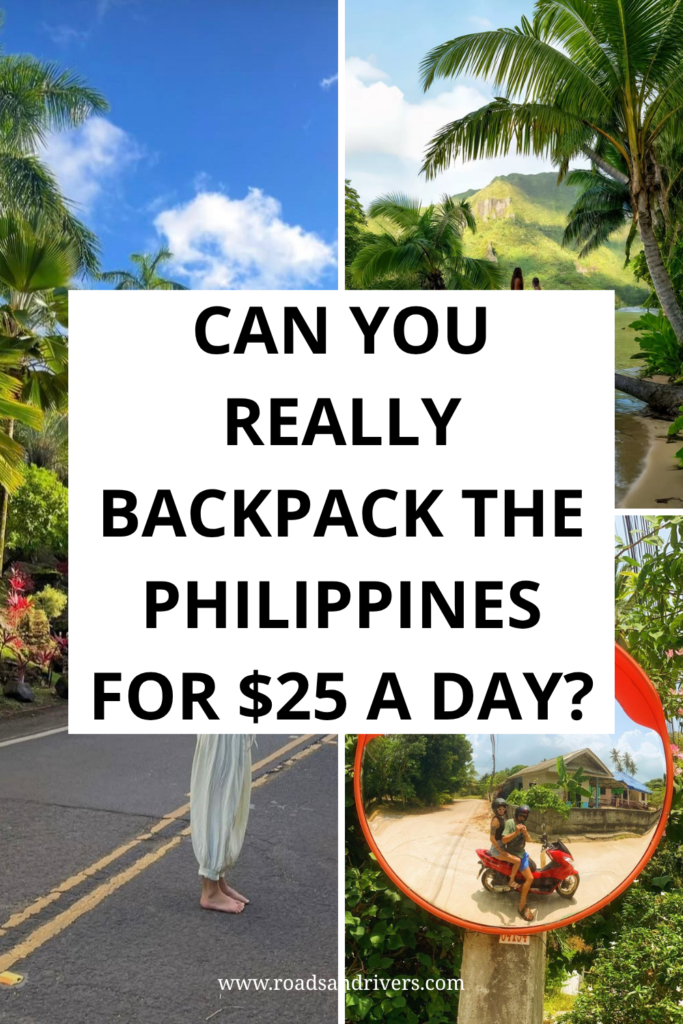
- Can You Really Backpack the Philippines for $25 a Day?
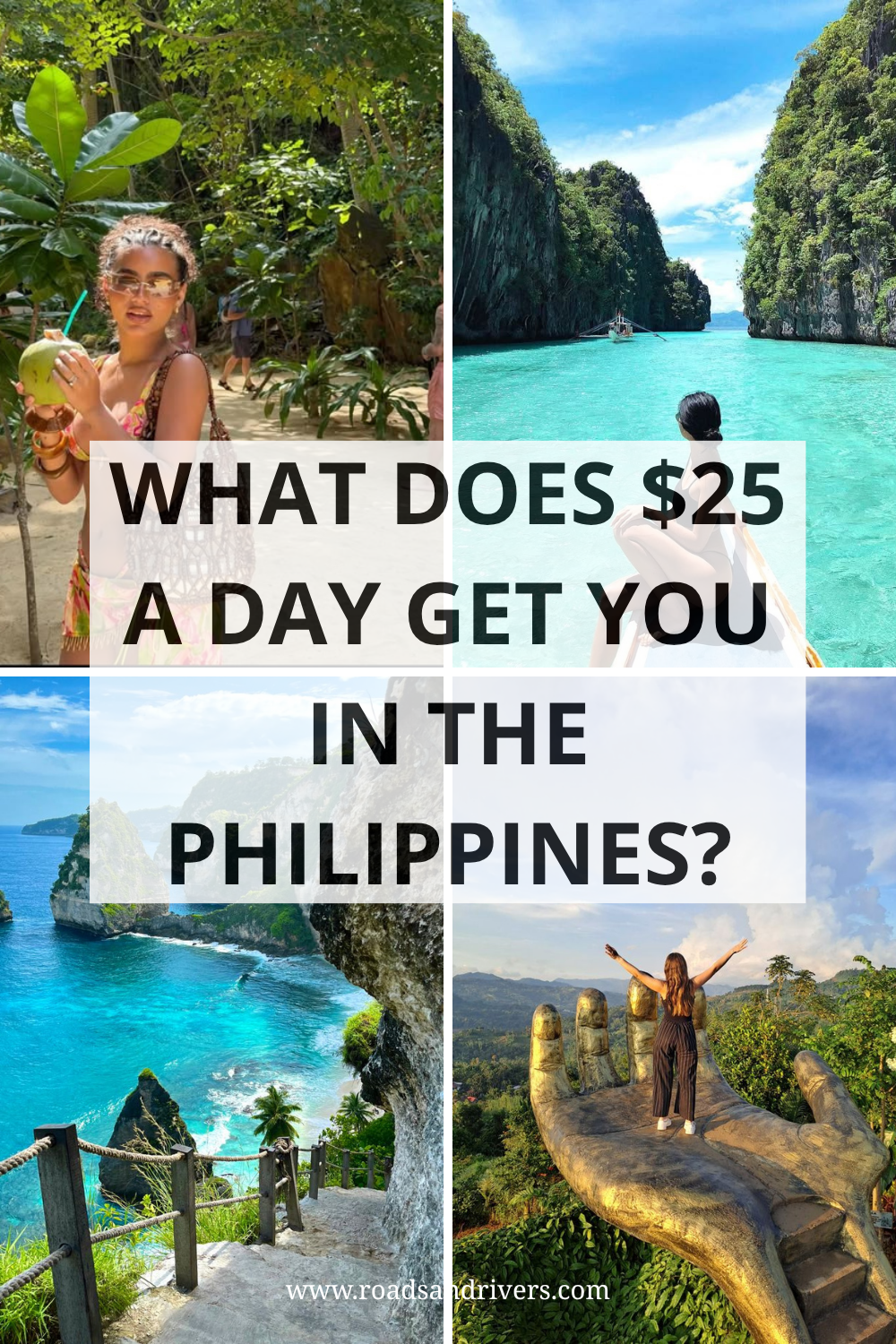
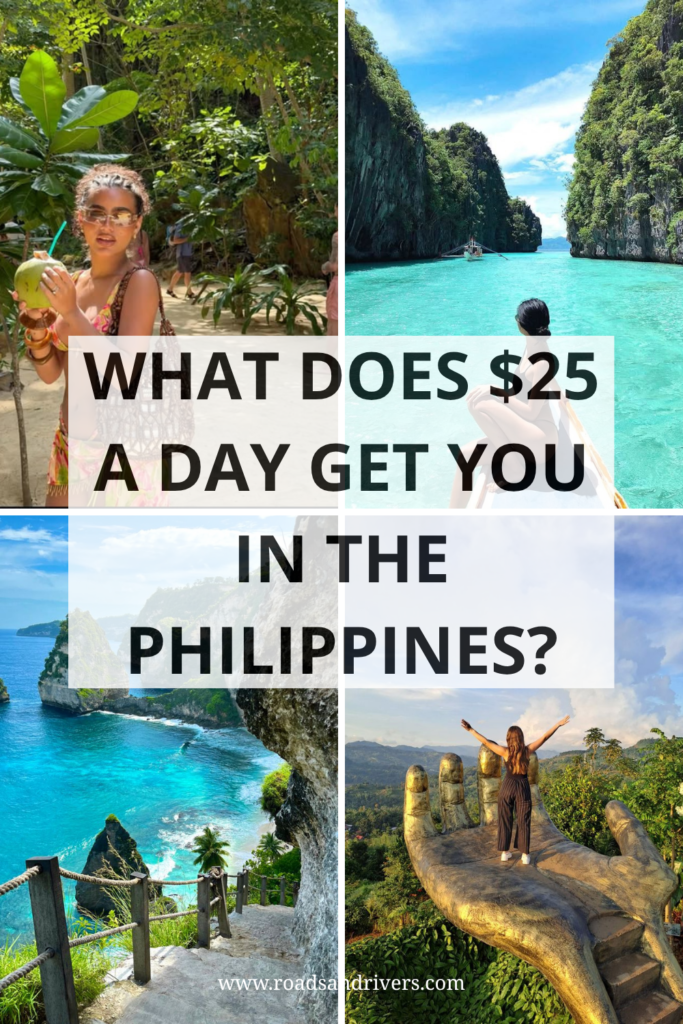
- What Does $25 a Day Get You in the Philippines?
- The Best Budget Backpacker Route Through the Philippines
- Philippines on a Budget: 7 Money-Saving Moves
- 5 Philippines Budget Mistakes That Cost You Double
- Think the Philippines Is Too Pricey to Backpack?
- Budget Philippines: The Best Decision I Made
- Philippines Budget Breakdown: Real Costs in 2026
- Key Takeaways
- FAQ
Quick-Reference Info Box
Best time to visit: November–May (dry season; best sea conditions for island-hopping)
Budget range: $25/day (mainland/off-peak) to $45/day (Palawan, Siargao, peak season)
Currency: Philippine Peso (PHP / ₱); 1 USD ≈ 56–58 PHP in 2026
Visa: Most nationalities get 30 days free on arrival; extendable at Bureau of Immigration
Internal transport: Domestic flights (₱1,000–₱3,000 booked early), ferries, jeepneys, tricycles, scooters
Cash warning: Many islands have limited ATMs — always withdraw before departing mainland cities
Language: English is widely spoken across the country
Can You Really Backpack the Philippines for $25 a Day?
Yes — on the right islands, at the right time of year, with the right approach to food and transport.
The honest breakdown: on mainland areas and smaller, less-touristed islands, $25 a day is comfortable. On Palawan (El Nido, Coron) and Siargao, it’s tight but achievable if you’re strategic. On Boracay during peak season, it’s genuinely difficult. The Philippines’ geography means your daily budget changes with every island you move to.
Two decisions control most of your spending: where you sleep and whether you take organized tours. Dorm beds run ₱350–₱600 in most backpacker areas. A private room at a local guesthouse runs ₱700–₱1,200 outside tourist hubs. Tour prices are where budgets explode — and where locals find alternatives that cost a fraction of the organized rate.
The other variable: domestic flights. The Philippines’ island geography means you’ll probably fly between major hubs. Book these early through Cebu Pacific or AirAsia Philippines and pay ₱1,000–₱3,000 per leg. Buy them a day before departure and pay ₱4,000–₱8,000. Flight timing is the single biggest controllable budget factor in the Philippines.
Pro tip: The Philippines is cash-heavy. Many islands, guesthouses, restaurants, and tour operators don’t take cards. Withdraw from ATMs in major cities before heading to islands — ATMs in El Nido frequently run dry during peak season.
What Does $25 a Day Get You in the Philippines?
A lot more than most travelers expect. Here’s the honest daily spending picture:
Accommodation (₱350–₱700): A dorm bed in a solid backpacker hostel on Siargao or in El Nido runs ₱400–₱600. A private room at a budget guesthouse in Bohol, Siquijor, or Cebu costs ₱600–₱900. In major cities (Cebu City, Manila), budget hostels with AC run ₱350–₱500 for dorms.
Food (₱300–₱500): This is where the Philippines works hardest in your favor. A karinderya — a local canteen with pre-cooked dishes, eat at the counter — serves rice plus viand for ₱70–₱150. Three meals from karinderias and market stalls: ₱250–₱450. Add one restaurant meal with drinks and you’re at ₱500–₱700. The rule is simple: every meter you walk away from a beach resort, prices drop.
Transport (₱100–₱300): Jeepneys and tricycles cover most short distances for ₱15–₱50. Scooter rental — the single best transport decision in the Philippines — costs ₱350–₱500 per day plus ₱100 in fuel for a generous loop. On a motorbike, you reach beaches and viewpoints that cost ₱800–₱2,000 to access by organized tour.
Activities (averaged over days): Group island-hopping tours in El Nido run ₱1,200–₱2,000 per person including lunch, plus environmental fees. Spread across the days between tours, this averages to a manageable daily cost. The secret: not every day involves a paid tour. Markets, hikes, waterfalls, local beaches, sunrise viewpoints — the Philippines has an enormous amount that costs nothing.
On a typical non-tour day: ₱500 accommodation + ₱450 food + ₱200 scooter fuel + ₱0–200 free activities = under ₱1,400 (roughly $25).
The Best Budget Backpacker Route Through the Philippines
The Philippines rewards travelers who move with purpose rather than chasing every island. This route covers the best of the country without the budget-destroying internal flight combinations.
Manila (1–2 days)
Land, sort your onward flights, eat at Jollibee or a local turo-turo restaurant, and move on. Manila is a transit city more than a destination for backpackers. Intramuros (the old walled city) and Binondo (Chinatown) are worth a half-day each.
Bohol (3–4 days)
Fly or ferry from Manila or Cebu. Bohol has the Chocolate Hills (striking volcanic landscape that really does look chocolate-colored in dry season), the Philippine tarsier — one of the world’s smallest primates — and excellent diving and snorkeling. It’s less expensive than Palawan and underrated. Panglao Island has good beaches and a relaxed atmosphere.
Cebu / Moalboal (3–4 days)
Cebu is the main transport hub for the southern islands. Moalboal, 90 minutes south by bus (₱120), is one of the best and most affordable diving and snorkeling destinations in the country. Sardine runs right off the beach, sea turtles in shallow water, and Kawasan Falls canyoneering for ₱1,500–₱2,000. Budget accommodation here runs ₱500–₱800 for a private room.
Siargao (5–7 days)
The Philippines’ surf capital and one of the most beautiful islands in the country. Cloud 9 is the headline wave, but the island has enough off-the-board activities — lagoons, rock pools, coconut road cycling, island-hopping to Daku, Guyam, and Naked Island — to fill a week without surfing. Surf hostels in General Luna run ₱400–₱700 for dorms. The energy is barefoot, laid-back, and genuinely cheap once you’re there.
Palawan: Puerto Princesa → Port Barton → El Nido (7–10 days)
Fly into Puerto Princesa. The Puerto Princesa Subterranean River — one of the seven wonders of the natural world — is worth the organized tour (₱1,500–₱2,000). Then bus north through Port Barton (a quieter, cheaper alternative to El Nido for snorkeling and sandbanks) and on to El Nido. El Nido’s group island-hopping tours cover Big Lagoon, Small Lagoon, Secret Lagoon, Shimizu Island, and 7 Commando Beach. Tour A is the most popular for good reason — it shows Palawan at its most spectacular, wrapped into one extraordinary day on the water.
Read more: Best Islands in Thailand: How To Pick the Right One for You
Philippines on a Budget: 7 Money-Saving Moves
These seven moves are what separate backpackers who stay on budget from those who arrive home wondering where the money went.
1. Book domestic flights early
Cebu Pacific and AirAsia Philippines run frequent promotions. Flights booked 4–8 weeks out cost ₱1,000–₱3,000 between major hubs. The same flight booked a week out can cost ₱5,000+. Budget your entire internal flight schedule before you arrive.
2. Rent a scooter instead of taking tours
On most islands, renting a scooter (₱350–₱500/day) lets you reach 80% of what organized tours cover for a fraction of the price. On Bohol, Cebu, and Siquijor, this completely changes the economics of exploring. On strictly boat-dependent destinations like El Nido, you still need tours — but everywhere land transport applies, the scooter wins.
3. Eat at karinderias every day
A karinderya is a local canteen — point at the dishes you want, rice included, ₱70–₱150 per plate. This is real Filipino food, usually better than tourist-area restaurants, and costs a quarter of the price. Every backpacker who eats at least two karinderya meals per day saves ₱300–₱500 daily compared to restaurant-only eating.
4. Take the night ferry instead of flying
Manila to Cebu or Iloilo by overnight ferry costs ₱600–₱1,200 in a seat or bunk. Flying costs ₱2,000–₱4,000 and requires a day of airports. The ferry saves the flight cost and a night’s accommodation simultaneously. The AC is intense — bring a jacket.
5. Book group island-hopping, not private
In El Nido, a group tour runs ₱1,200–₱2,000 per person. A private tour runs ₱4,000 per boat (for 2–4 people). Unless you have a compelling reason for privacy, the group tour delivers the same lagoons and beaches for 40–60% less cost.
6. Travel during shoulder season
November–January is peak season (European winter; most expensive, most crowded). May–June and October are shoulder season — good weather on most islands, prices 20–30% lower, fewer tourists at the headline spots.
7. Withdraw cash in cities, not on islands
ATMs on remote islands charge higher fees, run out of cash, and sometimes don’t accept foreign cards. Every peso you withdraw in Manila, Cebu City, or Puerto Princesa saves you stress and fees on the islands.
5 Philippines Budget Mistakes That Cost You Double
These five mistakes consistently double the daily spend of travelers who know the Philippines is cheap but haven’t learned how to be cheap there.
1. Booking accommodation on apps instead of walking in
Guesthouses in the Philippines frequently offer 10–20% discounts for direct bookings versus booking platforms, particularly for multi-night stays. In El Nido and Siargao, walk the main streets with your pack, look at a few places, and negotiate for three or more nights at once.
2. Eating within 100 meters of any beach
The beach premium is real across the Philippines. Move one street back from the waterfront and prices drop immediately. Move two streets back and you’re eating at local prices. The food quality often improves at the same time.
3. Underestimating Palawan costs
El Nido and Coron are more expensive than everywhere else in the Philippines. Budget travelers who plan their entire trip at $25/day and then spend a week in El Nido without adjusting end up overspent. Build a ₱2,000–₱2,500/day (roughly $36–45) budget for Palawan days with island-hopping tours, and keep costs lower on other islands to compensate.
4. Taking taxis at the airport instead of jeepneys
Manila’s NAIA airport has well-documented taxi scams — overcharging, broken meters, fake meters. Take the official airport taxi line, agree on metered fare, or book a Grab (the regional Uber) from the arrival hall using airport WiFi before you exit. In Cebu, a Grab from the airport to the city center costs ₱200–₱300 versus the ₱500–₱800 that many taxi drivers quote.
5. Skipping travel insurance because it feels optional
The Philippines has excellent medical facilities in major cities and essentially none in many island areas. Medical evacuation from a remote island can cost thousands of dollars. Leptospirosis from waterfall swims, motorbike slides on unpaved roads, coral cuts that become infected in tropical heat — these are not hypothetical risks. Travel insurance for Southeast Asia costs $30–50 for a month. It is not optional.
Read more: Ultimate Guide on Backpacking Asia in a Budget-Friendly Way
Think the Philippines Is Too Pricey to Backpack?
The reputation for expense comes from the wrong comparison. The Philippines is more expensive than Vietnam or Cambodia — local meals cost more, transport costs more, accommodation costs more. But compare it to almost any other island destination with equivalent natural beauty and the math flips entirely.
Greece’s islands, Croatia, the Maldives, Hawaii — all of them put the Philippines’ costs in perspective. A group island-hopping tour of Palawan for ₱1,500 (roughly $27) includes a full day on turquoise lagoons, dramatic limestone cliffs, and beaches that would cost $200+ to access in comparable destinations.
The Philippines is only expensive if you approach it like a European resort destination. Approach it like the Southeast Asian island paradise it actually is — eat local food, rent a scooter, take group tours, sleep in guesthouses, travel by bus and ferry — and it becomes one of the best-value countries on earth.
Budget travelers who spend time in the Philippines consistently report the same thing: it was cheaper than expected and better than expected. The two facts are not unrelated.
Read more: How To Plan the Perfect Trip to Bali on a Budget
Budget Philippines: The Best Decision I Made

Budget Philippines is not a consolation prize for people who can’t afford the resorts. It’s a different trip — and genuinely a better one for experiencing the country as it actually is.
The backpacker circuit in the Philippines is mature, well-worn, and excellent. In Siargao, your hostel will organize evening dinners and group trips to the rock pool at Sugba Lagoon. In El Nido, you’ll form a boat group by day two that travels together for a week. In Moalboal, you’ll rent bikes and ride to viewpoints no tour van goes near.
Filipino food — properly explored through karinderias, street stalls, and market eateries — is outstanding and almost criminally underrated on the international food circuit. Adobo, sinigang, kare-kare, lechon, sisig, fresh seafood grilled right on the beach — these are meals worth traveling for, and they cost ₱70–₱250 per plate.
The tarsier watching you from a branch in Bohol. The sardine run in Moalboal where you snorkel through a silver-black mass of ten million fish. The moment the boat rounds a limestone cliff in El Nido and the lagoon opens up ahead in shades of green and blue that don’t look possible. These experiences don’t require a luxury budget. They require showing up.
Philippines Budget Breakdown: Real Costs in 2026

Here’s a realistic daily cost breakdown for a budget backpacker in the Philippines in 2026:
| Category | Budget (per day) | Mid-Range (per day) |
|---|---|---|
| Accommodation | ₱400–₱700 (dorm/guesthouse) | ₱900–₱1,500 (private room) |
| Food | ₱300–₱500 (karinderyas + street food) | ₱600–₱1,000 (mix restaurants) |
| Transport | ₱100–₱300 (jeepney/scooter fuel) | ₱300–₱600 (scooter + occasional Grab) |
| Activities (averaged) | ₱200–₱500 (mostly free + occasional tour) | ₱500–₱1,500 (tours, entry fees) |
| Total daily | ₱1,000–₱2,000 (~$18–35) | ₱2,300–₱4,600 (~$40–80) |
Island-hopping tour days spike the daily cost significantly — a group tour in El Nido runs ₱1,200–₱2,000 on top of regular daily costs. Balance these with cheaper free-activity days (scooter exploring, hiking, beach days) and the weekly average stays manageable.
The $25-a-day figure is a real daily average achievable on most non-Palawan islands. On Palawan, plan for $35–45. Over a 3-week Philippines trip mixing islands, the overall average tends to land at $28–35/day for disciplined budget travelers.
Read more: The Survival Guide: Must-Have Beach Day Essentials for 2026
Key Takeaways
- $25/day is achievable on most Philippine islands outside Palawan; plan $35–45 for El Nido and Siargao
- Book domestic flights 4–8 weeks in advance; flight timing is the biggest controllable budget variable
- Eat at karinderias (₱70–₱150 per plate) — two meals daily saves ₱300–₱500 versus restaurant eating
- Rent a scooter (₱350–₱500/day) instead of organized tours wherever land transport applies
- Withdraw cash in major cities; many islands have unreliable ATMs
- Budget Philippines isn’t a compromise — it’s the best way to actually experience the country
FAQ
How much does it cost to backpack the Philippines per day?
Budget travelers can manage $25–35 per day on most Philippine islands, covering hostel accommodation, three meals at local karinderias and street stalls, scooter transport, and free or low-cost activities. On Palawan (El Nido, Coron) and Siargao, budget for $35–45 per day to include island-hopping tours. Over a full trip mixing islands, most disciplined budget backpackers average $28–35 per day.
When is the best time to backpack the Philippines?
November through May is the dry season, with calm seas ideal for island-hopping and diving. December through February is the peak of peak season — most expensive and most crowded, but best weather. May and June are excellent: dry, less crowded, prices start to ease. The typhoon season (July–October) brings significant rainfall and frequent boat tour cancellations, but dramatically lower prices — suitable for travelers with flexible schedules.
Is the Philippines safe for solo backpackers?
The Philippines is generally safe for backpackers in tourist destinations. The backpacker circuit — Siargao, El Nido, Coron, Moalboal, Bohol, Boracay — is well-established and solo-traveler-friendly. Standard precautions apply: keep valuables secure, use Grab instead of hailed taxis in cities, check travel advisories for Mindanao (some areas have government travel warnings). Solo female travelers backpack the Philippines successfully and regularly.
Which is the cheapest island to visit in the Philippines?
Siquijor, Moalboal, and Bohol consistently rank as the most affordable islands for backpackers. Siquijor is a small, quiet island with a mystical reputation and guesthouses running ₱500–₱800 for private rooms. Moalboal has outstanding snorkeling and diving at very accessible prices. Port Barton on Palawan is the cheaper, quieter alternative to El Nido. Siargao is mid-range — not cheap, but excellent value for what it delivers.
Do you need cash in the Philippines?
Yes — significantly more than in most Southeast Asian countries. The majority of guesthouses, restaurants, market stalls, jeepneys, tricycles, and tour operators outside major cities don’t accept cards. El Nido is almost entirely cash-based. Always withdraw from ATMs in Manila, Cebu City, Puerto Princesa, or Davao before heading to islands.
Backpacked the Philippines on a tight budget and found a hidden island or karinderya worth knowing about? Tell us in the comments — the best Philippines tips always come from people who’ve just been there.