
Florida has more than 1,300 miles of coastline, 800 miles of sandy beaches, and exactly zero shortage of opinions about which one is best. The problem is not finding a Florida beach destination — it is finding the right one for the trip you actually want to take.
Clearwater and Miami are not interchangeable. The Florida Keys and Pensacola Beach are both in the same state and feel like different planets. A family with young children, a couple looking for a romantic sunset, a solo traveler on a tight budget, and a group of friends who want nightlife all need completely different answers to the question “where should we go in Florida?”
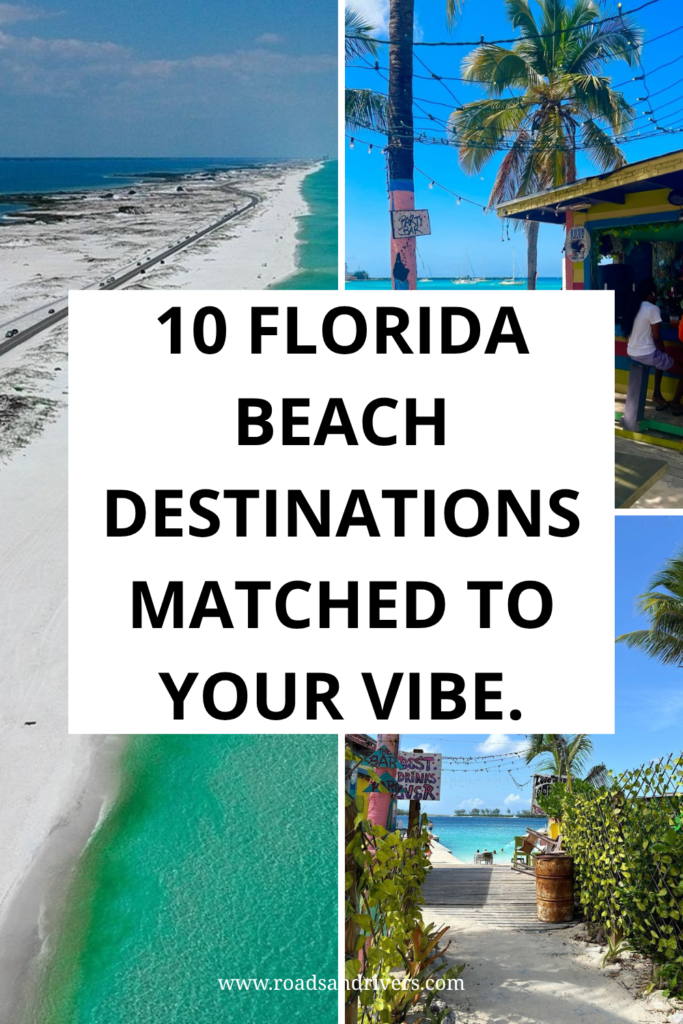
This guide skips the generic ranking and matches each destination to the travelers it actually suits best. Find your vibe, pick your beach.
Quick-Reference: Florida Beach Destinations by Traveler Type
| Traveler Type | Best Pick | Runner-Up |
|---|---|---|
| Couples / Romance | Naples | Amelia Island |
| Families | Clearwater Beach | St. Pete Beach |
| Party / Nightlife | Miami Beach | Fort Lauderdale |
| Budget Travelers | Pensacola Beach | St. Augustine Beach |
| Hidden Gem Seekers | Apalachicola | Cedar Key |
| Outdoor Adventure | Florida Keys | Honeymoon Island |
| Spring Breakers | Panama City Beach | Daytona Beach |
| Nature Lovers | Canaveral National Seashore | Lovers Key |
| Road Trippers | 30A (Scenic Highway) | Florida Keys Overseas Highway |
| Viral / Trending | Weeki Wachee / Rainbow Springs | Salt Springs |
1. Clearwater Beach — Best for Families
Clearwater Beach consistently ranks as one of the top family beaches in the entire United States, and the reasons are straightforward: calm Gulf of Mexico water that is warm and shallow, white quartz sand that stays cool underfoot even in summer, a well-maintained beachfront with lifeguards, and a walkable Pier 60 area with restaurants, shops, and nightly sunset street performances.
The water here is protected enough that young children can wade safely, and the color — that specific shade of emerald green that Gulf Coast beaches do — is genuinely striking on a clear day. Dolphin-watching boat trips leave from the marina regularly. The Clearwater Marine Aquarium, home to Winter the dolphin (of the Dolphin Tale films), is a solid rainy-day option.
Best time to go: April–May or September–October — warm enough to swim, before or after the peak summer crowd.
Pro tip: Stay on the island itself rather than the mainland Clearwater. The beach is accessible only by bridge, which means it has a self-contained feel that keeps the chaos manageable.
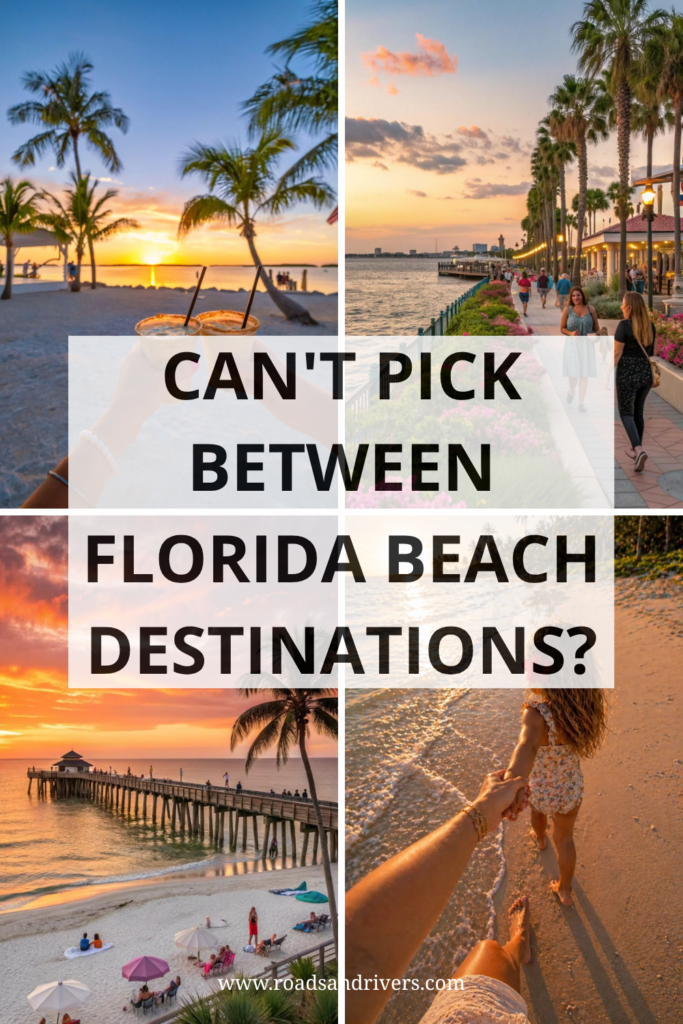
2. Naples — Best for Couples and Romance
Naples is where Florida beach vacations go upscale. The beach itself — fine white sand, calm Gulf water, excellent shelling — is genuinely beautiful, but what separates Naples from other Gulf Coast destinations is the town surrounding it: a walkable downtown full of good restaurants, art galleries, boutique shopping on Fifth Avenue South, and the Naples Pier stretching out over water that turns gold at sunset.
The sunsets here are legitimately world-class. The western Gulf-facing orientation, the low horizon, and the wide, uncrowded beach combine for nightly displays that attract a crowd at the pier but never feel overwhelming.
Naples is not cheap. It is one of Florida’s wealthier communities and the accommodation and restaurant prices reflect that. But for a romantic long weekend — a couple of nights in a boutique hotel, good seafood, long beach walks at golden hour — it earns the price tag.
Pro tip: The Naples Pier was rebuilt after storm damage and is worth visiting both at sunset and early morning, when it is quiet and pelicans crowd the railings.
3. Miami Beach — Best for Nightlife and the Full Florida Experience
Miami Beach — specifically South Beach — is the one Florida beach destination that needs no introduction. Art Deco buildings in pastel colors, an ocean drive lined with restaurant terraces, the Atlantic on one side and Biscayne Bay on the other, nightclubs that run until sunrise. It is everything the reputation says.
It is also, in peak summer, very crowded and expensive. The beach itself fills up by 10 AM on weekends. Ocean Drive can feel like a parody of itself. The gap between the beautiful dream of South Beach and the chaotic reality of South Beach in August is significant.
The fix: visit in November or early December. The weather is still genuinely warm, the crowds thin dramatically, the ocean is still swimmable at 27°C, and you get all the energy and architecture without fighting for a sun lounger.
Read more: If Miami is on your list, South Beach vs Downtown Miami: Where Should You Actually Stay? breaks down the accommodation decision with more detail than any other comparison.
Pro tip: The stretch of beach between 1st and 5th Street in South Beach is less crowded than the prime stretch around 10th–14th. Same sand, same water, fewer bodies.
4. Pensacola Beach — Best for Budget Travelers
Pensacola Beach sits in the Florida Panhandle on a barrier island and has some of the finest white sand in the entire state — the quartz-and-limestone sand here is measured in degrees of whiteness and consistently ranks at the top. The water is clear and green in a way that surprises visitors used to the East Coast’s grey-blue Atlantic.
Crucially, Pensacola is significantly cheaper than the Gulf’s more famous destinations. Accommodation is more affordable, parking is easier, and the town has a genuine local character — it is home to a major naval air station and has a working-town feel alongside the beach resort infrastructure. The National Naval Aviation Museum is free and genuinely extraordinary, even for visitors with no particular interest in aviation.
The Gulf Islands National Seashore stretches along this stretch of coast and provides access to protected, undeveloped beach that looks essentially unchanged from how it appeared centuries ago. No umbrellas, no vendors, no crowds.
Best time to go: May and October for the best combination of warm water, white sand, and manageable prices.
5. The Florida Keys — Best for Outdoor Adventure and Snorkeling
The Florida Keys are not a single beach — they are a 125-mile chain of islands connected by the Overseas Highway, one of the great American road trips, where the road runs on a series of bridges directly over water so blue and shallow it looks painted.
The beaches here are small and rocky by Florida standards — the Keys are coral formations, not the quartz sand beaches of the Gulf Coast. What they offer instead is unparalleled access to living coral reef. John Pennekamp Coral Reef State Park off Key Largo is the first underwater park in the United States and has snorkeling and diving among coral gardens that put most Caribbean destinations to shame. Islamorada is known for sport fishing. Marathon has excellent kayaking through mangrove tunnels. Key West is the end of the road and the closest thing Florida has to a Caribbean party island — Jimmy Buffett territory, with its own specific laid-back energy.
Pro tip: Driving the Overseas Highway from Florida City to Key West is the experience, not just the destination. Stop at every beach access point and don’t rush it. The Seven Mile Bridge section especially.
For a boat day in the Keys, The Ultimate Boat Day Essentials You Shouldn’t Forget covers the gear that makes the difference between a great afternoon on the water and a sunburned, underprepared one.
6. St. Pete Beach — Best for Laid-Back Gulf Coast Vibes
St. Pete Beach delivers the quintessential Gulf Coast Florida experience without the price tag of Naples or the crowd intensity of Clearwater. The wide, pale sand beach faces west, which means sunsets directly over the water every evening. The Don CeSar — a huge pink Art Deco resort that has sat on the beach since 1928 — is a landmark even if you are not staying there.
The beach itself is long and rarely feels overcrowded outside of spring break. The town behind it has a good mix of casual bars, seafood restaurants, and beach shops without tipping into tacky resort-town territory.
Best for: Couples and solo travelers who want the Gulf experience without the luxury price or the family-crowd noise of Clearwater.
7. Amelia Island — Best Hidden Gem for Couples
Amelia Island sits in the far northeastern corner of Florida, just south of the Georgia border, and is genuinely one of the most beautiful and undervisited beach destinations on the entire East Coast.
The beaches here are dramatic in a different way from the Gulf Coast — the Atlantic here hits wide, hard-packed sand with a 13-mile barrier island that has been protected from overdevelopment. Fernandina Beach, the main town, has a Victorian-era downtown with good restaurants, independent shops, and a historic district that feels nothing like a beach resort.
Wildlife is exceptional here. Loggerhead sea turtles nest on the beaches from May through August. The Fort Clinch State Park section offers wild, empty beach walking among coastal scrub and century-old fortifications. Horseback riding on the beach at sunrise is an Amelia Island signature experience.
Pro tip: This is genuinely one of those destinations that most Florida visitors have never heard of. If you want the Florida beach experience without the Florida beach crowds, this is the answer.
8. 30A — Best for the Scenic Road Trip Beach Experience
Scenic Highway 30A is a 24-mile road running along the Gulf Coast through a string of small towns — Seaside, Rosemary Beach, Alys Beach, Watercolor — each with its own distinct character but all sharing the same extraordinary “Emerald Coast” water that sits at the intersection of turquoise and teal.
This is not one beach — it is a road trip destination where you stop, swim, eat, and drive to the next charming town. Seaside is famous as the filming location for The Truman Show. Alys Beach is an architectural statement in all-white buildings. Rosemary Beach has the best boutique accommodation on the corridor.
The 30A beaches are among the most photogenic in Florida — the water color combined with the absence of major hotel towers (strict height limits keep development low) creates a beach landscape that feels almost European in its restraint.
Best time to go: September and October for near-perfect weather, warm water, and dramatically lower prices than peak summer.

9. Weeki Wachee and Rainbow Springs — Best Viral / Trending Destination
Florida’s freshwater springs are having a significant cultural moment, and for good reason. These are natural swimming holes fed by underground springs that maintain a constant 68–72°F year-round, with visibility up to 100 feet and surrounding ecosystems of cypress trees, manatees, and birds.
Weeki Wachee Springs State Park is famous for its “mermaids” — performers who have been doing underwater shows in the natural spring since 1947. Rainbow Springs State Park near Dunnellon has a tubing river through sub-tropical forest that is one of the most pleasant outdoor experiences in Florida. These are not ocean beaches, but they belong in any honest Florida destination guide because they are genuinely extraordinary and still relatively uncrowded compared to the coast.
For tubing and river floating in Florida springs, 10 Amazing River Floating and Tubing Tips For First Timers covers what you need to know before your first spring day.
Pro tip: Arrive early. Spring parks have capacity limits and fill up fast on summer weekends, often turning cars away by 10 AM.
10. Panama City Beach — Best for Spring Breakers (and What to Know If You’re Not One)
Panama City Beach has a well-earned reputation as Florida’s spring break capital, and in March and early April it lives fully up to it — packed with college students, beachfront parties, and wall-to-wall bars along the strip.
The rest of the year it is a different destination entirely. The beach itself — soft white sand, clear emerald water — is genuinely excellent. Pier Park has a good mix of restaurants and entertainment. Shell Island, accessible only by boat, is a pristine uninhabited barrier island just offshore with excellent shelling and snorkeling.
If you are not a spring breaker, avoid March completely and visit in September or October. You get the same extraordinary beach at a fraction of the cost and crowd level.
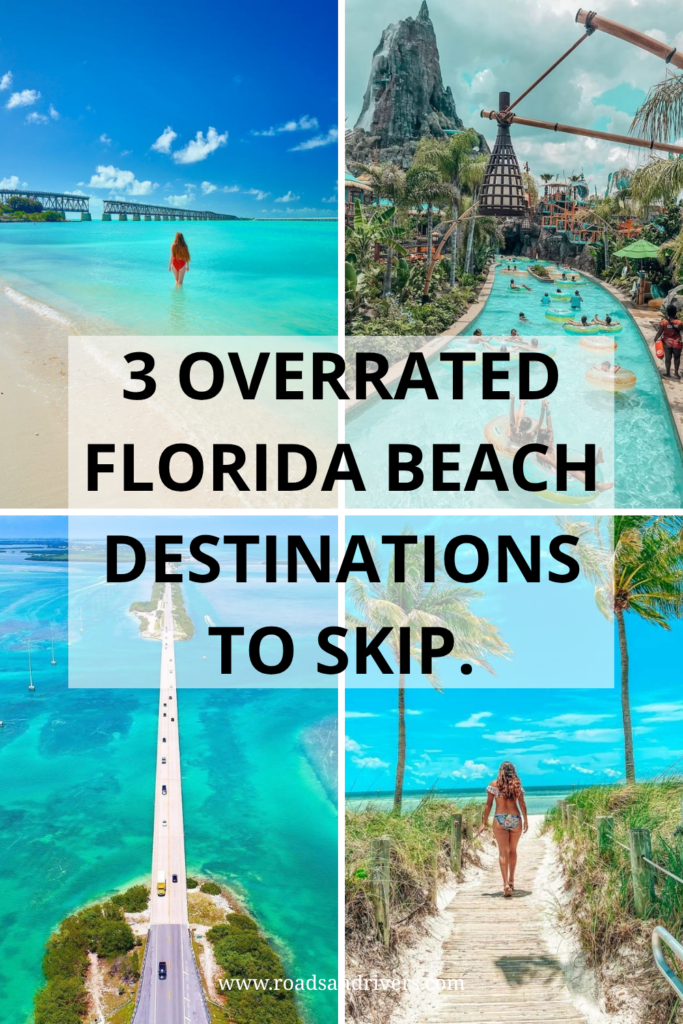
The 3 Most Overrated Florida Beach Destinations (And What to Do Instead)
Daytona Beach. Famous for NASCAR and spring break, but the beach itself is wide, car-accessible (literally — you can drive on it), and surrounded by a strip that has seen better decades. Skip it unless you are specifically there for a race. Instead: Head 60 miles north to St. Augustine Beach — the oldest city in the United States with a far more interesting historic core and a beach that is quieter and more pleasant.
Fort Lauderdale Beach. Competent but not exceptional. The beach is fine, the hotel strip is functional, but there is nothing that Fort Lauderdale does better than its neighbors at lower cost or higher quality. Instead: Drive 30 minutes south to Hollywood Beach, which has a European-style broadwalk (not boardwalk — it is brick-paved), a less commercialized beach atmosphere, and significantly cheaper accommodation.
Cocoa Beach. Often recommended as the obvious beach trip from Orlando. The beach is not bad, but it is heavily developed and the Ron Jon Surf Shop tourist experience defines the atmosphere more than the beach itself. Instead: Drive 30 minutes north to Canaveral National Seashore for completely undeveloped, protected Atlantic beach that looks nothing like the rest of the Florida coast.
Before You Pack: Florida Beach Day Essentials
Florida sun is serious. The UV index in summer regularly hits 10–11, which means sunscreen needs to be reapplied more frequently than most visitors plan for, and sun protection for children needs to be considered from the moment you leave the car.
For everything you need to bring — and what to leave behind — The Survival Guide: Must-Have Beach Day Essentials for 2026 covers it comprehensively. And if you are bringing kids, Honest Guide on How to Make Camping with Toddlers Easy has practical family-beach logistics that apply equally well to a Florida beach day.
Key Takeaways
- Florida has the full spectrum of beach experiences — the key is matching the destination to your actual travel style, not the most-Googled answer
- Gulf Coast beaches (Clearwater, Naples, St. Pete, 30A, Pensacola) have calmer water, whiter sand, and better sunsets
- East Coast and Keys beaches offer better snorkeling, wildlife, and road-trip opportunities
- The most overrated destinations are usually the most famous ones — the best hidden gems (Amelia Island, Apalachicola, the springs) reward travelers who look past the first page of search results
- Visit off-peak (September–October or April–May) for dramatically better prices and manageable crowds at any destination
- Florida’s freshwater springs are the sleeper hit of the state — genuinely extraordinary and still undervisited
Conclusion
Florida’s coastline is long enough to give every traveler a completely different experience. The family with two toddlers and the couple celebrating an anniversary and the group of friends who want the Keys do not need the same beach — and Florida has all three, plus everything in between.
Pick your vibe. Drive toward the water. The rest figures itself out.
Which Florida beach destination is on your list? Drop it in the comments — and if you have a hidden gem worth sharing, we want to hear about it.
FAQ
What is the best Florida beach for families?
Clearwater Beach is the consistent top pick for families — calm Gulf water, wide white sand, lifeguards, and a walkable pier area with evening entertainment. Siesta Key near Sarasota is a close second for the quality of its sand.
What is the most beautiful beach in Florida?
This depends heavily on what you find beautiful. For turquoise Gulf water and white sand: Pensacola Beach and 30A. For dramatic natural scenery: the Florida Keys’ Bahia Honda State Park. For sunsets: Naples. For an uncrowded natural beach: Canaveral National Seashore on the Atlantic side.
What is the best time to visit Florida beaches?
April through May and September through October are the sweet spots — warm enough to swim comfortably, outside the peak summer crowds, and with lower accommodation prices. March brings spring break chaos to Panhandle beaches. July–August is peak season everywhere with the highest heat, humidity, and prices.
Are there any hidden gem beaches in Florida?
Yes. Amelia Island in northeast Florida is consistently underrated. Apalachicola on the Panhandle is quieter and more atmospheric than its neighbors. Lovers Key State Park near Fort Myers is accessed by a short boat ride and stays uncrowded even in peak season. The freshwater springs — Rainbow Springs, Ichetucknee, Ginnie Springs — are extraordinary natural swimming areas that most out-of-state visitors never discover.
Which Florida beach is best for snorkeling?
John Pennekamp Coral Reef State Park in Key Largo has the best snorkeling in Florida — living coral reef accessible from shore or by short boat trip. Bahia Honda State Park in the Middle Keys is the second best option. On the Gulf side, Cayo Costa Island (accessible only by ferry) has excellent snorkeling in clear, shallow water.