
You’ve been scrolling through those perfectly aesthetic Japan photos: cherry blossoms in Kyoto, neon-lit streets in Tokyo, steaming bowls of ramen in Osaka. And now you’re doing the thing every future traveler does. You’re opening a new tab and typing: “How much does Japan actually cost?”
Here’s the truth. Japan has a reputation for being expensive, and for years, that reputation was earned. But in 2026, things look very different. The Japanese yen has been hovering around ¥150 to $1 USD for nearly three years now, which means your dollar (or euro) stretches about 25-30% further than it did before 2022. A trip to Japan right now is more affordable than most people expect.
This post breaks down every major cost category with real numbers. Flights, accommodation, food, transport, activities, and the sneaky hidden fees that catch first-timers off guard. Whether you’re planning a week in Tokyo or a two-week loop through Japan’s biggest cities, you’ll walk away knowing exactly what to budget.
Quick-Reference Info Box
- Best time to visit: March-April (cherry blossoms), October-November (fall foliage), or June-February for lower prices
- Average daily budget: $80-$100 (budget), $150-$250 (mid-range), $400+ (luxury)
- Getting there: Direct flights from major hubs; consider flying into Osaka for cheaper fares
- Days needed: 7 days minimum, 10-14 days ideal for Tokyo + Kyoto + Osaka
Table of Contents
- Is Japan Actually Expensive in 2026?
- What Does a Week in Japan Actually Cost?
- The Biggest Japan Travel Expenses (and How to Cut Them)
- 5 Hidden Japan Costs Nobody Warns You About
- Afraid Your Japan Budget Won’t Be Enough? Here’s How to Stretch It
- What Makes Japan Worth Every Yen
- FAQ
Is Japan Actually Expensive in 2026?
The short answer: not nearly as expensive as you think. And definitely not as expensive as Western Europe or most major US cities.
The weak yen is the biggest factor working in your favor right now. With the exchange rate sitting around ¥150 per dollar, everything from hotels to train tickets to that late-night bowl of tonkotsu ramen feels significantly cheaper than it did just a few years ago. What used to cost $15 for a meal now runs closer to $10-11. A comfortable hotel room that would have been $150 a night? You can find that same quality for around $100-110.
To put things in perspective, Japan welcomed over 42 million international visitors in 2025, the strongest tourism year in the country’s history. That flood of travelers isn’t a coincidence. People figured out that Japan in 2026 is one of the best travel deals on the planet for anyone coming from a stronger currency.
Compared to Southeast Asian countries like Thailand or Vietnam, Japan is still more expensive on a day-to-day basis. But compared to London, Paris, New York, or Zurich? Japan wins, and it’s not even close. The food quality alone at budget price points is leagues ahead of what you’d get for the same money in Europe. If you’ve been eyeing the best Interrail routes in Europe, consider this: a week in Japan can cost about the same while delivering a completely different (and arguably more rewarding) food and culture experience.
Pro tip: Download a currency converter app before your trip. At ¥150/$1, the quick mental math is: divide any yen price by 150. A ¥1,500 ramen bowl? That’s $10.

What Does a Week in Japan Actually Cost?
Let’s get into real numbers. These estimates are for one person and include accommodation, food, local transport, and activities (but not international flights, which we’ll cover separately).
Budget traveler (¥12,000-15,000/day or $80-$100): You’re staying in hostels or capsule hotels, eating at convenience stores and standing ramen shops, using local trains with an IC card, and visiting mostly free temples and shrines. A 7-day trip at this level runs roughly $560-$700 on the ground, plus flights.
Mid-range traveler (¥25,000-40,000/day or $150-$250): You’re booking business hotels or nice Airbnbs, eating at a mix of local restaurants and the occasional izakaya dinner, taking the shinkansen between cities, and doing a handful of paid activities. A 7-day trip totals around $1,050-$1,750 on the ground.
Luxury traveler (¥60,000+/day or $400+): You’re at ryokans with kaiseki dinners, riding Green Car on the bullet train, booking private tours, and eating omakase sushi at high-end spots. A week at this level easily exceeds $2,800+ before flights.
For a complete two-week trip including flights from the US, most mid-range travelers report spending $3,600-$4,000 per person total. That covers comfortable hotels, restaurant meals, bullet train travel, and a solid mix of activities.
Pro tip: Longer trips are cheaper per day. Spreading your flight cost across 14 days instead of 7 makes a big difference, and you’ll have time to slow down and enjoy each city instead of rushing between them.
The Biggest Japan Travel Expenses (and How to Cut Them)
I bought a taiyaki (fish-shaped pastry) outside Senso-ji temple for ¥200 and genuinely thought the vendor made a mistake. That’s $1.30. For a fresh, warm, custard-filled snack in one of Tokyo’s most popular tourist spots. Japan’s pricing can be surprisingly gentle on your wallet if you know where the real costs are hiding and how to work around them.
Flights to Japan
This is usually the single biggest line item in your Japan budget. Round-trip economy flights from North America or Europe typically land between $800-$1,500, depending on when you book and your departure city. Peak season (cherry blossom time in late March through mid-April, and Golden Week in late April to early May) pushes prices toward the higher end.
Book 2-3 months in advance for the best balance of price and availability. And here’s something most guides won’t mention: flying into Osaka’s Kansai Airport instead of Tokyo can sometimes save you $100-$200 on flights. You can easily take the train to Tokyo from there if that’s where you want to start.
Accommodation in Tokyo, Kyoto, and Osaka
Where you sleep has the biggest impact on your daily spending. Here’s what to expect per night across the three main cities:
Hostel dorm beds run ¥3,000-5,000 ($20-$35) and are clean, safe, and a great way to meet other travelers. Capsule hotels cost about the same and give you a uniquely Japanese experience with your own private sleeping pod. Business hotels from chains like Toyoko Inn or Super Hotel offer small but spotless private rooms with bathrooms for ¥7,000-12,000 ($45-$80). Mid-range hotels and well-reviewed Airbnbs come in at ¥15,000-25,000 ($100-$170).
Osaka is consistently the most affordable of the three cities for accommodation, running about 20-30% cheaper than Tokyo. Kyoto spikes hard during cherry blossom and autumn foliage seasons, so book early if you’re visiting during those windows.
Pro tip: Stay in one neighborhood per city instead of hopping around. You’ll save on transport and actually get to know the area.
Getting Around: JR Pass, Trains, and Local Transport
Here’s where Japan travel gets tricky. The famous Japan Rail Pass went up 70% in price back in 2023, and it’s no longer the automatic purchase it used to be. A 7-day JR Pass costs about ¥50,000 ($330) in 2026. A single Tokyo-to-Kyoto shinkansen ticket runs about ¥13,320 ($89) one way.
The math: if you’re doing a Tokyo-Kyoto-Osaka-Hiroshima loop, the JR Pass still saves money. If you’re only doing Tokyo and Kyoto with a round trip, individual tickets are actually cheaper. Run the numbers for your specific route before buying.
For getting around within cities, an IC card (Suica or Pasmo) is your best friend. Load it up and tap on and off trains, subways, and buses. Budget about ¥1,000-2,000 ($7-$13) per day for local transport. iPhone users can add a Suica card directly to Apple Wallet, which is incredibly convenient.
If you’re the type who loves planning your outdoor trip from gear to route, apply that same planning energy to your Japan transport. The savings add up fast.
Food and Dining (the Best Value in Japan)
This is where Japan absolutely shines, and it’s the category that surprises first-time visitors the most. You can eat incredibly well for very little money.
Convenience store meals (called “konbini” in Japan) cost ¥500-800 ($3-$5) and are legitimately good. We’re talking fresh onigiri, bento boxes, sandwiches, and hot snacks from 7-Eleven, Lawson, or FamilyMart. There’s zero shame in eating konbini meals every day. Plenty of locals do.
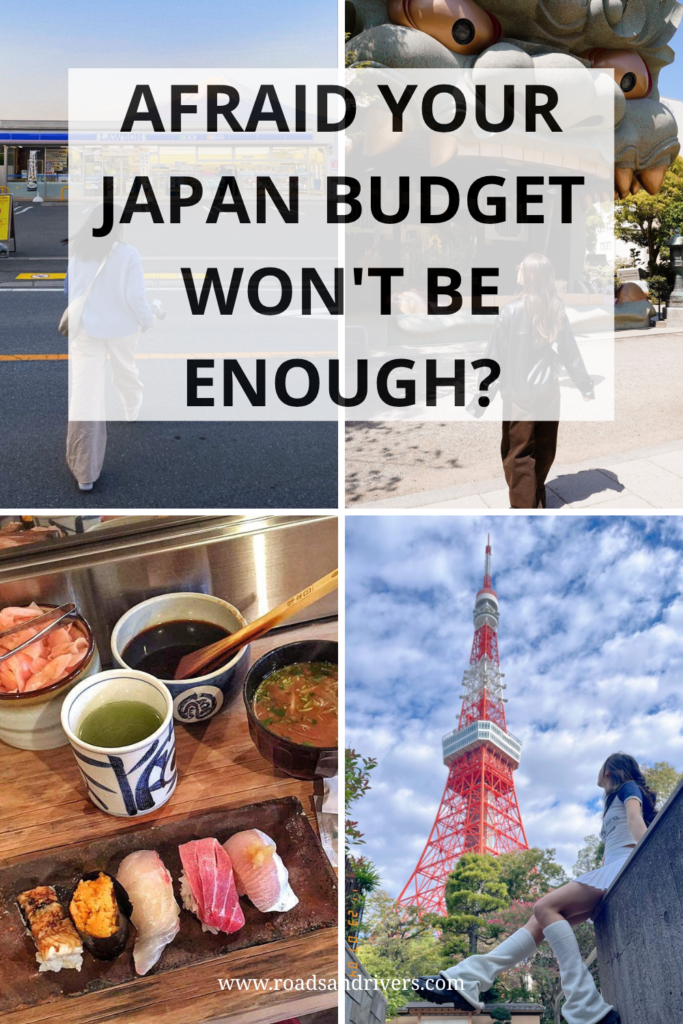
A proper bowl of ramen at a neighborhood shop rarely costs more than ¥1,000 ($7). Set lunches (teishoku) at local restaurants come with rice, miso soup, pickles, and a main dish for ¥800-1,200 ($5-$8). Conveyor belt sushi starts at ¥100-150 per plate. Street food at markets costs ¥300-800 per item.
Budget around ¥3,000-5,000 ($20-$35) per day for food if you’re being mindful, or ¥6,000-8,000 ($40-$55) if you want to eat at sit-down restaurants for most meals.
And here’s a detail that saves you more than you realize: there is no tipping in Japan. None. The price you see is the price you pay. That alone saves you 15-20% compared to dining in the US.
Pro tip: Hit the convenience stores around 8-9 PM for 20-30% discounts on bento boxes and prepared foods approaching their sell-by time. Still perfectly fresh, significantly cheaper.
Read more: If Japan is part of a bigger Asia trip, check out our guide to backpacking Asia on a budget for more money-saving strategies across the continent.
5 Hidden Japan Costs Nobody Warns You About
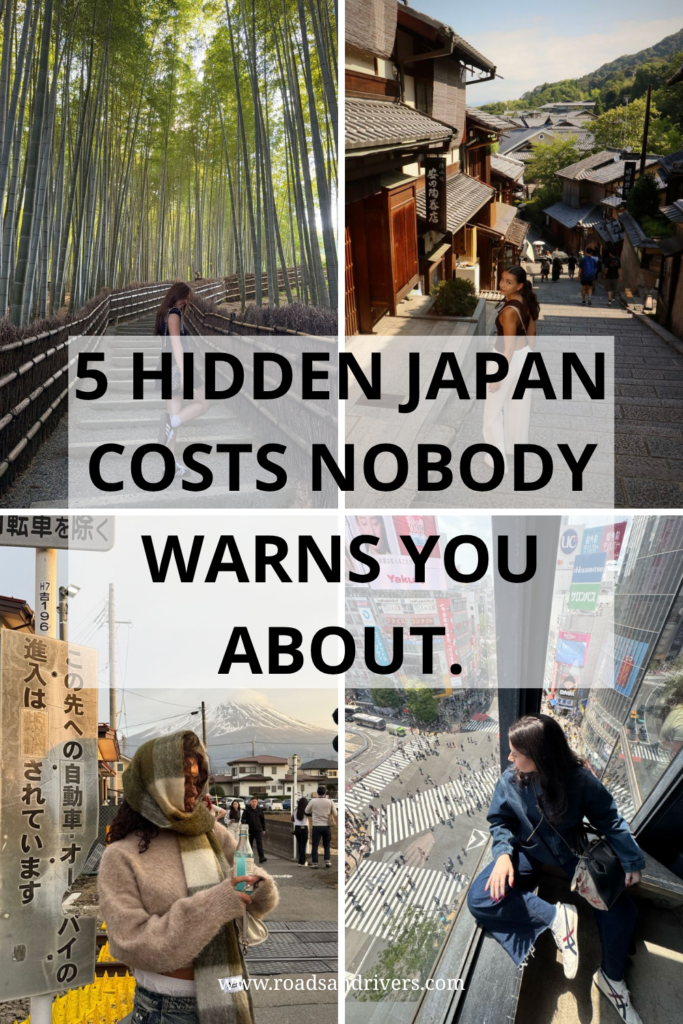
The bamboo grove in Arashiyama was free. The deer park in Nara was free. But that ¥500 coin locker at the train station where I stashed my bag, the surprise cover charge at the izakaya, and the SIM card I forgot to buy before landing? Those added up faster than expected.
Here are the sneaky costs that most Japan travel guides gloss over:
1. The tripled International Tourist Tax. Starting in fiscal year 2026, Japan tripled its exit tax from ¥1,000 to ¥3,000 per person. It’s bundled into your airline ticket, so you won’t see it as a separate charge, but it’s there. For a family of four, that’s roughly $80 extra.
2. The new tax refund system. Japan used to let tourists get instant tax-free purchases at the register. Starting November 2026, that changes to a “pay first, get your refund at the airport” system. That means if you buy a ¥200,000 camera, you need the full amount plus the 10% tax upfront, and you only get it back if you clear the refund counter before your flight. Plan your cash flow accordingly.
3. Accommodation taxes. Many cities charge their own accommodation tax on top of the room rate. In Kyoto and Tokyo, these range from ¥200-1,000 per person per night depending on the room price. They’re often not included in the booking price on platforms, so you might see an unexpected charge at check-in.
4. Izakaya cover charges (otoshi). Some izakaya bars and small restaurants charge an “otoshi” fee of ¥300-500 per person. It’s a small appetizer/cover charge that arrives automatically. This is normal and not a scam, but it catches people off guard.
5. SIM cards and Wi-Fi. Many places in Japan, especially outside major cities, don’t offer free Wi-Fi. Budget ¥2,000-5,000 for a travel SIM or eSIM. Buy or set it up before you land so you’re connected from the moment you arrive. Coin lockers (¥300-600 per use) and laundry at coin laundromats (¥300 per load) are other small costs that add up over a two-week trip.
Afraid Your Japan Budget Won’t Be Enough? Here’s How to Stretch It
I showed up in Osaka convinced I’d need to watch every yen. By day three, I realized I’d been eating better than I do at home for half the price. The trick wasn’t deprivation. It was knowing where the value actually lives.
Travel in shoulder season. The cheapest periods to visit Japan in 2026 are January through February, June through early July (rainy season, but manageable), and mid-July through August (hot, but cheap). Accommodation drops 20-40% during these windows, and the crowds thin out dramatically.
Eat like a local. Convenience stores and standing noodle shops aren’t “budget alternatives.” They’re how millions of Japanese people eat every day, and the quality is excellent. A ¥150 onigiri from 7-Eleven is a perfectly satisfying breakfast.
Skip the default JR Pass. Calculate your actual routes before buying. Regional passes like the JR West Kansai-Hiroshima Pass (around ¥20,000-30,000) often deliver better value than the national pass if you’re staying in one region.
Use free attractions. Japan is generous with free and low-cost experiences. Most shrines and temples are free to enter, and the ones that charge typically ask ¥300-600. Parks like Nara’s deer park, Ueno Park in Tokyo, and the Fushimi Inari shrine in Kyoto don’t cost a thing. Some of the best Japan photography spots are completely free.
Stay longer in fewer places. Rushing between five cities in seven days bleeds money on transport. Pick two or three cities, spend real time there, and you’ll save hundreds on shinkansen tickets while having a deeper experience.
Pro tip: Look into overnight buses between cities. A Tokyo-to-Osaka overnight bus starts around ¥3,500 and saves you a night of accommodation. That’s two budget wins in one.
If budget travel across Asia is your thing, picking the best islands in Thailand pairs well with a Japan trip for a multi-country adventure at a fraction of what you’d spend in Europe.
What Makes Japan Worth Every Yen
We can talk numbers and budgets all day. But let’s be real: the reason you want to go to Japan has nothing to do with spreadsheets.
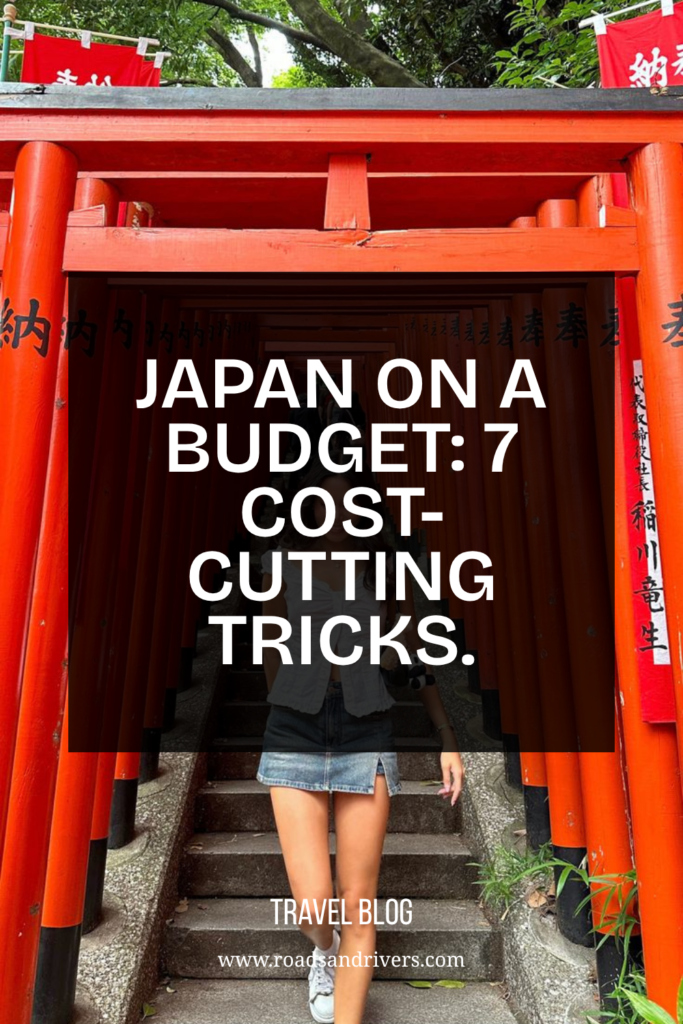
It’s the feeling of walking through thousands of vermillion torii gates at Fushimi Inari at sunrise, with barely another person in sight. It’s the first bite of proper ramen in a tiny Osaka shop where the chef has been making the same recipe for 30 years. It’s standing in Shibuya crossing as hundreds of people move around you in perfect choreography. It’s the deer in Nara gently bowing their heads at you, expecting a cracker.
Japan is one of those places where the vibes are the whole point. The aesthetic of everyday life here, from perfectly arranged bento boxes to the sound of train station jingles to the way a barista in Kyoto prepares a matcha latte, makes you want to photograph everything. And you should.
The experience-to-cost ratio in Japan is unmatched. Even on a tight budget, the safety, the cleanliness, the efficiency of public transport, and the sheer cultural richness make every yen well spent. A Thai lantern festival is magical. A week in Bali is paradise. But Japan? Japan is in a category of its own.
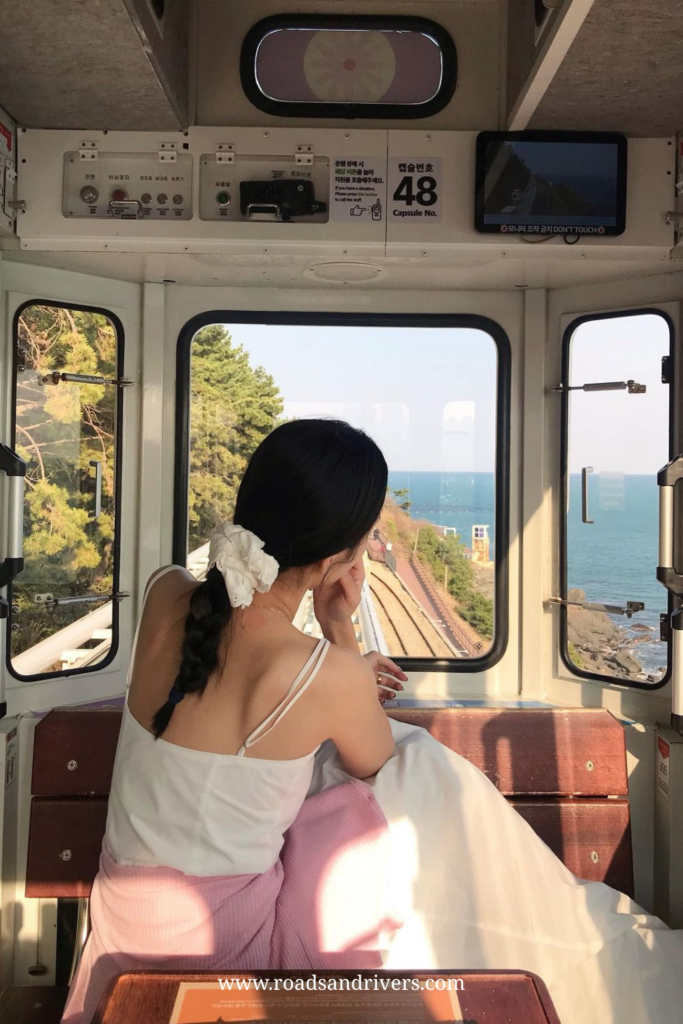
Whether you’re chasing the Kyoto aesthetic through ancient temple streets, eating your way through Osaka’s Dotonbori district, or riding a coastal train with the ocean stretching out beside you, this country delivers moments that stay with you long after you come home.
Key Takeaways
- Japan in 2026 is more affordable than most people think. The weak yen (¥150/$1) gives Western travelers a 25-30% effective discount on everything.
- A mid-range 7-day trip costs roughly $1,050-$1,750 on the ground (before flights). Budget travelers can do it for under $700.
- Food is the best deal in Japan. Expect incredible meals for $5-$10, and no tipping.
- Watch for new hidden costs like the tripled exit tax and the changing tax refund system.
- Don’t default-buy the JR Pass. Calculate your actual routes first, because individual tickets or regional passes may be cheaper.
Japan is one of those rare destinations where the experience far exceeds what you pay for it. The food is better than you imagined. The cities are cleaner than anywhere you’ve been. The trains run on time down to the second. And the cultural moments, standing inside a 1,000-year-old shrine or watching Mount Fuji appear through the clouds from a bullet train window, are the kind of memories that don’t have a price tag.
Stop overthinking the budget. Start planning the trip. The yen is weak, your curiosity is strong, and Japan in 2026 is waiting for you.
Have you been to Japan recently, or are you planning your first trip? Drop your biggest budget question in the comments, and let’s figure it out together.
Read more: Already planning the rest of your Asia adventure? Don’t miss our guide to the best islands in Thailand for your next stop.
FAQ
Is Japan cheap or expensive for tourists in 2026?
Japan is more affordable for international tourists in 2026 than it has been in years, thanks to the weak yen hovering around ¥150 per dollar. Compared to Western Europe and major US cities, Japan offers better value, especially when it comes to food and public transport. It’s still more expensive than Southeast Asian countries like Thailand or Vietnam, but the quality-to-price ratio is hard to beat anywhere in the world.
How much spending money do I need per day in Japan?
Budget travelers can comfortably get by on ¥12,000-15,000 ($80-$100) per day. Mid-range travelers should plan for ¥25,000-40,000 ($150-$250) daily. These amounts cover accommodation, food, local transport, and activities. Keep ¥10,000-15,000 in cash on you at all times for smaller restaurants, temples, and local shops that don’t accept cards.
Is the JR Pass still worth it in 2026?
It depends entirely on your route. After the 70% price hike in 2023, the 7-day JR Pass at ¥50,000 only makes financial sense if you’re covering long distances across multiple cities (like a Tokyo-Kyoto-Hiroshima-Osaka loop). For a simple Tokyo-Kyoto round trip, individual shinkansen tickets are cheaper. Always calculate your specific routes before purchasing.
What’s the cheapest time to visit Japan?
The most budget-friendly months are January through February (winter low season), June through early July (rainy season), and August (hot summer). During these periods, accommodation prices drop 20-40%, flights are cheaper, and tourist crowds are significantly thinner. Cherry blossom season (late March to mid-April) and autumn foliage (November) are the most expensive times.
Do I need cash in Japan?
Yes, more than you might expect. While credit cards are increasingly accepted in major cities, many smaller restaurants, temples, local shops, and rural areas still operate on a cash basis. Withdraw yen from 7-Eleven or Japan Post ATMs for the best exchange rates. Avoid exchanging large amounts at your home bank or at airport currency counters, as the rates are usually worse.