Most people assume visiting Machu Picchu requires a luxury budget. The Inca Trail permits, the PeruRail trains, the Sacred Valley hotels — the quotes that come back from tour operators can make the whole thing feel out of reach for backpackers and budget travelers.
That’s only one version of the trip. Peru is one of the most affordable countries in South America for day-to-day travel, and with the right strategy, you can reach Machu Picchu — from Lima through Cusco and into the Sacred Valley — for a fraction of what most tourists pay. The train isn’t the only way to get there. The menú del día at a local restaurant costs $3–4 for a full three-course lunch. And Cusco alone is packed with free things to do that would fill a week without spending a sol on entrance fees.
This guide covers the complete budget path to Machu Picchu: the five steps that cut your costs without cutting the experience, the booking mistake that costs hundreds, the cheaper route to Aguas Calientes most travelers don’t know about, and an honest daily budget breakdown for peru in 2026.
Table of Contents
- Quick-Reference Info Box
- Peru on a Budget: 5 Steps to Machu Picchu
- Is There a Cheaper Way to Reach Machu Picchu?
- The Machu Picchu Booking Mistake That Costs You Hundreds
- What Does a Budget Trip to Peru Actually Look Like?
- Think Machu Picchu Is Only for Big Budgets?
- Budget Peru Got Me to Machu Picchu for Less
- Peru Budget Breakdown: Real Costs in 2026
- Key Takeaways
- FAQ
Quick-Reference Info Box
Best time to visit: April–May and September–October (dry, fewer crowds, lower prices)
Peak season: June–August (busiest, most expensive; Inca Trail books out months ahead)
Machu Picchu entry: $20–60 per person depending on circuit
Train to Aguas Calientes: $80–190 round-trip economy (Ollantaytambo departure)
Budget alternative: Hydroelectric route (bus + walk along tracks) saves $80–100 vs. train
Daily budget in Cusco: $30–60 for backpackers
Currency: Peruvian Sol (PEN / S/); 1 USD ≈ 3.75 PEN in 2026
Altitude warning: Cusco sits at 3,400m (11,150 ft) — spend 1–2 days acclimatizing before trekking
Peru on a Budget: 5 Steps to Machu Picchu
Getting to Machu Picchu on a budget isn’t complicated, but it does require planning in the right order. Skip a step and costs spiral.
Step 1: Fly into Lima, acclimatize, eat well
Lima is your starting point and one of the best food cities in the world. A menú del día (three-course lunch: soup, main, drink) at a local restaurant costs S/8–15 ($2–4). San Pedro Market in the Miraflores district and the street food stalls in Barranco are genuinely excellent. Spend one or two days in Lima eating ceviche, lomo saltado, and anticuchos before heading to Cusco.
Step 2: Get to Cusco and acclimatize
Fly from Lima to Cusco (book 3–4 weeks ahead for $40–80 one-way on budget airlines). Cusco sits at 3,400 meters above sea level, and altitude sickness is real. Spend at least one to two full days acclimatizing before any trekking or the Machu Picchu visit. Drink coca tea (mate de coca). Walk slowly. Sleep well. This is not optional advice — it’s medical guidance that will save your trip.
Step 3: Do Cusco and the Sacred Valley on budget
The Boleto Turístico del Cusco (Cusco Tourist Ticket) costs about $39–45 and covers 16 major archaeological and cultural sites over 10 days. Without it, tour guides cannot take you inside the main complexes. This pass is the single best value purchase in Peru for visitors who plan to explore Cusco and the Sacred Valley properly.
Step 4: Choose your route to Machu Picchu
This is where the budget decisions matter most. The train from Ollantaytambo to Aguas Calientes is the standard route — and the most expensive single transport cost of the trip. The hydroelectric route is significantly cheaper. Both are covered in detail below.
Step 5: Visit Machu Picchu early, take the bus or hike
Machu Picchu entry tickets cost $20–60 depending on the circuit. The bus from Aguas Calientes to the citadel entrance costs $24 round-trip. The alternative: hike up (60–90 minutes, steep but free). Many budget travelers bus up and hike down, saving $12 while protecting their knees from the descent.
Read more: How to Plan an Outdoor Trip: From Gear to Route to Safety
Is There a Cheaper Way to Reach Machu Picchu?
Yes. The hydroelectric route.
Most guides focus exclusively on the train, which runs from Ollantaytambo to Aguas Calientes and costs $80–190 round-trip for economy class in 2026. The Expedition class by PeruRail starts at around $140–190 round-trip, and the Vistadome with panoramic windows runs $180–220. Luxury options like the Hiram Bingham can exceed $950 round-trip. Departing from Ollantaytambo rather than Cusco saves significantly — Ollantaytambo is the closest and cheapest departure point for train service.
The budget alternative: take a bus or shared van from Cusco to the Hydroelectric station (Santa Teresa area), then walk 10 km along the train tracks to Aguas Calientes. The entire journey takes 10–12 hours but saves $80–100 compared to the cheapest train ticket. The walk along the tracks follows the Urubamba River through the valley and is flat, well-trodden, and done by budget backpackers daily.
The tradeoffs are real: it takes longer, it’s physically more demanding, and the track walk requires attention (trains do pass). But for backpackers watching every dollar, it turns the most expensive part of the Machu Picchu trip into one of the cheapest.
Pro tip: If you take the hydroelectric route, overnight in Aguas Calientes so you can visit Machu Picchu at first opening the next morning. Budget guesthouses in Aguas Calientes start at $15–25 per night. Stay only one night — everything in Aguas Calientes is marked up compared to Cusco.
The Machu Picchu Booking Mistake That Costs You Hundreds
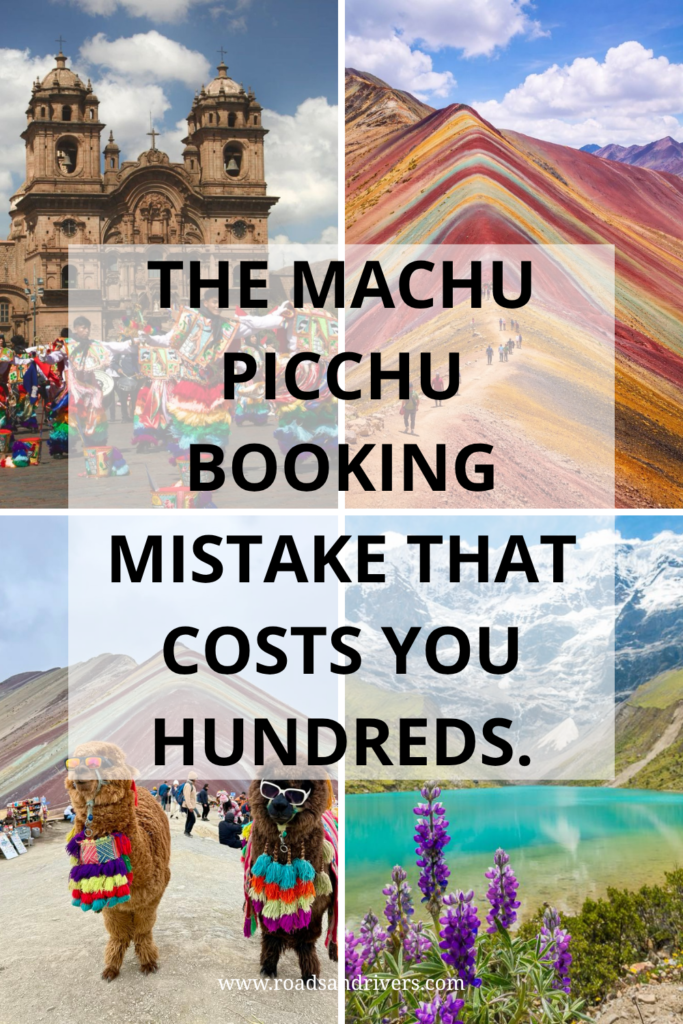
Booking everything through a single tour operator in Cusco.
The package that most tour agencies sell — transport, train, hotel, guide, entry ticket bundled together — is designed for convenience, not for budget travelers. Each component individually booked costs 30–50% less than the same components bought as a package.
The numbers: a typical Cusco-based one-day Machu Picchu package costs $250–350 per person. Booked independently — colectivo to Ollantaytambo ($3–8), economy train to Aguas Calientes ($80–95 one-way or $140–190 round-trip from Ollantaytambo), Machu Picchu entry ($20–60), bus to the citadel ($24 round-trip) — the total runs $170–280, with significantly more flexibility on timing and schedule.
The second booking mistake: not buying the Machu Picchu entry ticket in advance. Daily visitor capacity is capped at 4,500–5,500 depending on season. Tickets for the most popular morning circuits sell out weeks ahead during June–August. Last-minute tickets are available at the Aguas Calientes office, but the selection is limited and the stress is not worth the risk. Book through the official Ministry of Culture channels or authorized agencies at least 2–4 weeks ahead during peak season.
The third mistake: booking the train last-minute. Train prices increase dramatically closer to travel date. Book economy class tickets 30–60 days in advance for the best prices and availability — popular morning departure slots sell out first.
Read more: Bring This 10 Trekking Essentials For A Stress Free Hike
What Does a Budget Trip to Peru Actually Look Like?

A budget trip to Peru looks like this: market breakfasts for S/5–10, menú del día lunches in restaurants where locals eat for S/8–15, hostel dorms for S/30–50 per night, collectivo buses that cost a few soles between towns, and one of the most visually spectacular countries on earth passing outside the window for almost nothing.
Lima (2 days): Miraflores boardwalk (free), San Pedro Market food stalls ($2–4 per meal), street food in Barranco, the historic center of Lima. Budget: $30–40/day.
Cusco (3–4 days): The Plaza de Armas, the Twelve-Angled Stone, free walking tours led by local guides, San Blas neighborhood, the Mercado de San Pedro (one of the best food markets in Peru), the Cristo Blanco and San Cristóbal viewpoints over the city. Budget travelers spend as little as S/115 ($30) per day in Cusco when focusing on free activities.
Sacred Valley (1–2 days): Ollantaytambo, Pisac, Moray — all covered by the Boleto Turístico. Colectivo buses between valley towns cost S/3–10. Lunch at a local restaurant in Ollantaytambo runs S/10–15 for a full meal.
Rainbow Mountain (1 day): Group day tours from Cusco run $38–70 per person including transport, breakfast, lunch, and the guide. The DIY option: collectivo from Cusco ($8–12 round-trip) plus the S/10 entrance fee. The altitude at the summit (5,200 meters / 17,060 feet) is genuinely challenging — go only after acclimatizing in Cusco for at least two full days.
Machu Picchu (1–2 days): The culmination. Entry ticket, transport (train or hydroelectric route), and one night in Aguas Calientes. The total Machu Picchu-specific budget runs $150–250 depending on transport choice.
Peruvian food deserves its own paragraph. Peru is consistently rated one of the best food destinations in the world, and the budget version of it is extraordinary. Ceviche at a market stall for S/15. Lomo saltado at a menú del día restaurant for S/12. Anticuchos (grilled beef heart skewers) at a street cart for S/5. Inca Kola, the neon-yellow soda that outsells Coca-Cola in Peru, with every meal. The food alone justifies the trip.
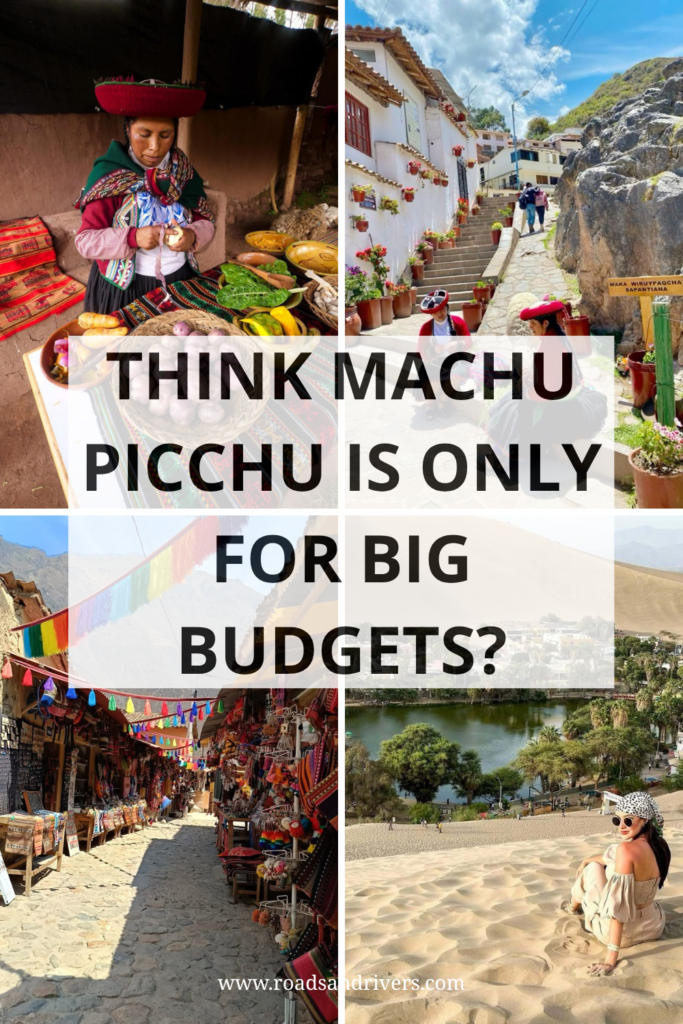
Think Machu Picchu Is Only for Big Budgets?
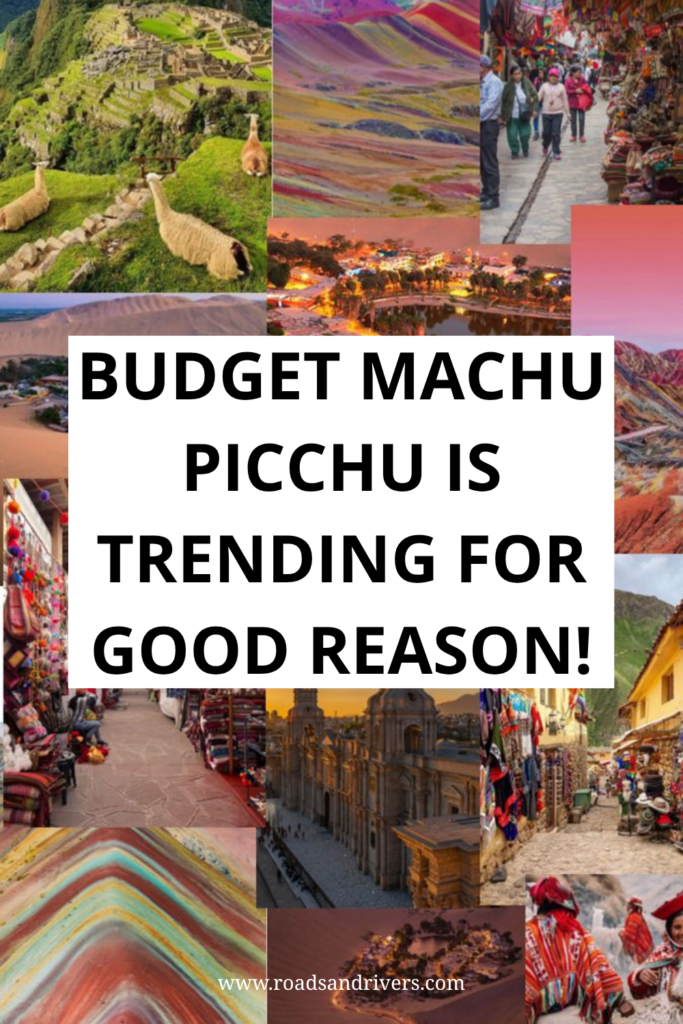
The reputation comes from the Inca Trail. A four-day guided Inca Trail trek costs $500–800 per person and must be booked 4–6 months in advance through a licensed operator. It’s an incredible experience — but it’s also the most expensive way to reach Machu Picchu, and it’s not the only way.
The Salkantay Trek (5 days, $200–350) and the Lares Trek (4 days, $250–400) are significantly cheaper multi-day alternatives that end at Machu Picchu. The one-day approach (train or hydroelectric route + bus to the citadel) is cheaper still.
A one-week Peru budget trip covering Lima, Cusco, the Sacred Valley, Rainbow Mountain, and Machu Picchu is genuinely achievable for $350–500 per person, including domestic flights from Lima, all accommodation, food, transport, and entry fees. This is not extreme backpacking — it’s comfortable budget travel in a country where the exchange rate and local food prices work enormously in your favor.
Peru is trending as a budget destination for good reason: few other countries offer this combination of world-class archaeology, world-class food, and world-class landscapes at prices this accessible.
Read more: Curated South America Travel Destinations You Will Love
Budget Peru Got Me to Machu Picchu for Less

The moment that stays with you from Machu Picchu is not the first view from the classic overlook (though that is extraordinary). It’s the scale. The terraces, the temples, the stonework that fits together without mortar after 500 years, the mountains rising on all sides into cloud. The Inca citadel sits at 2,400 meters and remained hidden from the Spanish conquerors until Hiram Bingham revealed it to the outside world in 1911.
You do not need the luxury train to experience this. You do not need a $400 guided trek. You need a $20–60 entry ticket, a way to get to Aguas Calientes (train or walk), and the willingness to get up early enough to see the citadel in the morning light before the crowds thicken.
Budget Peru is not about sacrificing the experience. It’s about spending money where it counts — the entry ticket, the transport to get there, a decent pair of hiking shoes — and saving everywhere else by eating local food, staying in hostels, and moving by colectivo.
The llamas roaming the terraces at Machu Picchu don’t care how you got there. The view from the Sun Gate doesn’t change based on your train ticket class. The feeling of standing in a city that was built, abandoned, hidden, and found again is available to every traveler who makes the effort to reach it.
Read more: Brazil Travel Guide: Best Places To Visit Beyond Rio
Peru Budget Breakdown: Real Costs in 2026
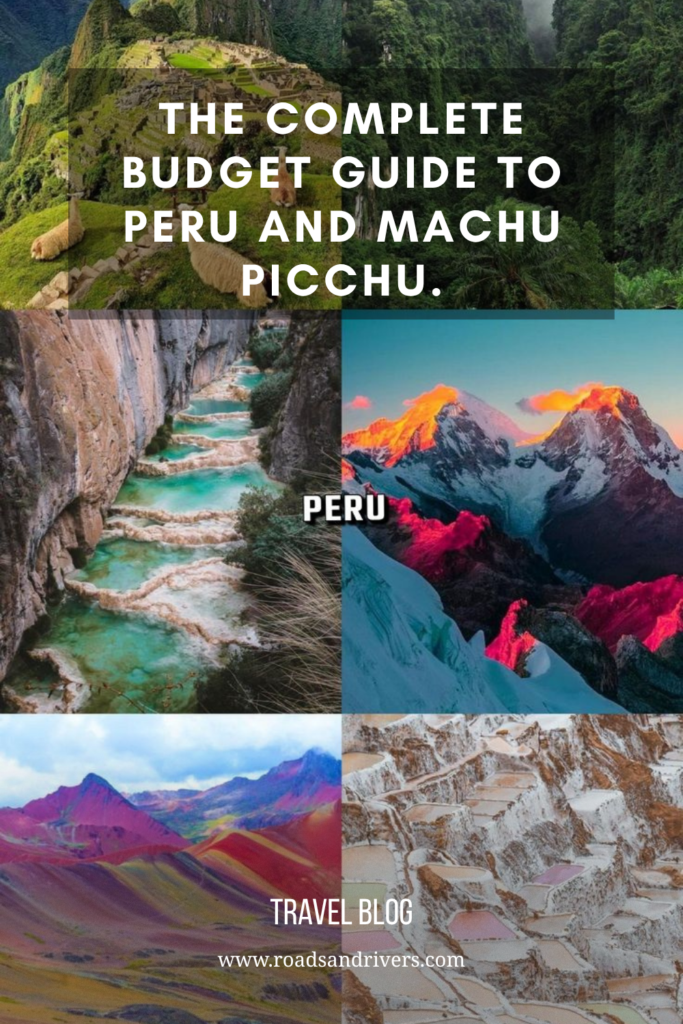
Here’s a realistic cost breakdown for a 7–10 day budget Peru trip (Lima + Cusco + Sacred Valley + Machu Picchu) in 2026:
| Category | Budget | Mid-Range |
|---|---|---|
| Accommodation (per night) | $10–20 (hostel dorm) | $35–60 (private room/budget hotel) |
| Food (per day) | $10–15 (markets + menú del día) | $20–30 (mix restaurants) |
| Transport (Cusco daily) | $2–5 (colectivos + walking) | $5–15 (taxis + colectivos) |
| Lima to Cusco flight | $40–80 (booked 3–4 weeks out) | $60–120 (closer to travel) |
| Machu Picchu entry | $20–60 (depending on circuit) | $20–60 |
| Train (Ollantaytambo round-trip) | $140–190 (economy) | $180–220 (Vistadome) |
| Bus: Aguas Calientes to Machu Picchu | $24 round-trip (or hike for free) | $24 |
| Boleto Turístico (Cusco tourist ticket) | $39–45 (16 sites, 10 days) | $39–45 |
| Rainbow Mountain tour | $38–70 (group tour) | $70–150 (private) |
Total 7-day budget trip (per person): $350–500 USD
Total 7-day mid-range trip (per person): $600–900 USD
The menú del día at S/8–15 ($2–4) is the single biggest budget advantage in Peru. A full three-course lunch — soup, main course with rice and protein, a drink — for less than the price of a coffee in most European cities. Eat the menú del día every day at lunch and your food budget drops dramatically.
Read more: The Best 10-Day Morocco Itinerary for Adventurous Travelers
Key Takeaways
- A week-long budget Peru trip covering Lima, Cusco, Sacred Valley, Rainbow Mountain, and Machu Picchu is achievable for $350–500 per person
- The hydroelectric route to Aguas Calientes saves $80–100 vs. the cheapest train ticket
- Book Machu Picchu entry tickets 2–4 weeks ahead in peak season; daily visitor caps mean sell-outs are common
- The Boleto Turístico ($39–45) covers 16 Cusco and Sacred Valley sites over 10 days — best value pass in Peru
- The menú del día (S/8–15, or $2–4) is a full three-course lunch at local restaurants — eat it daily
- Acclimatize in Cusco for 1–2 days before trekking or visiting high-altitude sites like Rainbow Mountain
FAQ
How much does it cost to visit Machu Picchu on a budget?
The Machu Picchu-specific costs for a budget traveler in 2026 are: entry ticket ($20–60), train from Ollantaytambo round-trip ($140–190 economy) or hydroelectric route ($30–50 including bus and walk), bus from Aguas Calientes to the citadel ($24 round-trip or hike for free), and one night in Aguas Calientes ($15–25). Total Machu Picchu portion: $150–250 for the budget approach.
What is the cheapest way to get to Machu Picchu?
The hydroelectric route: take a bus or shared van from Cusco to the Hydroelectric station (10+ hours), then walk 10 km along the train tracks to Aguas Calientes. The total cost is $30–50 compared to $140–190 for the cheapest train option. The tradeoff is time and physical effort, but budget backpackers do this route daily.
How many days do you need for Cusco and Machu Picchu?
Five to seven days is the right range. One to two days acclimatizing in Cusco (altitude adjustment is not optional at 3,400m), one to two days exploring Cusco’s free attractions and the Sacred Valley, one day for Rainbow Mountain, and one to two days for the Machu Picchu trip (including travel to and from Aguas Calientes).
Is Peru safe for solo travelers?
Peru is generally safe in tourist areas. Cusco, the Sacred Valley, and the Machu Picchu route are well-traveled by solo backpackers. Standard precautions apply: watch belongings in crowded markets and bus stations, use licensed taxis or apps, avoid walking alone late at night in Lima’s downtown. The biggest health risk is altitude sickness — take acclimatization seriously.
When is the cheapest time to visit Machu Picchu?
November through March (wet season) offers accommodation 40–60% below peak rates and fewer crowds. February is cheapest but the Inca Trail closes entirely. Shoulder months — April–May and September–October — provide the best balance of good weather and reasonable prices with 25–35% savings versus peak season.
Made it to Machu Picchu on a budget? Tell us how you did it in the comments — the route, the costs, and the moment that made the whole trip worth planning.