Most people who have never been to Egypt ask the same question before they book: is it actually safe? And most people who have been to Egypt come back saying the same thing: it was safer than they expected.
Egypt has had a complicated reputation for the past decade, shaped more by headlines and outdated travel forums than by the reality on the ground. The truth is that Egypt is one of the most visited countries in the world, with millions of tourists passing through Cairo, Luxor, Aswan, and the Red Sea coast every single year. The pyramids are not a war zone. The temples are not off-limits. And solo travel — including solo female travel — is very much possible with the right preparation.
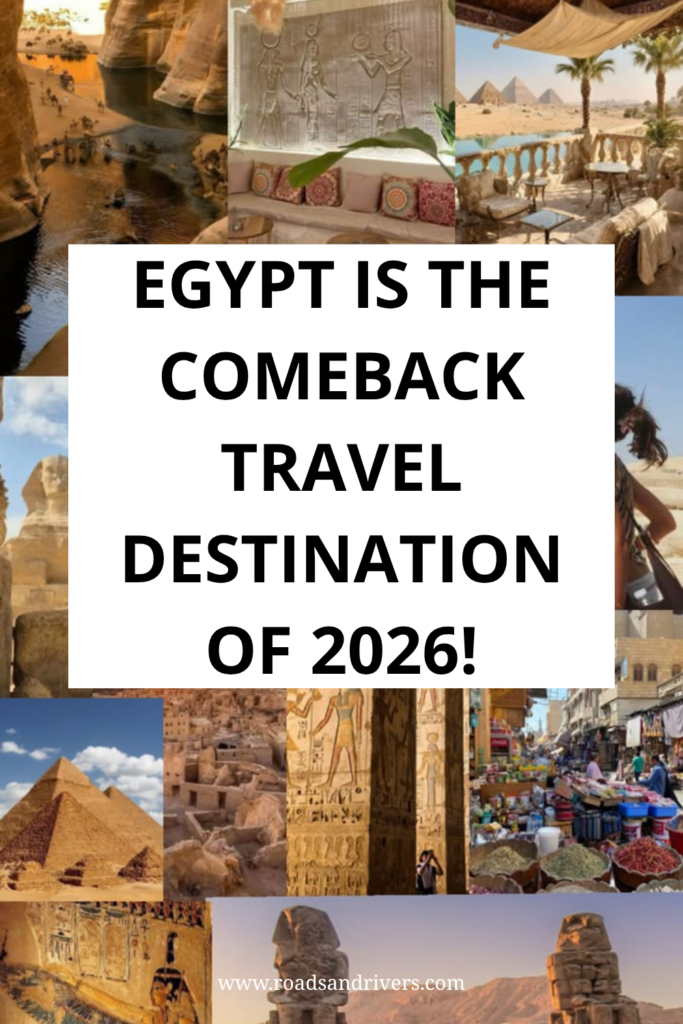
This guide gives you the honest picture on Egypt safety for tourists: what the real risks are, what you can safely ignore, where to be genuinely careful, and why Egypt is quietly becoming one of the most talked-about comeback travel destinations of 2026.
Table of Contents
- Is Egypt Safe Right Now?
- 5 Egypt Safety Myths That Keep Travelers Away
- The Real Risks in Egypt (And How to Handle Them)
- Is Egypt Safe for Solo Female Travelers?
- Egypt Safety by Region: Cairo, Luxor, Aswan, Red Sea
- 7 Egypt Safety Tips to Know Before You Go
- What Egypt Travelers Wish They Knew First
- Key Takeaways
- FAQ
| Detail | Info |
|---|---|
| Overall safety level | Moderate — tourist areas are well-policed |
| Most common tourist risk | Scams and persistent touts, not violence |
| Safe for solo female travelers? | Yes, with preparation |
| Regions to avoid | North Sinai (active conflict zone) |
| Best time to visit | October to April |
| Visa required? | Yes — available on arrival or as e-visa |
Is Egypt Safe Right Now?
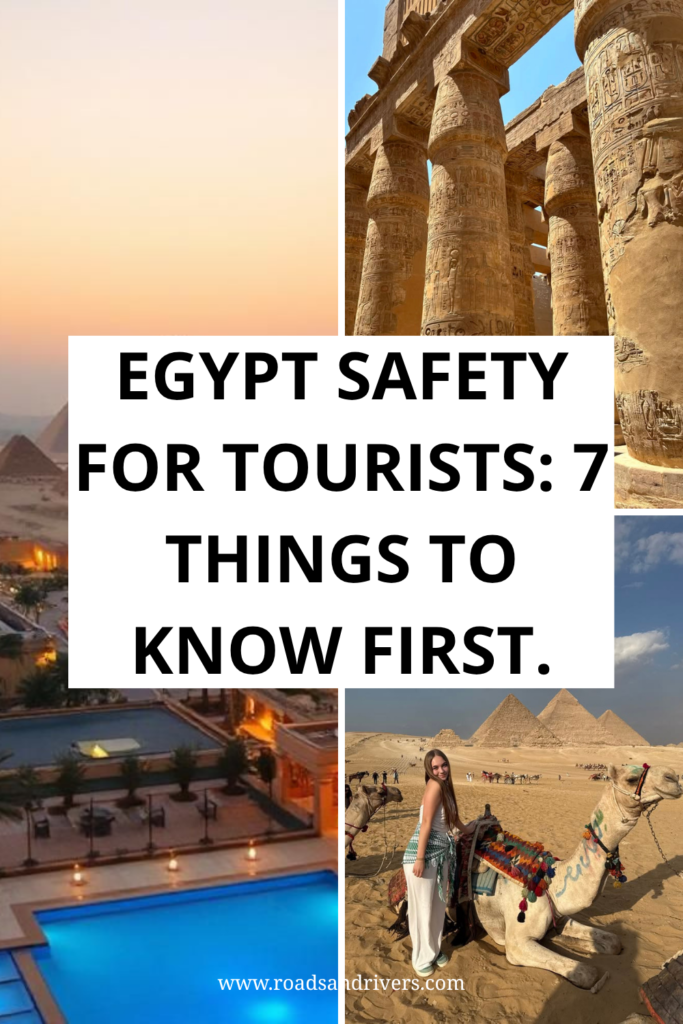
Short answer: yes, for the tourist trail. The destinations most visitors come to Egypt for — Cairo, Giza, Luxor, Aswan, Hurghada, and Sharm el-Sheikh — are all considered safe for tourists and have significant security infrastructure in place.
Egypt’s government heavily protects its tourism industry, which is one of the country’s largest economic drivers. Tourist police are present at every major site. Checkpoints are common on roads between cities. High-profile incidents at tourist sites are extremely rare.
The one exception is clear and non-negotiable: North Sinai. This region has ongoing security issues and most governments, including the US, UK, and EU member states, advise against all travel there. South Sinai (Sharm el-Sheikh, Dahab) is a completely different story and remains open and visited.
Pro tip: Always check your own government’s travel advisory before you go — not because Egypt is uniformly dangerous, but because advisories give you region-specific detail that general travel guides don’t. The UK Foreign Office, US State Department, and Australian DFAT all have up-to-date pages on Egypt.
The broader picture: Egypt welcomed over 14 million tourists in 2023, and numbers have climbed since. That’s not the pattern of a country travelers are genuinely afraid of.
5 Egypt Safety Myths That Keep Travelers Away
Most fears about Egypt safety come from one of five places. Here’s each myth, and what’s actually true.
Myth 1: Egypt is in a war zone. Egypt itself is not. The country borders conflict regions (Libya to the west, Gaza to the northeast), but the tourist heartland — Cairo, the Nile Valley, the Red Sea coast — is far from any active conflict. North Sinai is the exception. The rest of Egypt is not.
Myth 2: Egypt is too dangerous for women traveling alone. Solo female travel in Egypt is genuinely possible and happens every day. It requires more planning and more assertiveness than traveling in Western Europe, but plenty of women do it successfully. More on this in the section below.
Myth 3: You’ll constantly be scammed or harassed. Persistent touts and scams exist at major tourist sites. This is real. But it’s manageable once you know how it works. Being politely firm — not rude, just clear — goes a long way. Egypt also has tourist police specifically to deal with this.
Myth 4: The food and water will make you sick. Stomach issues are a real risk in Egypt, but they’re preventable. Stick to bottled water, avoid ice in drinks outside of reputable restaurants, and be cautious with street food until you’ve had a day or two to acclimate.
Myth 5: You need a tour group to see Egypt safely. You don’t. Independent travel in Egypt is very much possible. Organized tours make logistics easier, but solo independent travelers successfully navigate Cairo, the Nile, and the temples all the time.
The Real Risks in Egypt (And How to Handle Them)
Being honest about risk means acknowledging it clearly. Here’s what you should actually watch for.
Scams and Touts at Tourist Sites
This is the number one genuine nuisance in Egypt. At Giza, the Egyptian Museum, Luxor Temple, and Karnak, you will encounter people offering “free” help, insisting on guiding you to a view, or selling items that weren’t mentioned until you’ve accepted a gift. The pattern is consistent: kindness that quickly shifts to expectation of payment.
The fix: be warm but firm from the start. “No thank you” said with a smile and a kept-walking pace works well. Hiring a licensed guide through your hotel or a reputable tour company pre-empts most of this, since you arrive with someone already at your side.
Road Safety
Egyptian traffic is genuinely chaotic, particularly in Cairo. Roads don’t operate by rules you’ll recognize. Crossing streets requires confidence and timing, not traffic lights. Car accidents are a meaningful risk.
Use Uber or Careem (both operate in Cairo) rather than unmetered taxis. For longer road journeys between cities, booked transport through your hotel or tour company is safer than flagging down a random vehicle.
Petty Theft
Pickpocketing exists, particularly in busy areas like Khan el-Khalili bazaar and on crowded public transport. Standard precautions apply: money belt, split cash across multiple places, leave valuables at the hotel safe.
Food and Water
Drink only bottled water. Don’t drink tap water, don’t brush your teeth with it, and be careful with salads and raw vegetables that may have been washed in tap water. This is consistent advice from virtually every Egypt traveler.
Pro tip: Pack oral rehydration sachets. Even with all precautions, travel stomach upsets happen in Egypt. Having rehydration salts means a bad day doesn’t turn into a bad week.
Is Egypt Safe for Solo Female Travelers?
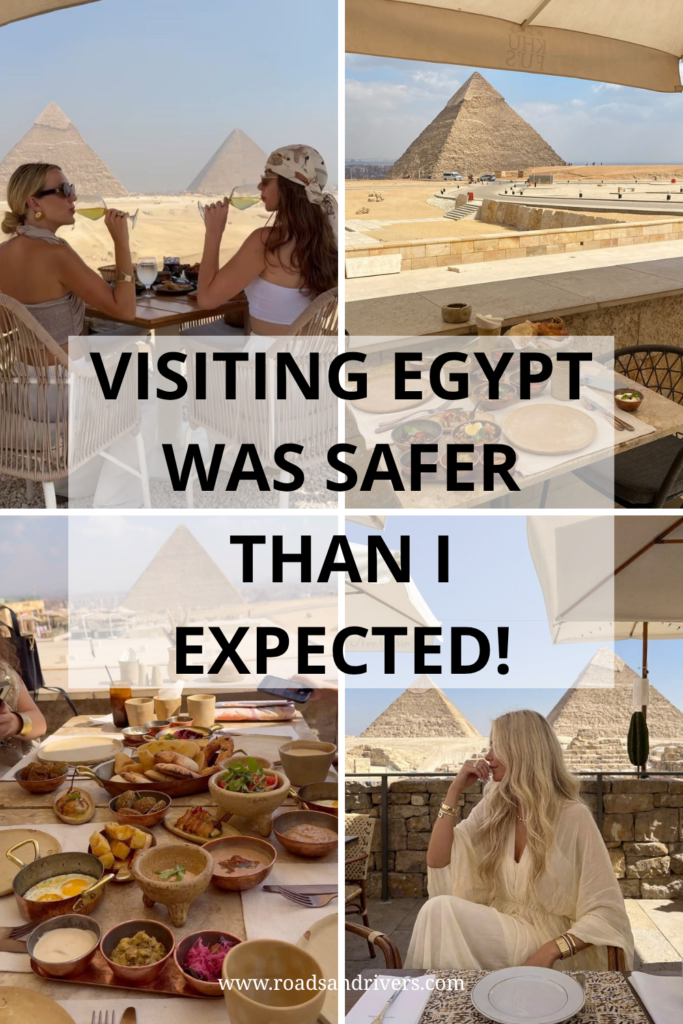
The honest answer: Egypt is not the easiest destination for solo female travel, but it’s very much doable with the right approach.
Harassment — catcalling, unwanted attention, men speaking to you aggressively — is more common than in most European destinations. This is a real aspect of Egypt travel that shouldn’t be minimized. It’s also something thousands of solo female travelers navigate every year.
What actually helps:
- Dress modestly. This isn’t about agreeing with anything — it’s about reducing unwanted attention in a conservative culture. Loose trousers or a long skirt, shoulders covered, is the practical standard for most tourist areas. At the beach in Hurghada or Sharm, normal swimwear is fine.
- Stay in well-reviewed hotels. Good accommodation comes with staff who look out for you. The front desk at a reputable hotel is one of your best safety resources in Egypt.
- Book activities through established operators. Solo female travelers tend to have much smoother experiences on organized day tours, where they’re with a group and an official guide.
- Trust your gut and be assertive early. Ignoring persistent attention firmly and early is far more effective than engaging with it politely for five minutes before getting frustrated.
Many solo female travelers report that once past the initial adjustment period, Egypt is genuinely rewarding and the historical sites are extraordinary.
Read more: If Egypt is part of a broader Middle East adventure, the Saudi Arabia Travel Guide: What To Expect as a First-Time Visitor covers another destination that surprises people with its accessibility.
Egypt Safety by Region
Cairo
Cairo is a megacity of over 20 million people. Like any major city, it has areas that are safer and areas to avoid after dark. For tourists, the main zones — Downtown Cairo, Zamalek, Maadi, and the Giza plateau — are all considered safe. Islamic Cairo (the area around Khan el-Khalili and Al-Azhar) is busiest and most chaotic but generally fine during the day.
Avoid wandering off the main tourist routes at night in unfamiliar neighborhoods. Use Uber rather than unmetered taxis.
Luxor and Aswan
These are arguably the most manageable cities for first-time visitors to Egypt. Both are smaller than Cairo, heavily tourist-focused, and extremely well set up for independent travel. The temples — Karnak, Luxor Temple, the Valley of the Kings, Abu Simbel (a day trip from Aswan) — are all easily accessible and safe.
A Nile cruise between Luxor and Aswan is one of the most popular ways to see Upper Egypt, and it’s also one of the safest: you sleep on the boat, you travel with a group, and logistics are handled.
The Red Sea Coast (Hurghada and Sharm el-Sheikh)
These are resort-style destinations aimed squarely at international tourists. Safety standards are high, the beaches are excellent, and the Red Sea diving and snorkeling are world-class. For travelers who want Egypt’s history plus beach time, Cairo-Luxor-Hurghada is one of the most popular trip combinations.
Note on Sharm el-Sheikh: The South Sinai peninsula, including Sharm, is considered safe. North Sinai — an entirely different part of the peninsula — is not. Make sure you know the difference.
Alexandria
Egypt’s Mediterranean city is undervisited and genuinely great. The Bibliotheca Alexandrina, the Roman amphitheater, the seafront Corniche — Alexandria has a completely different character from Cairo and is a solid addition to any extended Egypt itinerary.
7 Egypt Safety Tips to Know Before You Go
- Get your e-visa before you arrive. Egypt offers an e-visa at visa.egyptonlinevisa.com. Getting it in advance saves time and avoids the visa-on-arrival queues, which can be long.
- Download Uber or Careem before landing in Cairo. Having the app ready means you’re not negotiating with taxi drivers in a chaotic arrivals hall. Both apps work well in Cairo and prices are upfront.
- Carry Egyptian pounds in small denominations. Many smaller transactions — tips, small purchases, entrance fees — work better in cash. ATMs in Cairo, Luxor, and Aswan are plentiful. Avoid changing money with street vendors.
- Photograph respectfully. Some Egyptians near tourist sites (particularly those with camels) will expect payment if you photograph them. Agree on a price before photographing if you want to avoid awkward moments. Inside temples and tombs, always check if photography is permitted.
- Book the Pyramids and major sites in advance. The Pyramids of Giza, the Egyptian Museum, and the Valley of the Kings can be very crowded. Booking through official channels in advance often saves time and guarantees entry.
- Respect local customs. Egypt is a predominantly Muslim country. During Ramadan, eating or drinking in public during daylight hours is considered disrespectful. Dress modestly when visiting mosques. Remove shoes at the entrance to religious sites.
- Consider travel insurance with medical evacuation cover. Healthcare quality varies significantly in Egypt. For serious medical issues, being evacuated to a facility in Cairo or abroad is often the best option. Travel insurance that covers this is worth the cost.
Pro tip: Learn a handful of Arabic phrases before you arrive. “La shukran” (no thank you) and “bikam” (how much?) go a long way. Egyptians generally respond warmly to any effort to use their language.
What Egypt Travelers Wish They Knew First
The consistent feedback from travelers who’ve been to Egypt is this: they wish they’d worried less and prepared more.
The worry is usually about safety in a broad, vague sense. The preparation should be about specific things: understanding how touts work so you’re not caught off guard, knowing that traffic is genuinely dangerous and Uber is the answer, packing for the heat (it is extreme in summer — October to April is a far better window), and understanding that the temples and monuments are more overwhelming and more extraordinary than any photo has ever suggested.
Egypt has a unique ability to stop people in their tracks. Standing inside Karnak temple with 134 massive carved columns rising around you is not a normal experience. The Valley of the Kings, where 63 royal tombs were cut into the rock over centuries, is the kind of place that makes the history feel real in a way that books and documentaries simply can’t replicate.
A hot-air balloon over Luxor at sunrise — one of the most popular activities in Upper Egypt — is genuinely one of the most spectacular travel experiences available anywhere in the world. And it’s safe, operated by licensed companies with strong safety records.
The food is also better than most travelers expect. Koshari (lentils, rice, pasta, and fried onions with a spiced tomato sauce) is a Cairo staple that costs almost nothing and is genuinely delicious. Mezze spreads with hummus, baba ghanoush, falafel, and fresh flatbread appear at most restaurants and are reliably good.
Read more: Combining Egypt with another regional destination? 3 Days in Istanbul: The Perfect First-Timer’s Guide pairs well as a companion trip — two of the most historically rich cities in the world, a short flight apart.
Egypt is also having a genuine cultural moment. The Grand Egyptian Museum in Giza, which houses the complete collection of Tutankhamun’s tomb among thousands of other artifacts, has been opening in phases and is drawing massive attention. For history lovers, this is one of the most significant new museum openings in decades.
For travelers who want to go beyond the standard itinerary, the The Best 10-Day Morocco Itinerary for Adventurous Travelers offers a strong contrast — a North African destination with its own ancient history, souks, and dramatic landscapes.
Key Takeaways
- Egypt’s main tourist destinations — Cairo, Luxor, Aswan, the Red Sea coast — are safe for tourists and heavily policed
- The biggest real risk is scams and touts at tourist sites, not violent crime
- North Sinai is a genuine no-go; South Sinai (Sharm el-Sheikh, Dahab) is safe
- Solo female travel is possible but requires more preparation and assertiveness than in Western Europe
- Egyptian food and culture are more rewarding than most first-timers expect
- October to April is the best travel window — summer heat is extreme
FAQ
Is Egypt safe for tourists in 2026?
Yes, for the main tourist circuit. Cairo, Giza, Luxor, Aswan, Alexandria, and the Red Sea resorts are all considered safe for tourists. Security is high at all major sites. North Sinai remains an area to avoid, but this affects a very small part of the country that tourists don’t typically visit anyway.
Is Egypt safe for solo female travelers?
It is possible, and many women do it successfully, but it requires more preparation than travel in most of Europe. Dressing modestly, staying in well-reviewed accommodation, using apps like Uber rather than unmetered taxis, and being assertively clear with unwanted attention all make a significant difference. Harassment exists; it is manageable.
What are the most common scams in Egypt?
The most common scams involve people at major tourist sites offering “free” assistance, gifts, or directions, then expecting payment. Unofficial “guides” who approach you at Giza or Luxor and insist on showing you around are the most consistent version of this. The fix is simple: arrange guides through your hotel or a licensed operator, and say a clear “no thank you” early.
Do I need a visa for Egypt?
Most nationalities need a visa for Egypt. An e-visa is available online and is the easiest option, costing around $25 USD. Visa on arrival is also available at Cairo airport, but queues can be long. Check the official Egyptian e-visa portal before you travel.
What should I not do in Egypt?
Don’t drink tap water. Don’t photograph military installations, government buildings, or police officers — this can cause serious problems. Don’t accept unsolicited gifts from strangers at tourist sites. Don’t travel to North Sinai. And don’t be overly flashy with expensive jewelry or cameras in crowded markets.
How many days do you need to see Egypt?
A minimum of 7-10 days covers the main highlights: two to three days in Cairo (Pyramids, Egyptian Museum, Islamic Cairo), then either a Nile cruise or direct travel to Luxor and Aswan for the temples and Valley of the Kings, plus an optional two days on the Red Sea. A dedicated Egypt trip of two weeks lets you go deeper and travel more slowly.