
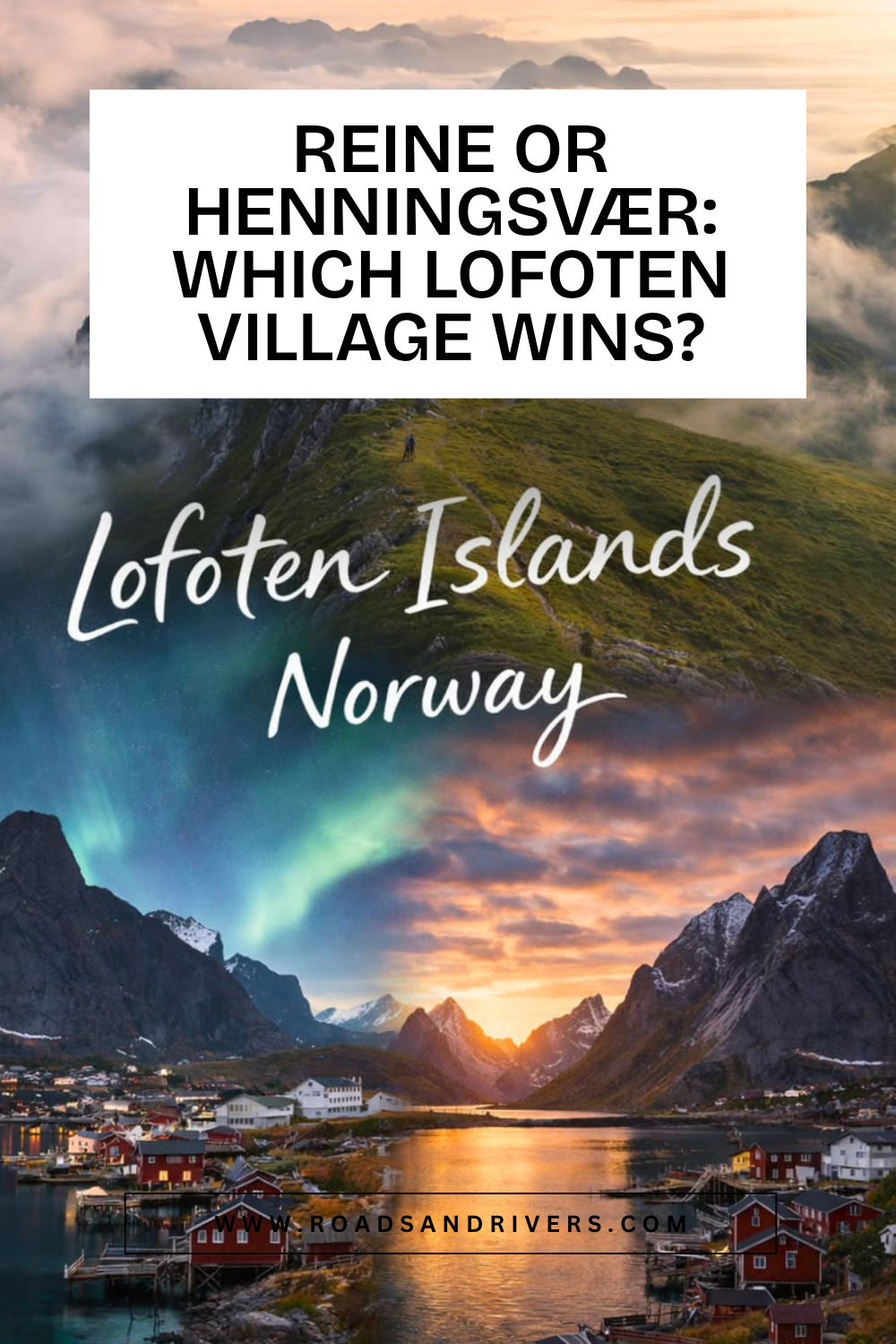
There is a road in the Lofoten Islands that runs between two mountains so steep they seem to fall directly into the sea. The water on either side is a color that belongs in the Caribbean, not 68 degrees north of the equator. Red and yellow fishing cabins sit on stilts over fjords so calm they mirror the peaks above them. The sky — in summer — never fully goes dark.
Travelers who visit the Lofoten Islands almost universally say the same thing afterward: every other landscape feels ordinary by comparison. The islands are that good. And because they sit in northern Norway well above the Arctic Circle, they remain genuinely off most people’s shortlists — which makes them even better for the travelers who do make the effort.
This guide covers everything a first-time visitor needs: when to go, which villages to base yourself in, which hikes are worth your energy, and the five planning mistakes that consistently ruin arctic trips. If you are planning your first visit to Lofoten and feeling overwhelmed by the options, start here.
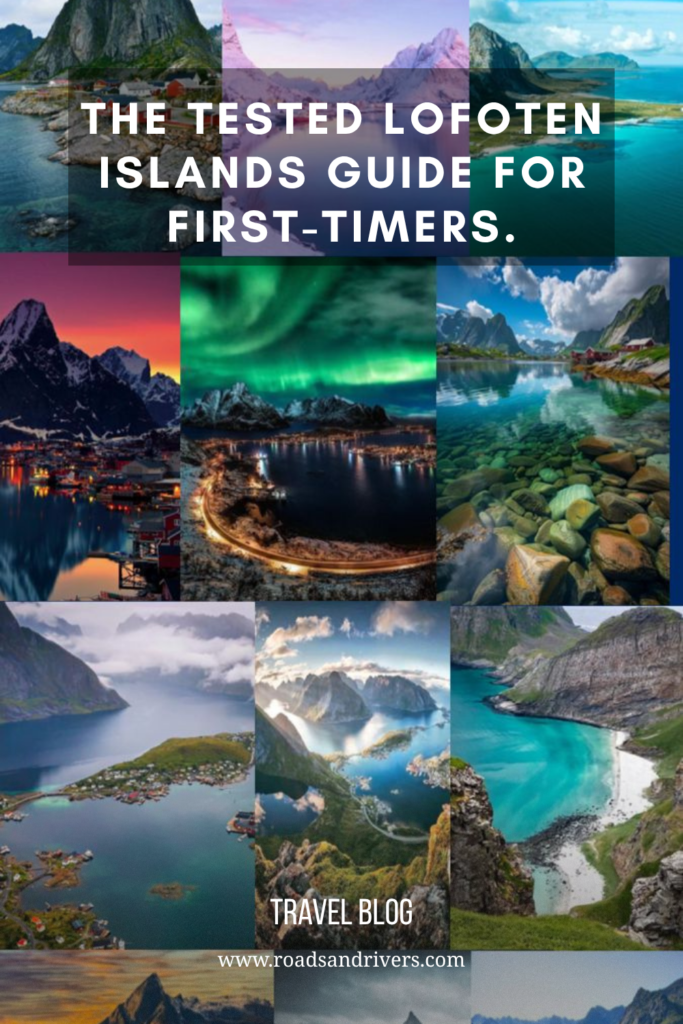
Why the Lofoten Islands Wreck Every Other Trip For You
The Lofoten Islands sit 200 km above the Arctic Circle. By any reasonable geographic logic, they should be a bleak, frozen outpost. Instead, the Gulf Stream keeps temperatures surprisingly mild — Svolvær, the main town, rarely drops below -5°C even in the depths of winter — and the landscape combines elements that simply do not coexist anywhere else in Europe.
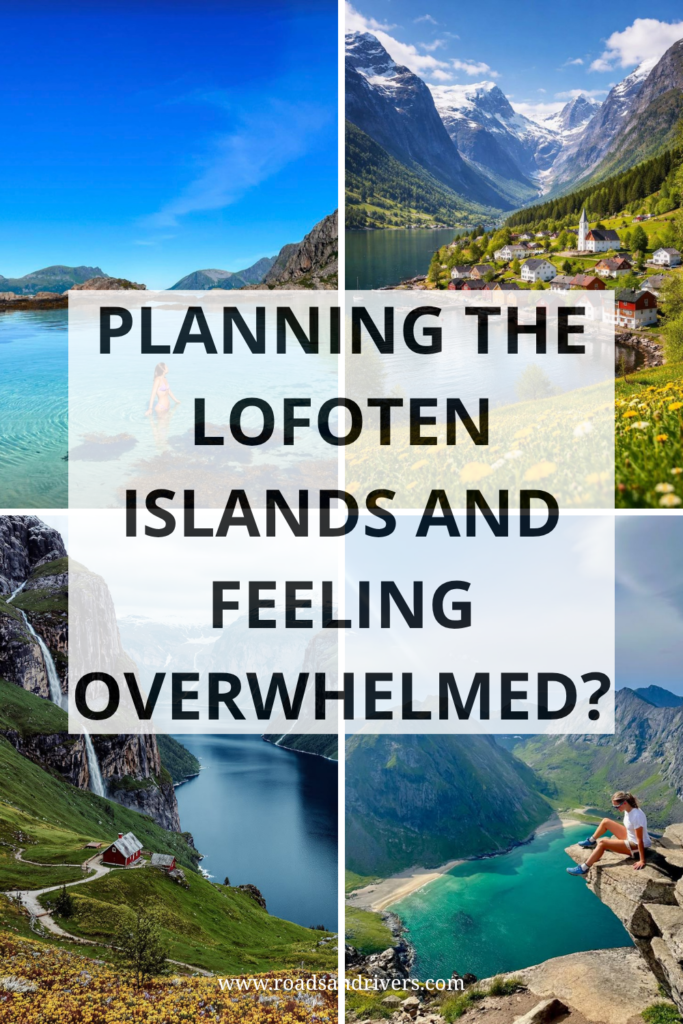
Turquoise water that looks tropical but is surrounded by 1,000-meter granite peaks. White sand beaches with not a single person on them. Fishing villages that look unchanged since the 1800s, built on stilts over water so clear you can see the bottom from the docks. The midnight sun from late May through late July. The Northern Lights from late September through March.
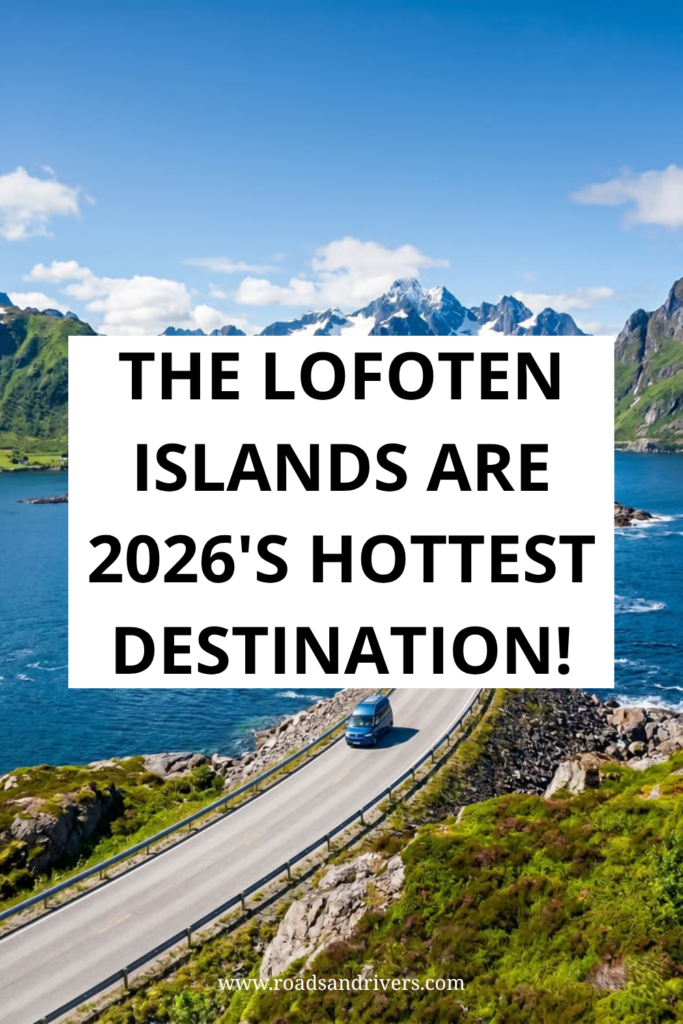
The islands stretch roughly 170 km from northeast to southwest, connected by a single road (the E10) that bridges between islands and runs along the water for most of its length. Driving the E10 is itself one of the best road trip experiences in Europe — every corner reveals a view that stops conversation.
Pro tip: If you are building a European road trip that includes Norway, the Best Interrail Routes in Europe has itineraries that include Scandinavia and can be extended north to Lofoten by train and ferry.
Quick-Reference Info Box
Best time to visit: June–August (midnight sun, hiking, warmest weather); February–March (Northern Lights, snow photography, fewer tourists)
Average daily budget: $120–$200 USD (Norway is expensive; budget travelers in cabins or camping can bring this down to $70–$100)
Getting there: Fly to Svolvær (SVJ) or Leknes (LKN) airports from Oslo or Bodø; ferry from Bodø to Moskenes; drive the E10 from the mainland via the Ofoten fjord bridges
Getting around: Rent a car — this is non-negotiable. Public buses exist but run infrequently and miss key viewpoints
Days needed: 5–7 days minimum; 7–10 for hikers wanting to cover the full island chain
Currency: Norwegian Krone (NOK); 1 USD = approx. 10–11 NOK
Summer vs Winter: Which Season Actually Wins?
This is the question every Lofoten traveler eventually asks, and the answer is genuinely “both, for different reasons.”
Summer (June–August): Midnight Sun
Summer is the busy season and for obvious reasons. The midnight sun means the islands never go fully dark — at the solstice in late June, the sun dips toward the horizon around midnight and rises again within an hour or two. The light at this hour, raking across the mountains and water at an impossibly low angle, is extraordinary for photography and surprisingly comfortable for hiking at what feels like 2 AM.
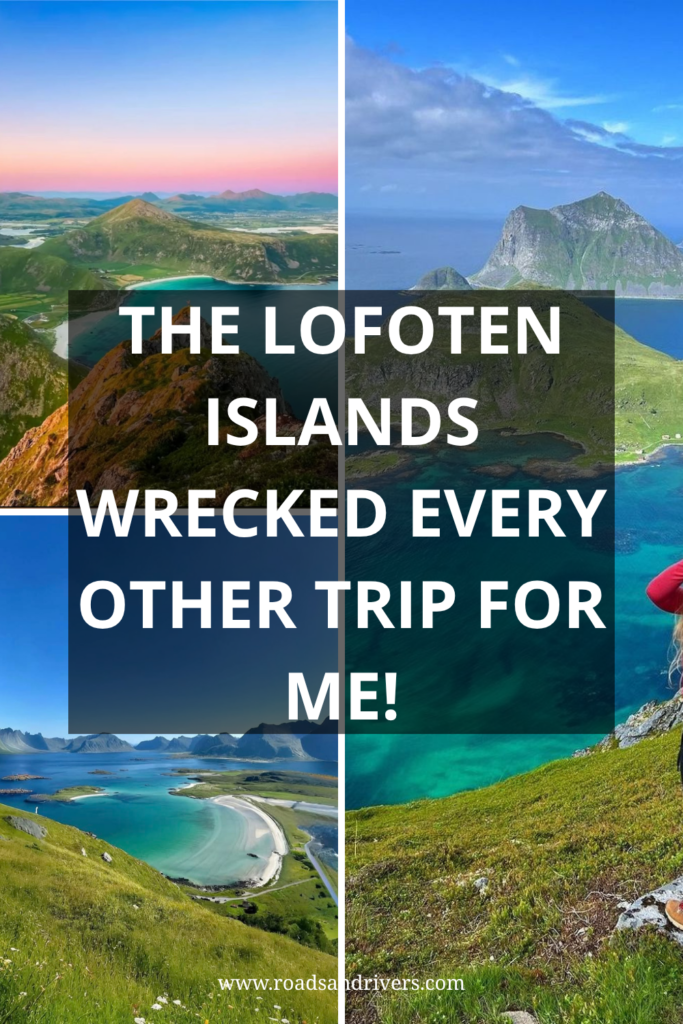
Beaches like Haukland and Uttakleiv are swimmable (briefly — the water is cold but not impossible). Wildflowers cover the hillsides. The fishing villages are fully operational. This is Lofoten at its most visually overwhelming.
The downside: accommodation books out months in advance and prices peak hard. Book rorbuer (traditional fishing cabins) at least 3–4 months ahead for July visits.
Winter (February–March): Northern Lights
Winter Lofoten is a different destination. The landscapes are snow-covered and dramatic in a completely different way. Tourist numbers drop sharply, accommodation prices fall significantly, and the Northern Lights become the main event.
The aurora season in Lofoten runs from late September through late March. February and March are optimal: dark enough for good aurora viewing, but with enough returning light that the days are not too short for sightseeing. The mountains above Reine and Henningsvær dusted in snow, with the Northern Lights overhead, is one of the most photographed winter scenes in all of Scandinavia.
For everything you need to know about timing a Northern Lights visit, When Is the Best Time to See the Northern Lights This Year? gives the full seasonal breakdown beyond just Lofoten.
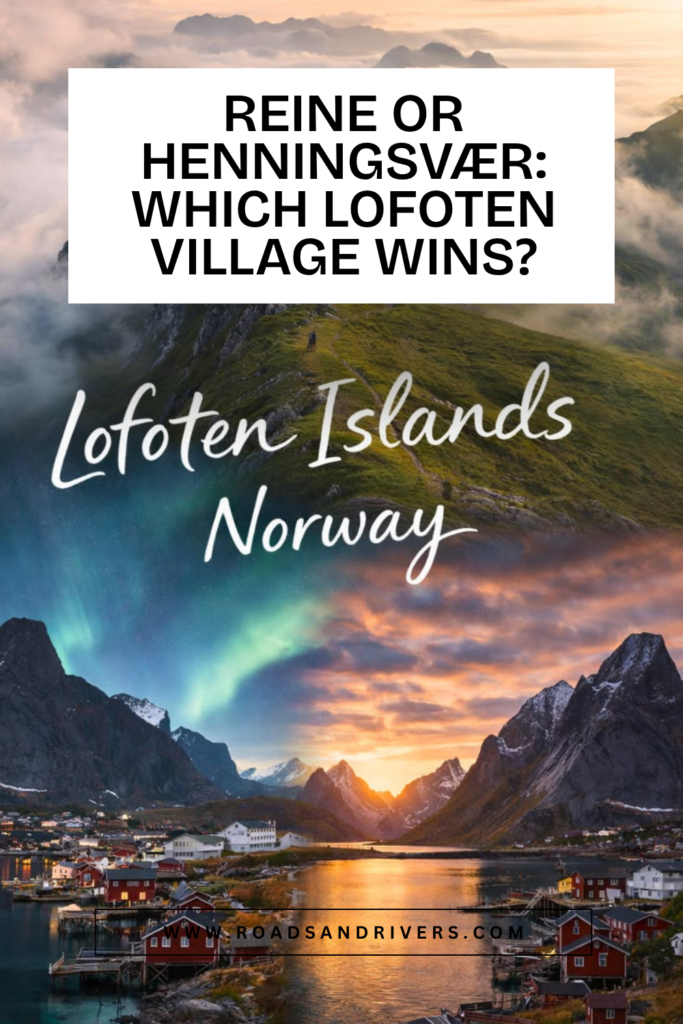
Reine or Henningsvær: Which Lofoten Village Wins?
This is the central accommodation question for first-timers, and both villages deserve honest treatment.
Reine
Reine is the most photographed village in Norway and sits at the southwestern end of the island chain. The setting is theatrical: red and white fishing cabins crowded onto a small island, surrounded by fjords and jagged peaks on all sides. At golden hour — or at midnight in summer — it is almost impossibly beautiful.
Reine is also the base for several of Lofoten’s best hikes, including the Reinebringen ridge trail that looks directly down over the village and fjord network. If you are here for scenery, hiking, and the classic Lofoten photograph, base yourself in Reine.
Henningsvær
Henningsvær is the more lively option — a fishing village turned arts hub with galleries, a climbing gym, good restaurants, and a social atmosphere that Reine largely lacks. It sits on small islands connected to the main Lofoten road by a short causeway, and the colorful warehouses and docks have their own distinct character.
If you want a base with more amenities, evening options, and a slightly younger traveler atmosphere, Henningsvær works better than Reine.
The verdict: Stay in Reine for landscape and hiking. Stay in Henningsvær for amenities and atmosphere. If you have 7+ days, stay in both.
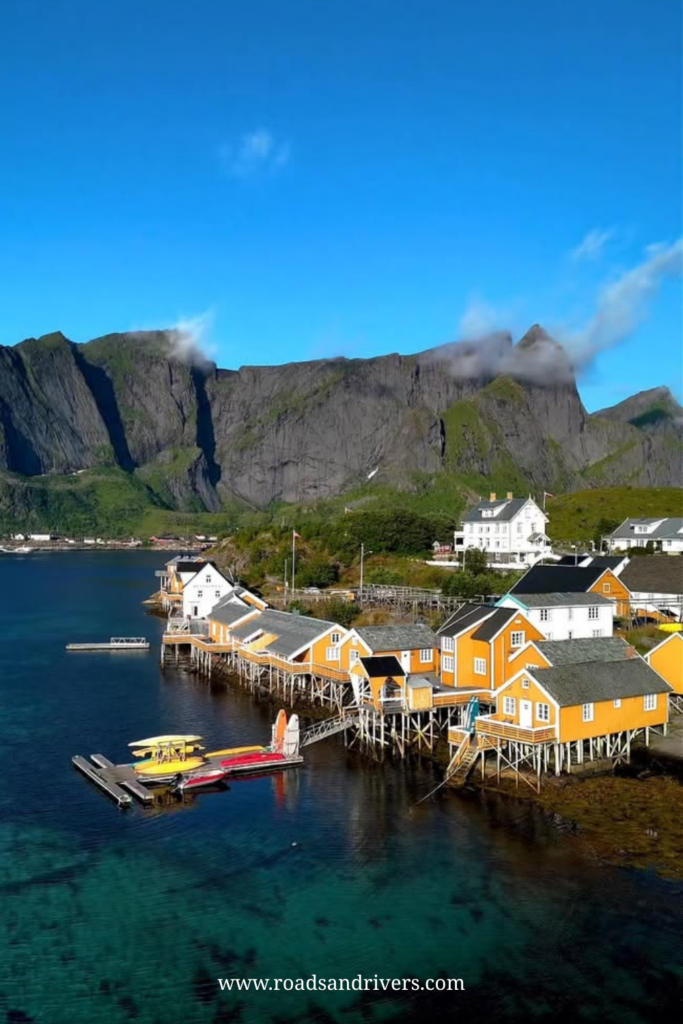
Pro tip: Both villages have traditional rorbuer (red fishing cabins on stilts over the water) available to rent. Sleeping in a rorbu is the quintessential Lofoten experience and worth the premium over a standard hotel room.
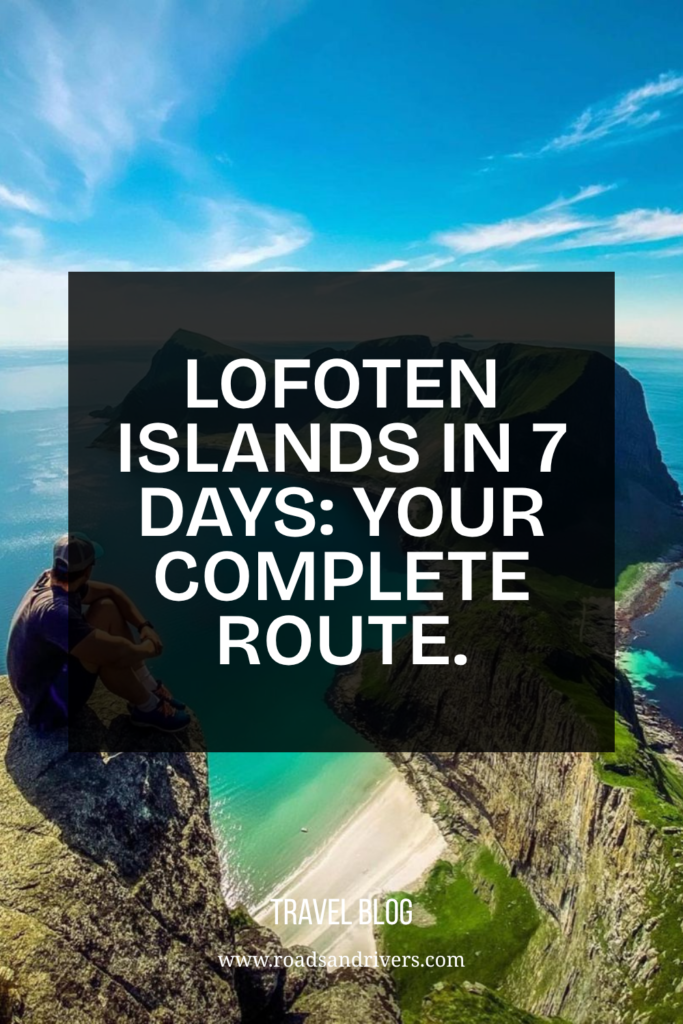
The Best Hikes in the Lofoten Islands
Lofoten is one of the best hiking destinations in Europe, period. The combination of dramatic elevation gain from sea level, technical scrambling routes, and panoramic views over fjords and open ocean puts it in a category most hikers never expect from Scandinavia.
Reinebringen (448m)
The most-hiked trail in Lofoten and the one that produces the photograph that appears on every travel piece about the islands. The ascent is steep and involves a fixed-rope section near the top, but it takes only 1–2 hours each way and the view from the summit — directly above Reine village, with the fjord system spreading in every direction — is worth every step.
Go early in summer to beat the crowds. Go at midnight for a completely different experience.
Ryten (543m) and Kvalvika Beach
A more demanding hike that rewards with two prizes: the summit of Ryten with views down the entire Flakstadøya island, and the descent to Kvalvika Beach — a remote white-sand cove accessible only on foot. The full loop takes 4–5 hours. Kvalvika is one of those beaches that makes you question why you ever went anywhere else.
Munkebu (398m) via Sørvågen
A ridge hike with views in three directions — sea on both sides, mountains behind. Less crowded than Reinebringen and arguably better views for the effort. The trailhead is near the end of the E10, making it an easy add-on to a drive to Å (the last village on the main road, which is actually called “Å”).
Svolværgeita (591m)
For experienced climbers and scramblers only. This two-pronged summit above Svolvær is one of Norway’s most iconic scrambles and involves exposed sections that require comfort with heights and some technical experience. The reward is a 360-degree view over the entire northern Lofoten chain.
For any serious hiking in Lofoten, read Bring This 10 Trekking Essentials For a Stress-Free Hike before you pack. The weather changes fast, especially on ridge hikes where wind and rain can arrive with almost no warning.
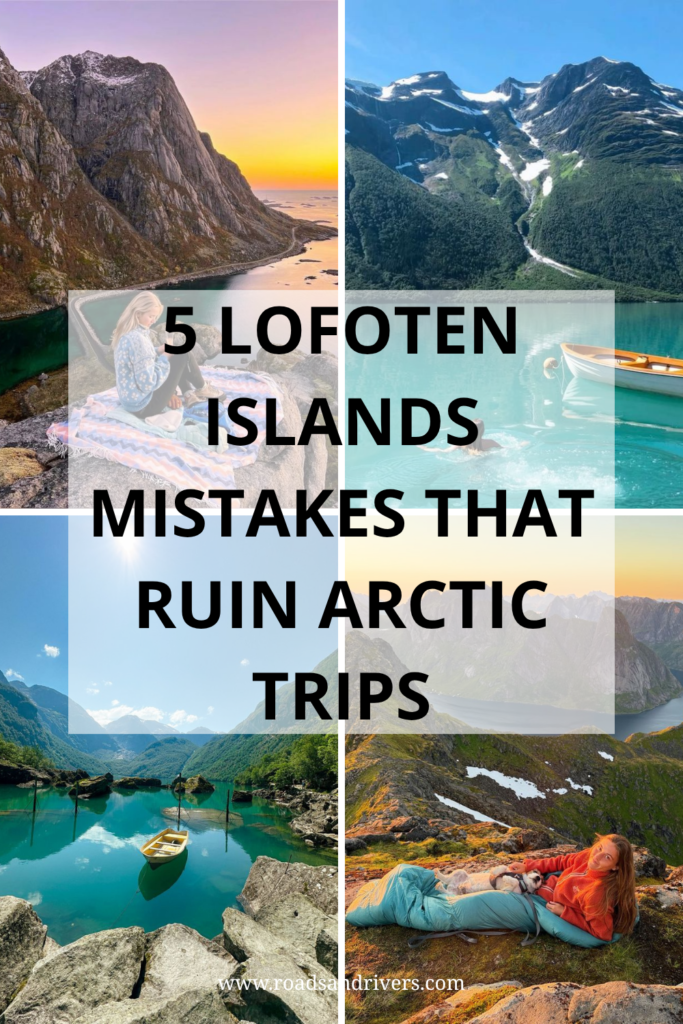
The 5 Lofoten Islands Mistakes That Ruin Arctic Trips
Every first-time visitor to Lofoten makes at least one of these. Knowing them in advance does not guarantee you will avoid them all, but it helps.
Mistake 1: Not renting a car. Lofoten’s magic is almost entirely in the in-between places — the viewpoints, the empty beaches, the farm roads that dead-end at a cliff above the sea. Public buses miss most of them. A rental car is not a luxury here; it is the difference between a good trip and the trip you came for.
Mistake 2: Only booking for summer. The Northern Lights in winter Lofoten are extraordinary. The snow-covered mountains reflected in frozen fjords are extraordinary. The dramatically lower tourist numbers and prices are extraordinary. If you have any flexibility in timing, consider February or March seriously. The midnight sun is the obvious selling point but it is not the only reason to come.
Mistake 3: Under-estimating driving times. The E10 is scenic but slow. The speed limits are low, the road is narrow in sections, and you will stop constantly to photograph things. The 170 km from Svolvær to Å can take 4–5 hours on a first visit if you stop properly. Do not plan three activities at opposite ends of the islands on the same day.
Mistake 4: Skipping the western end of the islands. Most tourists cluster around Svolvær and Henningsvær in the northeast because that is where the ferry and main airport connections are. The western end — Flakstadøya and Moskenesøya — has Reine, Haukland Beach, Uttakleiv Beach, Ryten, and the Å village. It is the most dramatic stretch of the islands and it takes effort to get there. Make the effort.
Mistake 5: Not having weather backup plans. Lofoten weather is genuinely unpredictable. A planned hike can be wiped out by low cloud and horizontal rain with almost no warning. Build flexibility into every day. The best response to a bad weather day is to drive the E10 slowly with no agenda, stop at fishing villages, eat fresh cod at a harbourside restaurant, and wait for the clouds to clear.
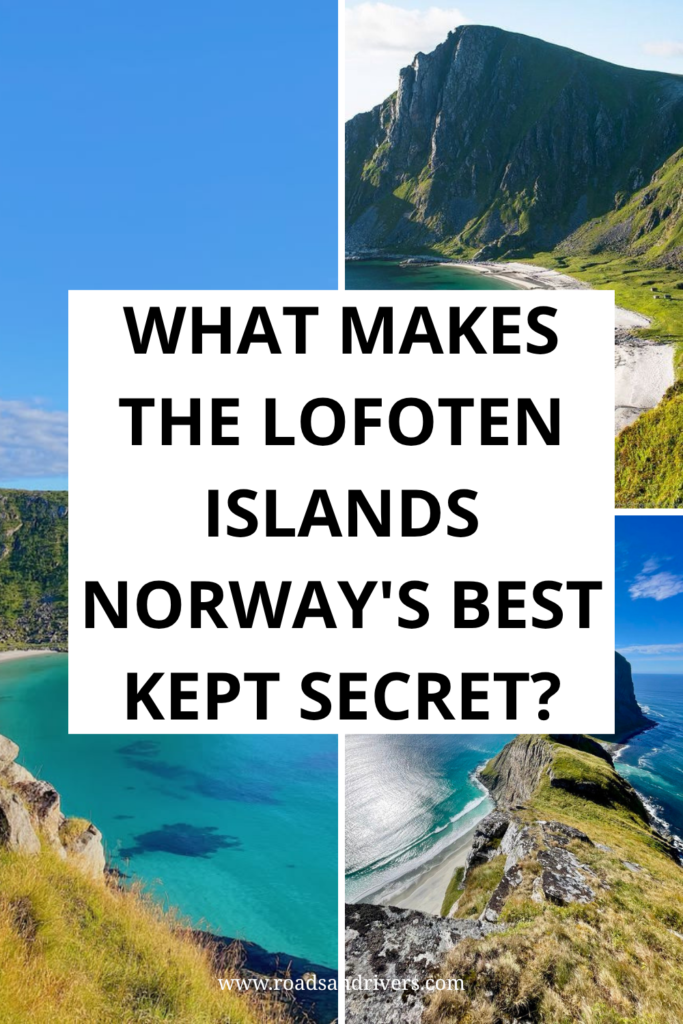
What Makes the Lofoten Islands Norway’s Best-Kept Secret?
Norway as a whole tends to funnel visitors toward the fjords around Bergen and the tourist trail of Geirangerfjord and Flåm. Those are genuinely beautiful. But Lofoten sits far enough north and far enough off the standard Norway route that it has — until recently — stayed under the radar for all but dedicated outdoor travelers.
That is changing. Visitor numbers to Lofoten have grown significantly in the past five years, and the islands are increasingly featured on European travel lists alongside destinations like the Faroe Islands, Iceland, and the Scottish Highlands. The difference from those destinations is that Lofoten still has the infrastructure of a working fishing community rather than a tourism monoculture. Real people live and fish here. The boats in the harbors go out to sea. The cod hanging on wooden racks to dry in the wind is not decoration.
That combination — wild landscape plus living culture — is what keeps travelers coming back. Iceland is spectacular but it is a destination built for tourism. Lofoten is a destination where tourism happens to exist alongside something much older and more interesting.
Read more: If the wild north of Europe has your attention, Iceland on a Budget: Is It Actually Possible? covers the practical realities of Iceland as a companion destination — both countries share the same dramatic scenery, aurora season, and high cost of living.
Lofoten Islands in 7 Days: Your Complete Route
Here is a practical 7-day framework. Adjust based on your interests — hikers should add days; those focused on photography and driving may find 5–6 days sufficient.
Day 1: Fly into Svolvær. Explore the town, walk the harbor, find your rorbu. Evening: Svolvær town center.
Day 2: Svolvær area. Hike Tjeldbergtind for an easy orientation view over the town and islands. Afternoon: drive south toward Henningsvær. Explore the village and its galleries.
Day 3: Base from Henningsvær or drive through to Flakstad. Stop at Nusfjord (a preserved 19th-century fishing village). Afternoon: Haukland Beach and Uttakleiv Beach — two of Norway’s best.
Day 4: Full day in Reine. Morning hike on Reinebringen. Afternoon: kayak or boat trip through the fjords. Evening at the harbor.
Day 5: Ryten hike and Kvalvika Beach. Full day, 4–5 hours walking. This is the most physically demanding day — plan accordingly.
Day 6: Drive to Å (the last village on the E10). Visit the Norwegian Fishing Village Museum. Drive back slowly, stopping at anything you missed. Moskenesstraumen viewpoint at the road’s end.
Day 7: Flexible buffer day. Second attempt at any hike that was clouded out. Slow drive of the full E10 end-to-end. Catch your flight from Svolvær or Leknes.
Practical Guide: Getting There, Getting Around, and Budget
Getting There
By air: Svolvær Airport (SVJ) and Leknes Airport (LKN) both receive domestic flights from Oslo and Bodø. The flight from Oslo to Svolvær takes about 2 hours. Bodø is the nearest major hub and has multiple daily connections from Oslo.
By ferry: The classic approach — ferry from Bodø to Moskenes (the southwestern tip of the island chain) takes about 3.5 hours in summer. Scenic, affordable, and puts you at the dramatic southern end of the islands from the start.
By road: Driving from Oslo via the E6 north and then across to Lofoten takes 18–20 hours and is usually broken into 2–3 driving days. The drive through the Ofoten area on the approach to Lofoten is exceptional.
Budget
Norway is expensive. There is no version of this that is not true. Accommodation in rorbu cabins ranges from $150–$350 per night in summer. Supermarket food is the smart choice for lunches and breakfasts; restaurant dinners average $30–$60 per person for a basic meal.
Budget travelers who camp (wild camping is legal in Norway under Allemansretten — the right to roam) can bring costs down significantly. A well-planned camping trip with a rental car runs considerably cheaper than a rorbu-based itinerary.
For a thorough pre-trip gear and planning framework, How to Plan an Outdoor Trip: From Gear to Route to Safety covers the essentials that apply directly to a Lofoten hiking and outdoor trip.
Key Takeaways
- The Lofoten Islands offer the best combination of dramatic landscape and authentic fishing culture in northern Europe
- Summer (June–August) brings midnight sun and warm hiking weather; winter (February–March) brings Northern Lights and snow at significantly lower prices
- Reine is the best base for scenery and hiking; Henningsvær for atmosphere and amenities — ideally, stay in both
- Renting a car is non-negotiable; public transport misses most of the best spots
- Budget 5–7 days minimum; hikers should aim for 7–10
- Norway is expensive — budget $120–$200 per day mid-range, less with camping
- The five mistakes to avoid: no car, summer-only thinking, underestimating driving times, skipping the western islands, no weather backup plan
Conclusion
The Lofoten Islands are one of those destinations where the photographs are not an exaggeration. Every scenic overlook on the E10 looks like a postcard that someone forgot to tell you was real. The midnight sun turns a 3 AM hike into something you will talk about for years. The red cabins over turquoise water at Reine are exactly as good as everyone says.
What the photographs do not capture is how quiet it still is. How many beaches have nobody on them. How you can stand on a ridge above a fjord and hear nothing except wind and water.
Go while that is still true.
Have you been to the Lofoten Islands, or are they on your list? Leave a comment below — questions about timing, hikes, or where to stay are all welcome.
FAQ
When is the best time to visit the Lofoten Islands?
June through August for midnight sun, hiking, and the warmest conditions. February through March for Northern Lights, snow photography, and significantly lower prices and crowds. Both seasons are excellent — the choice depends entirely on what you are coming for.
Do I need a car to visit the Lofoten Islands?
Yes. Renting a car is effectively mandatory for seeing the best of Lofoten. Public buses run infrequently and skip most of the viewpoints, beaches, and trailheads that define the experience. Driving the E10 yourself, at your own pace with freedom to stop whenever a view demands it, is a core part of what makes Lofoten special.
How many days do you need in the Lofoten Islands?
5 days is the minimum to cover the main highlights without rushing. 7 days is the recommended window for most visitors. Hikers who want to complete multiple trail days — Reinebringen, Ryten, Munkebu, and the northern trails — should plan for 7–10 days.
Is Lofoten expensive?
Yes — Norway is one of the most expensive countries in Europe and Lofoten adds the premium of remote island tourism on top. Budget travelers who camp and cook their own food can manage on $70–$100 USD per day. Mid-range travelers staying in rorbu cabins and eating at restaurants should budget $150–$200 per day.
Can you see the Northern Lights in the Lofoten Islands?
Yes — and Lofoten is one of the best places in Norway for Northern Lights viewing because the combination of low light pollution, dramatic landscape backdrops, and relatively accessible infrastructure makes for exceptional aurora photography. The season runs late September through late March, with February and March typically optimal.