
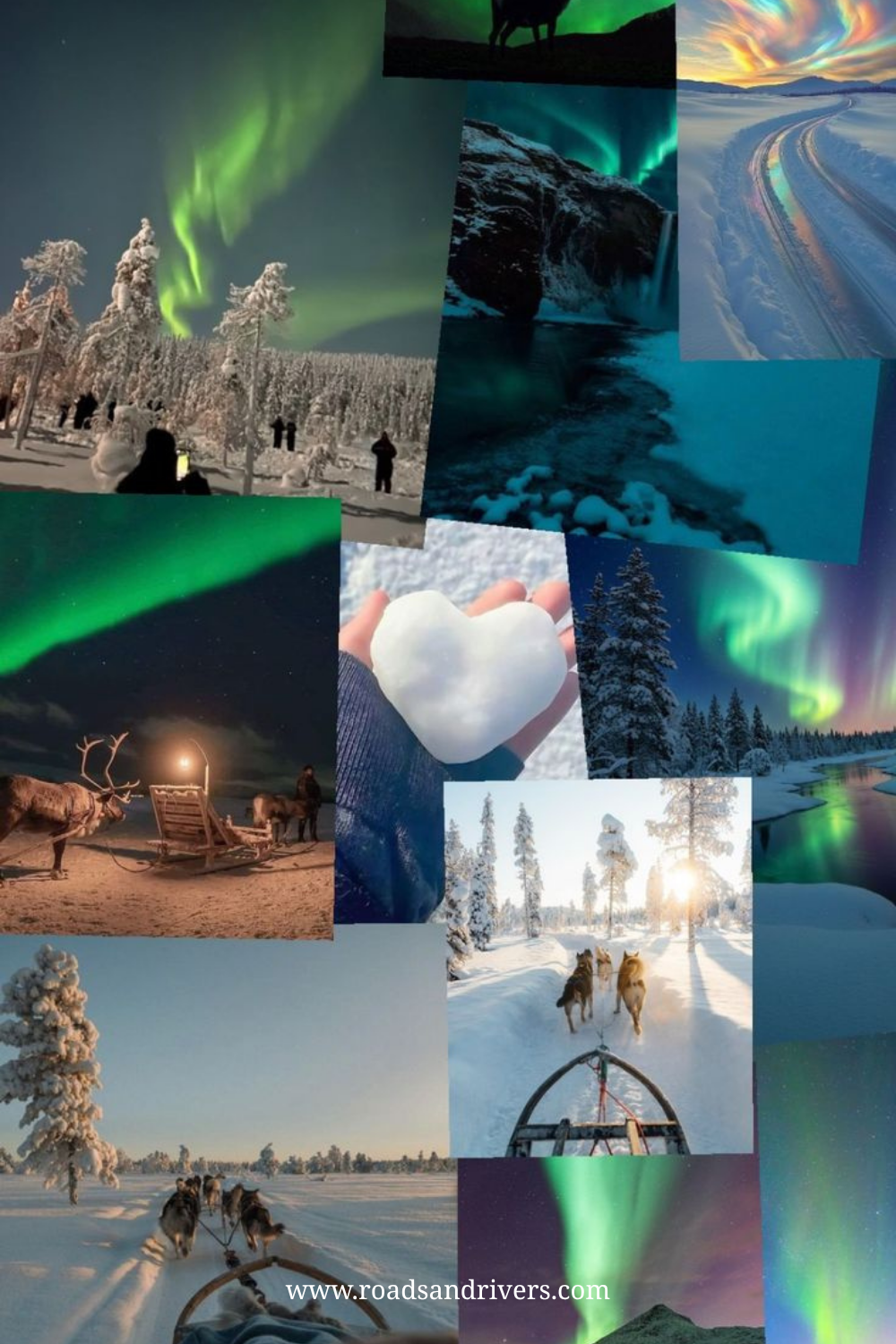
The northern lights are the kind of thing that sounds almost too good to be real. Ribbons of green, violet, and pink rippling across a dark Arctic sky, reflecting off frozen lakes and snow-covered forests. People describe seeing them for the first time as one of the most profound moments of their lives. And they’re not exaggerating.
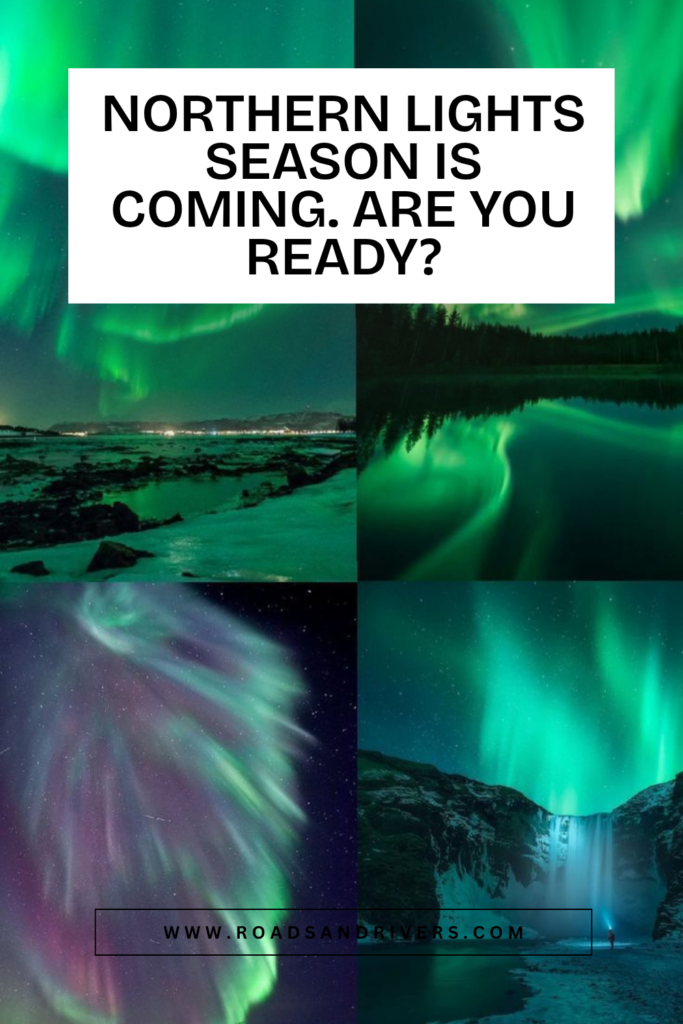
Here’s the thing: 2026 is not just a good year to chase the northern lights. It’s one of the best years in over a decade. The sun operates on an 11-year cycle, and we’re currently at or near the peak of Solar Cycle 25, a period scientists call the solar maximum. During this phase, solar flares and coronal mass ejections are at their strongest, sending billions of charged particles toward Earth’s magnetic field. The result? More frequent, more intense, and more geographically widespread aurora displays than in typical years. People as far south as the UK, the northern United States, and even parts of France have reported seeing the northern lights during recent solar storms.
After 2026, solar activity will begin to decline. The next solar maximum isn’t expected until the mid-2030s. So if the aurora borealis is on your list, this is the window. This guide covers exactly when to go, where to go, what mistakes to avoid, and how to give yourself the best possible chance of witnessing the sky do something unforgettable.
Quick-Reference Info Box
- Best months: September through March (peak darkness in Arctic regions)
- Best time of night: 10 PM to 2 AM local time
- Top destinations: Tromso (Norway), Abisko (Sweden), Rovaniemi (Finland), Iceland, Fairbanks (Alaska), Yellowknife (Canada)
- 2026 outlook: Solar Cycle 25 near peak; elevated aurora activity expected through late 2026
Table of Contents
- The 3 Best Months To See the Northern Lights in 2026
- When Should You Actually Book for Northern Lights?
- Where To See the Northern Lights: Your When-and-Where Cheat Sheet
- The Timing Mistake That Costs You the Northern Lights
- Is There a Secret to Catching the Northern Lights?
- What It Feels Like When the Sky Actually Lights Up
- FAQ
The 3 Best Months To See the Northern Lights in 2026
Not all months in the aurora season are equal. The northern lights happen year-round, but you can only see them when the sky is dark enough. In the Arctic, that means the viewing window runs from early September through mid-April. Within that range, three months consistently deliver the best combination of long dark nights, clear weather, and strong geomagnetic activity.
October is when the aurora season hits its stride. The equinox in late September creates geomagnetic conditions that tend to produce stronger displays, and that energy carries into October. Nights are long and getting longer, but temperatures haven’t yet dropped to their most extreme. Cloud cover varies by location, but destinations like Abisko in Sweden benefit from a unique microclimate that keeps skies clear more often than surrounding areas.
February is the sweet spot for many travelers. The Arctic winter is still delivering 16-18 hours of darkness per night, and the weather in northern Scandinavia tends to be drier and colder than in autumn, which often means clearer skies. February also offers enough snow and daylight for winter activities like dog sledding, snowmobiling, and reindeer safaris during the day, making it the best month for a full Arctic experience rather than just aurora chasing.
March combines the last strong weeks of darkness with improving weather and longer daylight hours. It’s often the most comfortable month for first-time visitors who want a shot at the northern lights without enduring the deepest cold of January. The sun is still active, the nights are still dark enough, and you get the bonus of spectacular Arctic sunrises and sunsets framing your evenings.
Pro tip: September is an underrated pick. The aurora season starts before most tourists arrive, so accommodation is cheaper and destinations are less crowded. The trade-off is shorter nights, but strong solar storms can still produce impressive shows.
Read more: If you’re already in Europe during aurora season, the best Interrail routes can connect your northern lights trip to a wider European adventure.
When Should You Actually Book for Northern Lights?
I stood outside a cabin in northern Norway for three hours on my first aurora trip. The sky was overcast the entire time. Not a single flicker of green. The next night, I almost didn’t go out again. But at 11:30 PM, the clouds broke, and within minutes the entire sky was moving. Green curtains stretched from horizon to horizon, shifting and folding in ways I didn’t know light could move. It lasted 40 minutes. Then the clouds rolled back in.
That story contains the single most important lesson about booking a northern lights trip: you need multiple nights. One night is a gamble. Three nights gives you reasonable odds. Five nights or more makes it very likely you’ll see something.
Book your trip for the heart of the season (October through March), and build in flexibility. Most experienced aurora chasers recommend planning at least 3-5 nights at a single location rather than moving between cities. The lights don’t perform on schedule, and clear skies are never guaranteed in the Arctic.
For the best prices, book accommodation and flights 3-4 months in advance. Peak aurora season (December through February) is also peak tourism season in northern Scandinavia, and glass igloo hotels in Finland and aurora lodges in Norway sell out months ahead. If you’re flexible on dates, shoulder months like September, October, and March offer lower prices and thinner crowds.
Pro tip: Download an aurora forecast app (My Aurora Forecast or Hello Aurora are both good) and set notifications for your location. These apps track real-time solar wind data and send alerts when geomagnetic activity spikes, so you know when to head outside.
Where To See the Northern Lights: Your When-and-Where Cheat Sheet
The northern lights are visible anywhere within or near the “auroral oval,” a ring-shaped zone that circles the magnetic North Pole. During strong solar storms, the oval expands and pushes aurora visibility further south. But for reliable, regular sightings, you want to be inside that oval. Here are the destinations that consistently deliver.
Tromso, Norway is the most popular aurora destination in the world, and for good reason. It sits at 69°N, well inside the auroral oval, with excellent tour infrastructure, good accommodation options, and some of the most photogenic fjord landscapes on earth. Head 30 minutes outside the city to escape light pollution. The season runs late September through early April.
Abisko, Sweden has one of the highest success rates for aurora sightings anywhere. The Abisko “blue hole” is a localized weather phenomenon that keeps skies over the national park clear even when surrounding areas are cloudy. The Aurora Sky Station on Mount Nuolja offers guided viewing sessions. Best months: December through March.
Rovaniemi and Kakslauttanen, Finland combine aurora viewing with the full Lapland experience: glass igloos, reindeer sleigh rides, husky safaris, and Santa Claus Village. Finnish Lapland averages around 150 aurora nights per year. Kakslauttanen’s Arctic Resort is famous for its glass igloos that let you watch the lights from bed. Book well in advance.
Iceland offers over 200 potential aurora nights per year and pairs the experience with volcanic landscapes, glaciers, and hot springs. Thingvellir National Park and the Jokulsarlon Glacier Lagoon are two of the most spectacular backdrops for aurora photography anywhere. Reykjavik itself has too much light pollution, but aurora is visible within a 30-minute drive.
Fairbanks, Alaska and Yellowknife, Canada are the top North American picks. Both sit directly under the auroral oval and benefit from cold, clear winter skies. Fairbanks averages 240 aurora nights per year. Yellowknife is regularly cited as one of the best aurora viewing spots on the planet, with organized tours running nightly from September through April.

If your northern lights trip is part of a bigger European adventure, our guide to the Lofoten Islands covers one of Norway’s most dramatic (and aurora-friendly) destinations.
The Timing Mistake That Costs You the Northern Lights
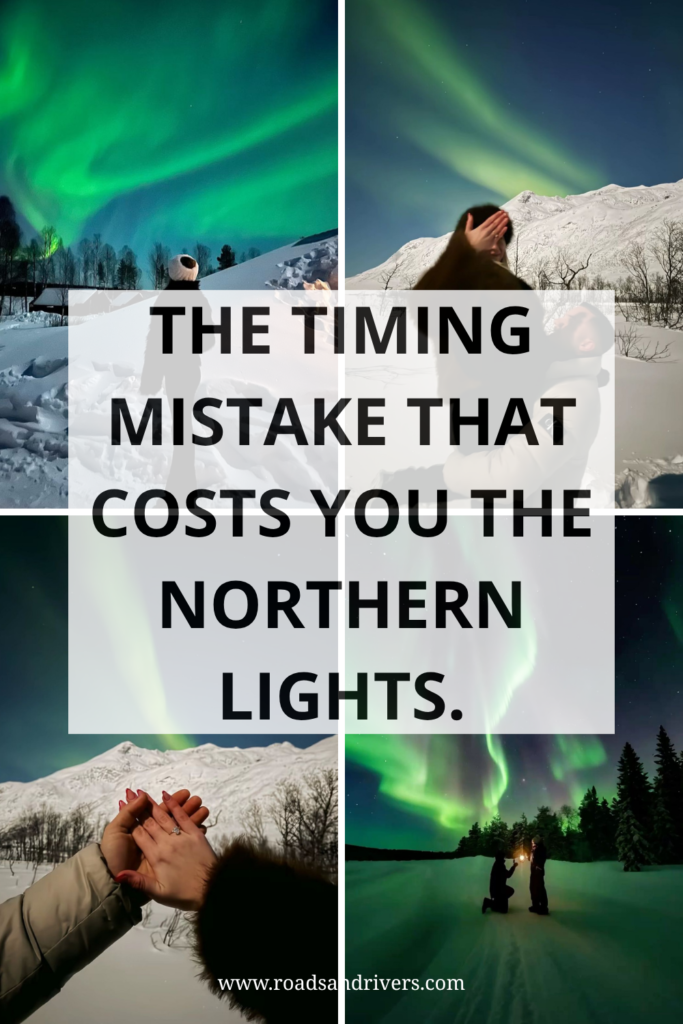
The most common mistake first-timers make isn’t choosing the wrong month or the wrong destination. It’s choosing the wrong time of night.
The northern lights are most active between 10 PM and 2 AM local time. This is when the auroral oval is typically positioned overhead at most viewing destinations. Many tour operators schedule their guided excursions during this window for exactly this reason. But plenty of travelers go outside at 8 PM, see nothing, give up by 9:30, and go to bed thinking the lights didn’t show. They did. At midnight.
The second timing mistake is traveling during a full moon. A bright full moon washes out fainter aurora displays and reduces the contrast that makes the lights look spectacular. Check the lunar calendar before you book. A new moon (or close to it) is ideal because it provides the darkest possible sky.
The third mistake is visiting during the wrong part of the season for your destination. Iceland in December has only about 4-5 hours of daylight, which sounds great for aurora viewing, but it also means persistent cloud cover from Atlantic weather systems. Iceland in October or March often has better weather with still-adequate darkness. Similarly, Finnish Lapland in January is brutally cold (down to -30°C), which limits how long you can comfortably stay outdoors. February and March are warmer while still delivering dark skies.
Pro tip: Give your eyes 15-20 minutes to adjust to the darkness before deciding whether the aurora is visible. The lights often start faint, sometimes just a pale green glow on the horizon, and build over 30-60 minutes. Your night vision needs time to detect the subtler colors.
Is There a Secret to Catching the Northern Lights?
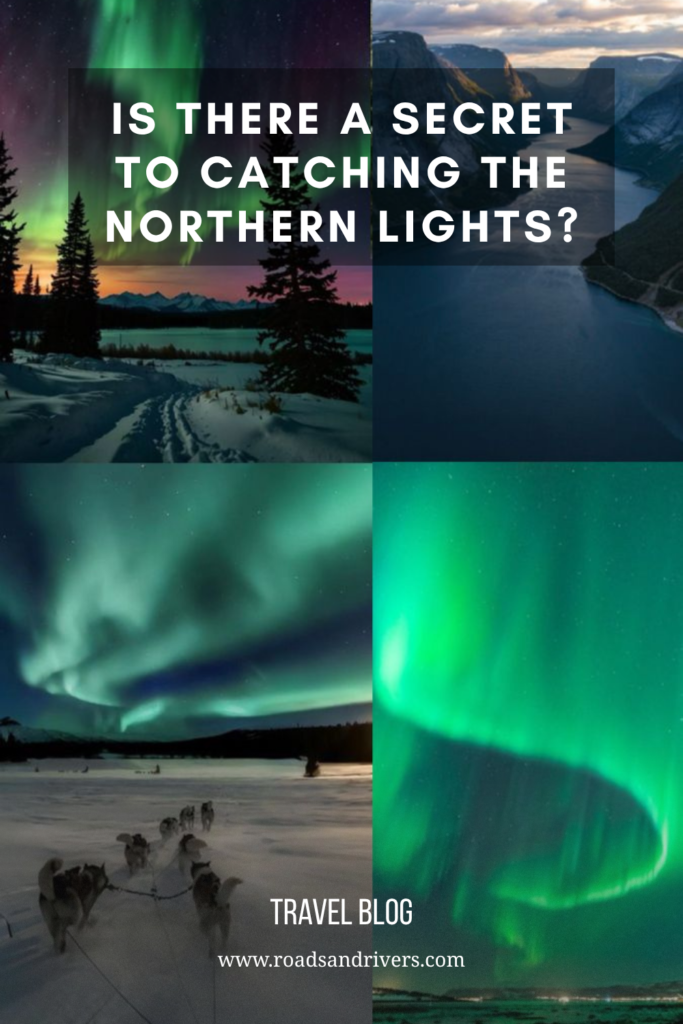
There’s no guaranteed formula. The aurora is a natural phenomenon driven by solar activity that’s inherently unpredictable. But there are things you can do to stack the odds heavily in your favor.
Stay multiple nights. This is the single biggest factor. One night gives you a roughly 50-60% chance at prime locations. Three nights pushes that past 80%. Five nights makes it almost certain you’ll see at least one display.
Get away from light pollution. This matters more than most people realize. Even small towns produce enough ambient light to dim the aurora significantly. The best views come from locations 15-30 minutes outside of any settlement, ideally near reflective surfaces like frozen lakes, fjords, or snow-covered plains that amplify the light.
Track the KP index. The KP index measures geomagnetic activity on a scale of 0 to 9. At KP 3 or above, the aurora is typically visible at locations within the auroral oval. At KP 5 or higher, it can be visible much further south. Apps like My Aurora Forecast show real-time KP data and send push notifications when activity spikes.
Be patient. Aurora displays can last anywhere from a few minutes to several hours. They can disappear completely, then return stronger 30 minutes later. The people who see the best shows are the ones who stay outside the longest. Dress in serious layers (thermal base, insulating mid-layer, windproof outer shell), bring hand warmers, and settle in.
Don’t obsess over the camera. Yes, photographing the northern lights is incredible, and modern smartphones do a surprisingly good job with night mode. Use a tripod, long exposure (10-30 seconds), and avoid flash. But also put the phone down and watch with your eyes. The aurora moves in ways that no photo captures. The subtle shifts in color, the rippling texture, the sheer scale of it across the sky: that’s the part you’ll remember.
Read more: If you’re planning a northern Scandinavian trip, don’t miss our Switzerland itinerary by train for ideas on combining Arctic adventures with a European rail trip. And Iceland on a budget covers whether seeing the northern lights from Iceland is affordable in 2026.
What It Feels Like When the Sky Actually Lights Up
No photo, video, or description fully prepares you. That’s the honest truth.
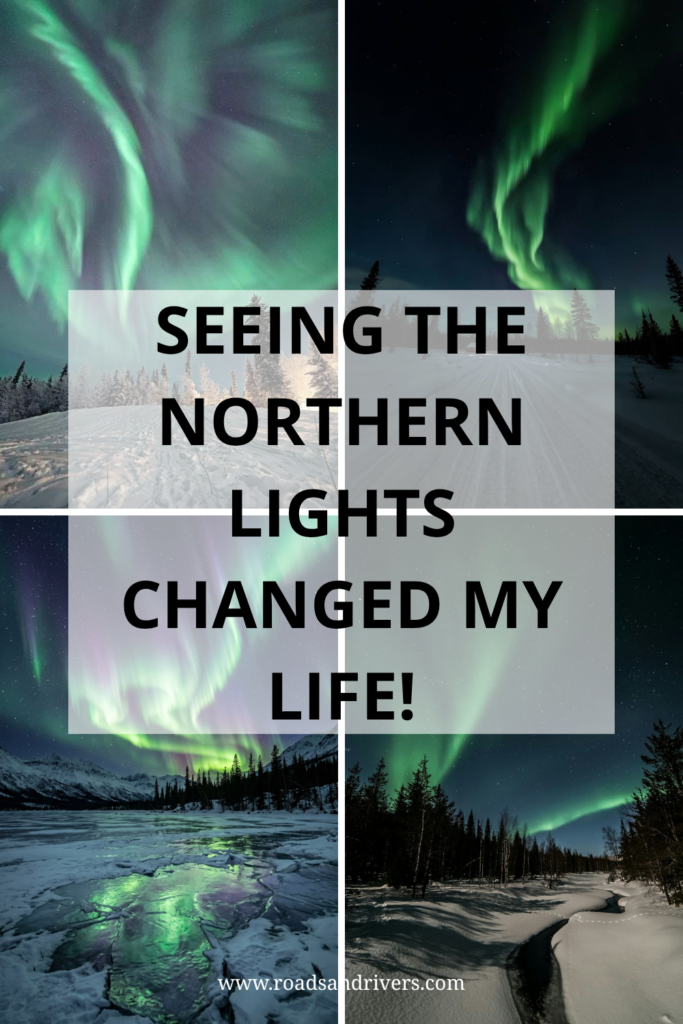
It starts as a faint greenish glow on the northern horizon. You might think it’s light pollution from a distant town. Then it gets brighter. And starts to move. Slowly at first, like smoke drifting sideways. Then faster. Ribbons of green begin to stretch across the sky, twisting and folding. Sometimes they pulse, brightening and dimming in waves. On strong nights, the green gives way to violet and pink at the edges, and the curtains seem to cascade directly overhead, as if the sky is pouring color down toward you.
It’s completely silent. That’s the part that catches people off guard. Something this dramatic should make a sound. But there’s nothing. Just you, the cold, and an entire sky in motion.
People cry. People laugh. People just stand there, motionless, for 20 minutes straight. It’s one of those rare travel experiences that lives up to every word of hype, every photo you’ve seen, every story you’ve been told. And somehow it’s still more than you expected.
2026 is one of the last years of this solar maximum. After this, the sun quiets down, the aurora retreats closer to the poles, and displays become less frequent and less intense for the better part of a decade. If this is the year, make it the year.
Key Takeaways
- 2026 is one of the best years in over a decade to see the northern lights, thanks to Solar Cycle 25 nearing its peak.
- The best months are October, February, and March, combining long dark nights, clear weather, and strong geomagnetic activity.
- Stay 3-5 nights minimum at one location to maximize your chances. One night is a gamble.
- Get away from light pollution, track the KP index with an aurora app, and be patient: the best displays often happen between 10 PM and 2 AM.
- After 2026, solar activity declines. The next solar maximum isn’t expected until the mid-2030s.
The northern lights are the trip you’ll tell people about for the rest of your life. Not in a “you had to be there” way. In a “you need to go there” way. The science says 2026 is the year. The solar cycle says the clock is ticking. And every person who’s stood under a sky full of green light says the same thing: it was worth every frozen minute.
Book the trip. Set the aurora alerts. Bring warm clothes and patience. And leave your expectations at home, because the real thing is better.
Have you seen the northern lights, or are you planning your first aurora trip? Share your story or your biggest question in the comments.
Read more: For more cold-weather European adventures, check out our guide to Edinburgh, which sits close enough to the auroral oval for occasional northern lights sightings during strong solar storms.
FAQ
What is the best month to see the northern lights in 2026?
February and March are the most reliable months overall, combining long dark nights, generally clear Arctic weather, and strong solar activity during the ongoing solar maximum. October is also excellent and less crowded. The full aurora season runs September through March, with any month in that window offering a reasonable chance at prime locations.
Can you see the northern lights every night?
No. The aurora depends on solar activity, which fluctuates daily, and clear skies, which depend on weather. Even at the best locations, sightings are not guaranteed on any single night. That’s why staying 3-5 nights is strongly recommended. At high-latitude destinations like Tromso or Abisko, the statistical chance of seeing the aurora over a 3-night stay is above 80%.
Do you need to go to the Arctic to see the northern lights?
During typical conditions, yes. The aurora is most reliably visible above 65°N latitude. However, during strong geomagnetic storms (KP 5+), the northern lights can be visible at much lower latitudes, including the northern United States, the UK, and northern Europe. In 2024 and 2025, displays were reported as far south as Florida and France. With ongoing elevated solar activity in 2026, these lower-latitude sightings may continue.
How much does a northern lights trip cost?
It depends heavily on the destination. Budget travelers can see the aurora for as little as $100-$150 per night in Iceland (self-drive, guesthouse, no tour) or $80-$120 per night in Rovaniemi (hostel + guided tour). Mid-range trips to Norway or Finland typically run $200-$400 per night including accommodation and activities. Glass igloo experiences in Finland start at $400-$800 per night. Flights to Scandinavia or Iceland from Europe are often affordable ($100-$300 round trip during shoulder season).
Can you photograph the northern lights with a phone?
Yes, modern smartphones (iPhone 14 and newer, Samsung Galaxy S22 and newer, Google Pixel 6 and newer) can capture surprisingly good aurora photos using night mode. For best results, use a small tripod or prop your phone against something stable, enable night mode or long exposure, and keep your hands still. Dedicated cameras with manual settings and a wide-angle lens still produce better results, but a phone is more than enough for memorable shots.