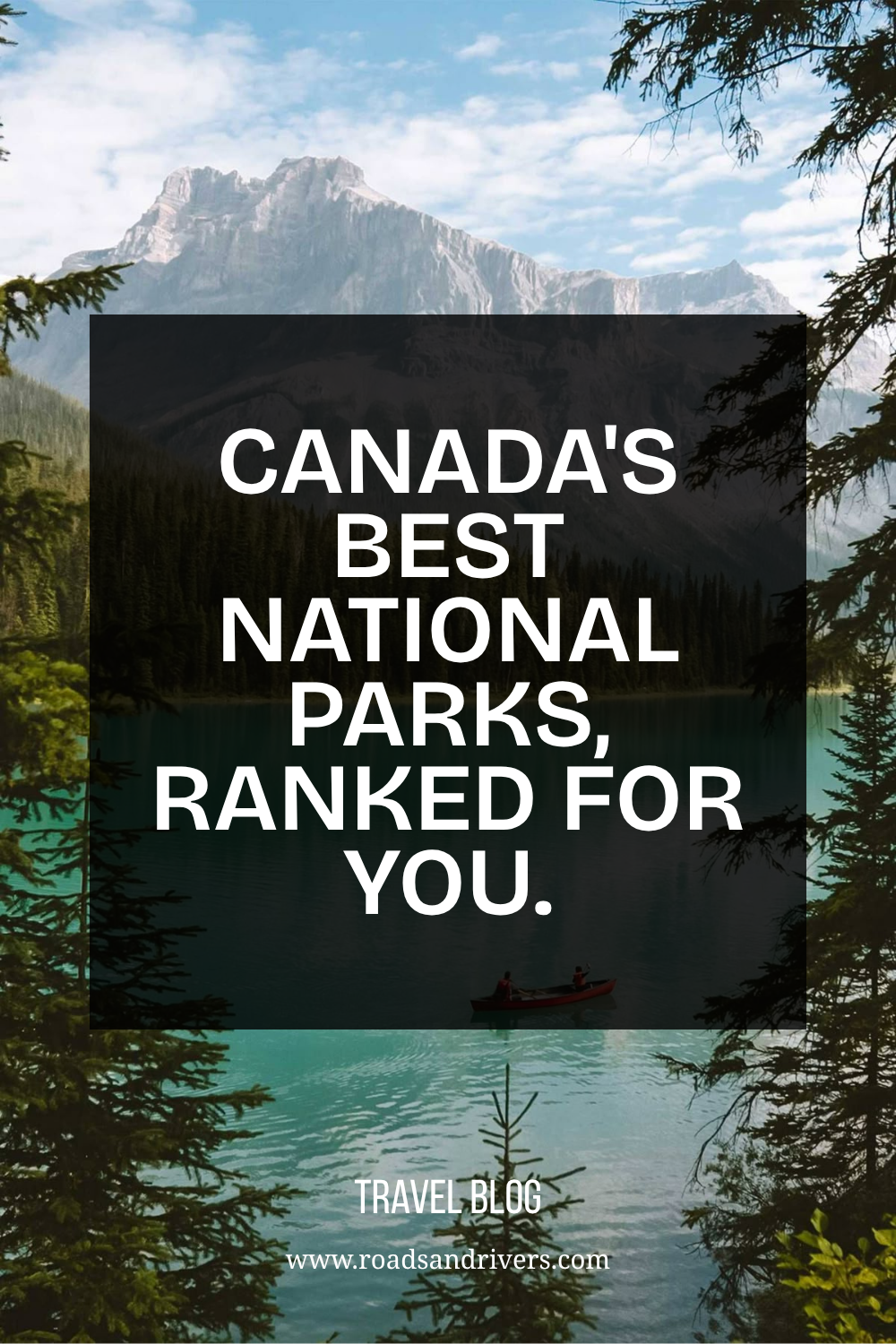
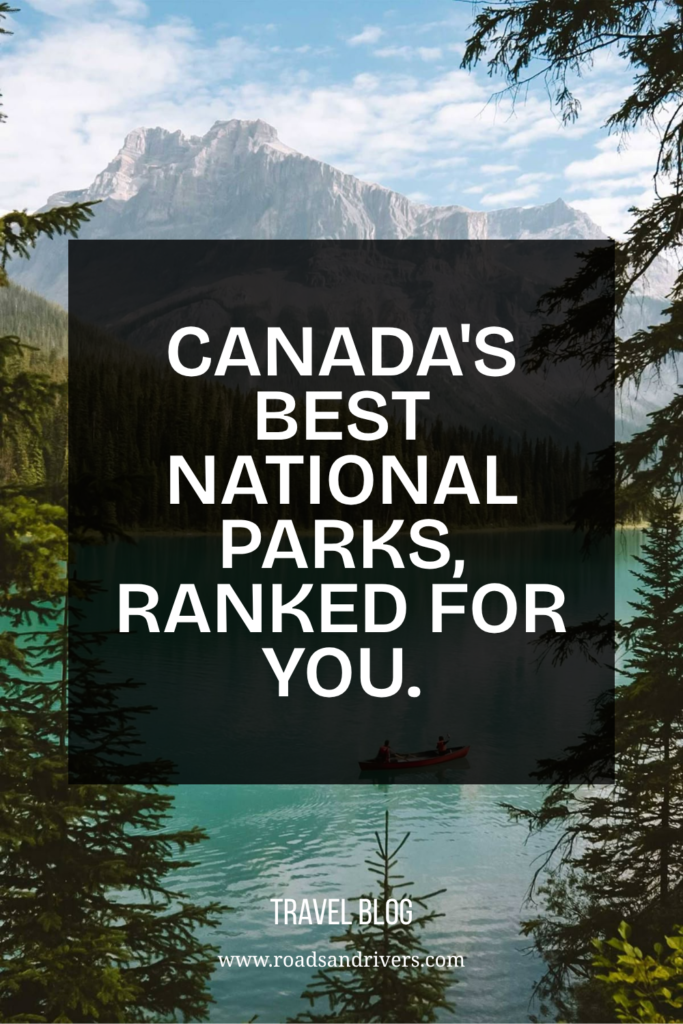
The first time you see a turquoise glacial lake surrounded by snow-capped peaks, your brain short-circuits a little. It doesn’t look real. It looks like someone cranked the saturation slider to max. But that’s just what Canada does. It shows you landscapes so absurd you forget to take the photo.
Canada is home to more than 40 national parks and reserves, 171 national historic sites, and some of the most famous national parks and natural wonders in Canada that rival anything on the planet. From the raw power of Niagara Falls to the endless alpine wilderness of the Canadian Rockies, this country holds more natural beauty per square kilometer than most travelers realize. The problem isn’t finding things to see. It’s narrowing down the list.
This guide covers the parks and natural wonders that actually deserve your time, including the famous headliners, the overlooked gems that locals keep to themselves, and everything you need to plan a trip that feels like a nature documentary come to life. Plus, there’s a massive update for 2026 that makes visiting cheaper than ever.
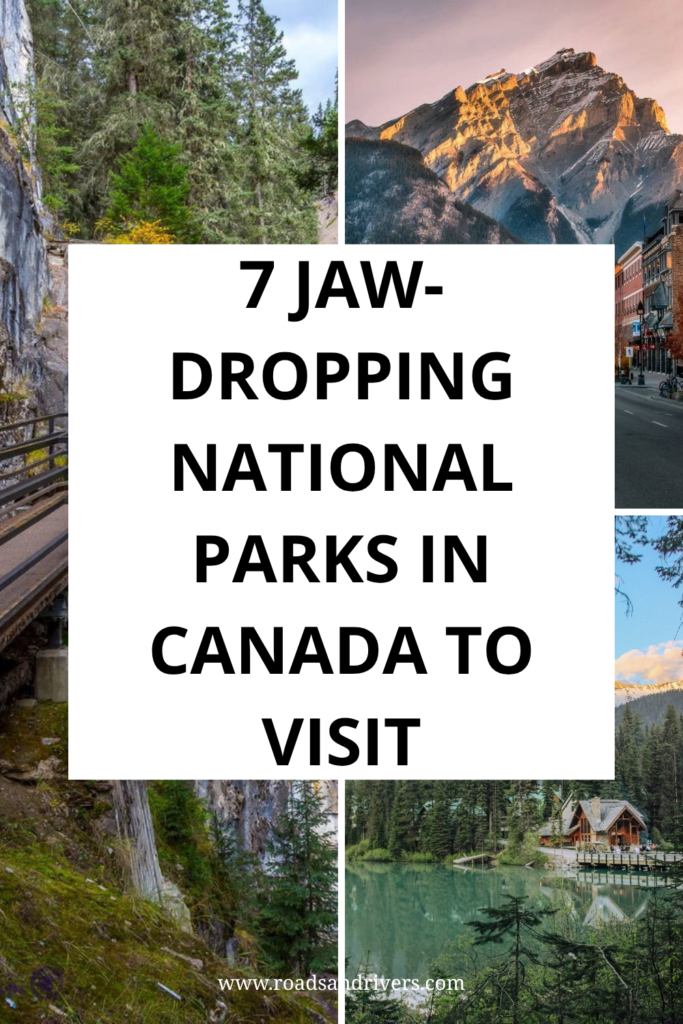
Table of Contents
- Canada’s National Parks Are Free This Summer (2026 Update)
- The Canadian Rockies: Banff and Jasper National Parks
- Canada’s Natural Wonders That Left Us Speechless
- Stop Overlooking These National Parks in Canada
- Can’t Decide Between Canada’s Natural Wonders? Here’s How to Pick
- The Canadian National Park Going Viral Right Now
- What’s the Most Underrated Natural Wonder in Canada?
- How to Plan a Canadian National Parks Road Trip
- Key Takeaways
- FAQ
Quick-Reference Info Box
Best time to visit: June to September for hiking and camping; September to October for fall foliage; December to March for northern lights and winter sports
Average daily budget: CAD $120 to $200 per person (mid-range, camping brings this down significantly)
Getting there: Major airports in Calgary (YYC) for the Rockies, Toronto (YYZ) for Ontario parks, Vancouver (YVR) for British Columbia
Days needed: 7 to 21 days depending on how many regions you cover
2026 bonus: Free entry to all national parks from June 19 to September 7
Canada’s National Parks Are Free This Summer (2026 Update)
Here’s the headline you need to know before planning anything else. The Canadian government is offering free admission to every single national park, national historic site, and national marine conservation area from June 19 to September 7, 2026 through the Canada Strong Pass program.
No pass required. No registration. No app download. You just show up and walk in.
This is the second year Canada has run the program, and the numbers from 2025 were massive. Newfoundland and Labrador alone saw a 58% jump in visitors during the free admission window. On top of the free entry, Parks Canada is also offering a 25% discount on camping fees and overnight stays during the same period.
Pro tip: Free entry doesn’t cover parking fees, backcountry permits, hot springs (like the ones in Banff and Radium), or guided tours. Budget for these extras, but the savings on admission alone can add up fast, especially if you’re visiting multiple parks on a road trip.
Meanwhile, the United States has moved in the opposite direction, hiking its annual park pass price for non-residents from $80 to $250 and adding surcharges at 11 of its most popular parks. If you were on the fence between a U.S. or Canadian park trip this summer, Canada just made the decision easy.
The Canadian Rockies: Banff and Jasper National Parks
I pulled into Banff at sunset after a full day of driving from Calgary. The town was glowing pink behind Cascade Mountain. I hadn’t even started hiking yet, and I already understood why people plan entire vacations around this one park.
Banff National Park
Canada’s first national park (established in 1887) is still its most visited, and for good reason. The combination of turquoise lakes, towering peaks, and surprisingly accessible trails makes Banff the kind of place that delivers for beginners and experienced hikers alike.
Lake Louise and Moraine Lake are the two spots everyone wants to see, and they’re worth the hype. But here’s the catch: during peak season, you need to book shuttle access or arrive before 6 AM to get a parking spot. The reservation system fills up fast (sometimes within minutes of opening), and some visitors end up paying for expensive private tours when public access sells out.
Beyond the famous lakes, the town of Banff itself has a walkable main street with solid restaurants, gear shops, and the Banff Gondola for panoramic views without a hike. Johnston Canyon is a beginner-friendly trail through a limestone gorge with catwalks bolted to the canyon walls. And the Icefields Parkway connecting Banff to Jasper is one of the most scenic drives on Earth.
Pro tip: If you’re visiting Banff in summer 2026, book Lake Louise and Moraine Lake shuttle reservations as early as April. The Parks Canada reservation system opens well in advance, and spots disappear quickly.
Jasper National Park
Jasper is Banff’s quieter, wilder sibling. It has fewer crowds, darker skies (it’s a designated Dark Sky Preserve), and a backcountry feel that Banff lost years ago to its own popularity.
The park topped a recent ranking as Canada’s best national park for 2026 by travel operator Journeyscape and Destination Canada. Maligne Lake, Spirit Island, and the Columbia Icefield are the marquee attractions. But Jasper’s real magic is in the smaller moments: elk grazing on the edge of town, the Miette Hot Springs after a long hike, and the feeling of standing at Athabasca Falls while 168,000 cubic meters of water crash past you every minute.
Read more: Road Trip Planning Guide for the Canadian Rockies (internal link placeholder)
Canada’s Natural Wonders That Left Us Speechless
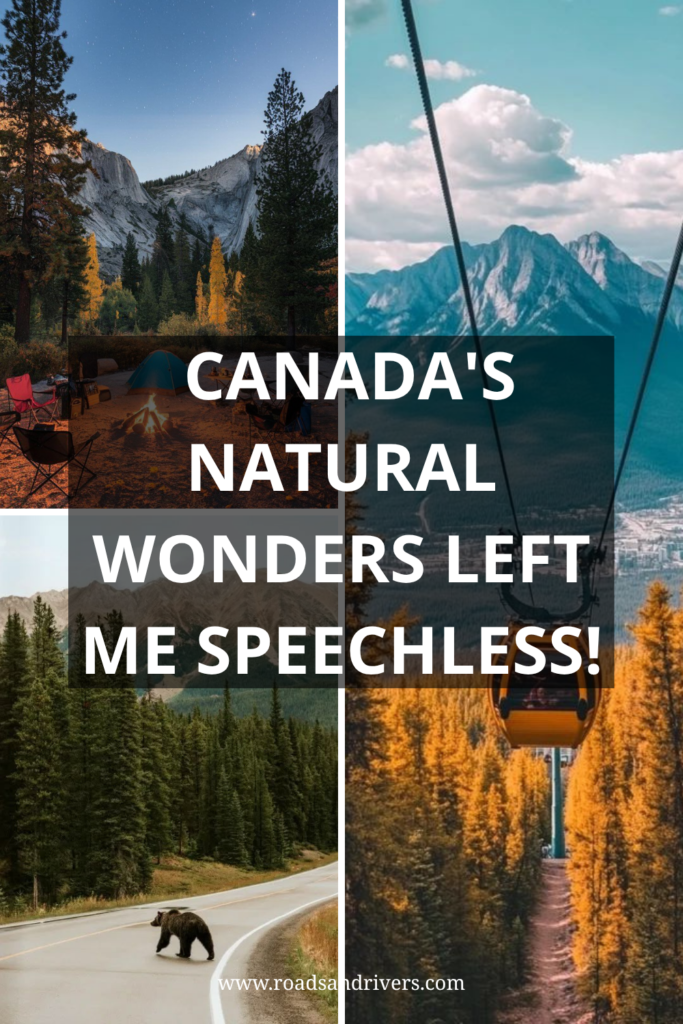
National parks get most of the attention, but some of Canada’s most impressive natural features exist outside park boundaries (or span multiple ones). These are the big-ticket wonders that draw millions of visitors and belong on any Canada trip.
Niagara Falls
No list of Canadian natural wonders is complete without Niagara Falls. Straddling the Ontario-New York border, the falls push roughly 168,000 cubic meters of water per minute over a 57-meter drop during peak season. That’s about 6 million cubic feet every 60 seconds. You feel it in your chest before you see it.
The Canadian side (Horseshoe Falls) is widely considered the better view. Get close on a Hornblower cruise, walk the tunnels behind the falls on the Journey Behind the Falls tour, or check out the Niagara Parks Power Station for a different angle. When you’ve had enough mist, the Niagara wine region has over 160 wineries within easy driving distance.
The Northern Lights
Canada’s northern territories offer some of the best aurora viewing on the planet, with the Northern Lights visible over 200 nights a year in places like Yellowknife, Whitehorse, and Churchill. Winter (December through March) gives you the longest dark skies, but September and October can also deliver strong displays with milder temperatures.
The Bay of Fundy
New Brunswick’s Bay of Fundy holds the world record for the highest tides: up to 16 meters (53 feet) between high and low tide. At low tide, you can walk the ocean floor among bizarre rock formations called flowerpots. Six hours later, the same spot is under 50 feet of water. It’s one of those natural phenomena that sounds exaggerated until you see it yourself.
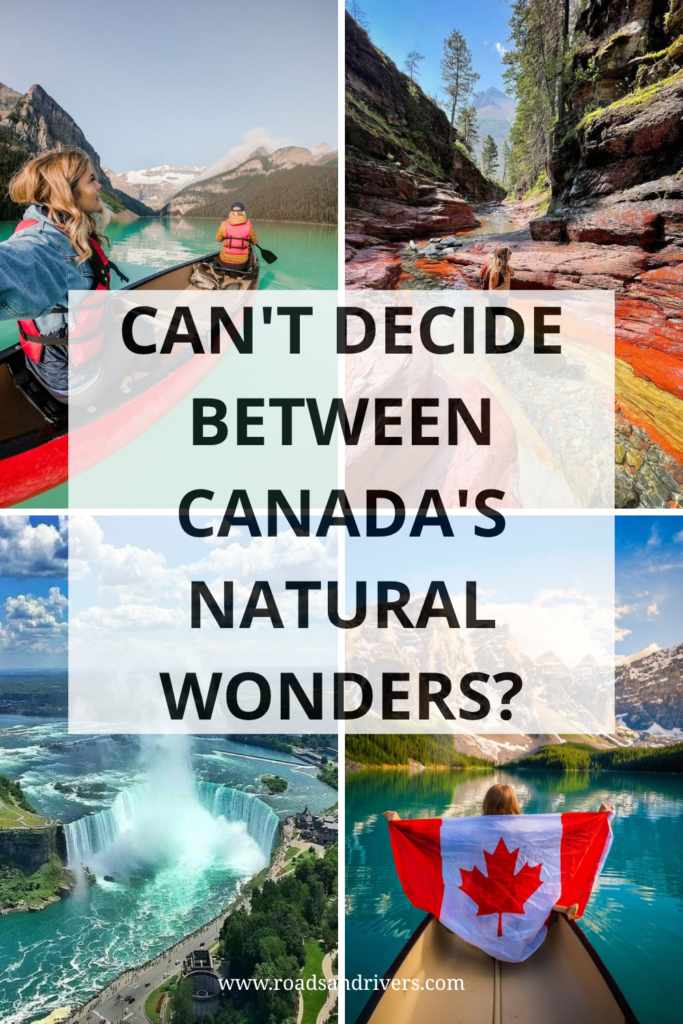
Stop Overlooking These National Parks in Canada
Everyone knows Banff and Jasper. But Canada has over 40 national parks, and some of the best ones barely register on most travelers’ radars. These are the parks that locals keep coming back to.
Cape Breton Highlands National Park, Nova Scotia
The Cabot Trail, a 300-kilometer loop around the northern tip of Cape Breton Island, is consistently ranked as one of the best scenic drives in the world. The park itself combines ocean cliffs, highland forests, and coastal villages. The Skyline Trail boardwalk offers views over the Gulf of St. Lawrence where whales breach offshore and bald eagles circle overhead. Autumn here is something else entirely: fiery red hardwoods against a cobalt ocean.
Cape Breton Highlands tied for first place in Journeyscape and Destination Canada’s 2026 national park rankings, scoring 9.31 out of 10.
Yoho National Park, British Columbia
Sitting just across the Alberta border from Banff, Yoho is home to Emerald Lake (one of the most photographed spots in the Rockies), Takakkaw Falls, and one of the most significant fossil sites in the world. It offers the same caliber of scenery as Banff with a fraction of the visitors.
Pro tip: A sunrise visit to Emerald Lake, with its rustic lakeside lodge reflected in still water, is one of the most photogenic moments you can capture in the Canadian Rockies.
Pukaskwa National Park, Ontario
On the remote northern coast of Lake Superior, Pukaskwa is 12 hours from Toronto by car. But that isolation is exactly the point. The Coastal Trail is one of Canada’s most challenging and rewarding multi-day hikes, with dramatic cliff views over Superior’s wild shoreline. If you want genuine solitude, this is where you find it.
Gulf Islands National Park Reserve, British Columbia
A scatter of more than 30 islands between Vancouver Island and the BC mainland, this coastal park is a kayaker’s paradise. River otters, seals, and bald eagles share the shoreline. On land, trails weave through Garry oak meadows, one of Canada’s rarest ecosystems. It tied for first in the 2026 rankings alongside Cape Breton.
Can’t Decide Between Canada’s Natural Wonders? Here’s How to Pick
Canada is enormous. The second-largest country on Earth. You can’t see it all in one trip, and trying will leave you exhausted. Here’s a quick framework for choosing the right region based on what you actually want.
For Mountain Landscapes and Alpine Lakes
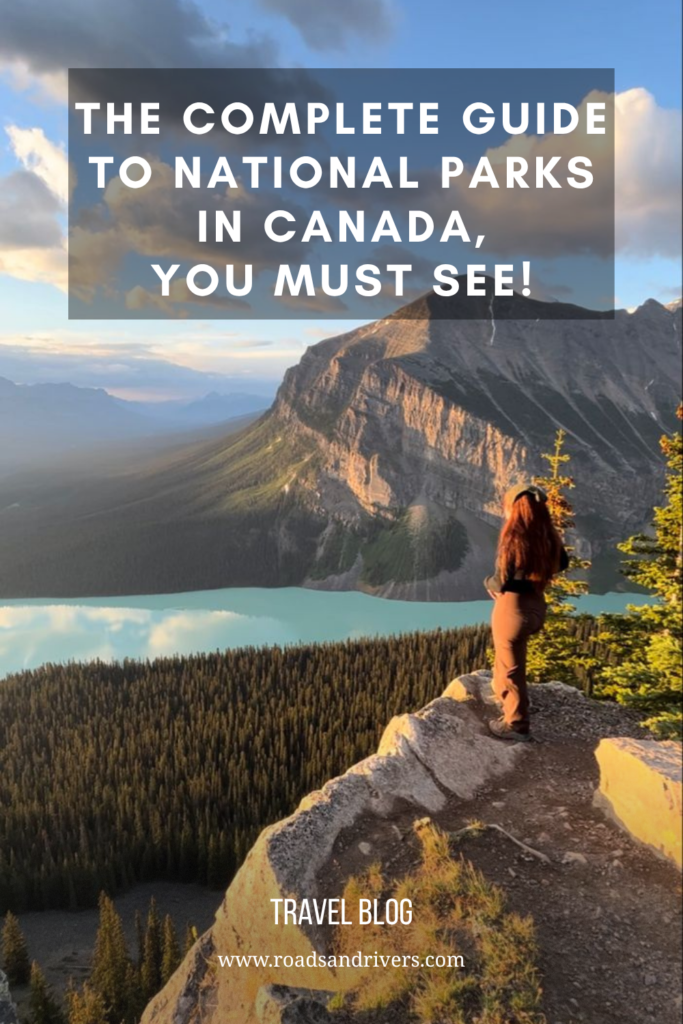
Head to the Canadian Rockies in Alberta and British Columbia. Banff, Jasper, Yoho, and Kootenay national parks form a connected corridor of peaks, glaciers, and turquoise lakes. Fly into Calgary and drive west.
For Coastal Scenery and Wildlife
Nova Scotia’s Cape Breton Highlands and British Columbia’s Pacific Rim National Park Reserve deliver. Pacific Rim, on the west coast of Vancouver Island, earned the most Instagram mentions of any Canadian park (over 29,000 posts) thanks to its sandy beaches, temperate rainforests, and world-class surfing in Tofino.
For True Wilderness and Solitude
Look north. Kluane National Park in the Yukon protects the largest non-polar ice fields on Earth and is home to Canada’s tallest mountain, Mount Logan. Nahanni National Park Reserve in the Northwest Territories is carved by water and steeped in Indigenous legend. These are serious wilderness parks for experienced adventurers.
For an Easy Weekend Escape
Bruce Peninsula National Park in Ontario is just 3.5 hours from Toronto. Dramatic limestone cliffs rise above turquoise waters, and the Grotto (a natural sea cave) is one of the most photographed spots in the province. Algonquin Provincial Park is another Ontario classic, perfect for canoe trips and fall foliage.
For the Canada Core Aesthetic
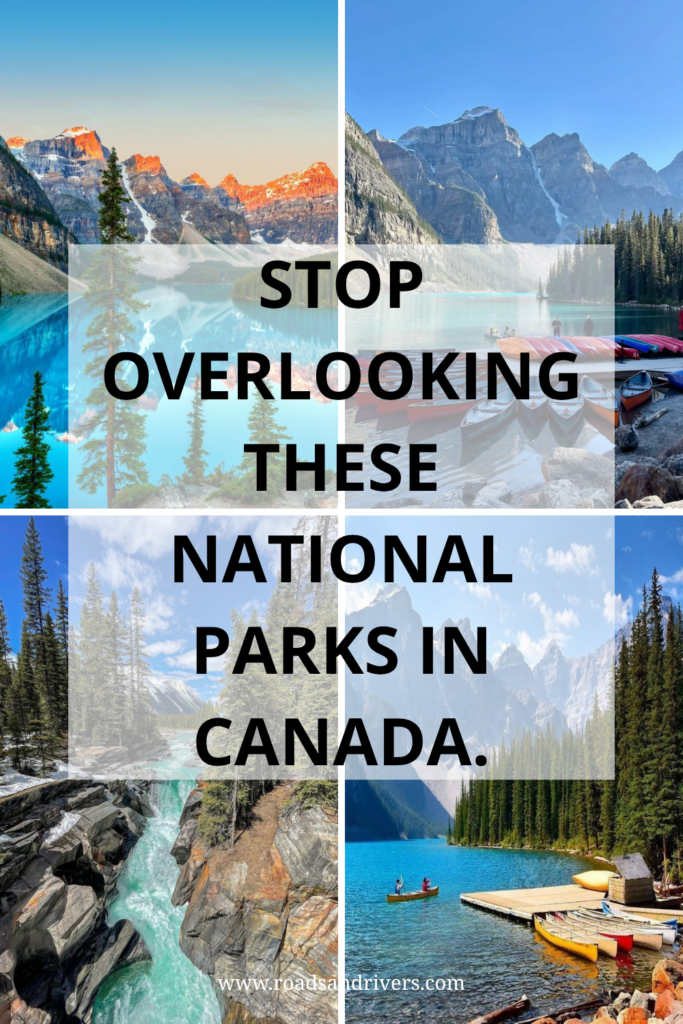
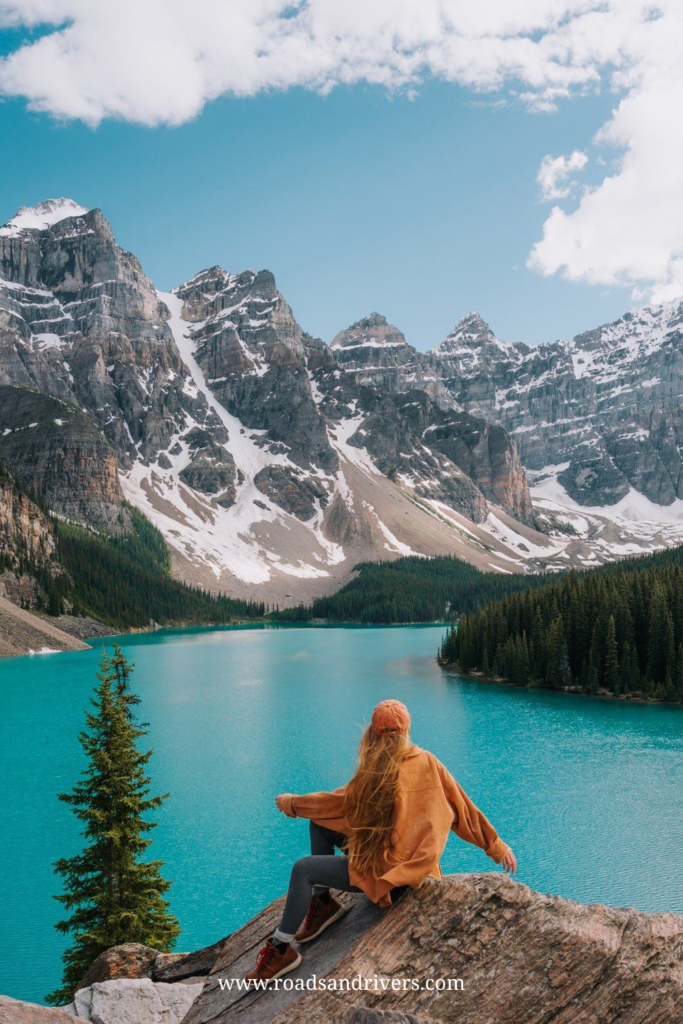
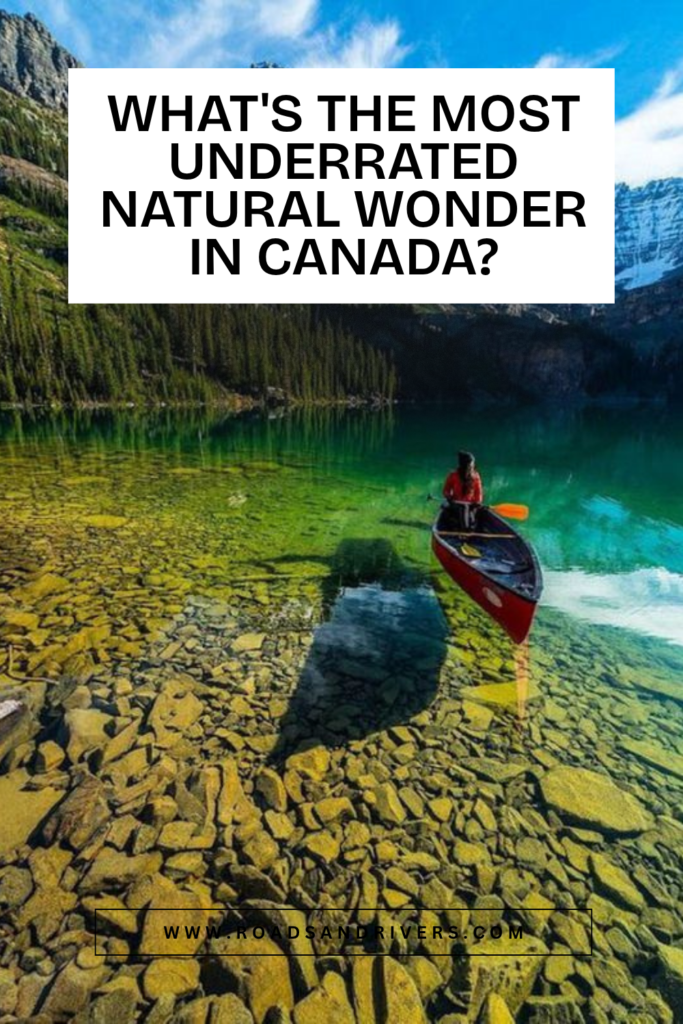
If your trip is partly about capturing that perfect travel aesthetic (think: red canoe on a glassy lake, mountains behind, golden light), Moraine Lake in Banff and Emerald Lake in Yoho are your shots. Lake Louise at sunrise, Peyto Lake from the Bow Summit viewpoint, and any of the Rockies’ turquoise lakes will deliver content that looks like it belongs in a magazine.
The Canadian National Park Going Viral Right Now
I was scrolling through my feed last month and the same park kept appearing. Not Banff. Not Jasper. It was Waterton Lakes, tucked into the southwest corner of Alberta where the Rocky Mountains crash directly into the prairie.
Waterton has always been popular with locals, but it’s been gaining serious traction on social media in 2026. The park offers a unique visual that’s hard to find anywhere else: jagged peaks rising straight out of flat grassland with no foothills in between. It’s dramatic in a way that photographs can’t fully capture.
The Bear’s Hump Trail is a short, steep climb that gives you sweeping views over the townsite and Upper Waterton Lake. The park connects to Glacier National Park in Montana, forming the world’s first International Peace Park. And the wildlife sightings are reliable: deer, bighorn sheep, bears, and elk are common along the main roads.
Pro tip: Waterton is significantly smaller and quieter than Banff but just as visually impressive. If you’re road-tripping through southern Alberta, it’s an easy add-on, and you’ll have trails largely to yourself on weekday mornings.

What’s the Most Underrated Natural Wonder in Canada?
Ask Canadians this question and you’ll get a different answer every time. But a few names come up over and over.
Grasslands National Park, Saskatchewan is one of the least-visited national parks in the country, and that’s precisely what makes it special. The prairie stretches to the horizon in every direction, bison roam freely, and the night sky is among the darkest in North America. It’s also one of the best places in Canada for stargazing, with zero light pollution.
The Cabot Trail in Nova Scotia gets mentioned in travel articles, but most international visitors still skip the Maritime provinces entirely. That’s a mistake. The 300-kilometer drive around Cape Breton is the kind of road trip that makes you pull over every 10 minutes because the next viewpoint is somehow better than the last.
Cathedral Grove on Vancouver Island is a rare old-growth forest where some trees are over 800 years old and reach hundreds of feet into the sky. Moss-covered rocks, small waterfalls, and a canopy so thick it blocks the sun. It looks like a set from a fantasy film, and it takes less than an hour to reach from Nanaimo.
Tofino and the Pacific Rim, also on Vancouver Island, offer a completely different version of Canada: surfing, sandy beaches, temperate rainforest, and a laid-back vibe that feels more California than Canada (until you step into the cold Pacific water).
Pro tip: If you’re visiting British Columbia, combine Cathedral Grove and Tofino into a single Vancouver Island road trip. The drive between them is gorgeous, and the island deserves at least three to four days.
How to Plan a Canadian National Parks Road Trip
Canada was built for road trips. The distances are long, but the drives themselves are the attraction. Here’s how to structure a parks-focused road trip without burning out.
Pick Your Region First
Don’t try to cross the entire country in two weeks. Choose one of these road trip corridors:
The Rockies Loop (7 to 10 days): Calgary to Banff to Jasper (via the Icefields Parkway) to Yoho, then back to Calgary. This is the classic Canadian parks road trip and packs the most turquoise-lake-per-day ratio of any route in the country.
The Maritimes Drive (10 to 14 days): Halifax to Cape Breton Highlands, through New Brunswick’s Bay of Fundy, and up to Prince Edward Island. Coastal scenery, fresh seafood, and some of the friendliest people you’ll meet anywhere.
The Vancouver Island Circuit (5 to 7 days): Victoria to Pacific Rim National Park Reserve via Cathedral Grove, up to Tofino, and back. Rainforest, surf towns, and indigenous culture packed into a compact island loop.
Book Campsites Early
Parks Canada campgrounds fill up months in advance, especially in Banff and Jasper during peak season. Reservations open in January for the following summer. Set a calendar reminder and book the morning they go live. Backcountry camping permits are easier to snag but still require planning.
Budget for What’s Not Free
Even with the Canada Strong Pass waiving admission fees in summer 2026, you’ll still pay for camping, parking at some trailheads, backcountry permits, hot springs, and guided tours. A realistic mid-range budget is CAD $120 to $200 per day per person, covering accommodation, food, gas, and activities. Camping and cooking your own meals can bring this below $80.
Pro tip: Gas stations in remote park areas charge a premium. Fill up in gateway towns like Canmore (before Banff), Hinton (before Jasper), or Field (before Yoho) to save a few dollars per tank.
Key Takeaways
- Canada’s national parks are free to enter from June 19 to September 7, 2026, with a 25% discount on camping. No pass or registration required.
- Banff and Jasper are the headliners, but parks like Cape Breton Highlands, Yoho, and Gulf Islands deserve equal attention.
- Pick one region and go deep rather than trying to cross the country. The Rockies Loop, Maritimes Drive, and Vancouver Island Circuit are three proven routes.
- Canada’s natural wonders extend beyond parks: Niagara Falls, the Northern Lights, the Bay of Fundy, and Cathedral Grove are all worth building a trip around.
- Book campsites and Lake Louise/Moraine Lake shuttles months in advance. Popular parks sell out fast, even in a free-admission year.
Canada doesn’t need a hard sell. The mountains, lakes, coastlines, and forests speak for themselves. The only real mistake you can make is waiting too long to go.
With free park admission running all summer 2026, there’s never been a better (or cheaper) time to load up the car, pack the hiking boots, and see what all the fuss is about. Spoiler: the photos don’t do it justice.
What’s your favorite Canadian national park or natural wonder? Share it in the comments. And if you’re mid-planning mode, save this post. You’ll want it when reservation day rolls around.
FAQ
How many national parks does Canada have?
Canada has 37 national parks, 11 national park reserves, and 168 national historic sites managed by Parks Canada. Every province and territory is represented within the system. The parks range from tiny coastal islands in British Columbia to massive wilderness areas in the Yukon that are larger than some European countries.
What is the best national park in Canada for first-time visitors?
Banff National Park in Alberta is the most accessible and popular starting point. It combines world-class scenery with solid infrastructure, including restaurants, hotels, and well-marked trails for all skill levels. If you only have time for one park, Banff gives you the widest range of experiences in a single location.
Is the Canada Strong Pass really free for international visitors?
Yes. The Canada Strong Pass program running from June 19 to September 7, 2026 waives admission fees for everyone, including international tourists. No pass, ticket, or registration is required. You simply show up at any Parks Canada location and entry is free. Camping and other accommodations still carry fees, though a 25% discount applies during the same window.
When is the best time to visit Canadian national parks?
Summer (July to early September) offers the best weather for hiking and camping but also brings the biggest crowds. September and October deliver fall foliage, fewer visitors, and better chances of spotting wildlife like moose and elk. Winter (December to March) is the season for northern lights, frozen waterfalls, and ice caves, particularly in the Rockies and northern territories.
Can you visit multiple national parks on one trip?
Absolutely. The Canadian Rockies are ideal for multi-park road trips because Banff, Jasper, Yoho, and Kootenay are all connected by scenic highways. A 7 to 10 day loop from Calgary covers all four comfortably. On the east coast, the Maritimes offer a similar multi-park circuit combining Cape Breton Highlands, Fundy, and Kejimkujik.