

Most travelers land in Istanbul, spend a few days soaking up the Bosphorus and the Blue Mosque, then tick Turkey off their list. Ankara barely gets a mention. And that is a real shame, because Turkey’s capital city is one of the most underrated destinations in the entire country.
If you are planning a trip to Turkey, Ankara deserves more than a stopover. It has a hilltop castle with sweeping city views, one of the most moving monuments you will find anywhere in the Middle East, a buzzing old bazaar quarter, world-class museums, and a local food scene that Istanbul tourists never get to try. This guide tells you exactly why Ankara should be on your Turkey travel itinerary, what to see in one day or more, and how it stacks up against the more famous cities on the map.
Table of Contents
- What Makes Ankara Different From Istanbul?
- Is Ankara Worth Visiting? The Honest Answer
- 7 Reasons to Add Ankara to Your Turkey Itinerary
- What to See in Ankara in 1 Day
- Where Travelers Keep Going Wrong With Ankara
- Ankara Travel Tips: Budget, Getting There, Best Time to Visit
- FAQ: Ankara Travel Questions Answered
Quick-Reference Info Box
Best time to visit: April–June and September–October (mild weather, fewer crowds)
Average daily budget: $40–$70 USD (mid-range); $20–$30 USD (budget)
Getting there: Direct flights from Istanbul (~1 hour), or high-speed rail from Istanbul Pendik (~4.5 hours)
Days needed: 1–2 days is enough to cover the highlights
Getting around the city: Metro, bus, or taxi; Ankara has a clean and efficient metro system
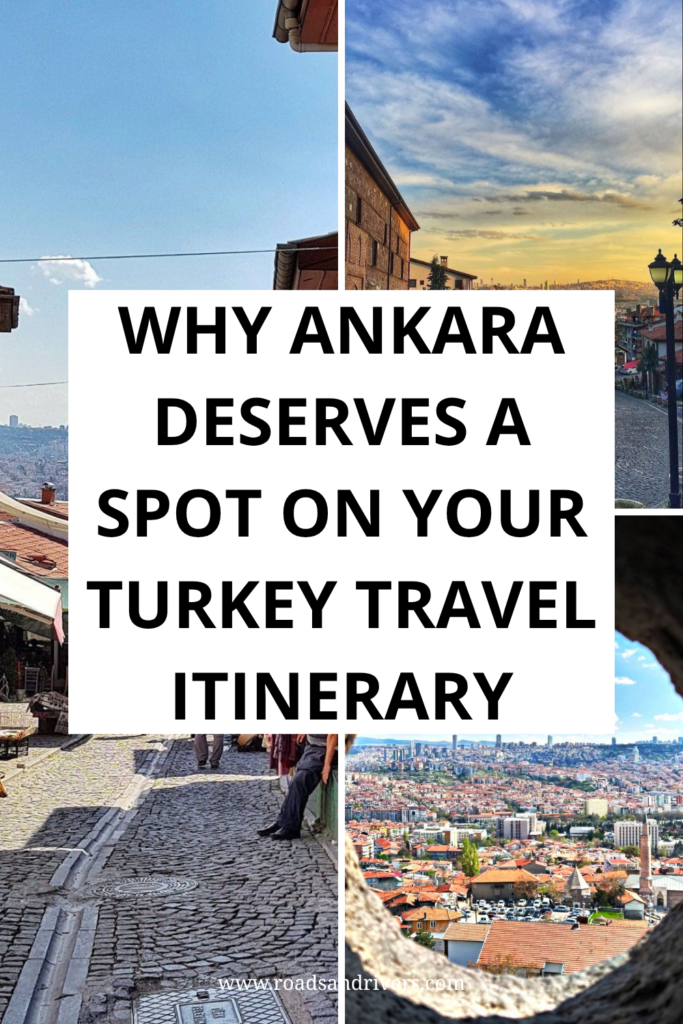
What Makes Ankara Different From Istanbul?
Istanbul gets all the glory. The Grand Bazaar, Hagia Sophia, the Galata Tower — they are iconic for a reason. But Istanbul is also crowded, expensive, and can feel exhausting after a few days of navigating tourist-heavy streets.
Ankara is the opposite. It is a working capital city, home to universities, embassies, and political institutions. Tourists are the exception here, not the rule. That means you get a more authentic slice of Turkish daily life, shorter queues at the main sights, and prices that feel refreshingly honest compared to Istanbul’s tourist-district markups.

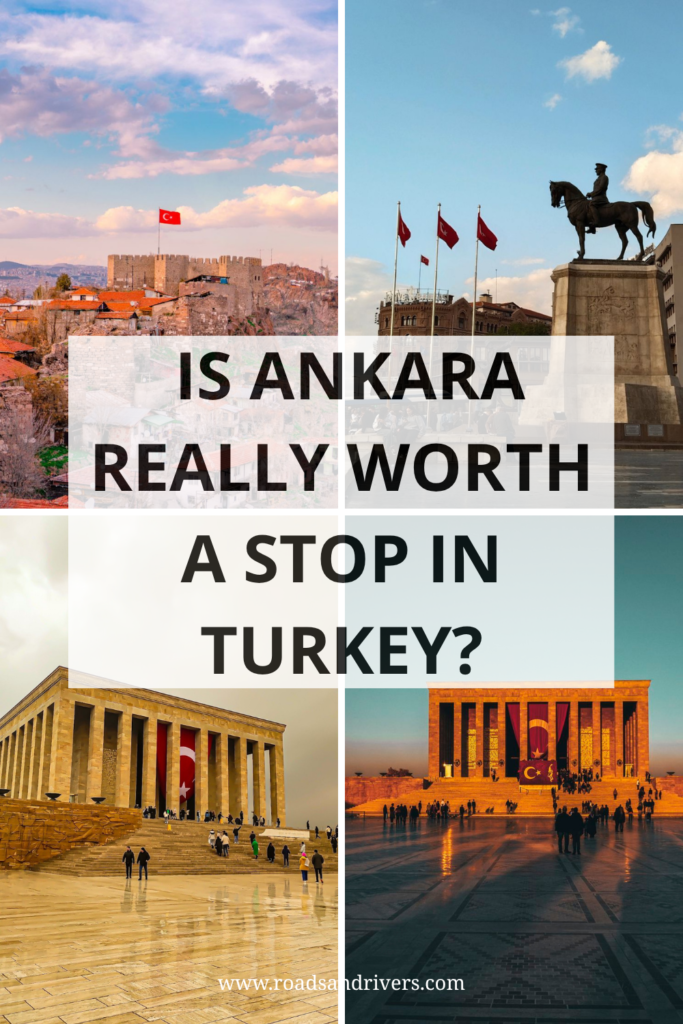
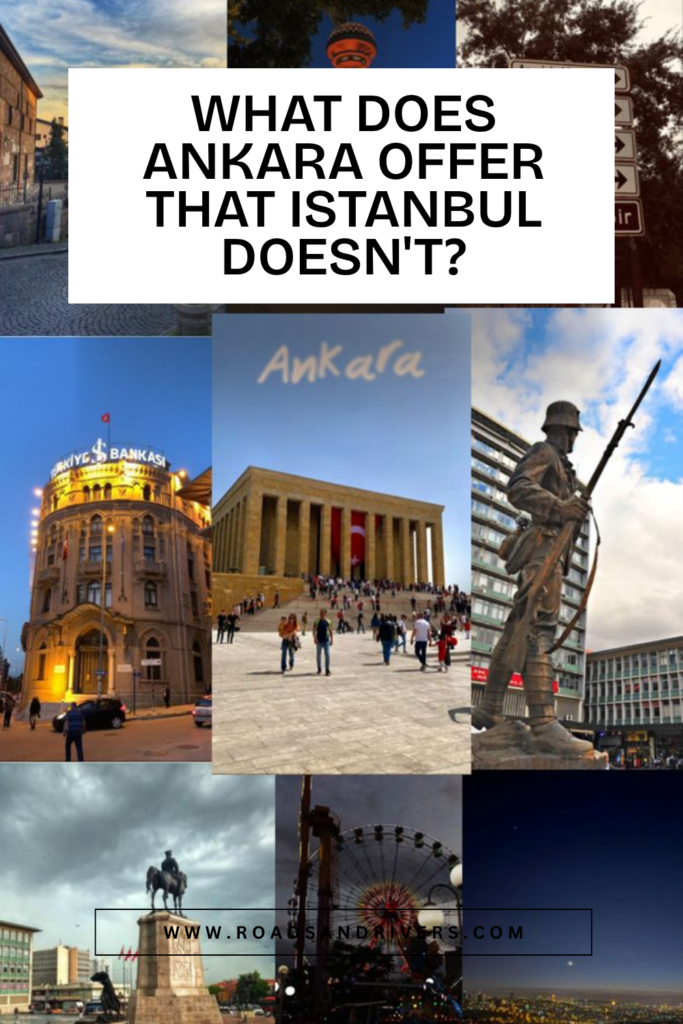
The biggest thing Ankara offers that Istanbul does not? Anıtkabir, the mausoleum of Mustafa Kemal Atatürk. This is one of the most significant sites in all of Turkey, and it is only here. No amount of Istanbul sightseeing replaces it.
Pro tip: If you are already planning time in Istanbul, adding Ankara to your trip adds a single train or flight connection — and gives your Turkey travel itinerary serious depth.
Is Ankara Worth Visiting? The Honest Answer {#is-ankara-worth-visiting}
Yes. But with the right expectations.
Ankara is not a beach destination. It is not a fairy-tale landscape like Cappadocia. It is a real, lived-in city with a historic core, great food, and a handful of genuinely world-class sights. If you travel to feel the pulse of a place rather than just photograph it, Ankara will reward you.
The travelers who come away disappointed are usually the ones who expected it to look like Istanbul. Those who come looking for something different — a capital with character, history that goes beyond the Ottoman era, and streets where locals actually outnumber tourists — almost always leave impressed.
Read more: If Istanbul is already on your list, check out the 3 Days in Istanbul: The Perfect First-Timer’s Guide to plan both cities back-to-back.
7 Reasons to Add Ankara to Your Turkey Itinerary
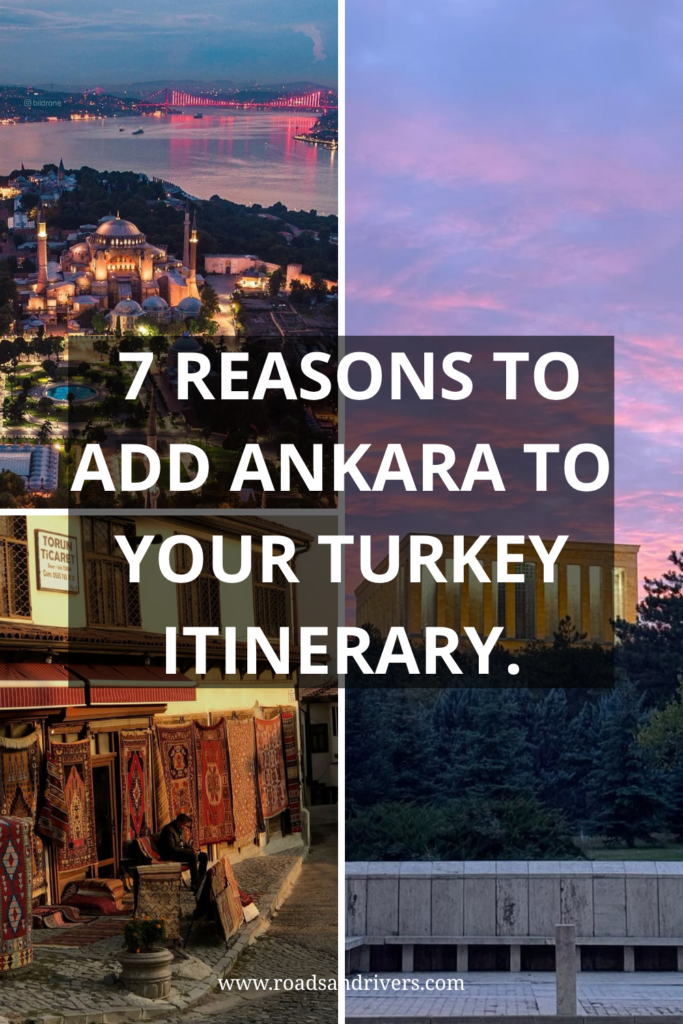
1. Anıtkabir: Turkey’s Most Powerful Monument
Nothing in Turkey quite prepares you for Anıtkabir, the mausoleum built for Atatürk, the founder of the Turkish Republic. The scale alone is impressive — the colonnaded structure sits on a hilltop surrounded by ceremonial courtyards and immaculate gardens.
But it is the atmosphere that stays with you. Turkish visitors often cry here. The museum inside covers the full story of Atatürk’s life and the birth of modern Turkey in remarkable detail. Budget at least 90 minutes.
Pro tip: Go on a weekday morning to beat school groups and tour buses.
2. Ankara Castle and the Old Quarter
Perched on a volcanic rock above the city, Ankara Castle (Ankara Kalesi) dates back to the Byzantine era and offers some of the best panoramic views in the city. The streets winding up to it are lined with traditional wooden houses, craft workshops, and carpet sellers.
This is the most photogenic part of the city. Wander without a plan and you will find yourself in quiet alleys that feel untouched by the 21st century.
3. The Museum of Anatolian Civilizations
If you have any interest in ancient history, this museum alone justifies the trip. Housed in a beautifully restored 15th-century Ottoman building, it contains one of the finest collections of Hittite, Phrygian, and Neolithic artifacts anywhere in the world. It won the European Museum of the Year award and it absolutely deserved it.
Pro tip: Pick up an audio guide at the entrance — the context it adds to the exhibits is worth the small extra cost.
4. Ulus Square and Republican-Era Architecture
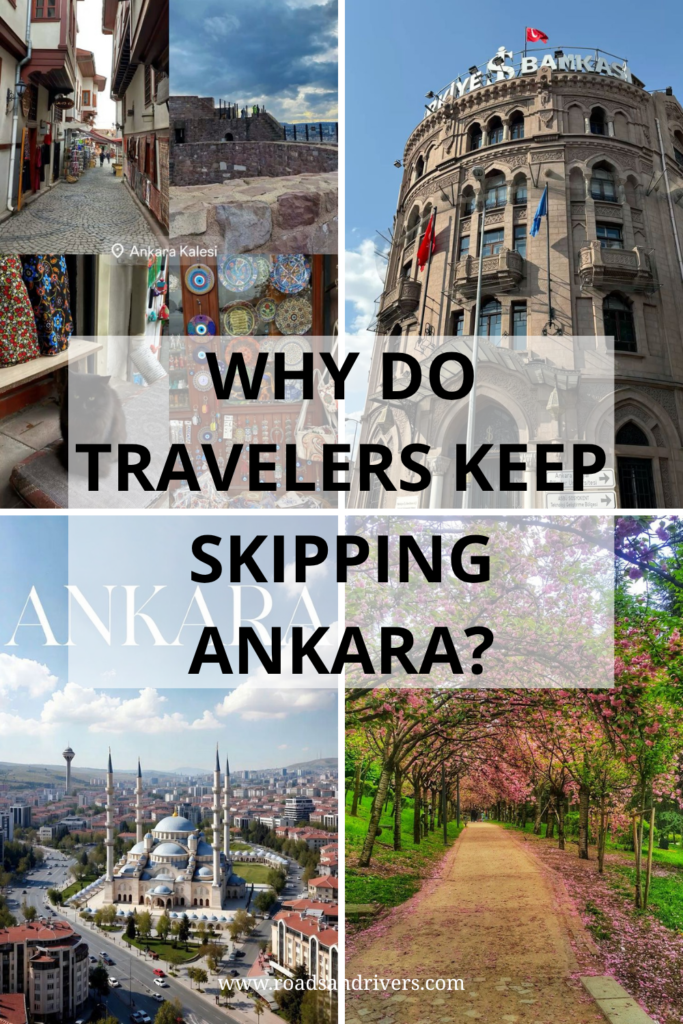
Ulus is the historic heart of the city, centered around Atatürk’s equestrian statue and flanked by striking Republican-era buildings. The İş Bankası building, with its curved facade and Ottoman-meets-art deco detailing, is one of the most photographed structures in the city.
This part of Ankara feels like a living architecture textbook — a deliberate city-building project from the 1920s and 30s that tried to express what modern Turkey could look like.
5. Kızılay and the Vibrant City Center
Kızılay is the beating heart of modern Ankara — packed with cafes, bookshops, street food stalls, and the kind of energy you get when a million university students live in the same city. The famous umbrella street (Yüksel Caddesi) is worth a walk, especially in spring when the trees are in bloom.
This is also where you get the best local food prices. Grab a fresh simit from a street cart, sit in a çay bahçesi (tea garden), and watch the city go about its day.
6. Kuğulu Park and the Green Side of the City
Most travelers picture Ankara as a concrete government city. They are wrong. Kuğulu Park, in the upscale Çankaya district, is a popular local escape with a swan pond, walking paths lined with cherry blossoms in spring, and a relaxed atmosphere that feels nothing like the political capital image.

Nearby, the Atakule Tower offers a revolving restaurant and observation deck with city-wide views. It is a bit kitsch, but the views at sunset are genuinely good.
7. Ankara’s Local Food Scene
Ankara is the birthplace of some distinctly Turkish culinary traditions. The Angora region gives its name to Angora cats, Angora rabbits, and Angora goats — and local food markets still celebrate these agricultural roots.
Look out for Ankara tava (a slow-cooked lamb dish), fresh turşu (pickles sold straight from barrels on the street), and the ubiquitous gevrek — a chunkier, chewier version of simit that locals will tell you is far superior to the Istanbul version.
What to See in Ankara in 1 Day
One full day is enough to hit the main sights without feeling rushed. Here is a practical route:
Morning: Start at Anıtkabir when it opens (9 AM). Spend 90 minutes there, then take the metro toward Ulus.
Late morning: Walk up through the old bazaar streets to Ankara Castle. Stop at a local café near the top for tea and a view before heading into the Museum of Anatolian Civilizations (budget 1.5–2 hours here).
Afternoon: Head down to Ulus Square for lunch — there are plenty of small lokanta restaurants serving cheap, home-style Turkish food. Walk around the Republican-era buildings, then make your way to Kızılay for the afternoon.
Evening: End the day in Çankaya or Kızılay with dinner. The restaurant scene here is genuinely good, especially for mezes and grilled meats.
Pro tip: The metro in Ankara is clean, cheap, and covers most of the key tourist areas. Download the map before you go and you will not need a taxi all day.
Where Travelers Keep Going Wrong With Ankara
The biggest mistake travelers make with Ankara is skipping it entirely.
The second biggest mistake is treating it like a half-day transit stop between Istanbul and Cappadocia. One full day is the minimum. Two days gives you time to breathe, visit the Museum of Anatolian Civilizations properly, and get out to Çankaya for the evening atmosphere.

The third mistake is not understanding what kind of city Ankara is. It is a capital city in the full sense — administrative, academic, cultured, and proud. Locals are well-traveled and well-educated. English is widely spoken, especially in the center. The city is safe, walkable in the key areas, and surprisingly easy to get around.
Pro tip: If you are building a wider Turkey itinerary, Ankara pairs well with a high-speed rail journey. The Ankara–Istanbul YHT train is comfortable, affordable, and a travel experience in itself.
Read more: Building a bigger European leg before or after Turkey? The Best Interrail Routes in Europe has 10 solid itineraries that connect naturally with a Turkey visit.
Ankara Travel Tips: Budget, Getting There, Best Time to Visit
Budget Breakdown
| Category | Budget traveler | Mid-range traveler |
|---|---|---|
| Accommodation (per night) | $15–$25 (hostel/guesthouse) | $40–$70 (3-star hotel) |
| Food (per day) | $8–$15 | $20–$35 |
| Transport (metro/day) | $2–$4 | $5–$10 (metro + taxi) |
| Sights (entry fees) | $3–$8 | $10–$20 |
| Daily total | $28–$52 | $75–$135 |
Anıtkabir is free to enter. The Museum of Anatolian Civilizations charges a small entry fee (currently around 200 Turkish lira for foreign visitors, subject to change). Ankara Castle access is free.
Getting to Ankara
From Istanbul: Turkish Airlines, Pegasus, and AnadoluJet all run multiple daily flights from Istanbul’s airports. Flight time is about 1 hour. Alternatively, the high-speed YHT train from Istanbul Pendik station takes around 4.5 hours and costs significantly less — and the stations in Ankara are central.
From Cappadocia: Bus connections run regularly from Göreme and Nevsehir, taking around 4–5 hours. It is a perfectly manageable overnight bus trip if you want to keep costs down.
Best Time to Visit Ankara
April to June is ideal. Temperatures are mild (15–25°C), the cherry blossoms in Kuğulu Park are out, and the city is not baking in summer heat. September and October are the second best window — still warm, with fewer tourists than the peak summer season.
Avoid July and August if you can. Ankara sits on a high plateau and gets very hot (often above 35°C), with little sea breeze to take the edge off.

If you are the type of traveler who likes going somewhere that is not on everyone’s radar yet, Ankara is waiting. It has the history, the food, the architecture, and the atmosphere. It just does not have the Instagram queue.
For anyone putting together a broader adventure travel plan, it is worth reading How to Plan an Outdoor Trip: From Gear to Route to Safety before setting off — especially if you are mixing city visits with more rugged Turkish landscapes like Cappadocia or the Black Sea coast.
Key Takeaways
- Ankara is Turkey’s capital and one of its most underrated travel destinations, skipped by most tourists who only visit Istanbul
- The main sights — Anıtkabir, Ankara Castle, and the Museum of Anatolian Civilizations — are all genuinely world-class
- One full day covers the highlights; two days lets you explore the city at a comfortable pace
- Ankara is cheaper than Istanbul and significantly less crowded at the major attractions
- The best time to visit is April–June or September–October for comfortable temperatures
- Getting there from Istanbul takes about 1 hour by plane or 4.5 hours by high-speed train
Conclusion
Ankara is the kind of city that rewards travelers who do a little more than follow the crowd. While everyone else is elbowing for space at the Hagia Sophia, you could be standing alone on the terrace of Ankara Castle watching the sun go down over a city of five million people who barely ever see a foreign tourist.
Add it to your Turkey itinerary. Even one day will change how you see this country.
Have you been to Ankara? Thinking of going? Drop your questions in the comments below — or share your experience if you have already made the trip.
FAQ: Ankara Travel Questions Answered {#faq}
Is Ankara safe for tourists?
Yes. Ankara is considered one of the safer major cities in Turkey. The tourist areas — Ulus, Kızılay, Çankaya, and the castle district — are all safe to walk around during the day and into the evening. As with any large city, standard common-sense precautions apply.
How many days do you need in Ankara?
One full day is enough to cover the key sights: Anıtkabir, Ankara Castle, and the Museum of Anatolian Civilizations. Two days gives you more time to explore Kızılay, visit Kuğulu Park, and get a feel for the city beyond the main tourist circuit.
Is Ankara worth visiting if you have already been to Istanbul?
Absolutely. The two cities are very different. Istanbul is Ottoman, coastal, and cosmopolitan. Ankara is the political and cultural capital of Republican Turkey — different history, different atmosphere, different food. Anıtkabir alone is worth the trip.
What is Ankara known for?
Ankara is known as the capital of Turkey, as the site of Anıtkabir (Atatürk’s mausoleum), for Angora wool (from Angora goats and rabbits native to the region), for its important Hittite and Anatolian artifact collections, and as one of Turkey’s major university cities.
How do you get from Istanbul to Ankara?
You can fly (about 1 hour, multiple airlines, multiple daily flights) or take the YHT high-speed train from Istanbul Pendik station (about 4.5 hours). The train is comfortable, scenic in stretches, and significantly cheaper than flying when booked in advance.
Planning a bigger Turkey adventure? The 3 Days in Istanbul: The Perfect First-Timer’s Guide is the perfect complement to this post. And if Turkey is part of a wider trip, Backpacking Europe for Beginners covers everything you need to plan a longer journey.