
Gran canaria has over 100 beaches. That number is either exciting or overwhelming depending on how you approach it — but once you understand the island’s geography, the best ones become obvious.
The south gets more sunshine and longer golden sand stretches. The north is rugged, dramatic, and far less visited. The west coast hides some of the most spectacular and hard-to-reach coastline in the whole Canary Islands. And the capital, Las Palmas in the northeast, has one of the best urban beaches in Europe sitting right in the middle of a functioning city.
What makes gran canaria different from its island neighbors is the sheer variety. You can stand on Maspalomas dunes and feel like you’re in the Sahara, then drive 40 minutes to a sheltered turquoise cove that looks like the Caribbean. You can hike two hours to a black-sand beach that has no facilities, no lifeguard, and no other tourists — or pull up a sunbed at a resort beach with every amenity within arm’s reach.
This guide covers 10 beaches that between them represent the full range of what the island offers: the icons worth every tourist, the hidden coves few visitors find, and the honest assessment of which famous beaches are slightly overrated.
Table of Contents
- Quick-Reference Info Box
- Which Gran Canaria Beach Is Actually the Best?
- 10 Best Gran Canaria Beaches Ranked by Vibe and Access
- The Gran Canaria Beach Nobody Knows About Yet
- 3 Overrated Gran Canaria Beaches to Skip
- Can’t Pick Which Gran Canaria Beach to Visit?
- Is Gran Canaria’s Best Beach a Hidden Cove?
- Key Takeaways
- FAQ
Quick-Reference Info Box
Best time to visit: Year-round; the “eternal spring” climate keeps temperatures at 20–27°C (68–80°F) throughout the year
South coast: More sunshine, golden sand, resort infrastructure, calmer seas
North coast: Dramatic cliffs, rougher seas, fewer tourists
West coast: Wild, remote, best for adventure and hidden beaches
Getting around: Rental car strongly recommended for reaching lesser-known beaches
Blue Flag beaches: Gran Canaria has over a dozen Blue Flag-certified beaches
Currency: Euro (€); Gran Canaria is part of Spain
Which Gran Canaria Beach Is Actually the Best?
The honest answer depends entirely on what you want from a beach day.
For scenery and drama: Güi Güi on the remote west coast. For convenience and swimming conditions: Playa de Amadores. For the full package of beauty, character, and facilities: Puerto de Mogán. For urban atmosphere and surf: Las Canteras in Las Palmas. For raw, dune-backed wilderness: Maspalomas.
Every beach guide that names a single “best” beach in Gran Canaria is making a choice that only works for one type of traveler. This guide ranks by vibe and access — because a beach with a two-hour hike in is only the best beach if you’re willing to do the hike.
Gran Canaria has 146 miles of pristine coastline and is one of the few islands in the Canary Islands where you’ll encounter both golden sand and volcanic black sand, sometimes within an hour’s drive of each other. The island’s geology does that — the south built from ancient lava flows covered by Saharan wind-carried sand, the north and west still raw and volcanic.
Pro tip: If you’re basing yourself in the south resort area (Maspalomas, Playa del Inglés), you can reach most of the top beaches by bus or taxi. But for the best hidden coves and the north coast, renting a car is the only realistic option.
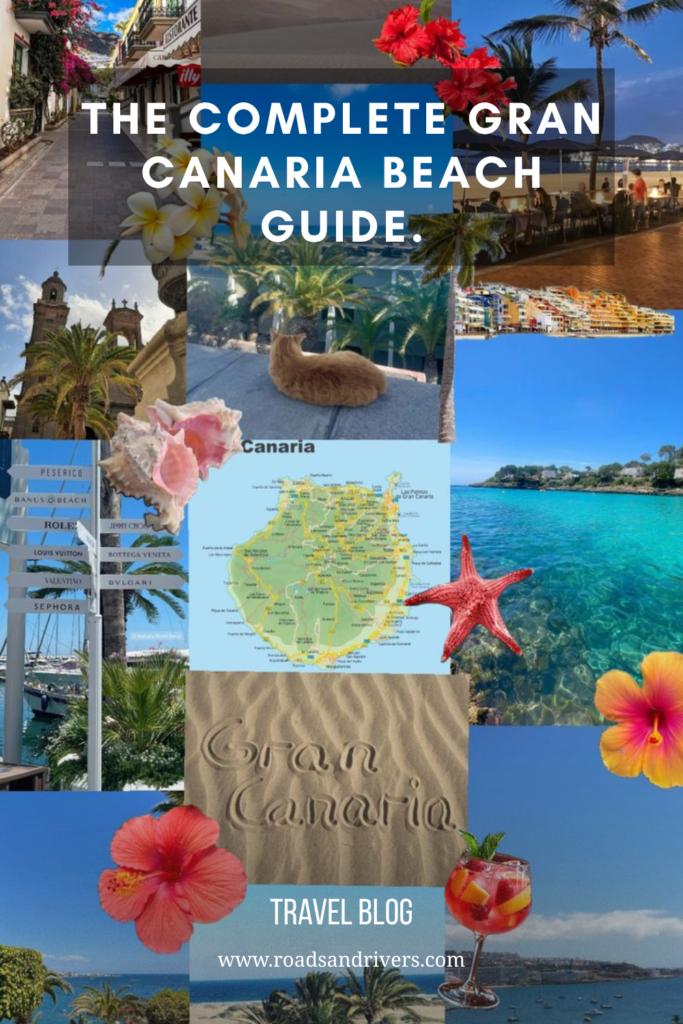
10 Best Gran Canaria Beaches Ranked by Vibe and Access

1. Playa de Maspalomas
The most iconic beach on the island, and for good reason. Maspalomas stretches for around 6 km, backed by the extraordinary Maspalomas Natural Reserve — a 400-hectare complex of wind-sculpted dunes that genuinely resemble the Sahara. The best time to visit the dunes is at dusk, when the shadows create dramatic, shifting patterns across the sand.
The beach is wide, the Atlantic here calmer than the north, and the dune side of the beach includes designated naturist sections. Blue Flag certified. Facilities are excellent. This is Gran Canaria’s signature beach for a reason, and despite the crowds in summer, the sheer scale of the dune system absorbs people well.
Vibe: Dramatic, wild end + resort end. One beach for two different experiences.
Access: Easy — bus routes from Playa del Inglés, parking available.
2. Playa de Amadores
The most beautiful artificial beach in Gran Canaria, and one of the finest resort beaches in the Canary Islands. Amadores is crescent-shaped, 800 metres of fine golden sand imported from the Sahara, with two breakwaters creating an almost lagoon-like swimming environment. The water is turquoise, calm, and shallow enough for children and non-swimmers.
Ball games and loud music are prohibited here, which keeps the atmosphere notably peaceful. It’s connected to Puerto Rico beach by a 1 km promenade and has good bus connections. The views from the water looking back toward the cliffs are genuinely excellent.
Vibe: Calm, family-friendly, pristine resort beach.
Access: Easy — bus routes 01, 33, 39, and 91; 48 km from the airport.
3. Puerto de Mogán Beach
Puerto de Mogán is nicknamed “Little Venice” for its flower-draped canals and whitewashed pastel-colored buildings. The beach itself — a sheltered, golden-sand cove with calm turquoise water — is one of the most charming on the island. It’s smaller and more intimate than Amadores, with the town providing excellent restaurants, fish straight from the harbor, and a Friday market that draws people from across the south coast.
Snorkeling is particularly good here; the calm waters and visibility are consistent. The overall atmosphere is relaxed, local-feeling despite the tourists, and noticeably quieter than the resort beaches north of it.
Vibe: Charming, romantic, excellent food and swimming.
Access: Easy — bus routes from the south; small parking area in town.
4. Las Canteras Beach, Las Palmas
The best urban beach in the Canary Islands, and by many measures the best urban beach in Europe. Las Canteras runs 3 km along the city seafront of Las Palmas, Gran Canaria’s capital, with a natural reef (La Barra) protecting much of the shoreline and creating calm conditions for swimming. The northern end (La Cicer) has consistent surf breaks and several surf schools.
What makes Las Canteras special is the context: behind the beach is a proper functioning city — restaurants, bars, markets, museums. You swim in the morning, explore the Vegueta historic quarter in the afternoon, and eat dinner at a seafront restaurant in the evening. There’s no resort-town artificiality here.
Vibe: Urban, lively, surf culture meets city life.
Access: Easy — in the city center of Las Palmas; bus and taxi from anywhere on the island.
5. Playa del Inglés
The most visited beach on the island and the backbone of Gran Canaria’s mass-tourism infrastructure. Playa del Inglés is enormous — it stretches directly into Maspalomas at its southern end, with the dune complex forming the border between them. The beach is wide, consistently warm, and fully equipped with water sports, beach bars, and every amenity.
It’s also crowded in peak season. But if you want the full resort-beach experience in Gran Canaria — sunbeds, parasols, organized entertainment, maximum facilities — Playa del Inglés delivers it completely.
Vibe: Classic resort beach, busy, maximum facilities.
Access: Easy — the resort town is built entirely around it.
6. Anfi del Mar
One of the most photogenic beaches on the island. Anfi del Mar has white sand (also imported from the Bahamas, as popular rumor insists — the reality is it’s imported from the Canary Islands themselves), protected by a man-made breakwater, with crystal-clear, almost Caribbean-looking water. It’s smaller and more exclusive in feeling than Amadores, with a yacht marina adjacent.
The calm, shallow water is particularly good for snorkeling, and the overall setting — white sand, turquoise water, cliffs behind — produces some of the most photographed images on the island.
Vibe: Caribbean-feel, calm, visually spectacular.
Access: Moderate — car recommended; bus routes available but less frequent.
7. Playa de Sardina del Norte
The north coast’s answer to everything the south offers. Sardina del Norte is small, sheltered, and far from the resort circuit on the island’s northwest tip. The seabed is rich with marine life and visibility is excellent year-round, making it the best beach on the island for scuba diving. A small promenade and a handful of restaurants serve fresh fish straight from the port.
Most visitors to Gran Canaria never make it this far north. The reward is a genuinely local beach experience with none of the tourist infrastructure.
Vibe: Low-key, authentic local beach, excellent diving.
Access: Car required — remote northwest coast.
8. Playa del Cabrón (Goat’s Beach)
Despite the name, Playa del Cabrón in Agüimes on the east coast is one of the best diving and snorkeling beaches on the island. The mix of volcanic rock and golden sand creates a diverse marine habitat, visibility is consistently excellent, and the beach’s relative obscurity means real quiet. The nearby Arinaga lighthouse adds to the photogenic quality of the setting.
Vibe: Nature-focused, excellent underwater, uncrowded.
Access: Car recommended — east coast, less touristed area.
9. Playa de Veneguera
Hidden within Gran Canaria’s Protected Natural Area of Veneguera, this beach has dark sand mixed with pebbles and stones — rugged, dramatic, completely different from the golden resort beaches of the south. There are no facilities, which is both the point and the warning. Pack everything you need: water, food, sun protection.
Veneguera allows naturism and is one of the few genuinely remote beaches on the island accessible without a multi-hour hike (a rough track leads to it, though the final approach requires a careful drive).
Vibe: Wild, remote, nature-focused.
Access: Challenging — rough road, high-clearance vehicle recommended.
10. Puerto Rico Beach
The liveliest beach on Gran Canaria’s south coast outside Playa del Inglés. Puerto Rico has a busy waterfront, consistent wind conditions that make it the island’s main spot for windsurfing and kitesurfing, a regular calendar of water sports, and the most active nightlife of any resort beach on the island. The beach itself is decent rather than spectacular — but the energy and facilities make it a favorite for a different reason than pure beach quality.
Vibe: Active, watersports, lively nightlife.
Access: Easy — major south coast resort town.
Read more: Best Practical Outfits To Pack When Visiting Tenerife
The Gran Canaria Beach Nobody Knows About Yet
Güi Güi. Pronounced “wee-wee” by locals, and a place that earns every superlative thrown at it.
On Gran Canaria’s remote west coast, below towering cliffs with no road access, no bar, no lifeguard, and no resort within miles, Güi Güi is two beaches in one. Güi Güi Grande is a 350m arc of black sand named after the surrounding canyon. Scramble south over the rocks at low tide and you reach Güi Güi Chico, the larger of the two — wider, wilder, and completely cut off from the world.
Getting there requires either a two-and-a-half hour hike from Tasartico across mountain trails, or a boat from Mogán or La Aldea. The hike is genuine — good physical condition required, proper footwear essential. The boat option is easier but depends on sea conditions and finding a willing skipper.
The reward is clear, cool water, total silence, and sunsets over the Atlantic that have no competition on the island. In summer the sand is wide and walkable; watch the tides on Güi Güi Chico, which cuts off fast.
This is the beach that separates visitors who know Gran Canaria from those who only know the south coast resorts. If you have the fitness and the planning window, Güi Güi is the answer to the question “which Gran Canaria beach is actually the best.”
Read more: 10 Underrated Towns in Spain That Most Tourists Never Visit
3 Overrated Gran Canaria Beaches to Skip
Not all famous Gran Canaria beaches earn their reputation. These three get more attention than the experience justifies.
1. Playa de San Agustín
Not a bad beach — but it’s positioned between the spectacular Maspalomas dunes complex and the resort infrastructure of Playa del Inglés, and it competes with both. Dark coarse sand, no protection from the wind, and the sort of utilitarian resort feel that makes you wonder why you didn’t just go to Maspalomas instead. Worth knowing about as an uncrowded fallback, but not worth prioritizing.
2. Playa de Tauro (old section)
Gran Canaria has one of the most spectacular beach settings on the island in this area — but the old part of Tauro is narrow, rocky, and the access road is rough. The new Tauro development nearby is more convenient but feels artificial. Skip both and go directly to Mogán or Amadores instead.
3. Playa del Burrero
Frequently mentioned in general beach lists for its supposed quiet and local character. In practice it’s more exposed, the sand is darker and coarser, and the access is awkward without a car. For the same “off the tourist trail” character, Playa del Cabrón or Sardina del Norte deliver far better.
Pro tip: Any beach directly adjacent to a major resort strip on the south coast will be busier and less attractive than the beaches just before or after it. Walk 10 minutes in either direction from the main resort beach and the crowds thin immediately.
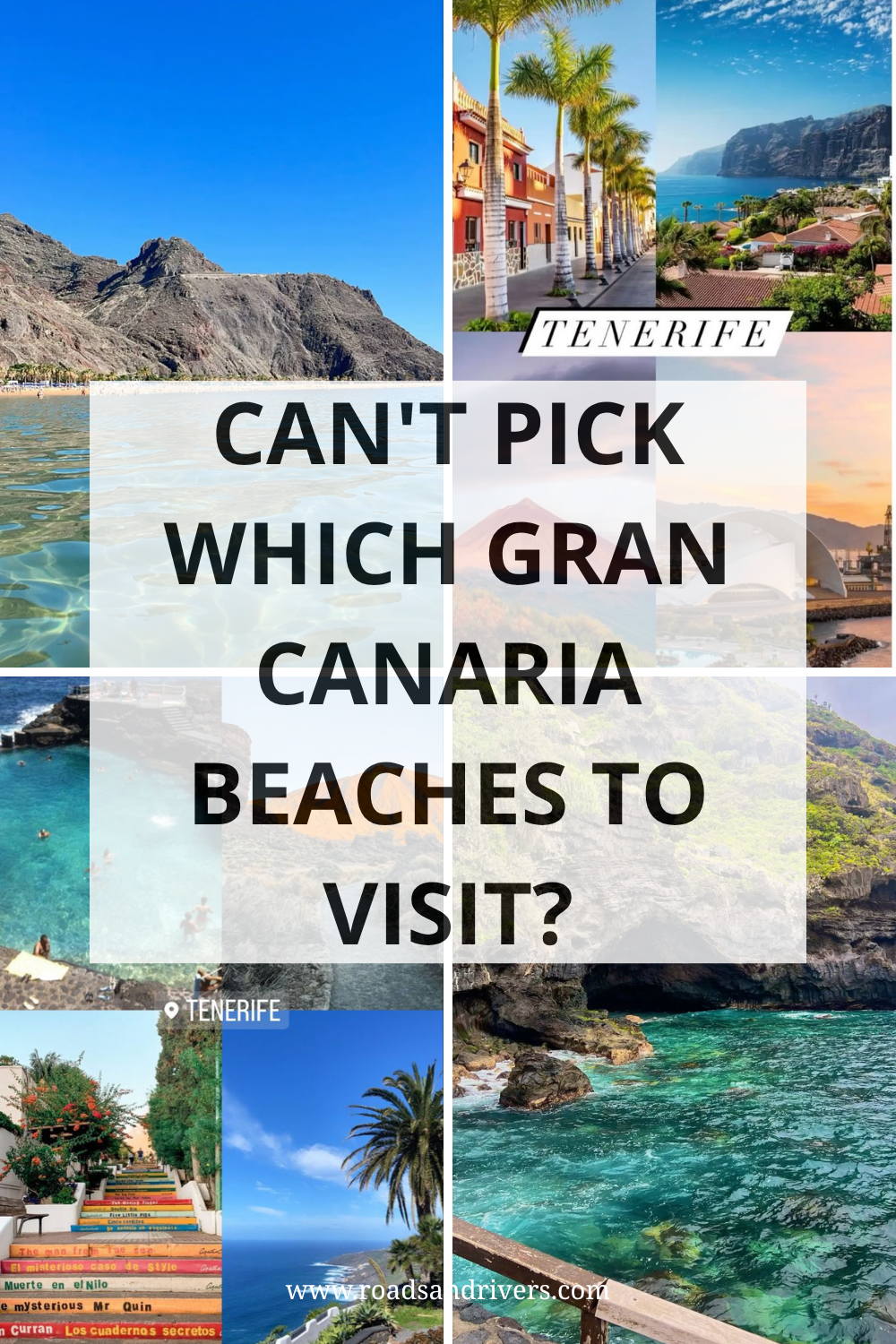
Can’t Pick Which Gran Canaria Beach to Visit?
Use this decision framework:
You want calm water, perfect for families and non-swimmers: Amadores or Anfi del Mar — both have sheltered artificial bays with excellent facilities.
You want something photogenic for photos: Puerto de Mogán (town + beach combination), Anfi del Mar (white sand + turquoise water), or Güi Güi if you’re willing to hike for the shot.
You want to snorkel or dive: Playa del Cabrón or Playa de Sardina del Norte — both have excellent visibility and marine life year-round.
You want a beach with nightlife and energy: Puerto Rico or Playa del Inglés.
You want to get away from tourists: Güi Güi (west coast), Veneguera (southwest, natural reserve), or Sardina del Norte (northwest).
You want the full iconic Gran Canaria experience: Maspalomas dunes at dusk, then dinner in Puerto de Mogán.
One underappreciated fact about Gran Canaria: the island is compact enough to visit two or three beaches in a day. Maspalomas in the morning, Mogán for lunch, Amadores in the afternoon — all of these are within 30 minutes of each other on the south coast. Renting a car opens the entire island, including the north and west coasts that most package-holiday visitors never reach.
Read more: The Survival Guide: Must-Have Beach Day Essentials for 2026
Is Gran Canaria’s Best Beach a Hidden Cove?
Gran Canaria has earned its reputation as a year-round beach destination for a reason that goes beyond the resort strip. The island sits off the northwest coast of Africa, receives consistent Atlantic sunshine across all four seasons, and packs geological diversity into 1,560 square kilometers that produces landscapes genuinely unlike anywhere else in Europe.
The north is green, misty in winter mornings, with clifftop villages and fishing ports that feel entirely separate from the tourist south. The Roque Nublo volcanic plug rises from the center of the island, surrounded by hiking trails and pine forests. The Maspalomas dunes roll toward the sea with no development behind them. And on the west coast, beaches like Güi Güi sit below cliffs that drop hundreds of meters to the water, accessible only by foot or boat.
The question “is Gran Canaria’s best beach a hidden cove?” has a clear answer: it depends on what you’re looking for. The hidden coves of the west coast and north are spectacular and reward real effort. The resort beaches of the south are polished and genuinely excellent at what they do. Both are real Gran Canaria.
The island’s nickname is “the miniature continent” — and the beaches reflect that diversity. One island, over 100 beaches, completely different experiences depending on which direction you drive from the airport.
Read more: Barcelona Travel Guide: Best Things To Do, Eat, and See
Key Takeaways
- Gran Canaria has over 100 beaches across a wildly diverse coastline — south for golden resort beaches, west for remote adventure, north for local authenticity
- Top 10: Maspalomas, Amadores, Puerto de Mogán, Las Canteras, Playa del Inglés, Anfi del Mar, Sardina del Norte, Playa del Cabrón, Veneguera, Puerto Rico
- Güi Güi is the island’s most spectacular beach — accessible only by 2.5-hour hike or boat, no facilities, black sand, total silence
- A rental car is essential for reaching the best non-resort beaches
- The south coast’s top beaches (Amadores, Mogán, Anfi del Mar, Maspalomas) can all be visited in a single well-planned day
FAQ
What is the most beautiful beach in Gran Canaria?
It depends on your priority. Playa de Amadores is arguably the most perfectly presented beach — crescent-shaped, turquoise, calm, well-maintained. Güi Güi on the remote west coast is the most dramatic and wild. Anfi del Mar has the most Caribbean-looking water. Puerto de Mogán has the best combination of beach and surrounding town. Most Gran Canaria visitors would put Amadores or Puerto de Mogán at the top for accessible beauty; those willing to hike tend to name Güi Güi.
Which Gran Canaria beach is best for families?
Playa de Amadores is the top choice for families — calm, sheltered, shallow water, excellent facilities, and a rule against ball games and loud music that keeps the atmosphere peaceful. Anfi del Mar and Puerto de Mogán are close alternatives, both offering similarly calm swimming conditions in protected bays.
Is Gran Canaria better than Tenerife for beaches?
Gran Canaria is often overshadowed by its neighbor — Tenerife receives about 7.5 million visitors annually compared to Gran Canaria’s 4.7 million. But many beach experts consider Gran Canaria’s beach variety superior. The combination of Maspalomas dunes, golden artificial bays like Amadores, the urban Las Canteras, and remote west-coast beaches like Güi Güi gives Gran Canaria a diversity that Tenerife doesn’t match in a similar geographic area.
What time of year is best for Gran Canaria beaches?
Gran Canaria earns its nickname of “island of eternal spring.” Average temperatures range from 20–27°C year-round, with virtually no rain on the south coast. June through September is peak season — warmest, busiest, most expensive. November through February is quieter and cheaper, with temperatures still warm enough for comfortable beach days. April and October are the sweet spots: warm, fewer crowds, reasonable prices.
Do you need a car to visit Gran Canaria’s best beaches?
For the resort beaches of the south coast (Maspalomas, Amadores, Mogán, Playa del Inglés, Puerto Rico), no — bus connections are good and taxis are affordable. For beaches on the north coast, east coast, and especially the west coast (Güi Güi requires hiking or boat), a rental car is effectively essential. Most car rental companies at Las Palmas airport offer competitive rates, and the driving on Gran Canaria is straightforward outside the capital.
Found a Gran Canaria beach that surprised you? Drop it in the comments — especially if it’s one that doesn’t appear on standard lists. The best tips always come from people who’ve just been there.