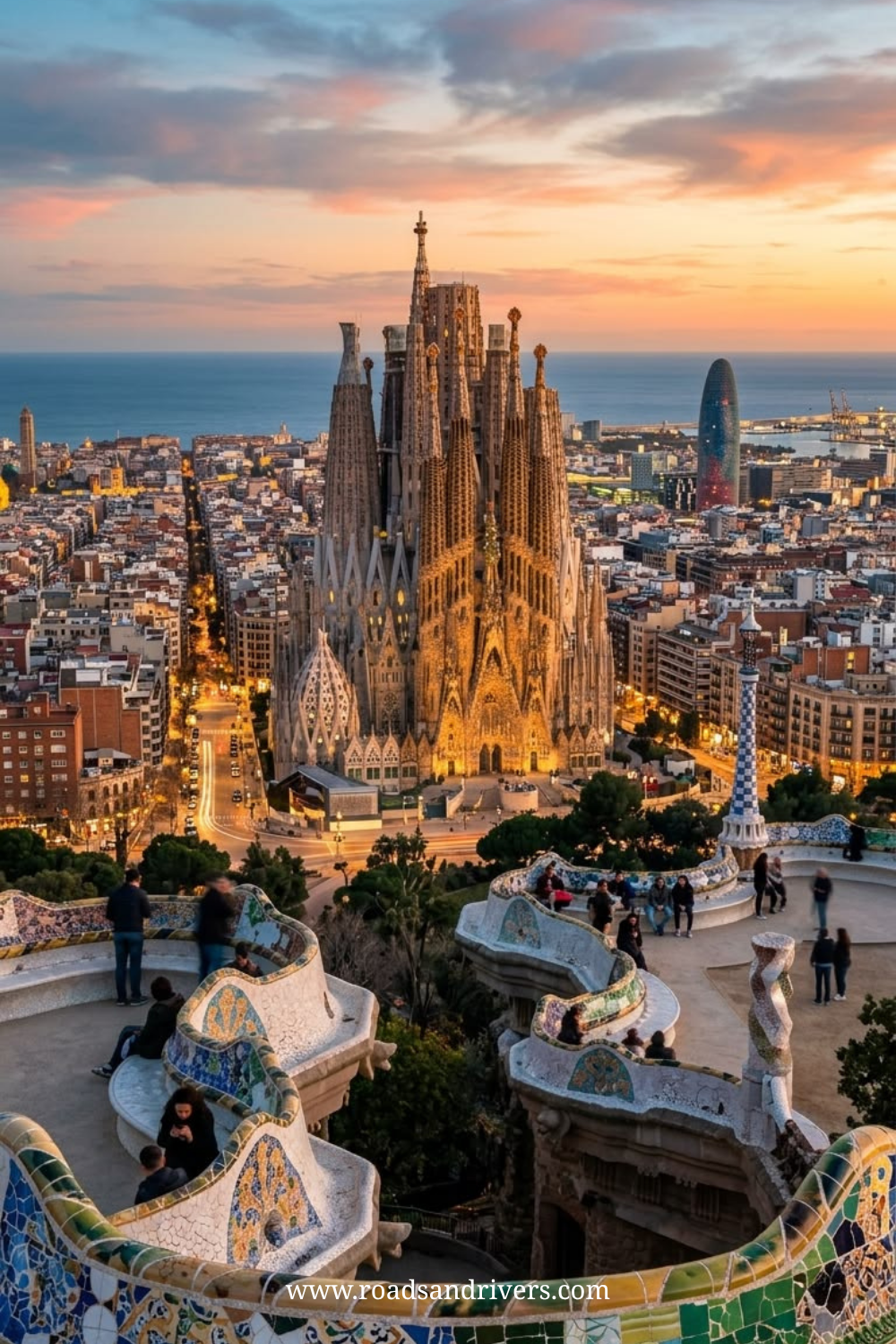
Barcelona grabbed me from the first hour. I walked out of Passeig de Gracia metro station, looked up, and there was Casa Batllo: a building that looks like it’s made of dragon scales and ocean waves, shimmering in the late afternoon sun. Two blocks later, the smell of fresh bread and tomatoes pulled me into a tiny bakery I never would have found on Google Maps. By sunset, I was sitting on a rooftop terrace in El Born with a glass of cava, watching the spires of the Sagrada Familia glow orange against the Mediterranean sky.
That’s the thing about Barcelona. It doesn’t wait for you to find it. It comes to you. But it also has a well-documented tourist trap problem. The wrong restaurant on La Rambla, the wrong paella on the waterfront, the wrong approach to Gaudi’s masterpieces, and you’ll leave thinking the city is overrated. It’s not. You just need to know where to look.
This guide covers the best things to do, eat, and see in Barcelona, from the sights worth every euro to the neighborhoods most visitors walk right past. No fluff. Just the honest, practical advice you need to do this city right.
Table of Contents
- 5 Barcelona Tourist Traps That Waste Your Time
- What Barcelona Experience Do Most Tourists Miss?
- Is Sagrada Familia Really Barcelona’s Best Sight?
- Barcelona: Eat, See, Do in 3 Perfect Days
- How Much Does a Barcelona Trip Actually Cost?
- Key Takeaways
- FAQ
Quick-Reference Info Box
Best time to visit: May to June or September to October (warm but not blazing, fewer crowds than peak summer)
Average daily budget: €70-100/day budget, €130-200/day mid-range, €250+/day comfort
Getting there: Fly into Barcelona El Prat Airport (BCN). Aerobus to city center takes 35 minutes (€7.75). Also well connected by train from Madrid (2.5 hours AVE high-speed) and other European cities.
Days needed: 3 days minimum for the highlights. 4-5 days to really slow down and enjoy it.
5 Barcelona Tourist Traps That Waste Your Time
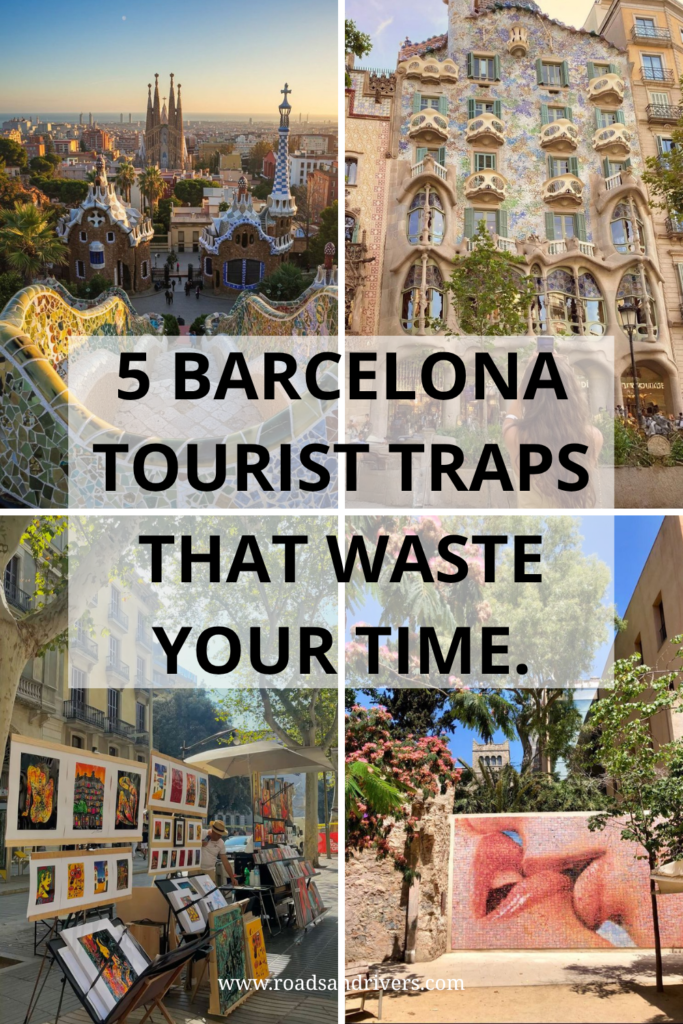
Every great city has its tourist traps, and Barcelona has more than most. Here are the five that waste the most time and money.
1. Eating on La Rambla
La Rambla is worth a walk. It’s a beautiful, tree-lined boulevard with incredible architecture on both sides. But the restaurants that line it are designed to catch tourists who don’t know any better. You’ll pay €18-25 for a paella that a local would never touch, served by waiters who are already calculating your tip before you sit down.
Walk two blocks in either direction (into El Raval on one side or the Gothic Quarter on the other) and the food gets dramatically better while prices drop by 30-40%.
2. Waterfront Paella in Barceloneta
This is related to point one but deserves its own mention. The beachfront restaurants in Barceloneta are some of the most overpriced in the city. A seafood paella here costs €20-30 per person, and most of them use pre-made rice and frozen seafood.
Pro tip: If you want real paella, go to a local spot in Poble Sec or Gracia. Or better yet, accept that Barcelona’s food strength is tapas, not paella. Paella is actually a Valencian dish, and locals here will tell you that with a straight face.
3. La Boqueria at Peak Hours
La Boqueria market on La Rambla is a real working market, and it’s worth visiting. But between 11 AM and 3 PM, it’s so packed with tourists that you can barely move, and the front stalls near the entrance sell overpriced fruit cups and smoothies aimed at visitors.
Go before 10 AM or after 4 PM, skip the stalls at the entrance, and walk to the back where the real vendors sell incredible jamón, cheese, olives, and fresh seafood at proper prices.
4. Paying Full Price at Park Guell Without Booking
Park Guell charges €10 for the monumental zone (the famous mosaic terrace and dragon staircase) and requires timed entry tickets. Showing up without a booking means either waiting in a long line or missing it entirely during peak season.
Book online at least a few days ahead. Even better: the first entry slot of the morning has the smallest crowds and the best light for photos.
5. Spending All Your Time in the Gothic Quarter
The Gothic Quarter (Barri Gotic) is beautiful and worth exploring. But many first-timers never leave it. They do the Gothic Quarter, La Rambla, and Barceloneta beach, and think they’ve seen Barcelona. They’ve seen about 10% of it.
The real character of this city lives in neighborhoods like El Born, Gracia, Poble Sec, and Sant Antoni. More on those below.
If you’re planning other European cities around your Barcelona trip, we put together a similar list of tourist mistakes to avoid in Rome that follows the same logic.
What Barcelona Experience Do Most Tourists Miss?
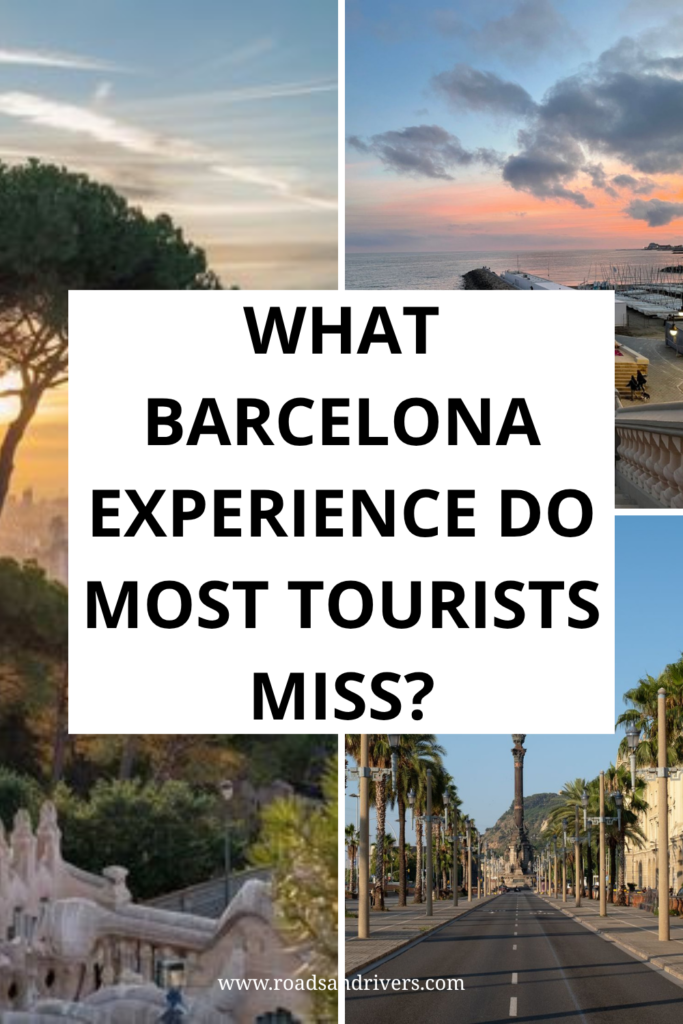
I spent my first trip to Barcelona doing the standard checklist: Sagrada Familia, Park Guell, La Rambla, beach. It was fine. My second trip, I threw out the checklist and explored neighborhoods. That’s when the city opened up.
The Neighborhoods Beyond the Gothic Quarter
El Born: This is where Barcelona’s creative scene lives. Narrow medieval streets, independent boutiques, natural wine bars, and the incredible Palau de la Musica Catalana (a concert hall covered in mosaics and stained glass that rivals anything Gaudi built). The Picasso Museum is here too, and it’s far less crowded than the Gaudi sites.
Gracia: A former independent village that still feels like its own town. The streets are lined with small plazas where locals sit and drink vermouth on Sunday mornings. The restaurants are affordable and authentic. Gracia is where Barcelona eats when it’s not performing for tourists.
Poble Sec: Tucked between Montjuic hill and the Parallel avenue, this neighborhood has some of the best tapas bars in the city. Carrer de Blai is an entire street of pintxos (small bites on bread) bars where each piece costs €1-2. You can eat an incredible dinner here for under €15.
Sant Antoni: The recently renovated Mercat de Sant Antoni is worth a visit (much less touristy than La Boqueria), and the surrounding streets are packed with brunch spots, coffee roasters, and wine bars.
Pro tip: Spend at least one full day doing nothing but wandering a single neighborhood. No map, no checklist. Just follow the interesting streets, stop when something looks good, and eat when you’re hungry. That’s how Barcelona is meant to be experienced.
Tibidabo and the Views Locals Love
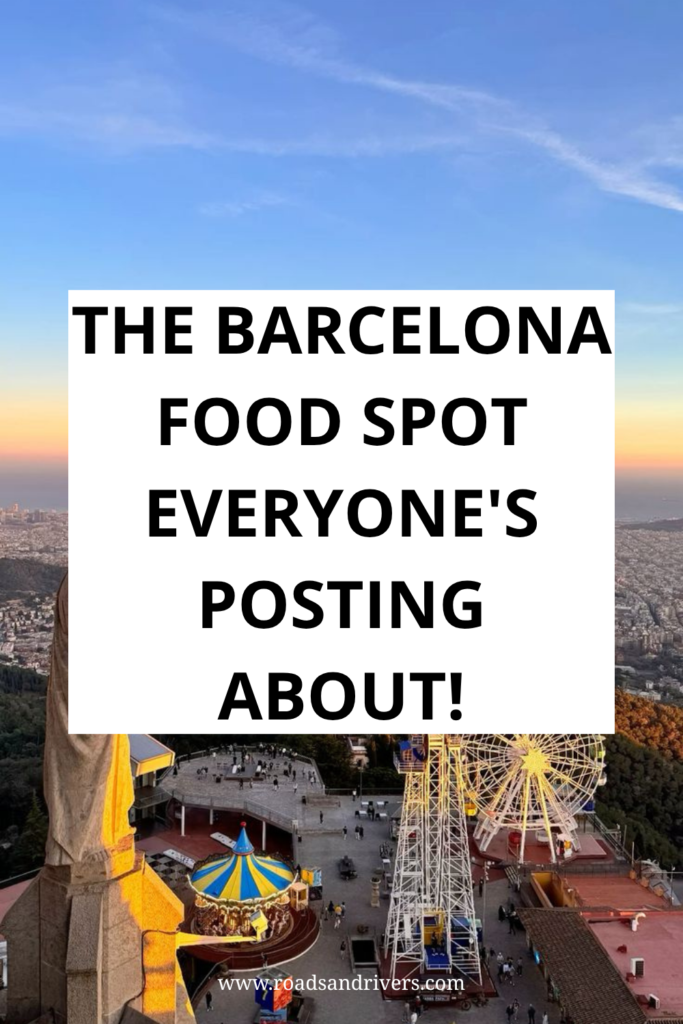
Most tourists see Barcelona from the Sagrada Familia towers or the Bunkers del Carmel viewpoint. Both are great. But the best panoramic view of the city is from Tibidabo, the mountain on the northwestern edge of Barcelona.
At the top sits an old amusement park (Parc d’Atraccions Tibidabo) and the Temple del Sagrat Cor, a neo-Gothic church that looks like it belongs in a fairy tale. The view from up here stretches from the Pyrenees to the sea. On a clear day, you can see Montserrat and Mallorca.
Getting there is part of the fun: take the old Tramvia Blau (blue tram) followed by a funicular railway. The whole experience feels like stepping back in time.
The Real Catalan Food Scene
Barcelona’s food identity is Catalan, not generically Spanish. That means specific dishes you won’t find anywhere else: pa amb tomàquet (bread rubbed with tomato, olive oil, and salt), escalivada (roasted vegetables), botifarra (Catalan sausage), crema catalana (like crème brûlée but better), and fideuà (a noodle-based dish similar to paella but made with short pasta instead of rice).
Skip the restaurants advertising “Spanish food for tourists” and look for places with Catalan menus. The food is more interesting, more local, and almost always cheaper.
Read more: If you’re combining Barcelona with a broader Spain trip, check out our guide to 10 underrated towns in Spain that most tourists never visit for hidden gems beyond the big cities.
Is Sagrada Familia Really Barcelona’s Best Sight?
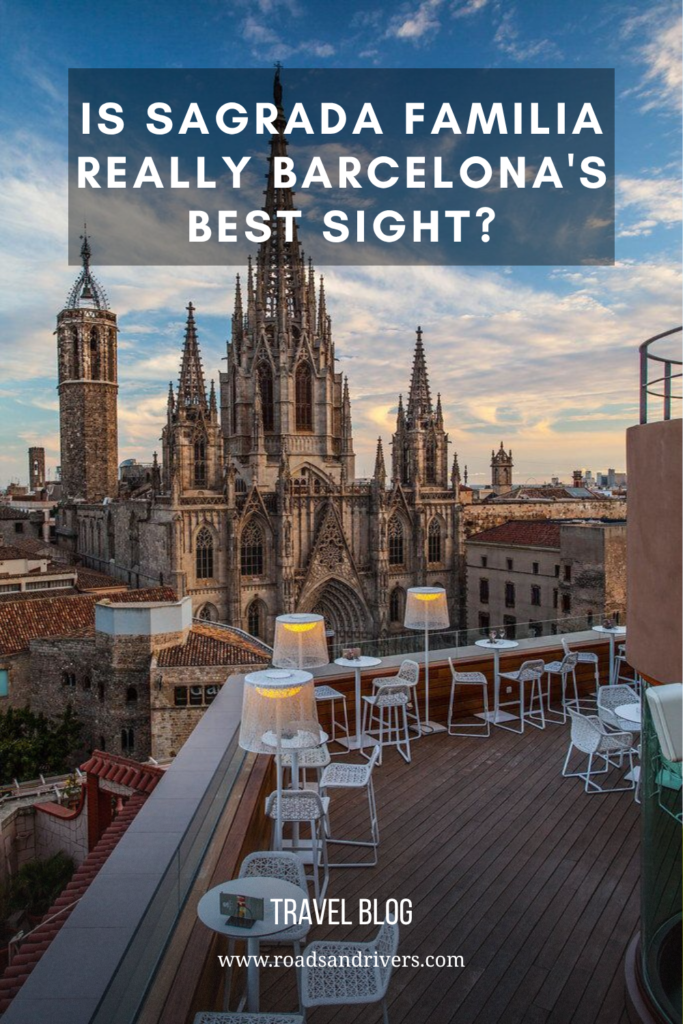
Short answer: yes, it probably is. But not for the reasons you think.
Sagrada Familia: Yes, It’s Worth It
Most people expect Sagrada Familia to be impressive from the outside. It is. But the real experience happens when you step inside. The interior is unlike any church you’ve ever seen: columns shaped like trees, light pouring through stained glass in every color, and a sense of space that feels more like a forest than a building.
Gaudi started the project in 1882, and it’s still under construction (expected completion around 2026-2030). Visiting a masterpiece that’s been in progress for over 140 years is something you won’t get anywhere else.
Tickets are €26 for basic entry or €36 with tower access. Book online at least 2 weeks ahead during summer. The first morning slot (9 AM) has the fewest crowds, and the afternoon light (3-5 PM) through the stained glass is the most dramatic.
Pro tip: The Nativity Facade tower has the better views and more interesting details than the Passion Facade tower. Pick that one if you’re adding tower access.
Gaudi’s Other Masterpieces
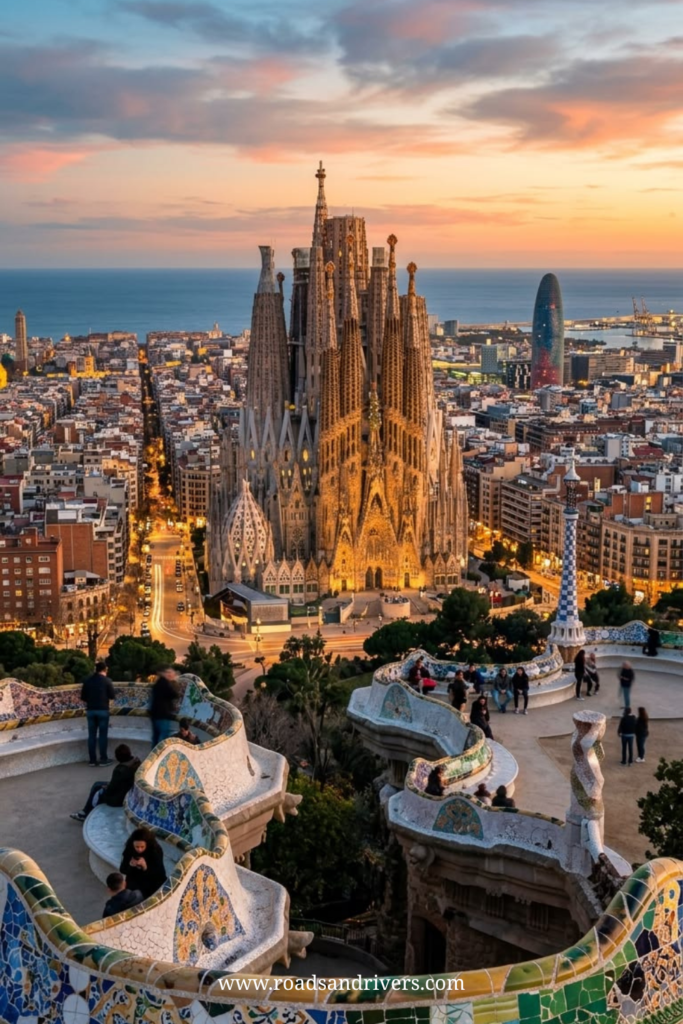
Sagrada Familia gets the headlines, but Gaudi’s residential buildings are almost as impressive and far less crowded.
Casa Batllo (Passeig de Gracia): The dragon-scale facade is jaw-dropping from the street, and the interior is just as wild. The rooftop alone is worth the €35 ticket. Go for the last entry slot to see it at sunset.
Park Guell: The mosaic terrace and the views over the city are iconic for a reason. The free zone of the park (outside the monumental area) is actually larger and has great walking paths through the gardens. Arrive at opening time for the best experience.
Casa Mila (La Pedrera): The rooftop with its surrealist chimneys is one of the most photographed spots in the city. The night experience (La Pedrera by Night) includes rooftop access with a light show and a glass of cava.
Beyond Gaudi: What Else to See in Barcelona
Palau de la Musica Catalana: A UNESCO World Heritage concert hall in El Born that is (in my opinion) the most beautiful building in Barcelona. Book a guided tour or, better yet, see a concert here. Tickets for performances start around €15-20.
Gothic Quarter: The Barcelona Cathedral (not to be confused with Sagrada Familia) is free to visit during morning hours and has a peaceful cloister with live geese. The surrounding medieval streets are atmospheric any time of day.
Montjuic: This hill overlooking the harbor has the Fundacio Joan Miro (one of the best modern art museums in Spain), the National Art Museum of Catalonia (MNAC) with its incredible Romanesque art collection, and the Montjuic Castle with panoramic views.
Barcelona: Eat, See, Do in 3 Perfect Days
This itinerary flows geographically so you’re never backtracking across the city. Adjust based on your interests, but this structure covers the best of Barcelona without rushing.
Day 1: Gothic Quarter, El Born, and Barceloneta
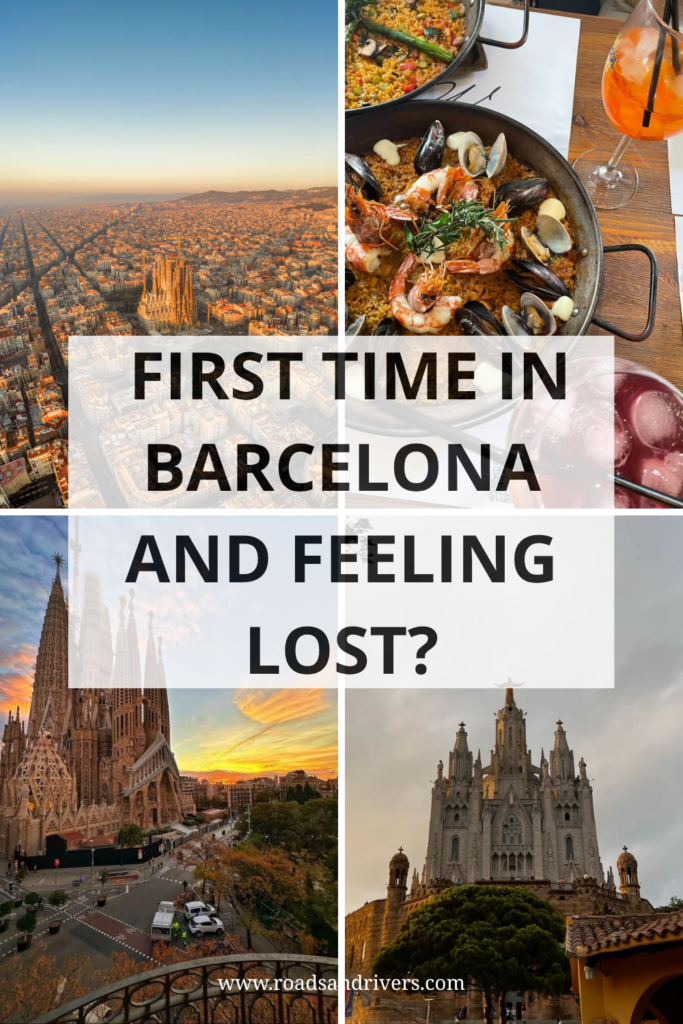
Start in the Gothic Quarter in the morning. Walk through Placa Reial (one of the most beautiful squares in the city), see the Barcelona Cathedral and its cloister, and get lost in the medieval streets. Stop at a cafe for your first pa amb tomàquet of the trip.
Walk east into El Born for lunch. Grab tapas at one of the small bars on Carrer de Montcada or visit the Mercat de Santa Caterina (a beautiful market with a colorful wavy roof, far less touristy than La Boqueria).
Spend the afternoon walking through Parc de la Ciutadella (the city’s main park, great for a lazy hour), then continue to Barceloneta beach. The beach itself is fine for a swim, but the real draw is the late-afternoon light on the waterfront promenade. End the day with sunset drinks at one of the rooftop bars along the port.
Day 2: Eixample, Sagrada Familia, and Gracia
Morning: Sagrada Familia (first entry slot). Spend 1.5-2 hours inside. Then walk along the Eixample neighborhood (the grid-patterned blocks with Gaudi’s buildings) to Casa Batllo and Casa Mila on Passeig de Gracia.
Afternoon: Walk north into Gracia for lunch. The plazas here (Placa del Sol, Placa de la Vila de Gracia) are full of local restaurants with €10-12 lunch menus that include a starter, main, dessert, and a drink. After lunch, head to Park Guell (book your timed ticket in advance).
Evening: Back in Gracia or Eixample for dinner. This is a great night for a tapas crawl: pick 2-3 small bars, order a few plates and a glass of wine at each, and move on.
Pro tip: The “menu del dia” (menu of the day) is a Spanish institution. Most restaurants offer a multi-course lunch for €10-15, and it’s by far the best value eating out in Barcelona. Available Monday to Friday, roughly 1-4 PM.
Day 3: Montjuic, El Raval, and Sunset Drinks
Morning: Take the cable car or walk up to Montjuic. Visit the Fundacio Joan Miro or MNAC (or both if you’re a museum person). The gardens on the hill are beautiful and free.
Afternoon: Head down into El Raval. This is Barcelona’s most diverse neighborhood, with the best Middle Eastern food, vintage shops, and street art. Walk through the MACBA plaza (the contemporary art museum), check out the Raval Cat sculpture, and browse the second-hand bookshops and record stores.
Evening: End your trip at a rooftop bar in the Gothic Quarter or El Born. The view of the cathedral lit up at night, with a glass of vermouth in hand, is the perfect way to say goodbye to Barcelona.
Read more: If you’re connecting Barcelona to a bigger European trip, our best Interrail routes across Europe guide includes Spain-France-Italy connections that work perfectly from Barcelona.
How Much Does a Barcelona Trip Actually Cost?
Barcelona is mid-range by European standards. Cheaper than Paris or London, roughly on par with Rome, and more expensive than Lisbon or Seville. Here’s a realistic daily breakdown for 2026:
Budget Traveler (€70-100/day)
Accommodation: Hostel dorm (€25-40/night). Food: Bakery breakfast (€3-5), menu del dia lunch (€10-13), pintxos dinner on Carrer de Blai (€10-15). Transport: T-Casual metro card, 10 rides for €11.35. Activities: Free walking tour, beaches, neighborhood wandering, free museum Sundays (first Sunday of the month, many museums are free).
Mid-Range Traveler (€130-200/day)
Accommodation: Boutique hotel or nice Airbnb in El Born or Eixample (€80-130/night). Food: Cafe breakfast (€6-10), sit-down tapas lunch (€15-20), restaurant dinner with wine (€25-40). Transport: Metro plus occasional taxi (€15-20/day). Activities: Sagrada Familia (€26-36), one other Gaudi site (€25-35), one museum (€12-15).
Comfort Traveler (€250+/day)
Accommodation: 4-star hotel in Eixample or Gothic Quarter (€150-250/night). Food: Brunch spot (€15-20), market lunch (€20-25), fine dining or tasting menu (€60-120). Transport: Mix of metro, taxi, and private transfers (€25-40/day). Activities: Premium Sagrada Familia + tower (€36), Casa Batllo night experience (€45), rooftop bars (€15-25 per round).
The biggest savings tip: lean hard into the menu del dia for lunch. For €10-13, you get a proper three-course meal with wine at restaurants that locals use every day. No other European city gives you this much food for this little money.
If you’re planning a broader budget trip, our backpacking Europe guide for beginners covers country-by-country cost comparisons.
Key Takeaways
- Skip La Rambla restaurants and eat in Poble Sec, El Born, Gracia, or Sant Antoni instead. The food is better and 30-40% cheaper.
- Book Sagrada Familia and Park Guell online at least 2 weeks ahead. Morning slots have the smallest crowds.
- Spend time in neighborhoods, not just landmarks. Gracia, El Born, and Poble Sec give you the real Barcelona.
- Use the menu del dia. A three-course lunch with wine for €10-13 is the best deal in European dining.
- Budget €130-200/day for a comfortable mid-range trip with good food, a nice hotel, and 2-3 attractions.
Barcelona is one of those cities that gets better the deeper you go. The famous sights are worth seeing (Sagrada Familia genuinely is that good), but the moments you’ll remember are the ones between the landmarks: the vermouth at a Gracia plaza, the pintxos crawl on Carrer de Blai, the view from Tibidabo at golden hour, the random street musician in the Gothic Quarter who stopped you in your tracks.
Don’t try to see everything. Pick a neighborhood, slow down, and let the city come to you. It will.
If you’re continuing through Southern Europe after Barcelona, we have a guide on planning the best Italian destinations for your trip and a list of underrated Spanish towns worth a detour. Share your favorite Barcelona spots in the comments, and save this post for your trip planning.
FAQ
How Many Days Do You Need in Barcelona?
Three days is the minimum to cover the major Gaudi sights, a few neighborhoods, and some solid meals. Four to five days lets you add day trips (Montserrat, the Costa Brava, or Figueres for the Dali Museum), explore more neighborhoods at a relaxed pace, and fit in a beach day without feeling rushed.
What Is the Best Month to Visit Barcelona?
Late May, June, and September are the sweet spot. Temperatures sit around 22-28°C, the beaches are swimmable, and the summer crowds haven’t peaked (or have already thinned). July and August bring extreme heat (35°C+) and maximum tourist density. October is also great for mild weather, though the sea starts cooling down.
Is Barcelona Safe for Tourists?
Barcelona is generally safe, but it has one of the highest rates of pickpocketing in Europe. La Rambla, the metro, and crowded tourist attractions are the main hotspots. Keep your phone and wallet in a front pocket or a crossbody bag, avoid putting bags on the back of chairs at restaurants, and be extra alert in crowded metro cars. Violent crime against tourists is very rare.
Is Barcelona Expensive Compared to the Rest of Spain?
Yes. Barcelona and Madrid are the most expensive cities in Spain. Accommodation in Barcelona costs 30-50% more than in cities like Seville, Valencia, or Malaga. Food prices are also higher, though the menu del dia tradition keeps lunch affordable everywhere. If you’re on a tight budget, consider spending fewer days in Barcelona and more time in southern or inland Spain, where your money stretches much further.
Do I Need to Speak Spanish in Barcelona?
No, but knowing a few words helps. Barcelona is bilingual: locals speak Catalan and Spanish, and most people in tourist-facing roles speak solid English. Learning “Gracies” (thank you in Catalan), “Bon dia” (good morning), and “Si us plau” (please) will earn you genuine smiles. Using Catalan instead of Spanish shows you’ve done your homework, and locals notice.