

Three days in Dubai sounds tight. The city has a way of looking endless on social media: mile-high skyscrapers, golden deserts, underwater aquariums, beaches that belong in a movie. You’d think you need a full week just to scratch the surface.
You don’t. Three days is the sweet spot for a first visit to Dubai. It’s enough to see the icons, feel the contrast between futuristic skylines and centuries-old souks, eat your way through a dozen cuisines, and still have time for a sunset in the desert. The trick is knowing what to do when, and in what order, so you’re not crisscrossing the city and wasting half your trip in traffic.
This itinerary is built for first-time visitors who want to see the best of Dubai without the stress. Each day is mapped out with a logical flow, honest timing, and the kind of tips you only learn after actually being there. Pack light clothes, sunscreen, and a good camera. You’re going to need all three.
Quick-Reference Info Box
- Best time to visit: November through March (cooler weather, outdoor attractions open)
- Average daily budget: $100-$150 (mid-range), $250+ (comfort/luxury)
- Getting around: Dubai Metro, taxis, and Careem (local Uber) cover everything
- Days needed: 3 days for highlights, 5-7 for deeper exploration
Table of Contents
- Day 1: Downtown Dubai and the City’s Modern Icons
- Day 2: Old Dubai, Cultural Gems, and a Desert Safari
- Day 3: Beaches, Marina, and the Side of Dubai Nobody Expects
- What’s the One Dubai Experience Worth Every Dirham?
- Can You See the Best of Dubai in Just 3 Days?
- FAQ
Day 1: Downtown Dubai and the City’s Modern Icons
Start where the skyline starts. Downtown Dubai is the beating heart of the city’s modern identity, and it’s where you’ll find most of the things that drew you here in the first place.
Morning: Burj Khalifa and Dubai Mall
Book your Burj Khalifa tickets online in advance. This is non-negotiable. Walk-up lines can stretch for over an hour, and pre-booked “At the Top” tickets for the 124th and 125th floors cost around 169 AED ($46). If you want the premium SKY experience on the 148th floor, that runs about 399 AED ($109), but the standard observation deck is more than enough for most visitors.
Go in the morning when the light is best for photos and the crowds are thinner. On a clear day, you can see all the way to the coastline on one side and the desert on the other. It’s one of those moments where Dubai clicks. The sheer scale of everything hits you.
After coming back down to earth, walk into the Dubai Mall. This isn’t a regular shopping mall. It’s a city within a city, with over 1,200 stores, an indoor aquarium with a 270-degree underwater tunnel, an ice rink, and more restaurants than you could try in a month. You don’t need to shop to enjoy it. Just walking through and watching the Dubai Aquarium sharks glide past the glass wall is worth the visit.
Pro tip: If you want to enter the aquarium tunnel, tickets are around 159 AED ($43). But you can see the massive tank for free just by walking through the mall. Save the paid experience for the end of the day if the crowds have thinned.

Afternoon: The Museum of the Future
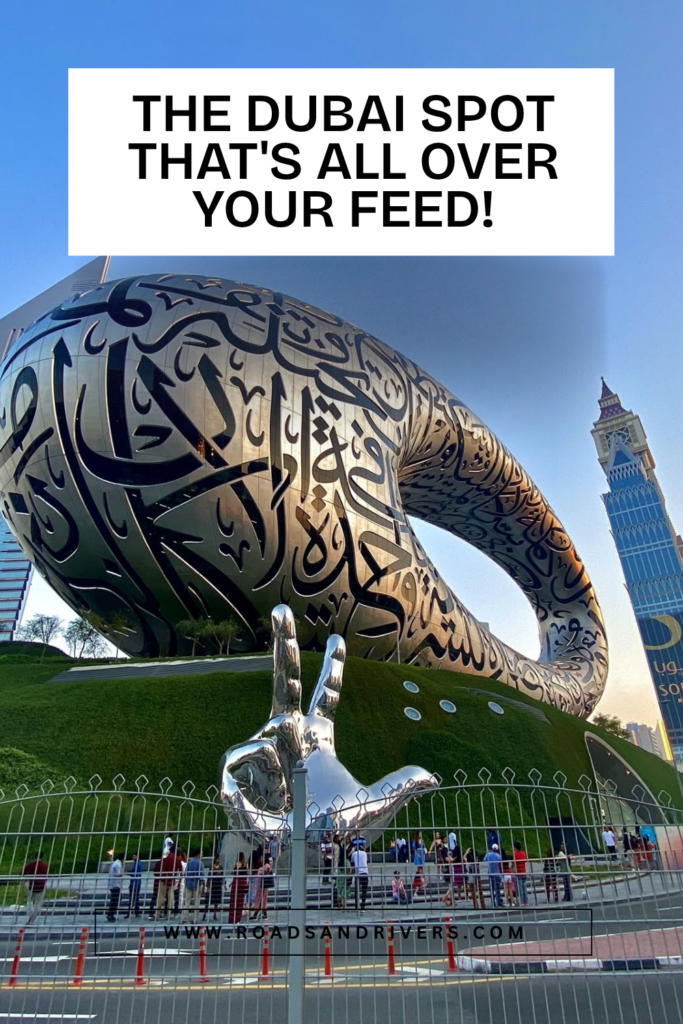
You’ve seen this building on every social media feed. The silver, torus-shaped structure covered in Arabic calligraphy sits on Sheikh Zayed Road, and it’s even more striking in person. The Museum of the Future is not a traditional museum. It’s an immersive experience that takes you on a simulated journey 50 years ahead, exploring themes like space colonization, climate solutions, and artificial intelligence.
Set aside 2-3 hours here. The exhibits are interactive and genuinely fascinating, not just pretty backdrops for photos (though the exterior alone is worth the stop). Tickets cost around 149 AED ($41) and should be booked online.
Evening: Dubai Fountain Show
Head back to Downtown for dinner near the Burj Khalifa. The Dubai Fountain puts on free shows every 30 minutes starting at 6 PM, with water, light, and music performances set against the glowing tower. It’s one of the most photographed spots in the entire UAE, and for good reason.
Grab a table at one of the outdoor restaurants at Souk Al Bahar for a front-row view while you eat. Book 2-3 weeks ahead if you want a fountain-facing table during peak season. If you don’t score a reservation, the promenade offers free viewing with equally good sightlines.
Pro tip: Stay for at least two shows. Each performance uses different music and choreography, and the later shows (9 PM, 9:30 PM, 10 PM) hit differently once Burj Khalifa is fully illuminated against the night sky.
Day 2: Old Dubai, Cultural Gems, and a Desert Safari
I expected Dubai to be all glass and chrome. I didn’t expect to spend my favorite morning of the trip wandering narrow alleyways that smelled like cardamom and saffron, haggling for spices in a market that’s been running for over a century. Old Dubai is the part of the city most first-timers skip. Don’t make that mistake.
Morning: Al Fahidi Historical District and the Creek
Start your morning in the Al Fahidi Historical District, one of the oldest neighborhoods in Dubai. The wind-tower houses here date back to the late 1800s, and the area is now filled with small art galleries, cafes, and cultural spaces. It’s quiet, photogenic, and a world away from the Downtown skyscrapers you saw yesterday.
From Al Fahidi, walk to the Dubai Creek and hop on an abra. These traditional wooden boats cross the creek for just 1 AED ($0.27). Yes, twenty-seven cents for one of the best views in the city. The ride takes about five minutes and drops you off right at the entrance to the souks.
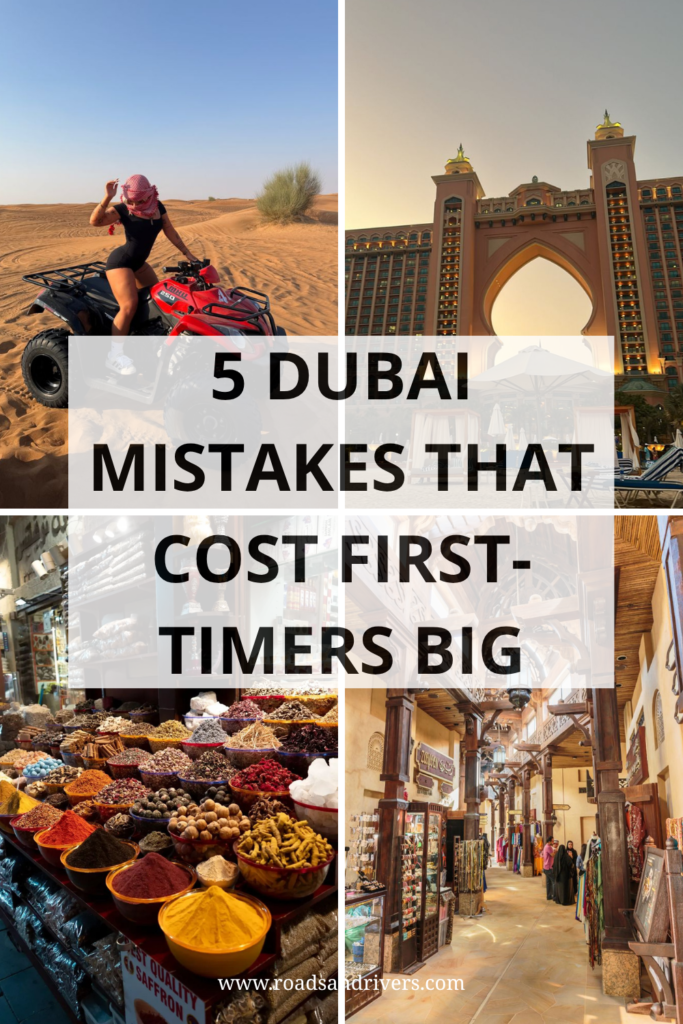
The Gold Souk and Spice Souk are within walking distance of each other in Deira. The Gold Souk has hundreds of shops glittering with jewelry at prices that are often lower than what you’d pay back home. The Spice Souk is smaller but more atmospheric, with mountains of saffron, cardamom, dried flowers, and frankincense stacked in open bins.
Pro tip: If you’re buying gold, check the daily gold rate (posted in the souk) before negotiating. The gold itself is priced by weight at market rate, but the “making charge” (craftsmanship fee) is where you negotiate. Start at about 50% of what they ask.
Read more: If the Middle East is calling you, check out our Saudi Arabia travel guide for what to expect as a first-time visitor to the region.
Afternoon/Evening: Desert Safari
This is the highlight most visitors talk about for years. A desert safari picks you up from your hotel around 3-4 PM and drives you into the Arabian desert for an afternoon and evening of dune bashing, camel rides, sandboarding, and a traditional BBQ dinner under the stars.
The dune bashing portion is a 30-45 minute ride in a 4×4 SUV across the sand dunes. It’s thrilling, slightly terrifying, and genuinely fun. After that, you’ll arrive at a Bedouin-style camp for henna painting, a sunset photo session, and a multi-course dinner with live entertainment including belly dancing and Tanoura shows.
Standard desert safari packages run 150-250 AED ($40-$70) per person and include hotel pickup and drop-off, activities, and dinner. Premium experiences with vintage Land Rovers, private camps, or hot air balloon additions cost more but deliver a completely different level of experience.
Day 3: Beaches, Marina, and the Side of Dubai Nobody Expects
Everybody pictures skyscrapers and shopping malls when they think of Dubai. Almost nobody pictures palm-lined beach promenades, a 3.5-kilometer marina walk with yachts bobbing in the water, or a 72,000-square-meter garden made entirely of flowers blooming in the middle of the desert.
Day 3 is about the side of Dubai that doesn’t make the top of most Instagram feeds but probably should.
Morning: JBR Beach and Dubai Marina
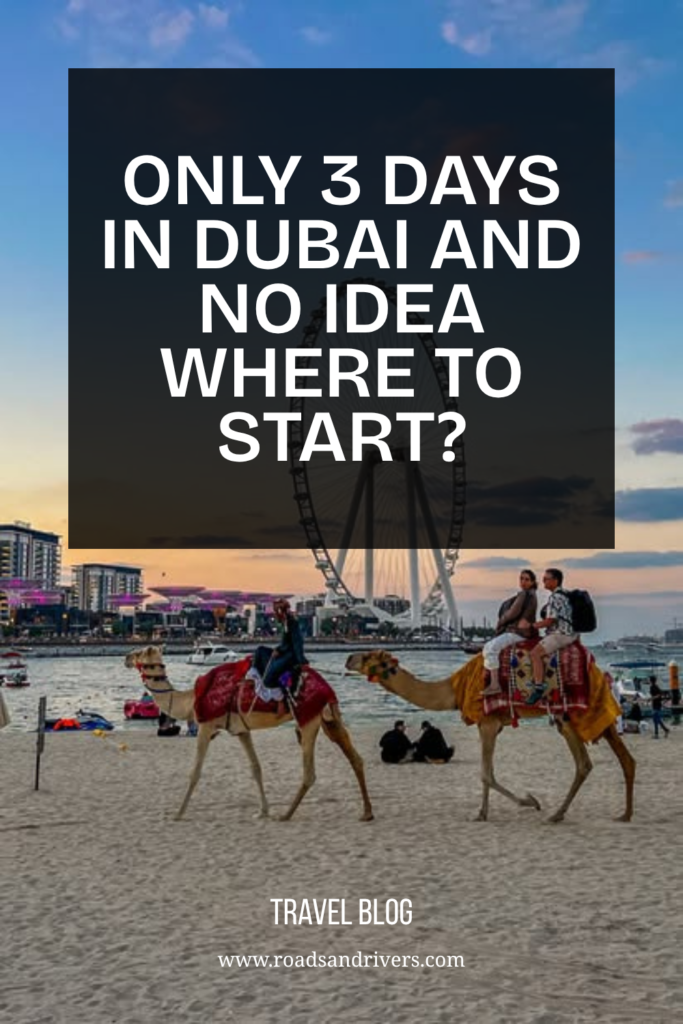
Start with breakfast near Jumeirah Beach Residence (JBR), then hit the beach. JBR Beach is a 1.7-kilometer stretch of public beach with white sand, clear water, and views of the Ain Dubai observation wheel. It gets crowded after 11 AM on weekends, so aim for an early start.
After the beach, walk along the Dubai Marina Walk. The 3.5-kilometer promenade loops around an artificial canal lined with yachts, restaurants, and some of the city’s most impressive high-rises. It’s a beautiful walk in the morning before the afternoon heat sets in.
Afternoon: Dubai Miracle Garden or Palm Jumeirah
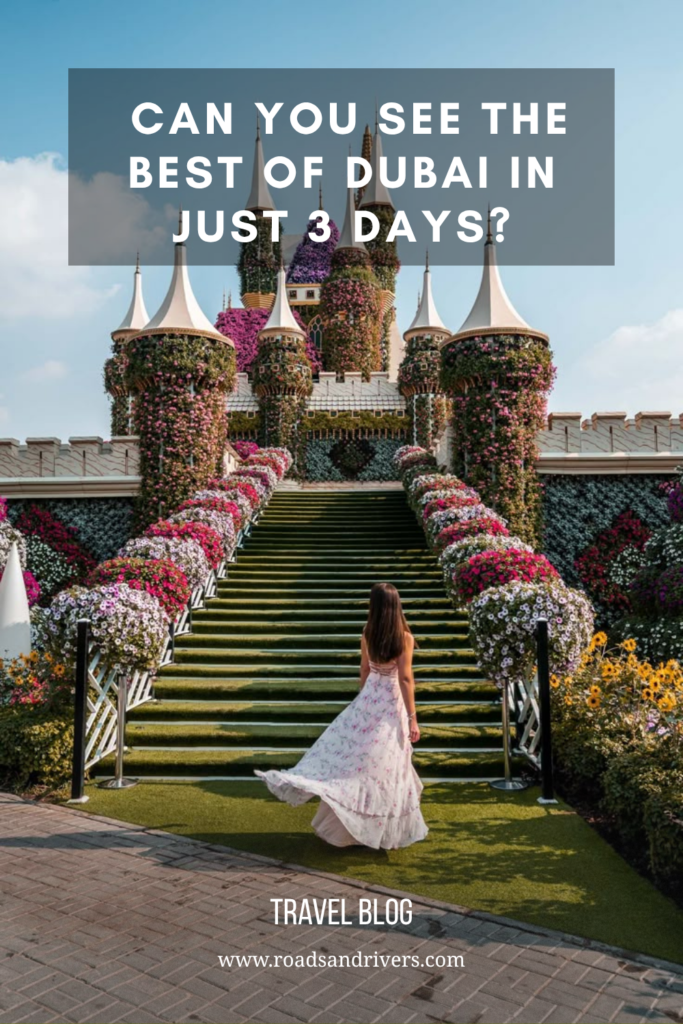
If you’re visiting between November and May, the Dubai Miracle Garden is open and absolutely worth the trip. This seasonal attraction holds over 150 million blooming flowers arranged into massive sculptures, including a full-size Emirates A380 aircraft made entirely of flowers. Tickets are about 105 AED ($29), and you should plan 1.5-2 hours for the visit.
If you’re visiting during summer (June through September), the garden is closed for maintenance. Head to Palm Jumeirah instead. Walk along the Boardwalk for skyline views, check out Atlantis The Royal, or spend the afternoon at a beach club. The Atlantis Aquaventure waterpark is a full-day experience on its own, but a few hours in the afternoon works well too.
Pro tip: The Miracle Garden and Global Village are close to each other. The garden opens at 9 AM and Global Village opens at 4 PM, so you can do both on the same day. Global Village is a massive multicultural park with 30+ pavilions representing over 75 countries, street food from around the world, and live performances.
Optional: Abu Dhabi Day Trip (Sheikh Zayed Grand Mosque)
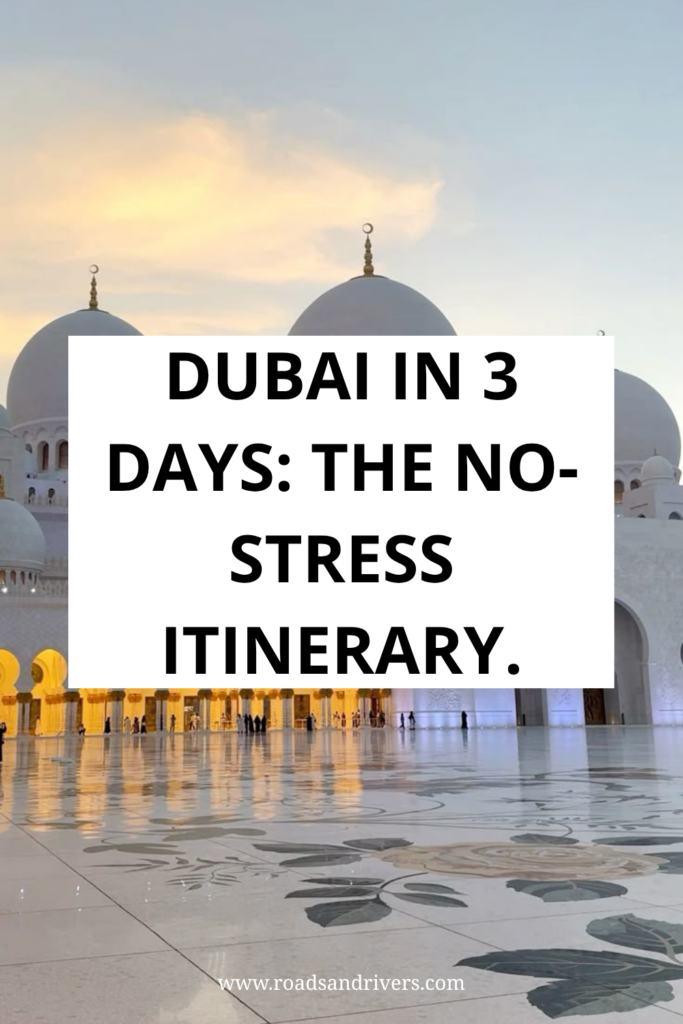
If you have the energy on Day 3 (or want to swap it for the beach morning), a half-day trip to Abu Dhabi is one of the most rewarding additions to any Dubai itinerary. The Sheikh Zayed Grand Mosque is about 90 minutes from Dubai by car and is one of the most beautiful buildings you’ll see anywhere in the world.
Entry is free. The mosque and its surrounding gardens span over 30 acres, with 82 domes, 1,000+ columns, and the world’s largest hand-knotted carpet inside the main prayer hall. Dress modestly (arms and legs covered), or borrow an abaya at the entrance. Go in the late afternoon to catch both daylight and sunset views.
If you’re combining Dubai with a bigger trip through the region, 3 days in Singapore on a budget pairs well as a next stop.
What’s the One Dubai Experience Worth Every Dirham?
I’ve been asked this question more than any other, and my answer surprises people. It’s not the Burj Khalifa (incredible, but expected). It’s not the desert safari (wonderful, but available in other countries).
It’s a dinner on a rooftop terrace overlooking the city at night. Pick almost any rooftop restaurant in Downtown or the Marina area, order something you wouldn’t normally try, and just sit there. Watch the Burj Khalifa light up. Watch the Dubai Fountain perform while tiny figures gather on the promenade below. Listen to the call to prayer mixing with the hum of the city.
Dubai is a place that photographs well. But the thing that sticks with you isn’t a photo. It’s the feeling of sitting above a city that didn’t exist 50 years ago, eating food from six different countries in one meal, surrounded by people from everywhere on earth. That’s the Dubai experience nobody puts on a pin. And it costs less than you’d think.
A solid rooftop dinner with drinks runs about 250-400 AED ($70-$110) per person at mid-range spots. Not cheap, but for a once-in-a-trip experience, it’s money well spent.

Read more: Thinking about combining your Dubai trip with an Asia leg? See what a trip to Japan really costs in 2026 for a full budget breakdown.
Can You See the Best of Dubai in Just 3 Days?
Yes, with some planning. Here’s what you need to know to make it work.
Where to Stay
For first-time visitors, Downtown Dubai is the best base. You’re walking distance from Burj Khalifa, Dubai Mall, and the Dubai Fountain, and well-connected to everywhere else by Metro and taxi. Mid-range hotels in Downtown run 400-800 AED ($110-$220) per night. For tighter budgets, Bur Dubai and Deira offer clean, well-connected hotels for 150-300 AED ($40-$80) per night.
Dubai Marina is a strong alternative, especially if beach access matters to you. It’s connected to Downtown by Metro (about 30 minutes).
Getting Around
The Dubai Metro is cheap, clean, air-conditioned, and covers most tourist areas. A single ride costs 3-7.50 AED ($0.80-$2) depending on distance. Buy a red Nol card at any station for 25 AED (includes 19 AED of credit).
Taxis are metered, affordable by Western standards, and widely available. A trip from Downtown to Dubai Marina costs about 40-60 AED ($11-$16). Careem (the regional Uber) works everywhere and often offers promo codes for first-time users.
What to Wear
Dubai is more relaxed than many visitors expect, but respect local customs. In malls, restaurants, beaches, and tourist areas, casual Western clothing is fine. At mosques and government buildings, cover your shoulders and knees. Swimwear is only appropriate at the beach or pool.
Budget Breakdown (3 Days, Per Person)
Budget travelers can manage on about 350-500 AED ($95-$140) per day with affordable hotels, Metro rides, street food, and free attractions like beaches and souks. Mid-range travelers should plan for 600-1,000 AED ($165-$275) per day, including decent hotels, paid attractions, restaurant meals, and a desert safari. Those wanting luxury will spend 1,500+ AED ($410+) per day for premium hotels, fine dining, and VIP experiences.
Pro tip: Many of Dubai’s best experiences are free. The Dubai Fountain shows, JBR Beach, the Marina Walk, the Gold and Spice Souks, and walking through the Al Fahidi District all cost nothing. Load up on free experiences and save your budget for the one or two paid activities that matter most to you.
If you’re building a longer trip and thinking about Europe next, our backpacking Europe guide covers everything beginners need to know.
Key Takeaways
- 3 days is the perfect amount of time to see Dubai’s highlights as a first-time visitor without feeling rushed.
- Day 1 is modern Dubai (Burj Khalifa, Dubai Mall, Museum of the Future, Fountain show), Day 2 is culture and desert (Old Dubai, souks, desert safari), and Day 3 is beach and surprises (JBR, Marina, Miracle Garden, optional Abu Dhabi trip).
- Many of the best experiences are free: beaches, fountain shows, souk walks, and the Al Fahidi District.
- Book Burj Khalifa and Museum of the Future tickets online before you arrive. Same for the desert safari.
- November through March is the best time to visit, with pleasant weather and all outdoor attractions open.
Dubai is one of those cities that manages to be exactly what you expect and nothing like what you expect at the same time. The skyscrapers are taller than you imagined. The desert is quieter than you thought. The food is better than anyone warned you. And the old souks smell like centuries of trade and spice and stories.
Three days won’t show you everything. But it’ll show you enough to understand why people keep coming back. And if you’re smart about your itinerary (you now are), you’ll leave with the kind of trip that makes everyone ask: “How did you fit all that into three days?”
Start booking. Dubai is ready whenever you are.
Have you done Dubai in 3 days, or are you planning your first visit? Share your top experience (or biggest question) in the comments.
Read more: For your next adventure, don’t miss the best islands in Thailand and how to pick the right one for your travel style.
FAQ
Is 3 days enough in Dubai?
Yes, 3 days is enough to cover Dubai’s main highlights: Burj Khalifa, the Dubai Mall, Old Dubai’s souks, a desert safari, the beaches, and one or two unique attractions like the Museum of the Future or the Miracle Garden. You won’t see everything, but you’ll see the best of it. If you want a more relaxed pace or want to add day trips to Abu Dhabi, consider extending to 5 days.
What is the best area to stay in Dubai for first-time visitors?
Downtown Dubai is the top choice for first-timers. It puts you within walking distance of Burj Khalifa, the Dubai Mall, and the Dubai Fountain, with easy Metro access to the rest of the city. Dubai Marina is a great alternative if you prioritize beach access. For budget travelers, Bur Dubai and Deira offer affordable hotels with good public transport connections.
How much does 3 days in Dubai cost?
A budget-friendly 3-day trip costs roughly $285-$420 per person (excluding flights), covering affordable hotels, public transport, and free attractions. A comfortable mid-range trip runs $500-$825 per person, including decent hotels, paid attractions, restaurant meals, and a desert safari. Luxury travelers should plan for $1,200+ for three days.
Is Dubai safe for solo female travelers?
Dubai is one of the safest cities in the world for travelers, including solo women. The crime rate is extremely low, public transport is well-monitored, and tourist areas are well-lit and patrolled. Standard travel precautions apply: stay aware of your surroundings, keep valuables secure, and use licensed taxis or ride-hailing apps. Dress modestly in public areas outside of beaches and resorts.
What should I wear in Dubai as a tourist?
In most tourist areas, malls, restaurants, and hotels, casual Western clothing is acceptable. At the beach or pool, regular swimwear is fine. When visiting mosques (including the Sheikh Zayed Grand Mosque in Abu Dhabi), cover your shoulders and knees. Avoid very revealing clothing in traditional neighborhoods like Deira and Bur Dubai. During the cooler months (November through March), evenings can be surprisingly cool, so a light jacket is useful.