
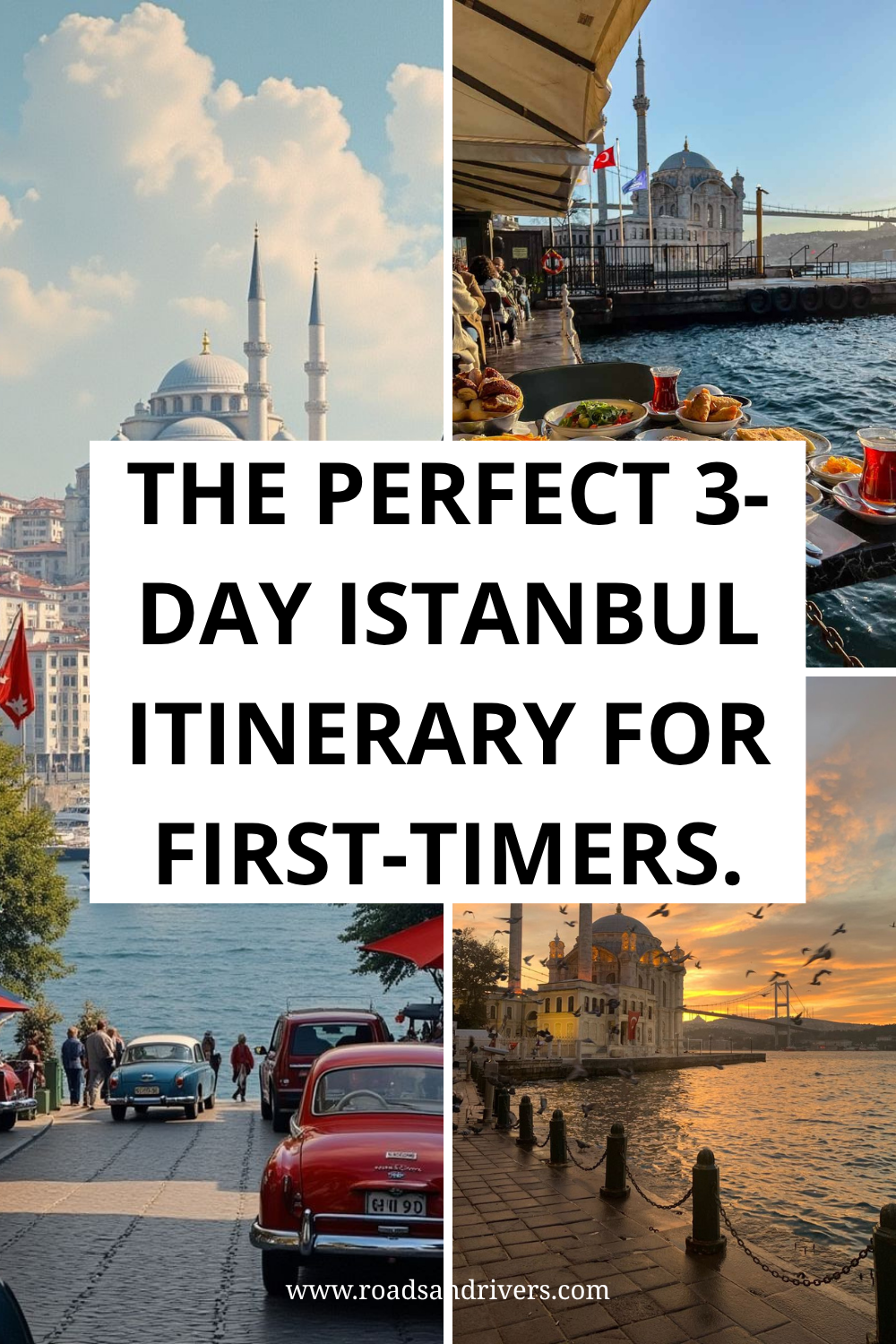
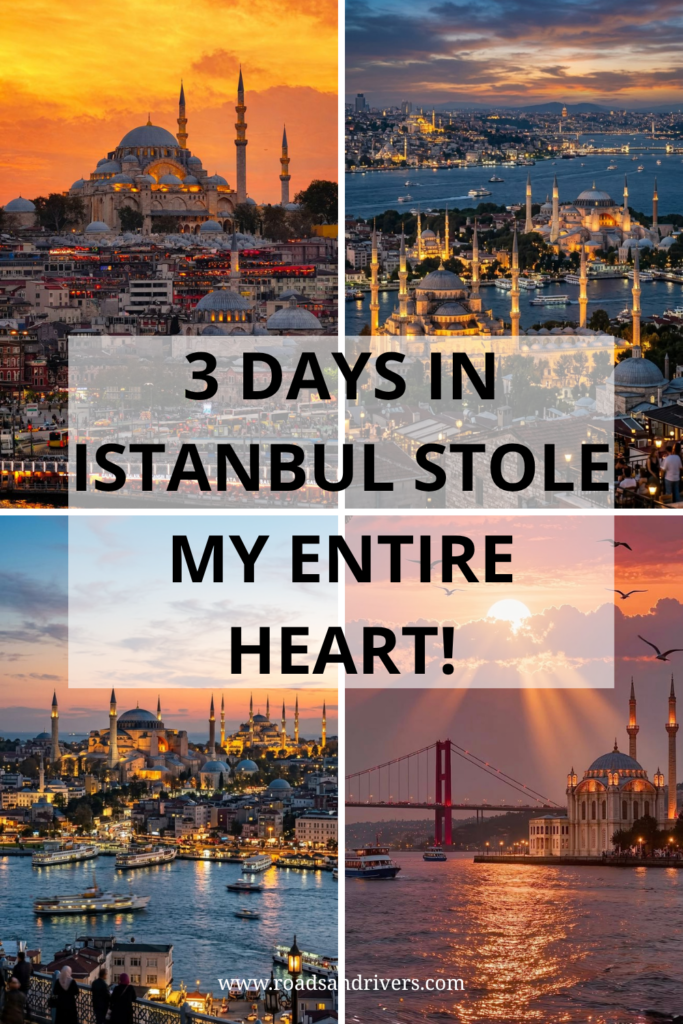
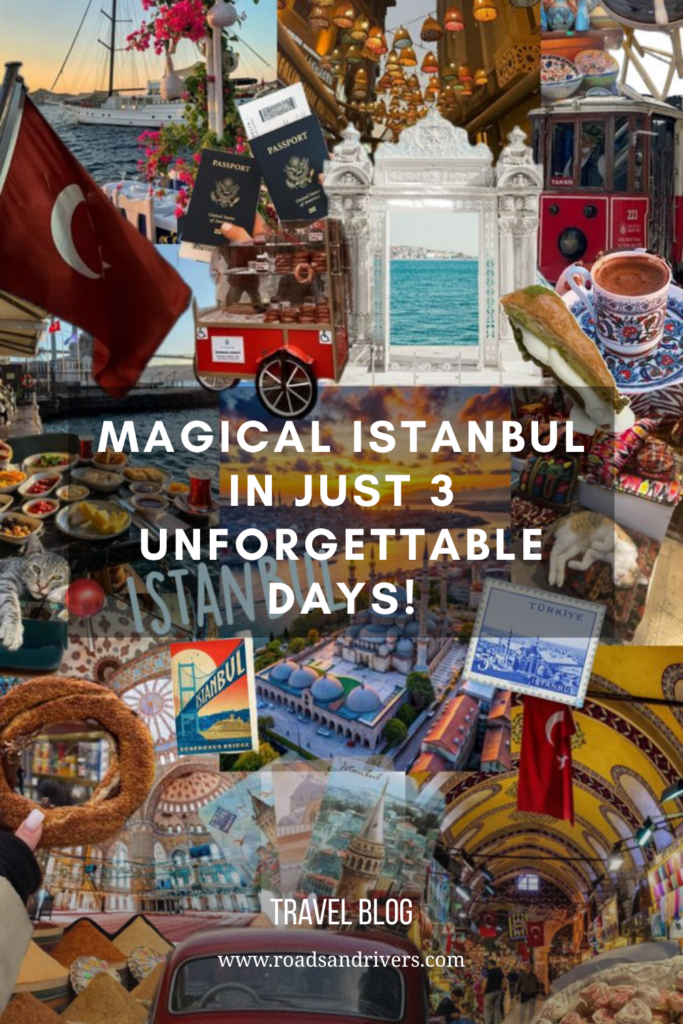
Istanbul hit us differently than we expected. One minute you’re standing under the dome of a building that’s 1,500 years old, and the next you’re eating a sesame simit on a ferry watching the city split between two continents. There’s no other place like it.
If you’re planning your first trip to istanbul, three days is the right amount of time to cover the landmarks, eat your way through the neighborhoods, and still leave with the feeling that you’ll be back. This city sits with one foot in Europe and the other in Asia, and the personality shift from district to district is so dramatic it feels like you’re changing cities without changing postal codes.
This guide breaks down exactly how to spend 3 days in Istanbul as a first-timer: a day-by-day itinerary, what to eat, where to stay, how much it costs, and the five mistakes that trip up nearly every visitor. Pack comfortable shoes. You’ll need them.
Table of Contents
- Quick-Reference Info Box
- What Should You See First in Istanbul?
- Day 1: Old Istanbul, Hagia Sophia, and the Grand Bazaar
- Day 2: Beyoğlu, Galata Tower, and the Bosphorus
- Day 3: Asian Side, Kadıköy, and the Real Istanbul
- 5 Istanbul Mistakes First-Timers Always Regret
- Istanbul Budget Breakdown: What 3 Days Actually Costs in 2026
- Where to Stay in Istanbul for First-Timers
- Is 3 Days Enough for Istanbul? Honestly?
- Key Takeaways
- FAQ
Quick-Reference Info Box
Best time to visit: April–May and September–October (mild weather, manageable crowds)
Average daily budget: $60–85 (budget) / $90–135 (mid-range)
Currency: Turkish Lira (TL); major credit cards accepted in most places, but carry cash for street food, bazaars, and tipping
Getting there: Istanbul Airport (IST) is the main international hub; Sabiha Gökçen (SAW) serves budget airlines on the Asian side
Days needed: 3 days covers the highlights; 4–5 if you want to slow down
Getting around: IstanbulKart works on metro, tram, bus, and ferries; about 20–35 TL per ride
Visa: Many nationalities need an e-Visa (apply online before your trip)
What Should You See First in Istanbul?
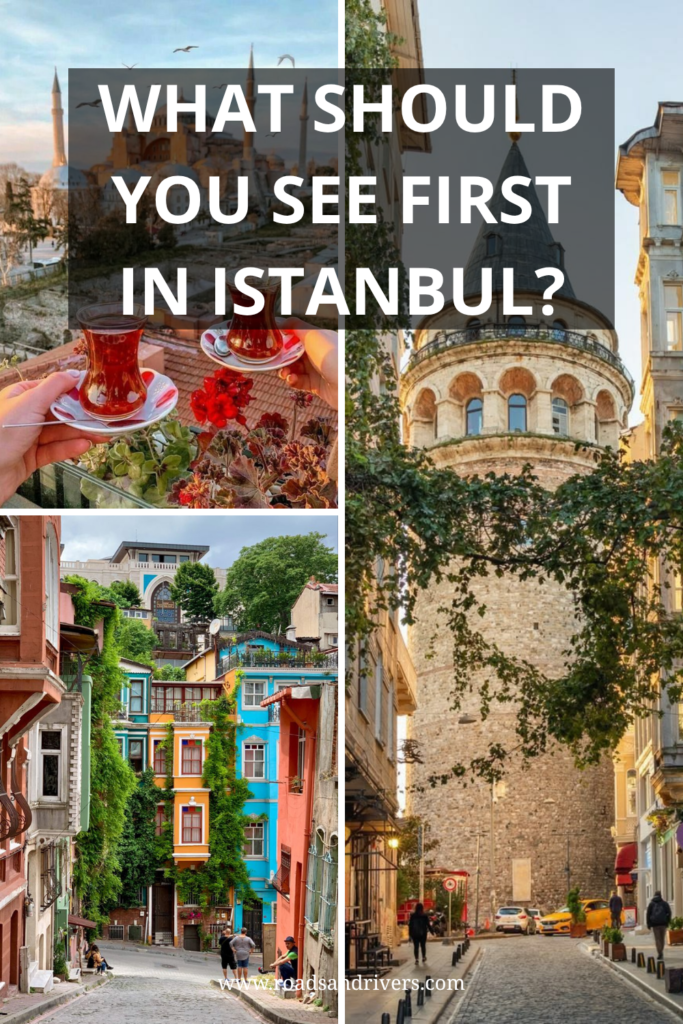
The honest answer: Hagia Sophia. Start there. Nothing else in the city prepares you for it, and nothing else in the city makes quite the same impression.
The Hagia Sophia (Ayasofya) has been a Christian basilica, an Ottoman mosque, a museum, and a mosque again. It was the largest cathedral in the world for nearly a thousand years after its completion in 537 AD. Standing under the dome and looking up at the interplay of Byzantine mosaics and Islamic calligraphy — in the same room, in the same building — is something that doesn’t exist anywhere else on earth.
Get there early. The ticket lines get long by 11 AM, and the experience changes dramatically once tour groups arrive. The first hours of the morning, when sunlight comes through the upper windows and the interior is still half-empty, are worth the early alarm.
From Hagia Sophia, everything else in Old Istanbul (Sultanahmet) is within walking distance. The Blue Mosque sits directly across the park. The Topkapi Palace is a ten-minute walk. The Basilica Cistern is around the corner. Your first morning in Istanbul writes itself.
Pro tip: Buy an IstanbulKart at the airport or any metro station. It costs about $2.50 for the card and gives you nearly half-priced rides on the metro, trams, buses, and ferries.
Day 1: Old Istanbul, Hagia Sophia, and the Grand Bazaar
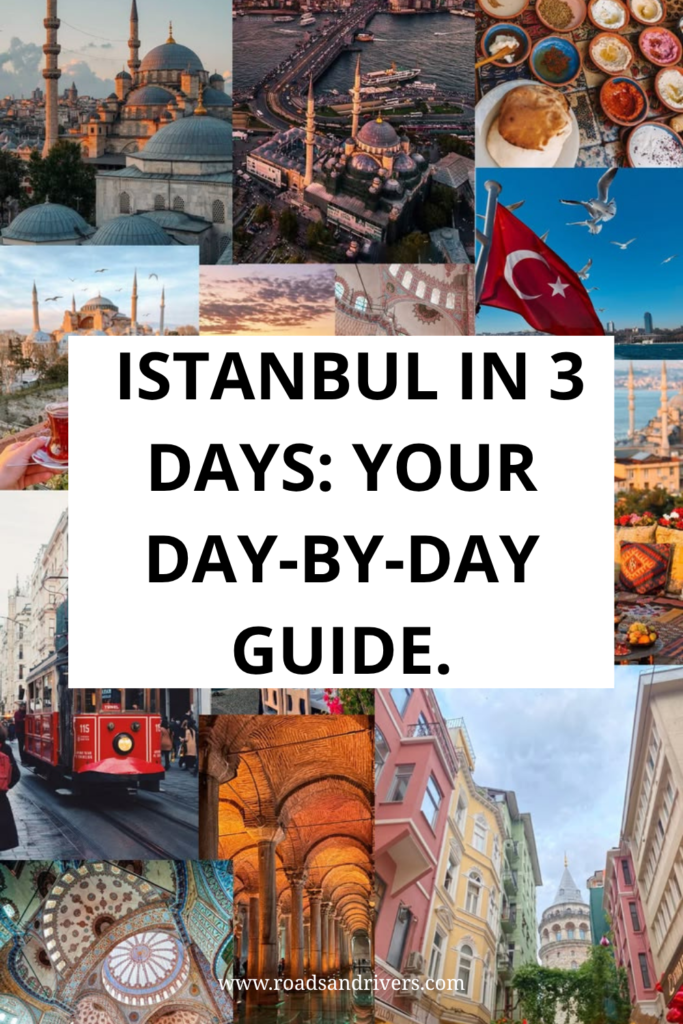
This is the busiest day of your three, and the most historically dense. Everything is within walking distance, so put on your best walking shoes and let it unfold.
Morning: Hagia Sophia and the Blue Mosque
Start at Hagia Sophia at opening time. Give yourself at least 90 minutes inside. Then walk across Sultanahmet Square to the Blue Mosque (Sultan Ahmed Mosque). Entry is free, but it closes to visitors during prayer times, so check the schedule. The interior is six domes deep, lined with over 20,000 handmade Iznik tiles. Women should bring a headscarf (loaners available at the entrance).
Late Morning: Topkapi Palace
The former seat of Ottoman sultans for 400 years. The palace complex includes courtyards, the Imperial Harem (separate ticket, worth it), and a treasury that holds the Topkapi Dagger and the Spoonmaker’s Diamond. Expect to spend 2–3 hours here. The Harem alone takes a good hour.
Lunch: Sultanahmet area
Skip the tourist restaurants directly facing the mosques. Walk two blocks in any direction and the prices drop dramatically. Look for a lokanta (a casual spot serving pre-prepared Turkish dishes) — you’ll eat well for a fraction of what the square-facing places charge.
Afternoon: Basilica Cistern and the Grand Bazaar
The Basilica Cistern is one of Istanbul’s most atmospheric sites: an underground water reservoir from the 6th century, held up by 336 marble columns. The entry is about €30 in 2026 and the visit takes 30–45 minutes.
Then walk to the Grand Bazaar. It’s one of the oldest and largest covered markets in the world, with over 4,000 shops selling everything from carpets and lanterns to spices, ceramics, and Turkish delight. Haggling is expected and the prices are consistently marked up for tourists. Go in with a budget, know your limits, and enjoy it for what it is. The bazaar is open Monday through Saturday, 9 AM to 7 PM, and closed on Sundays.
Evening: Dinner in Sultanahmet
End the day with a proper sit-down meal. Ottoman cuisine is heavier and more elaborate than everyday Turkish food. Look for dishes like lamb tandir, hünkar beğendi (lamb on smoky eggplant puree), and finish with künefe or baklava.
Read more: The Ultimate Greece Travel Guide for First-Time Visitors
Day 2: Beyoğlu, Galata Tower, and the Bosphorus
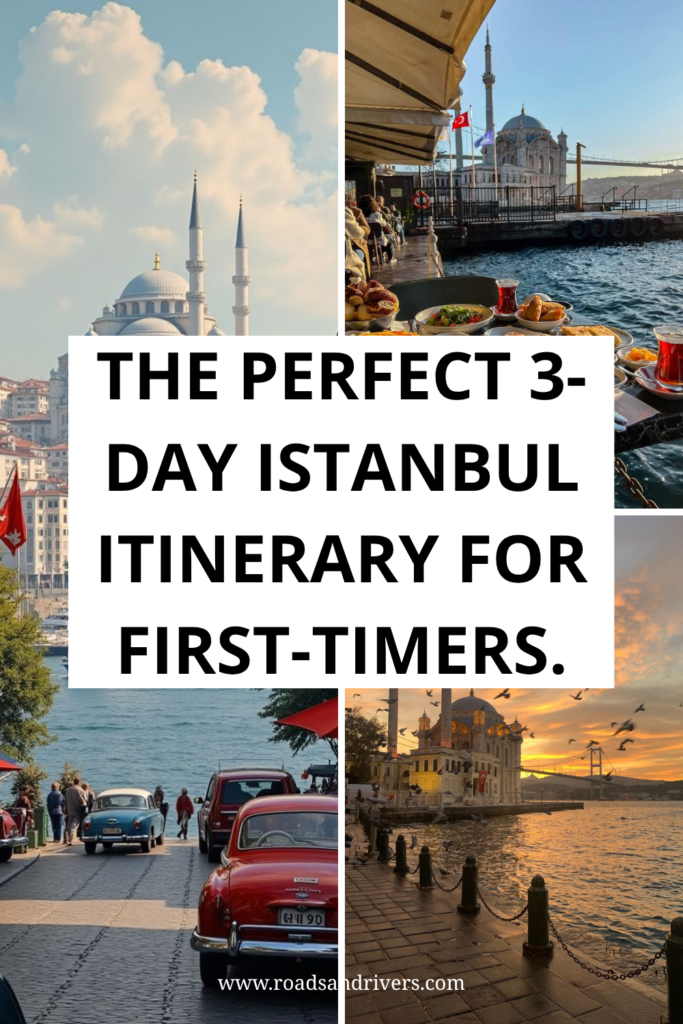
Day two shifts the energy from ancient to alive. You’re crossing the Golden Horn into the Beyoğlu district, where the city trades its Ottoman past for something more contemporary.
Morning: Galata Tower
The Galata Tower has been standing here since 1348. Climb to the top (or take the elevator) for a panoramic view of the city: the mosques of the old city on one side, the Bosphorus and the Asian shore on the other. It’s about €30 for entry in 2026 and gets busy by mid-morning. Go at opening time if you can.
From the tower, walk down the steep, cobblestoned streets into the surrounding Galata neighborhood. This area is full of independent coffee shops, vintage stores, and street cats who seem to own the place.
Late Morning: Istiklal Avenue
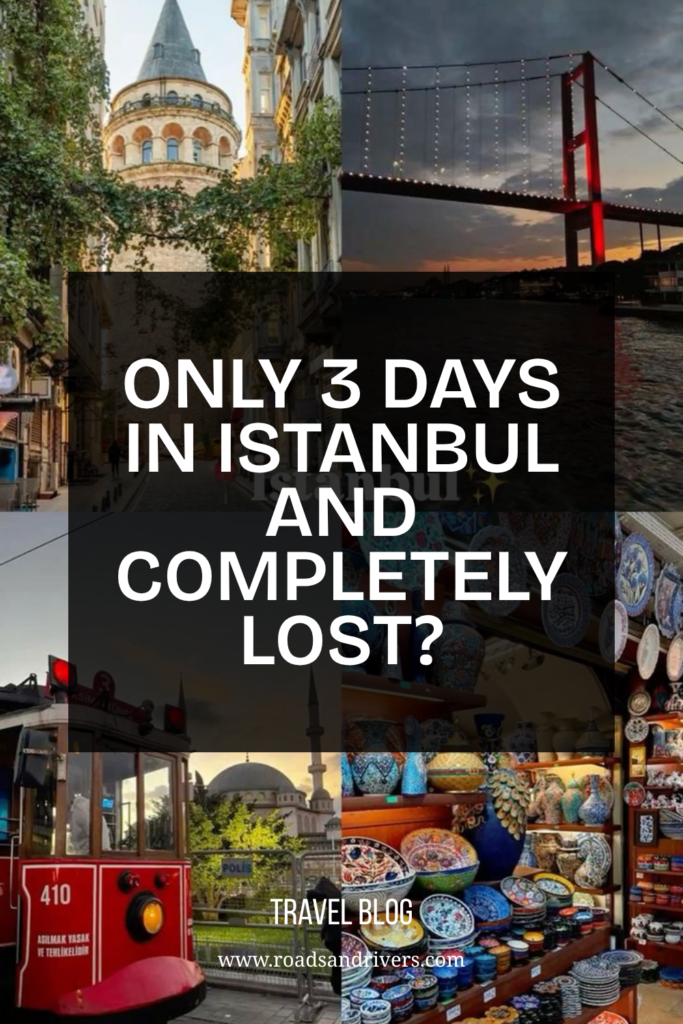
Walk up to Istiklal Street, Istanbul’s most famous pedestrian avenue. It stretches about a mile from Galata to Taksim Square and is packed with shops, restaurants, galleries, street performers, and the historic red tram that runs down the center. The energy is constant. It’s loud, busy, and distinctly Istanbul.
Afternoon: Bosphorus Cruise
Head down to Eminönü and take a Bosphorus ferry. The public ferry is the budget option (a few lira with your IstanbulKart) and takes you past waterfront palaces, the Ortaköy Mosque, both suspension bridges, and seaside villages on both shores. The longer cruises go up to the Black Sea entrance and back. The short loop takes about 90 minutes and is more than enough for most visitors.
Before you board, grab a balık ekmek (fish sandwich) from one of the vendors at the Eminönü waterfront. It’s fried fish on bread, eaten standing up by the water, and it costs almost nothing. This is one of Istanbul’s most iconic street food experiences.
Evening: Karaköy or Ortaköy
For dinner, head to Karaköy for a modern Turkish food scene, or Ortaköy for waterfront dining with the Bosphorus Bridge lit up overhead. Ortaköy is also known for its kumpir (loaded baked potatoes the size of your head).
Pro tip: The IstanbulKart works on the Bosphorus ferries too. A public ferry ride is 20–35 TL, while private tour boats charge €15–25 for the same route.
Day 3: Asian Side, Kadıköy, and the Real Istanbul
Most first-timers never cross to the Asian side. That’s a mistake. Kadıköy, the main hub on the Asian shore, is where Istanbul lives day-to-day — less tourist-facing, more local, and home to some of the best food in the city.
Morning: Ferry to Kadıköy
Take the ferry from Eminönü or Karaköy to Kadıköy. The ride is about 20 minutes, costs almost nothing with an IstanbulKart, and the views of the city skyline from the water are the best you’ll get anywhere. Grab a tea from the onboard vendor and sit outside.
Late Morning: Kadıköy Market and Food Tour
The Kadıköy fish and produce market is the most authentic food market in Istanbul. Fishmongers, cheese shops, olive vendors, butchers, bakeries — all of it within a few narrow, connected streets. This is where locals buy their food. Walk slowly, sample freely, and eat your way through.
Doing a food tour in Kadıköy is one of the best ways to experience the culinary and cultural scene of this side of the city. If you’d rather go independently, look for these: sucuk ekmek (grilled sausage sandwich), midye dolma (stuffed mussels), fresh-squeezed pomegranate juice, and Turkish breakfast spreads at one of the neighborhood’s many breakfast cafés.
Afternoon: Moda Neighborhood
Walk from the market to Moda, a residential neighborhood along the waterfront. The Moda seaside promenade wraps around the coastline with views back toward the European side. There are parks, tea gardens, and a general pace of life that feels completely different from Sultanahmet. This is Istanbul without the tourist overlay.
Evening: Sunset from Çamlıca Hill or back to Sultanahmet
If you want the best sunset view in Istanbul, Çamlıca Hill on the Asian side delivers. Otherwise, take the ferry back across and watch the skyline light up from the water — one of those travel moments that earns its reputation.
Read more: Why Ankara Deserves a Spot on Your Turkey Travel Itinerary
5 Istanbul Mistakes First-Timers Always Regret
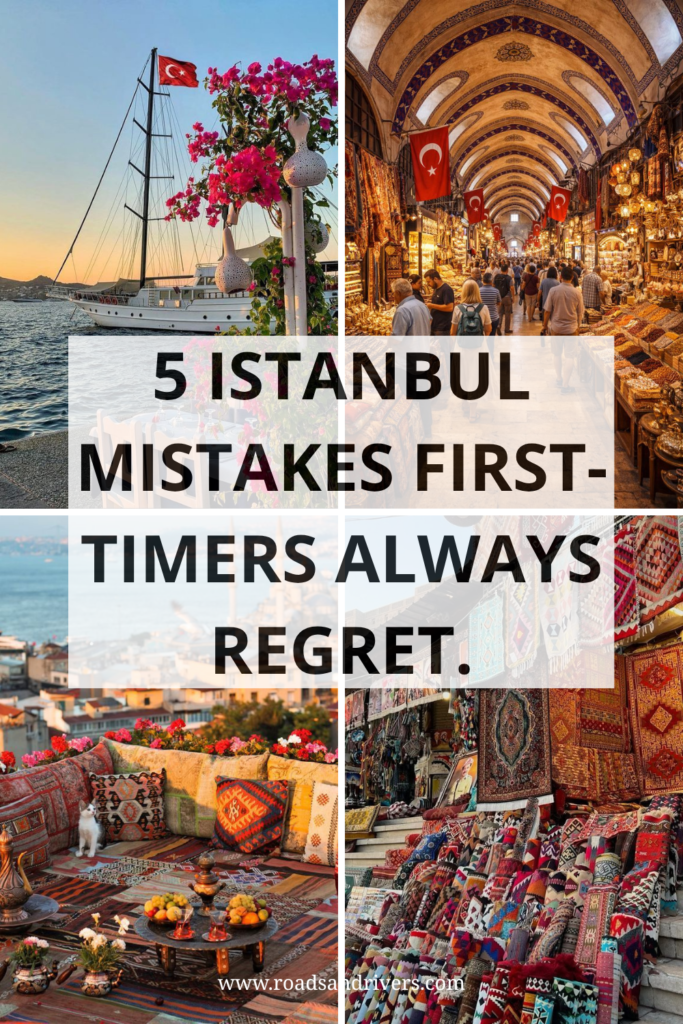
Istanbul is generous with first-timers, but a few avoidable mistakes can cost you time, money, or both.
1. Staying only in Sultanahmet
Sultanahmet is where the landmarks are, but it’s also the most tourist-inflated part of the city. Prices are higher, food is less authentic, and you’ll miss the real energy of neighborhoods like Karaköy, Beyoğlu, and Kadıköy. Base yourself nearby, but don’t eat all your meals there.
2. Taking taxis without confirming the meter
Taxi scams in Istanbul are real and well-documented. Always confirm the meter is running, use ride-hailing apps (BiTaksi is the most reliable in 2026), and know the approximate fare before you get in. Better yet, use public transport — the metro and tram network covers most tourist routes perfectly.
3. Not carrying cash
While major restaurants and hotels accept cards, street food vendors, bazaar shops, small cafés, and ferry terminals work better with cash. Keep 30–50 euros’ worth of Turkish Lira on hand at all times.
4. Overpacking the itinerary
Istanbul is enormous. The distances between neighborhoods are longer than they look on a map, and traffic can turn a 20-minute drive into an hour. Build buffer time into every day. The best moments in Istanbul are the unplanned ones — the tea with a carpet seller, the rooftop view you stumbled onto, the street food stall where you can’t read the sign but the smell pulls you in.
5. Skipping the Asian side
We covered this in Day 3, but it bears repeating. Kadıköy and the Asian shore are where Istanbul feels most genuine. Don’t leave them off the itinerary.
Pro tip: If you plan on visiting many state-run museums, the Museum Pass Istanbul (about €60 for 5 days) can be good value. Check which sites are included before buying.
Istanbul Budget Breakdown: What 3 Days Actually Costs in 2026
Istanbul remains significantly more affordable than most major European cities — roughly 40–50% less than London, Paris, or Rome for comparable experiences. For a 3-day trip, here’s what to expect:
| Category | Budget (per day) | Mid-Range (per day) |
|---|---|---|
| Accommodation | $25–40 (hostel/budget hotel) | $60–100 (mid-range hotel) |
| Food | $15–25 (street food + lokantas) | $30–50 (mix of restaurants) |
| Transport | $2–5 (IstanbulKart) | $5–10 (transit + occasional taxi) |
| Activities | $10–15 (1–2 paid sites) | $25–40 (museums, tours, bazaar) |
| Total | ~$55–85/day | ~$120–200/day |
A 3-day mid-range trip to Istanbul in 2026 typically runs $540–670 per person excluding flights. Budget travelers can manage for $165–255 for the full three days.
The biggest budget advantage in Istanbul: an enormous amount of the city’s best experiences are free. The Blue Mosque, the Süleymaniye Mosque, the Grand Bazaar, the Spice Bazaar, all the Bosphorus waterfront promenades, the neighborhood walks, the ferry rides — none of these cost more than a transit fare.
Pro tip: Eat your main meals at lokantas and street food vendors instead of tourist-area restaurants. The food is better and costs 50–70% less.
Read more: 3 Days in Dubai: The Perfect Itinerary for First-Time Visitors
Where to Stay in Istanbul for First-Timers
Where you stay shapes the trip. Here’s the honest breakdown:
Sultanahmet is the most convenient for first-timers. You’ll be walking distance from Hagia Sophia, the Blue Mosque, the Grand Bazaar, and the Basilica Cistern. It’s more expensive than other neighborhoods and skews touristy, but it eliminates transit time on your busiest sightseeing day.
Karaköy and Galata offer a better food and nightlife scene with easy tram access to Sultanahmet. This is where the city’s modern creative energy lives. Cafés, rooftop bars, boutique hotels, and a short walk to the Galata Tower.
Beyoğlu and Taksim are great for nightlife, shopping on Istiklal Avenue, and a more local-feeling base. Public transport connections are strong from here, and accommodation prices are generally more reasonable than Sultanahmet.
Kadıköy (Asian side) is the locals’ pick. Cheaper, calmer, better food, and a ferry ride away from everything on the European side. Ideal if you’re staying more than three days or want a less touristy home base.
Read more: Backpacking Europe for Beginners: Everything You Need to Know
Is 3 Days Enough for Istanbul? Honestly?
Three days is enough to cover the major landmarks, eat well, cross to the Asian side, ride the Bosphorus, and get a genuine feel for the city. It is not enough to go deep.
Istanbul has over 3,000 mosques, dozens of distinct neighborhoods, a food culture that varies block by block, and a history that spans Roman, Byzantine, and Ottoman empires. Three days gives you the highlights and a taste of what makes the city extraordinary.
If you have a fourth day, spend it at the Süleymaniye Mosque (Istanbul’s most beautiful mosque and far less crowded than the Blue Mosque), the Spice Bazaar, and a proper Turkish bath (hamam) experience. The Çemberlitaş Hamam, built in 1584, is one of the most popular options for tourists.
If you have a fifth day, take a day trip to the Princes’ Islands — a ferry ride from the city to a group of car-free islands in the Sea of Marmara where horse carriages have been replaced by electric vehicles and the pace drops to almost zero.
The truth is, three days in Istanbul is enough to steal your heart. Coming back for more is not a problem — it’s an inevitability.
Key Takeaways
- Three days in Istanbul covers the major sites comfortably if you organize by neighborhood: Day 1 for Sultanahmet, Day 2 for Beyoğlu and the Bosphorus, Day 3 for the Asian side
- Budget travelers can manage $55–85/day; mid-range travelers should plan for $120–200/day
- The IstanbulKart is your single best budget tool: it works on metro, tram, bus, and ferries
- Don’t skip the Asian side — Kadıköy has the best food and the most authentic local experience
- Book Hagia Sophia early, carry cash, eat at lokantas, and leave room in the schedule for the city to surprise you
Frequently Asked Questions
Is Istanbul safe for tourists in 2026?
Istanbul is generally very safe for tourists. Standard big-city precautions apply: watch your belongings in crowded areas like the Grand Bazaar and Istiklal Avenue, avoid unmarked taxis, and be firm with aggressive vendors. Solo female travelers report feeling safe in tourist areas and most residential neighborhoods. The city has a visible police presence in major tourist zones.
How much money do I need for 3 days in Istanbul?
Budget travelers can cover a 3-day trip to Istanbul for $165–255 total (excluding flights), covering hostel accommodation, street food, public transport, and a few paid attractions. Mid-range travelers typically spend $540–670 for the same duration with comfortable hotels, mixed dining, and more paid activities. Istanbul costs roughly 40–50% less than comparable experiences in Western European capitals.
What is the best area to stay in Istanbul for first-time visitors?
Sultanahmet is the most practical base for a first visit — walking distance to Hagia Sophia, the Blue Mosque, Topkapi Palace, and the Grand Bazaar. Karaköy and Galata are better for food and nightlife with easy tram access to the old city. Kadıköy on the Asian side is cheaper and more authentic but requires a ferry commute.
Is 3 days enough for Istanbul?
Three days is enough to see the main landmarks, eat well, ride the Bosphorus, and cross to the Asian side. It’s a complete first-timer experience. For a deeper visit — the Süleymaniye Mosque, a Turkish bath, the Princes’ Islands, the street food scene beyond the tourist zones — plan four to five days.
What food should I try first in Istanbul?
Start with a Turkish breakfast spread (menemen, fresh bread, olives, cheeses, honey, and unlimited tea). During the day, work through simit (sesame bread ring), balık ekmek (fish sandwich at Eminönü), midye dolma (stuffed mussels), and kebabs from a proper neighborhood restaurant. End with baklava from a shop that has a queue.
Read more: A First-Timer’s Guide to Croatia: Dubrovnik, Split, and the Islands
Three days in Istanbul is the start of something. Tell us how your trip went in the comments — we want to hear about the street food spot you found, the rooftop view that stopped you, or the ferry ride that changed the whole trip.