

Madeira does not make sense on paper. A volcanic island the size of a mid-sized city, stuck in the Atlantic Ocean 1,000 km from mainland Portugal, 500 km from the African coast, with mountains that rise to nearly 1,900 metres straight out of the sea. An island where you can hike through a cloud forest in the morning, drive along sea cliffs in the afternoon, and eat fresh grilled limpets on a harbour wall at sunset, all without ever leaving a landmass 57 km long.
This Madeira travel guide is for the person who has seen the cliff photos and the levada walk reels and wants to know whether the island delivers on the hype. It does. But Madeira is not a beach holiday destination (the coastline is mostly cliffs, not sand), it is not a nightlife island (Funchal closes early by most standards), and it is not a place you visit to relax by a pool. Madeira is an adventure island disguised as a European holiday destination, and this guide is built for the travellers who want to use it that way.
How This Guide Works
This guide is structured as an adventure scale, organised from the most accessible experiences to the most challenging. Each section layers up in intensity, so you can calibrate your trip based on how much adrenaline you want alongside your poncha and passion fruit.

Level 1: Funchal and the Easy Wins
Funchal is where everyone starts and it is worth more than a transit stop. The capital sits in a natural amphitheatre on Madeira’s south coast, with terracotta rooftops climbing the hillside and banana plantations visible from the centre.
Mercado dos Lavradores is the island’s main market and the best introduction to Madeiran food culture. Exotic fruit stalls (passion fruit, tamarillo, monstera deliciosa, custard apple) fill the ground floor. Fish vendors sell black scabbard fish (espada), the island’s signature catch, pulled from 1,000 metres deep in the Atlantic. The flower sellers on the upper level are the most photographed corner.
Monte Palace Tropical Garden sits above Funchal, reachable by cable car. The garden is a mix of tropical plants, azulejo tile panels, and Japanese-inspired landscaping spread across a steep hillside. The return trip via toboggan (a wicker basket sled steered by two men in straw hats down the steep streets) is one of those experiences that sounds absurd until you are doing it, at which point it becomes one of the most memorable moments of the trip.
The Old Town (Zona Velha) is Funchal’s restaurant and bar district. Painted doors line Rua Santa Maria (an ongoing street art project), and the seafood restaurants here serve espada com banana (black scabbard fish with banana, the island’s most famous dish) for €12-16.
Pro tip: Order poncha at every opportunity. It is Madeira’s national drink: aguardente (sugar cane spirit), honey, and fresh orange or passion fruit juice. It tastes deceptively light and hits harder than you expect.

Level 2: The Levada Walks — Madeira’s Signature Trails
Levadas are irrigation channels built over centuries to carry water from the wet north side of the island to the drier south. The maintenance paths alongside them have become one of the best walking trail networks in Europe: flat or gently graded paths that wind through laurel forests, along cliff edges, behind waterfalls, and through tunnels carved into rock.
There are over 200 levada walks on Madeira. These are the ones worth prioritising.
Levada das 25 Fontes and Levada do Risco
The most popular levada walk on the island and the one that delivers the classic Madeira aesthetic: a path through ancient laurel forest (UNESCO-listed Laurisilva) to a pool fed by 25 waterfalls cascading down a moss-covered rock amphitheatre. The walk is 11 km return, mostly flat, and takes 3-4 hours. Arrive before 9 AM to beat the crowds.
Levada do Caldeirão Verde
A longer walk (13 km return) through deeper forest, passing through four tunnels (bring a headlamp) to a hidden waterfall in a volcanic crater. Less crowded than 25 Fontes and more rewarding for its remoteness. The extension to Caldeirão do Inferno adds another 6 km for an even more dramatic finish.
Levada do Rei
The quietest of the essential levadas. A gentle walk through laurisilva forest to a waterfall pool, with birdsong and the sound of running water as the only soundtrack. This is the walk for people who want to feel the forest rather than tick off a viewpoint.
Read more: Bring This 10 Trekking Essentials For A Stress Free Hike for the gear that matters on levada walks, especially headlamps and waterproof layers.
Level 3: The Peak Hikes — Above the Clouds
Levadas are Madeira’s gentle side. The peak hikes are where the island shows its volcanic teeth.
Pico do Arieiro to Pico Ruivo
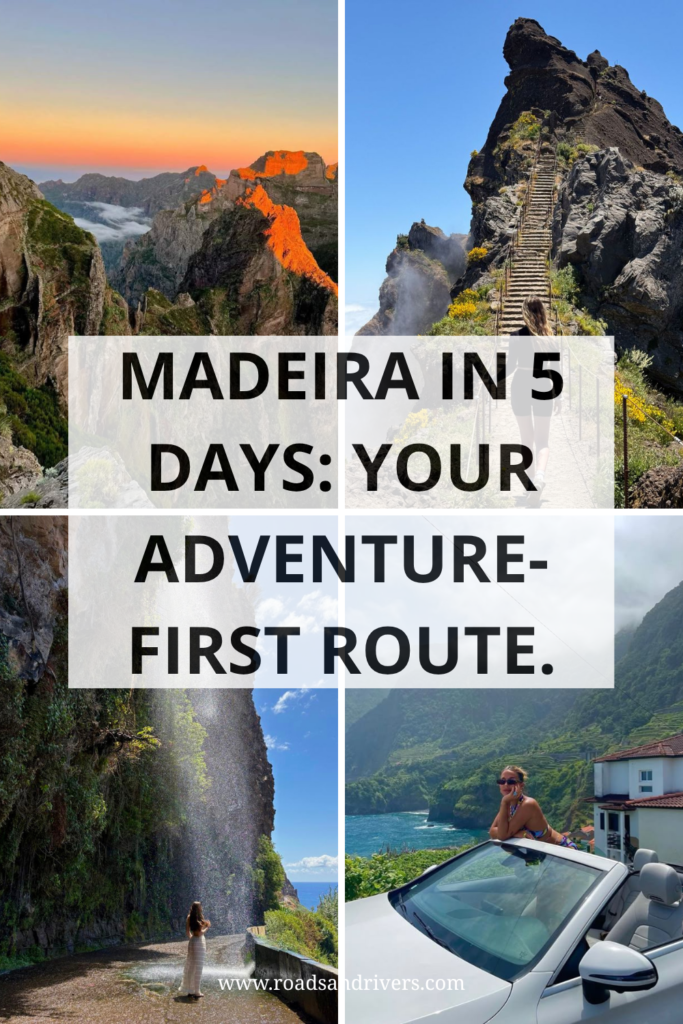
The flagship mountain hike in Madeira and one of the best day hikes in Europe. The trail connects the island’s third highest peak (Arieiro, 1,818 m, reachable by car) to its highest (Ruivo, 1,862 m) along a ridge that cuts through clouds, passes through tunnels, and delivers views that stretch to the sea on both sides. The full traverse is 7 km one way, takes 3-4 hours, and requires a head for heights in several sections with steep drop-offs.
The sunrise from Pico do Arieiro (drive up before dawn and stand on the summit as the light hits) is one of the most dramatic natural spectacles in the Atlantic. The clouds sit below you like a white ocean, the peaks of the central massif glow orange, and for a few minutes the island feels like the top of the world.
Pico Ruivo from Achada do Teixeira
If the full Arieiro-to-Ruivo traverse feels too ambitious, this alternative approaches Pico Ruivo from the north side. It is a shorter walk (5.6 km return), less exposed, and still reaches the highest point on the island.
Vereda do Pico Branco (Porto Santo)
Porto Santo is Madeira’s smaller sister island, a 2-hour ferry ride from Funchal. The Pico Branco hike offers cliff-edge walking with views of the island’s 9 km golden sand beach below. Porto Santo is the beach day that Madeira itself cannot provide.
9 Madeira Adventures Beyond the Levada Walks
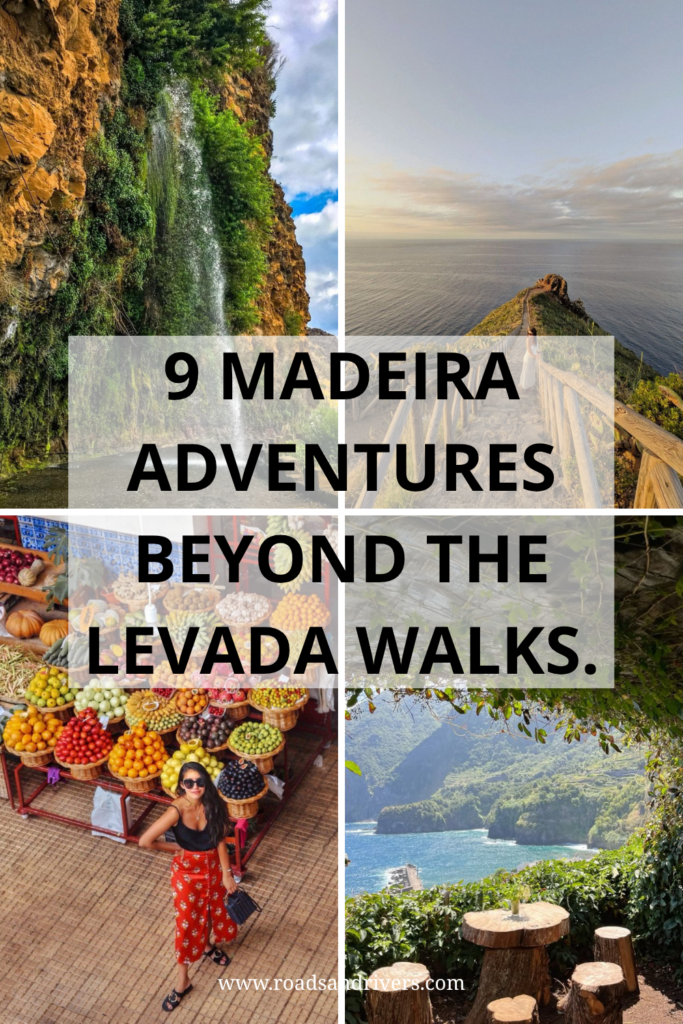
Madeira’s trail network is the headline, but the island offers far more than walking.
1. Canyoning in Ribeira das Cales. Rappelling down waterfalls, sliding through natural rock pools, and jumping into volcanic pools. Half-day tours cost €50-70 and require no previous experience.
2. Diving at Garajau Natural Reserve. Clear Atlantic water, volcanic reef formations, and encounters with manta rays, grouper, and moray eels. Introductory dives start at €60.
3. Paragliding from Arco da Calheta. Tandem flights above the south coast cliffs with views of the ocean and the mountainous interior. 15-minute flights cost €100-120.
4. Coasteering on the north coast. Swimming, cliff jumping, and scrambling along the volcanic shoreline. A wilder, wetter alternative to the levada walks.
5. Whale and dolphin watching. Several species of dolphin and whale pass through Madeiran waters year-round. Sperm whales are resident. Boat trips from Funchal or Calheta cost €35-50 for 2-3 hours.
6. Mountain biking on the Paul da Serra plateau. The high plateau in western Madeira is flat (unusual for this island) and offers mountain biking through moorland with views of the central peaks.
7. The toboggan ride from Monte. Technically not extreme but the experience of sliding down a steep Funchal street in a wicker basket at speed, steered by two men in white, is more exhilarating than it sounds. €30 for two people.
8. Trail running the MIUT route. The Madeira Island Ultra Trail is one of Europe’s premier ultra-marathon routes. Even if you are not racing, sections of the route make excellent trail runs.
9. Snorkelling at Porto Moniz natural pools. Volcanic rock pools filled by Atlantic waves on the north coast. Natural aquariums with clear water and small fish. Entry €1.50.
Read more: How to Plan an Outdoor Trip: From Gear to Route to Safety for the planning framework behind any adventure trip.
Funchal or Ponta do Sol: Which Madeira Base Is Better?
Choose Funchal if: you want restaurants, nightlife (such as it is), cultural attractions, the market, and the easiest access to car rental and tour departures. Funchal is the only proper town on the island and has the widest range of accommodation from budget to luxury.
Choose Ponta do Sol if: you are a digital nomad, a quiet-seeker, or a hiker who wants to be closer to the western levadas and the Paul da Serra plateau. Ponta do Sol is Madeira’s sunniest village (the name means “point of the sun”), has a small but growing cafe and co-working scene, and offers a pace that Funchal cannot match.
Choose the north coast (São Vicente or Porto Moniz) if: you want to experience the dramatic, wilder side of Madeira with fewer tourists. Accommodation is cheaper, the landscape is more vertical, and the Atlantic hits the coast harder here.
For most first-timers, Funchal for the first 2 nights and then a second base in the west or north for the remaining nights gives you the best of both worlds. The island is small enough that nowhere is more than 90 minutes from anywhere else by car.
Madeira in 5 Days: The Adventure-First Route
Day 1: Funchal. Arrive, pick up rental car, Mercado dos Lavradores, Old Town dinner, poncha.
Day 2: Levada das 25 Fontes and Risco. Morning hike (arrive by 8:30 AM). Afternoon drive to Porto Moniz for the natural pools. Dinner on the north coast.
Day 3: Pico do Arieiro sunrise and Arieiro-to-Ruivo traverse. Leave Funchal at 5 AM. Watch sunrise from the summit. Hike to Pico Ruivo and back. Afternoon rest. Evening in Funchal.
Day 4: East coast and Ponta de São Lourenço. Drive to the eastern tip of the island. Hike the Ponta de São Lourenço trail (8 km return, dramatic cliff walking above the ocean). Stop at Machico for a swim at the sand beach. Afternoon at Santana traditional houses.
Day 5: Câmara de Lobos and the south coast. Morning in Câmara de Lobos (the fishing village Churchill painted), coastal drive west to Cabo Girão (one of the highest sea cliffs in Europe, glass skywalk), and a final lunch of espada com banana before departure.
Pro tip: Rent the car for the entire trip. Madeira’s bus network exists but is slow and infrequent outside Funchal. A car gives you the freedom to chase the weather (the south coast can be sunny while the north is clouded over, and vice versa) and reach trailheads at dawn.
Read more: 10 Best Beaches in Gran Canaria if you want to combine Madeira with a Canary Islands beach extension. And for packing advice for another Atlantic island destination, the Tenerife outfits guide covers a similar climate.

Why Madeira Is 2026’s Top Trending Destination
Madeira has been quietly climbing the travel trend lists for several years, but 2026 feels like the moment it breaks through to mainstream awareness. The reasons are practical: direct flights from most European cities cost €50-150 return on budget carriers, the island is a year-round destination (temperatures range from 17-25°C regardless of season), and the combination of dramatic landscapes, excellent food, and Portuguese pricing (significantly cheaper than the Canary Islands for comparable quality) makes it exceptional value.
But the deeper reason Madeira is trending is that it fills a gap in the market. Travellers who want adventure but not discomfort. Dramatic scenery but not long-haul flights. Good food but not restaurant-centric trips. Nature but not wilderness. Madeira delivers all of this on an island small enough to cover in five days, with infrastructure polished enough that nothing feels improvised.
The island is also one of the few European destinations where the weather cooperates year-round. Winter in Madeira means 18°C and occasional rain. Summer means 25°C and occasional cloud. There is no bad season, which makes it the perfect short-notice trip for anyone in Europe looking to escape grey skies without flying to the tropics.
Read more: The Ultimate Lofoten Islands Travel Guide for another dramatic island destination that shares Madeira’s mix of cliffs, ocean, and hiking, but in a completely different climate.
Key Takeaways
- Madeira is an adventure island, not a beach island. The levada walks, peak hikes, and coastal cliffs are the reason to visit. Bring hiking boots, not flip-flops.
- The levada network offers over 200 trails, from easy forest walks to cliff-edge paths through tunnels. 25 Fontes, Caldeirão Verde, and the Arieiro-to-Ruivo traverse are the three essentials.
- Rent a car for the entire trip. The island is small but the roads are steep and winding, and trailhead access requires flexibility.
- Funchal is the best first-timer base. Add a second base in the west or north if you have 5+ days.
- Year-round mild weather makes Madeira the perfect off-season European escape. There is no wrong time to visit.
Madeira is one of those rare destinations that gets better the more you demand of it. The levada walks are beautiful, but the peak hikes are extraordinary. The south coast is pleasant, but the north coast is dramatic. Funchal is charming, but the villages clinging to the mountainsides above it are the real Madeira.
Rent the car. Lace the hiking boots. Drive up to Pico do Arieiro before dawn. When the clouds part and the Atlantic stretches to the horizon below you, you will understand why this island is the trip everyone is talking about.
What was your favourite Madeira trail or viewpoint? Drop it in the comments.
FAQ
How many days do you need in Madeira?
Five days is the ideal first trip. That gives you two major hikes (a levada walk and a peak hike), one driving day around the coast, a day in Funchal, and one flexible day for weather or additional adventures. Seven days allows you to add the Porto Santo ferry trip and explore the north coast more deeply.
Is Madeira good for hiking beginners?
Yes. The levada walks are mostly flat or gently graded, well-marked, and suitable for anyone with reasonable fitness. The peak hikes (Arieiro to Ruivo) are more demanding and require confidence with heights. Start with a levada walk and build up to the peaks based on how you feel.
Do you need a car in Madeira?
A car is strongly recommended. While Funchal has taxis and local buses, reaching trailheads, viewpoints, and the north coast on public transport is impractical. The roads are well-maintained but steep and winding, with frequent tunnels. If you are not comfortable with mountain driving, consider hiring a local guide with transport for the more remote areas.
What is the best time to visit Madeira?
Madeira is a year-round destination with mild temperatures (17-25°C) in every season. April-June and September-October offer the best combination of warm weather, clear skies, and manageable crowds. December-February is cooler and wetter but still pleasant, and flights and accommodation are at their cheapest.
Is Madeira expensive?
Madeira is mid-range for Europe. A comfortable daily budget of €80-120 per person covers a good hotel, car rental, restaurant meals, and activities. Budget travellers can manage €50-70 per day with guesthouses and self-catering. Prices are comparable to mainland Portugal and significantly cheaper than the Canary Islands for similar quality.