
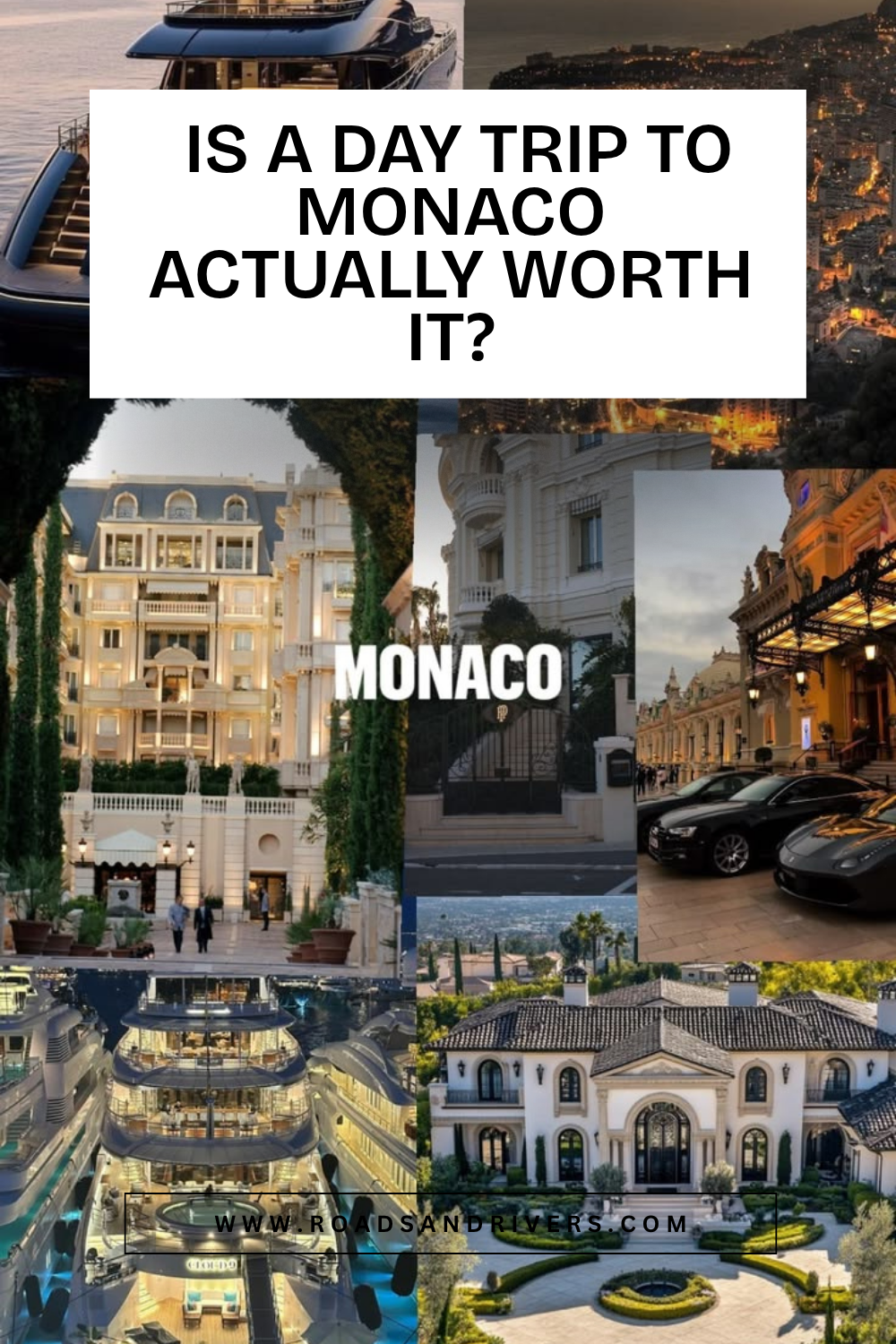
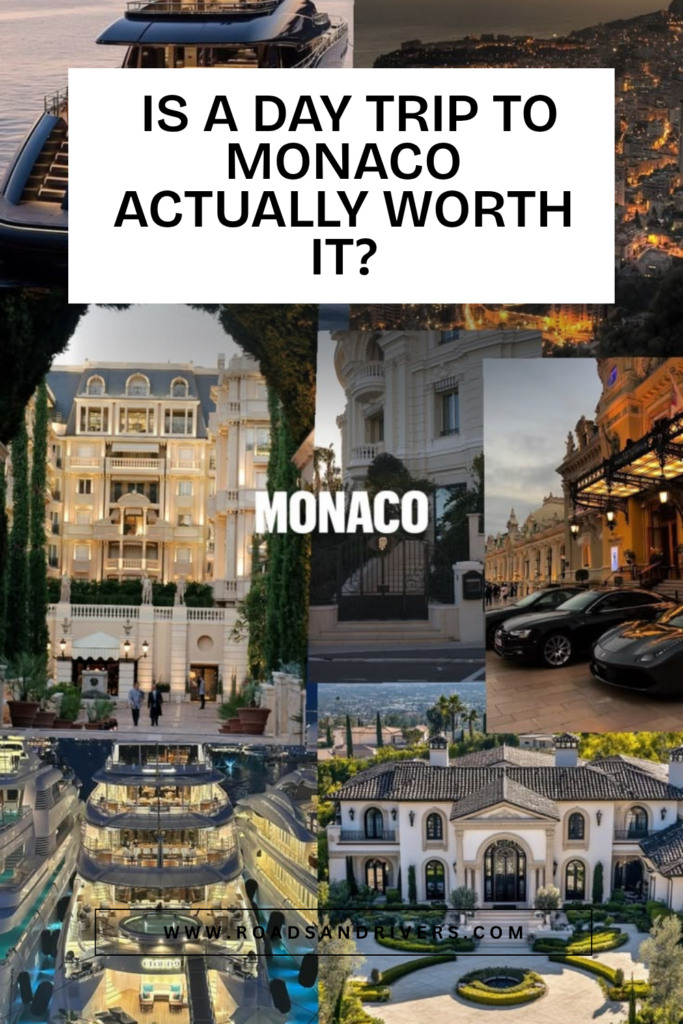
The first time you step off the train in monaco and walk up toward Casino Square, something shifts. Ferraris and Lamborghinis idle outside the Hotel de Paris. The Grand Casino’s Belle Époque façade glows in the Mediterranean light. Superyachts the size of apartment buildings line the harbor below. It doesn’t look real. It looks like someone built a film set on a cliff above the sea and forgot to take it down.
Monaco is the second smallest country in the world, covering just two square kilometers. Everything about it is concentrated: the wealth, the architecture, the cars, the views, and the experience of walking through a place that operates by its own rules. A single day is genuinely enough to see most of it — if you plan the hours right.
This guide covers exactly how to do that: how to get there, where to go first, the view everyone posts but nobody names, the mistakes that waste your morning, and whether a day trip to Monaco is actually worth it. The short answer is yes. Here’s the long one.
Table of Contents
- Quick-Reference Info Box
- Can You Really See Monaco in Just One Day?
- How to Get to Monaco: The Cheapest and Best Options
- The Monaco Day Trip Mistake That Wastes Your Morning
- Monaco Day Trip: Your Hour-by-Hour Plan
- The Monaco View Everyone Posts But Nobody Credits
- Only One Day for Monaco? Make Every Hour Count
- A Single Day in Monaco Felt Like a Film
- Is a Day Trip to Monaco Actually Worth It?
- Key Takeaways
- FAQ
Quick-Reference Info Box
Best base: Nice, France (22 km away, 20–25 min by train)
Train fare (Nice to Monaco): €4–7 one-way; trains run every 10–20 minutes
Best time to visit: April–June and September–October (warm weather, smaller crowds)
Day trip budget: ~€80 for a realistic day (train, lunch, one attraction)
Currency: Euro (€); Monaco uses the euro despite not being in the EU
Monaco Grand Prix: First weekend of June from 2026 onward
No passport needed: EU and Schengen zone visitors cross freely
Getting around: Mostly on foot; Monaco is tiny and very walkable
Can You Really See Monaco in Just One Day?
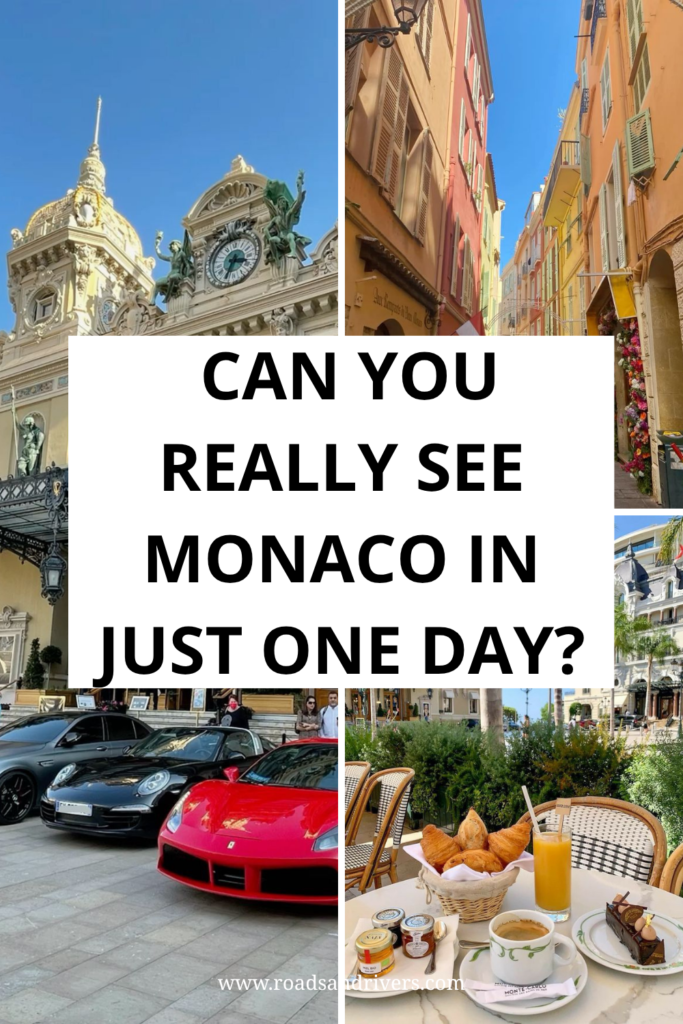
Yes. And this is one case where the small size actually works in your favor.
Monaco is 2.02 square kilometers. You can walk from one end to the other in under 30 minutes, though the terrain involves a fair amount of vertical — the old town sits high on the Rock, Casino Square is at sea level, and the harbor sits between both. The main sites — Casino Square, Port Hercule, Monaco-Ville (the old town), the Prince’s Palace, and the Oceanographic Museum — can all be covered in a well-planned day.
Most visitors arrive on a day trip from Nice, which is the smartest way to do it. Staying inside Monaco means paying some of the highest hotel rates in Europe — mid-range properties start at around €250–350 per night. A solid three-star hotel in Nice runs €100–160 per night, and the train ride over takes 20–25 minutes. The math makes itself.
One day is enough to feel like you’ve truly been there. It won’t be rushed if you organize the day by neighborhood rather than by a checklist.
Pro tip: Arrive early. Monaco gets noticeably more crowded from mid-morning, and the Casino Square parking lot fills with tour buses by 11 AM. The first hour of the day belongs to whoever shows up for it.
How to Get to Monaco: The Cheapest and Best Options
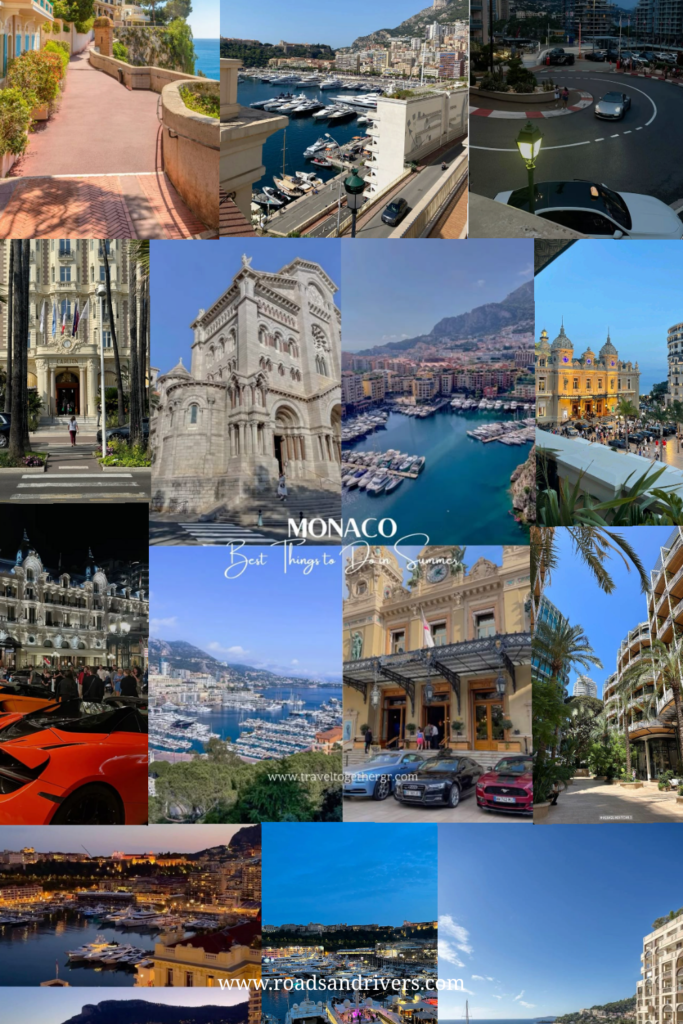
By train from Nice (recommended)
The regional TER train from Nice-Ville to Monaco–Monte Carlo takes 20–25 minutes and runs every 10–20 minutes throughout the day. A one-way ticket costs €4–7 depending on when you book. Trains arrive at Monaco–Monte Carlo station, which is centrally located and within walking distance of Port Hercule and Casino Square. This is the fastest, cheapest, and most practical option for the overwhelming majority of visitors.
By bus from Nice (scenic, budget)
Bus line 600 runs along the coastal road between Nice and Monaco and offers spectacular sea views the whole way. The ride takes about 50 minutes and costs around €2.50. Slower, but the scenery justifies it at least once.
By boat (seasonal)
From mid-May through September, a passenger boat departs from Nice’s Port Lympia on Tuesdays, Thursdays, and Saturdays. It leaves at 9:30 AM, arrives in Monaco at 10:15 AM, and returns at 5 PM. The view of the coastline from the water — passing Èze, Villefranche-sur-Mer, and Cap Ferrat — is genuinely outstanding.
By taxi or ride-share
A taxi from Nice to Monaco runs €60–80 each way. Uber operates from Nice to Monaco but note: Uber can drop off in Monaco but cannot legally pick up passengers there. You’ll need to arrange a return trip carefully.
From other bases:
Monaco is also easy to reach from Cannes (45 min by car), Menton (20 min by car), and Antibes. If you’re combining Monaco with Èze village — which many visitors do — taking the train to Monaco first and then returning via the coastal bus through Èze works well as a combined itinerary.
Read more: Best Interrail Routes in Europe: 10 Epic Itineraries to Try
The Monaco Day Trip Mistake That Wastes Your Morning
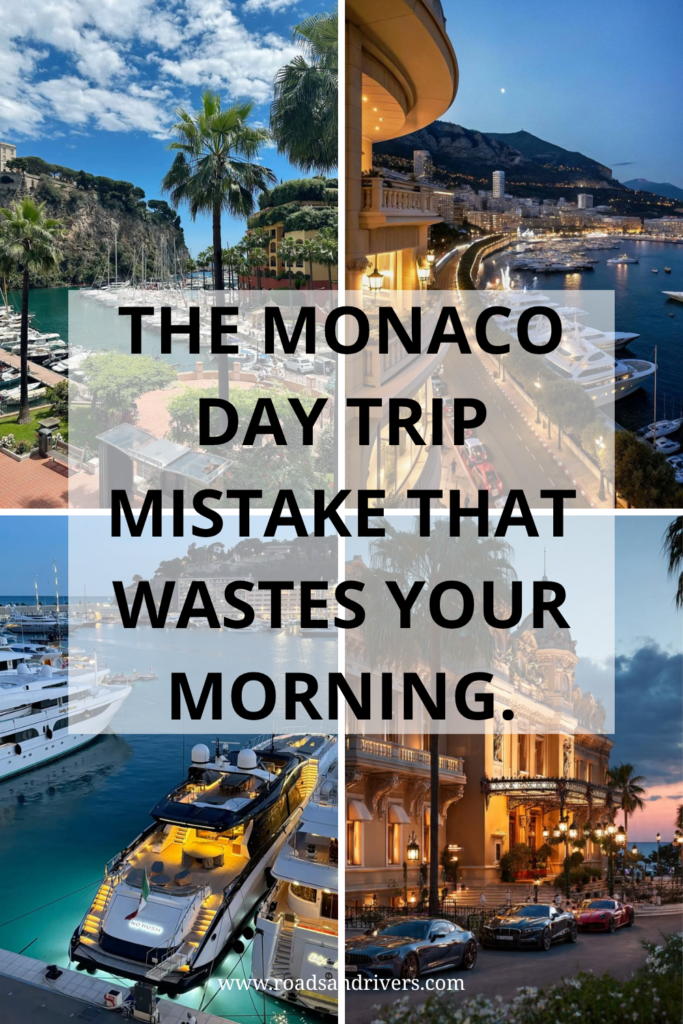
Starting at Casino Square.
Everyone wants to see Casino Square first. The Grand Casino, the Hotel de Paris, the Ferraris parked outside — it’s the image you came for, and it pulls you straight off the train. The problem: tour buses arrive here early and by 10 AM the square is packed. If you start there, you spend your best morning hours fighting crowds at the most congested spot in Monaco.
The better approach: start at the top.
Head straight to Monaco-Ville (the old town on the Rock) first thing in the morning. At 9 AM, it’s quiet, cool, and completely different from what arrives later in the day. Walk through the medieval lanes, visit the Prince’s Palace square for the changing of the guard at 11:55 AM (daily, free), and take in the view from the cathedral gardens. Come down to Casino Square mid-morning when you’re ready for it — and by then you’ll have already seen Monaco’s best side.
The second mistake: trying to eat lunch near Casino Square. The restaurants immediately surrounding the casino trade entirely on location. Two blocks down toward the port, prices drop and quality increases. Walk before you sit.
Pro tip: The Monaco Grand Prix runs the first weekend of June from 2026 onward. If you visit during race weekend, the atmosphere in the streets is electric and giant screens broadcast the race — even without a ticket. But expect traffic, crowds, and prices well above normal.
Monaco Day Trip: Your Hour-by-Hour Plan
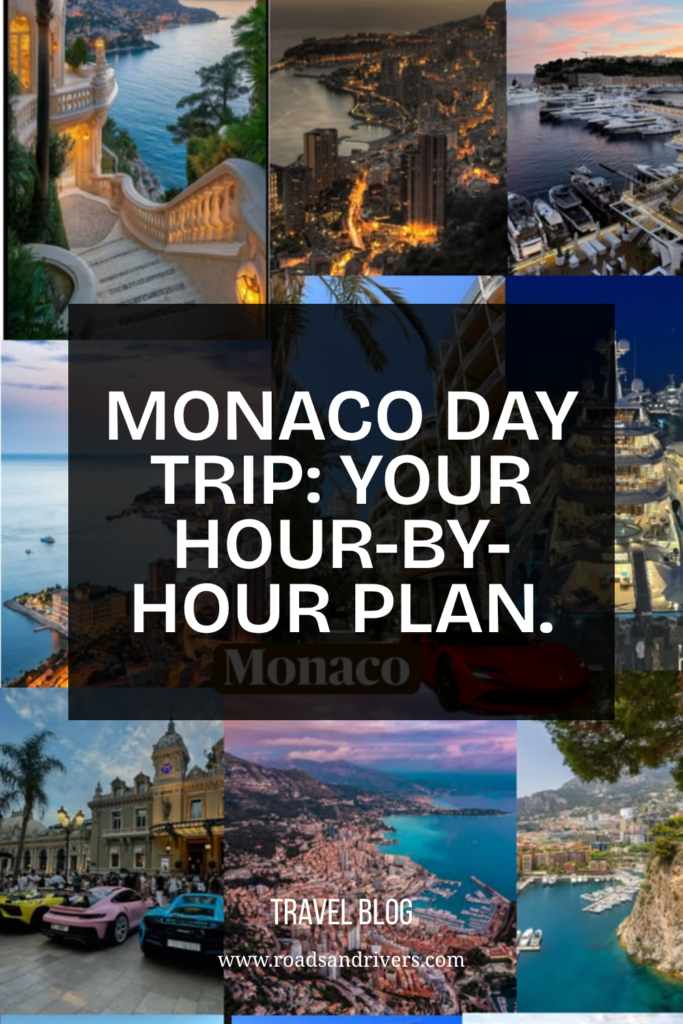
9:00 AM — Arrive and head to Monaco-Ville
Take the early train from Nice. Walk or take the local bus up to the Rock. Start at the Prince’s Palace square and the Saint-Nicholas Cathedral (burial place of Princess Grace Kelly). The old town streets here are narrow, pastel-colored, and genuinely beautiful. Very few crowds at this hour.
10:00 AM — Oceanographic Museum
The Oceanographic Museum sits at the edge of the Rock with views straight down to the sea. It was directed by Jacques Cousteau for more than three decades and houses one of the most impressive marine aquariums in Europe. Allow 60–90 minutes.
11:55 AM — Changing of the Guard at the Prince’s Palace
A ten-minute ceremony that happens every day at exactly 11:55 AM. Free to watch from the square outside.
12:30 PM — Lunch near Port Hercule
Come down from the Rock to the harbor. Port Hercule is Monaco’s largest port, lined with superyachts and cafés. Quai Albert I is the main waterfront promenade — ideal for boat-spotting and photos. Eat here, not near the Casino. Food prices are more reasonable, and the view of the yachts is part of the meal.
2:00 PM — Casino Square and Monte-Carlo
Now the Casino Square. The Grand Casino, inaugurated in 1863 and designed by Charles Garnier (the same architect as the Paris Opéra), is worth seeing for the exterior alone. The facade, the sculpted ironwork entrance, the parade of luxury cars outside — this is Monaco doing exactly what Monaco does. Casino entry costs a fee for the gaming rooms, but the ornate entrance foyer and terrace are accessible freely.
Walk through the surrounding streets — the Hotel de Paris, the Café de Paris terrace, the Hermitage Gardens — and take your time. This neighborhood is Monaco at its most theatrical.
4:00 PM — Jardin Exotique or La Condamine
If you have the energy: the Exotic Garden of Monaco (Jardin Exotique), which reopened in March 2026 after a six-year closure, sits at the top of the principality with panoramic views and over 1,000 species of succulent plants. Or head down to La Condamine — Monaco’s working market quarter, far less polished than Monte-Carlo, and the closest thing to an everyday neighborhood the principality has.
5:30 PM — Sunset views, then train back to Nice
Catch the last light before heading back. Trains back to Nice run until nearly midnight, so there’s no rush.
The Monaco View Everyone Posts But Nobody Credits
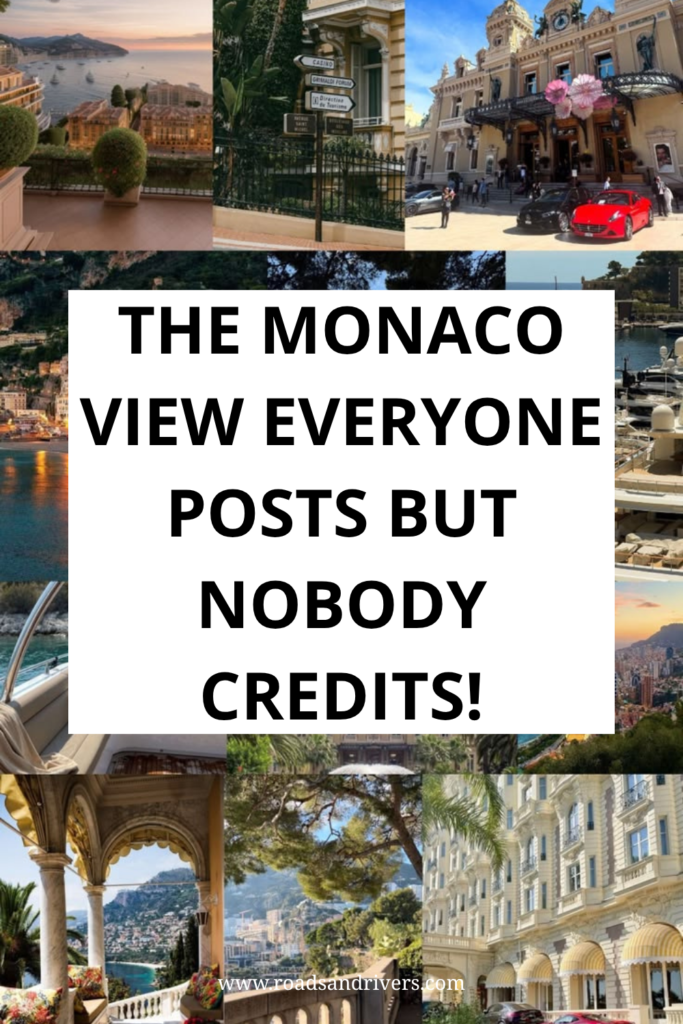
You’ve seen it in travel photos without knowing where it was taken. The harbor full of superyachts below, the densely stacked apartment buildings climbing the cliff face, the Mediterranean stretching out behind it — all of it compressed into one vertical panorama.
That view is from the terrace gardens on the Rock, looking down and across Port Hercule toward Fontvieille. It’s entirely free to reach, takes about five minutes to walk from the Prince’s Palace, and appears in roughly half of all Monaco travel photography on the internet. Almost nobody names the specific spot.
From Casino Square itself, walk up to the old town. Once you’re on the Rock, follow the Saint-Martin Gardens — a long, terraced public garden along the southern edge of the Rock — and look north toward the harbor. The view reveals itself gradually as you walk. It’s best in the afternoon when the light comes from behind you.
The second most posted view: the Casino Square from the Hotel de Paris steps, looking down across the fountain and the parked supercars to the sea. That one’s harder to get without a crowd in it. Early morning is your window.
Read more: Stop Overpaying: 7 Best Things to Do in Montmartre
Only One Day for Monaco? Make Every Hour Count
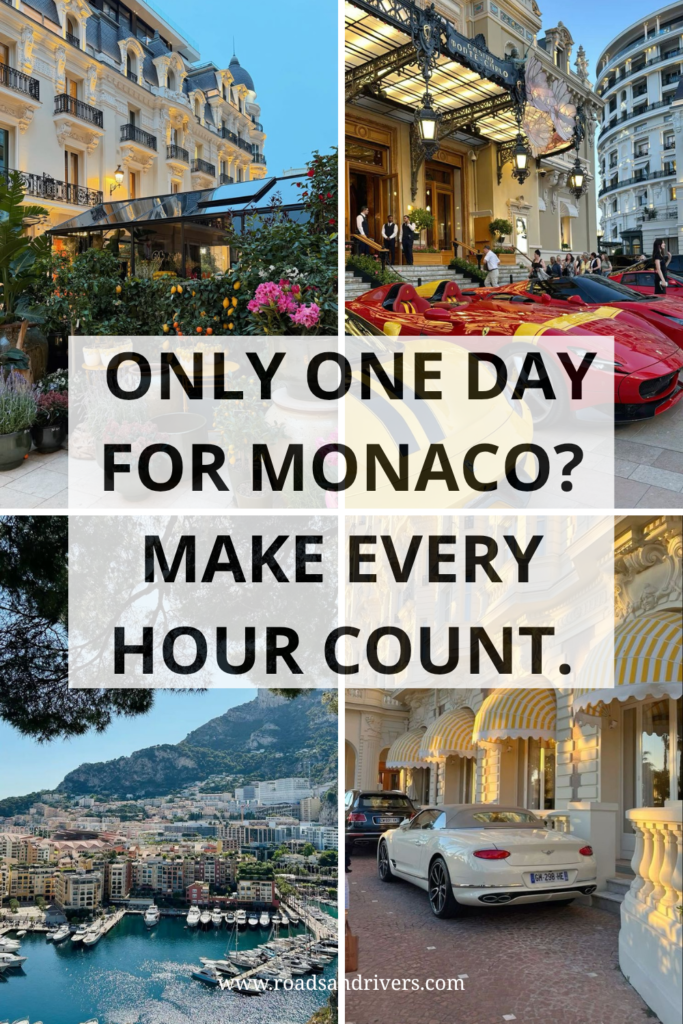
Monaco is small enough that wasted time stings more than anywhere else. Here’s what actually earns its place in a single day:
Worth it:
- Monaco-Ville (the Rock) at 9 AM before anyone else arrives
- Port Hercule at lunchtime — the superyachts, the light, the cafés
- Casino Square in the early afternoon (the view, not necessarily the casino interior)
- Walking sections of the Formula 1 circuit — it’s just the road, but standing on the hairpin at Rascasse where the cars turn six inches from the barriers is genuinely strange and wonderful
- The Saint-Martin Gardens for the harbor view
Skip if time is tight:
- The Exotic Garden is beautiful but takes 60–90 minutes and is at the top of the principality — a bus ride away from everything else
- The casino interior (there’s an entry fee, dress code, and no phones allowed in the gaming rooms)
- Shopping — Monaco’s boutiques are the same as everywhere else on the Riviera, only more expensive
The Formula 1 circuit point: The Monaco Grand Prix is the most famous race on the calendar, and the circuit runs entirely on public roads. On a normal day you can walk or drive the course. Standing on the tunnel exit, the chicane, or the famous hairpin where Rascasse turns is something Formula 1 fans won’t regret, and it costs nothing.
Read more: The Ultimate 4-Day London Itinerary for Every Type of Traveler
A Single Day in Monaco Felt Like a Film
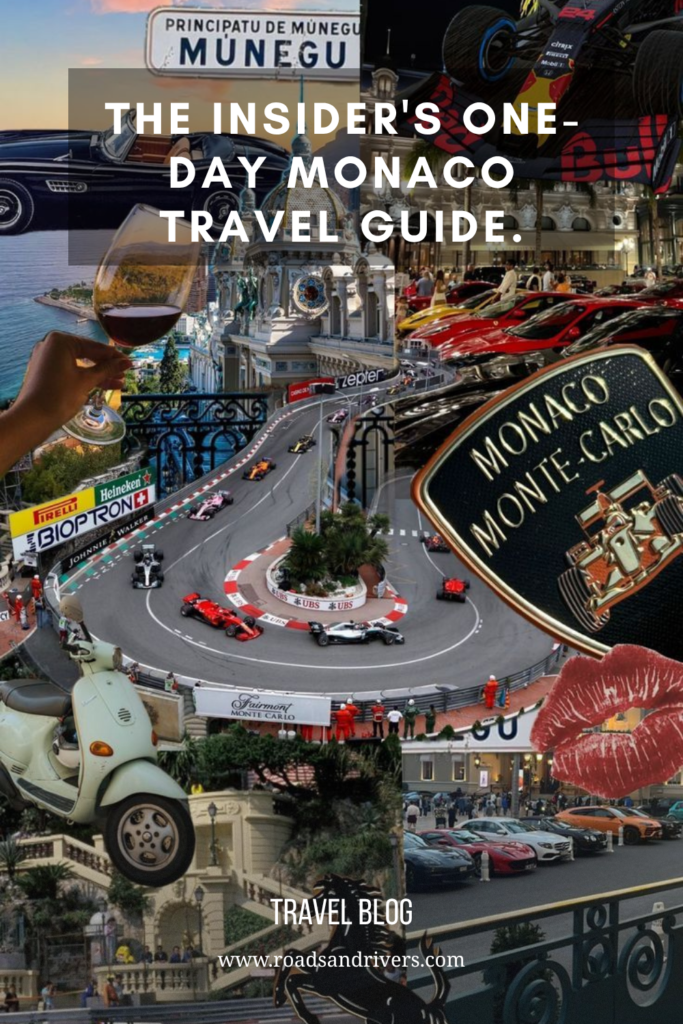
There’s a reason Monaco appears in so many films, and it’s not just the casino. The place has a visual quality that doesn’t require any work. Every corner provides a composition: the pastel facades of Monaco-Ville against the sea, the Grand Casino lit gold in the afternoon sun, the harbor lined with superyachts twice the height of the dock buildings beside them, a red Ferrari idling outside the Hotel de Paris while a man in a suit checks his watch.
Walking through it — especially that first morning hour before the tour buses arrive — genuinely does feel like stepping into a production. The roads are impeccably clean. The flowers in the roundabouts are replaced regularly. The cars parked outside the Grand Casino on any given afternoon collectively cost more than most apartment buildings.
None of this requires you to spend any of it. The best things about Monaco — the views, the streets, the harbor walk, the old town, the Formula 1 circuit — are all free. A day trip from Nice for €80 all-in is completely achievable and covers everything worth seeing.
The key is the morning. Get there early, go up to the Rock first, walk the harbor at lunchtime, and arrive at Casino Square in the early afternoon when the light hits the Belle Époque facade at its best angle. By 5 PM, when the day-tour groups are heading back to their buses, the city shifts back into its quieter mode. That last hour before your train is often the best one.
Is a Day Trip to Monaco Actually Worth It?
Unambiguously yes — if you’re already on the French Riviera.
Monaco is 20 minutes from Nice by train for €4–7 each way. There is no other independent country in the world you can visit this affordably and this easily. The principality punches well above its two-square-kilometer size in terms of things to see, and almost all of the visual highlights — the harbor, the Rock, the Casino façade, the old town streets, the Formula 1 circuit — are free or nearly free to experience.
What Monaco is not: a place to spend money on food, drinks, or retail if you’re on a budget. Prices at tourist-facing restaurants on Casino Square are among the highest in Europe. Two coffees at the Café de Paris will cost what a decent restaurant lunch costs in Nice. Budget accordingly: eat well before or after Monaco, and plan your Monaco meals strategically.
The day trip version of Monaco is the honest version. You see everything, you walk the streets that most people only see in race footage or film trailers, you understand exactly what makes the place both absurd and magnetic — and then you get on a train back to Nice for dinner.
Pro tip: The best Monaco photos are taken in the first two hours of the morning and the last two before sunset. Midday light is flat and the crowds are heaviest. If you can only pick one window, go early.
Read more: The Perfect 7-Day Switzerland Itinerary by Train in 2026
Key Takeaways
- One day is genuinely enough for Monaco — the principality is 2 square kilometers and walkable
- Base yourself in Nice (€4–7 train, 20–25 min) rather than paying Monaco’s hotel rates
- Start at Monaco-Ville on the Rock first thing — the crowds arrive later and the views are best early
- The changing of the guard at the Prince’s Palace is free, daily, at exactly 11:55 AM
- The most posted Monaco view (harbor from the Rock) is free and takes five minutes to reach
- The Monaco Grand Prix circuit runs on public roads — walk or drive it any day for free
FAQ
Do you need a passport to visit Monaco?
No passport is required for EU and Schengen zone visitors. Monaco is not an EU member but operates within the Schengen Area, so travelers moving between France and Monaco cross freely without border checks or passport control. Non-Schengen visitors (including US, UK, Canadian, and Australian citizens) should carry their passport as standard travel documentation but typically face no formal checks on the French–Monaco border.
How much does a day trip to Monaco cost?
A realistic day trip from Nice costs around €80 per person. This covers a return train ticket (€8–14 round trip), a casual lunch near the harbor (€20–30), two coffees (€6–10), and entry to one paid attraction such as the Oceanographic Museum (around €20). The Grand Casino, the harbor walk, the old town, the Formula 1 circuit, and the Saint-Martin Gardens all cost nothing. The main expense drivers are restaurant choices — prices near Casino Square are significantly higher than anywhere else.
Is Monaco worth visiting for just one day?
Yes. Monaco is compact enough that a well-planned day covers all the major highlights: the Prince’s Palace area, the old town, Port Hercule, Casino Square, and the Formula 1 circuit. The key is organizing the day by neighborhood rather than by a list, and starting at the Rock in the morning before the day-tour groups arrive. A single day in Monaco doesn’t feel rushed if the hours are used well.
What is Monaco famous for besides the casino?
The Monaco Grand Prix — one of Formula 1’s most iconic races, run on public streets through the principality — is arguably as famous as the casino. Monaco is also known for the Oceanographic Museum (directed by Jacques Cousteau for over 30 years), the Prince’s Palace and the Grimaldi royal family, Port Hercule and its concentration of superyachts, and the Belle Époque architecture of Monte-Carlo. Princess Grace Kelly, who became Princess of Monaco in 1956, remains one of the principality’s most iconic historical figures.
When is the best time to visit Monaco?
April through June and September through October offer the best combination of warm weather and manageable crowds. July and August are peak summer months — very busy and very expensive. June brings the Monaco Grand Prix (first weekend of the month from 2026 onward), which adds an electric atmosphere but also significantly higher prices and crowds. November through March is the quietest and cheapest period, with mild winters by European standards.
Have you done a day trip to Monaco and found a spot worth knowing about? Tell us in the comments — especially the views, the cars, and the hidden lunch spots that didn’t cost a Grand Prix ticket.