Hiking is about being prepared. The difference between a miserable day on the trail and a genuinely great one isn’t your fitness level. It’s knowing you’ve packed the right gear.
If you’ve ever started a hike feeling anxious, worried you’ve forgotten something critical, or ended up uncomfortable and wishing you’d brought different items, you’re not alone. This post fixes that. We’re covering the 10 essentials every hiker (especially women) should carry—no matter if you’re doing a casual day hike or tackling something more ambitious.
Let’s get you ready to hit the trail feeling confident.
The Truth About Hiking Essentials (Why These 10 Matter)
Why Most Hikers Feel Stressed
You know that moment when you’re halfway up a trail and the sun starts setting faster than you expected? Or when you step on a rock and twist your ankle slightly, and you’re wondering if you have what you need to handle it?
That’s stress. And it’s completely avoidable.
Most people overpack random items or, worse, underpack and hope for the best. Neither strategy works. The 10 essentials framework—which experts have been refining since the 1930s—exists for one reason: to keep you safe, comfortable, and actually enjoying yourself outdoors.
You don’t need a 60-pound backpack. You don’t need fancy gear that costs hundreds of dollars. You need the right 10 things. That’s it.
What the 10 Essentials System Really Is
The 10 essentials aren’t 10 specific items. They’re 10 systems or categories of gear that cover every scenario you might face on a hike. The original list was created in the 1930s by The Mountaineers, a Seattle-based climbing organization, and has evolved from a rigid checklist into a flexible “systems” approach.
This means you choose items that fit your specific trip. A short day hike looks different from a longer adventure, and that’s okay.
The best part? When you pack the right essentials, you can actually relax and enjoy the trail instead of worry the whole time.
Essential #1–#3: Navigation, Headlamp & Sun Protection
Navigation (Map, Compass & GPS)
You might think your phone’s GPS is enough. Here’s the reality: batteries die. Signal vanishes. Cold temperatures drain power fast.
Carry a paper map and compass as your backup. You don’t need to be an expert at using them, but you should know the basics. If you like tech, a GPS device or dedicated hiking app is great as an extra layer. Just never rely on it alone.
Pro tip: Take a photo of your map on your phone. Now you have two digital backups, and the paper version stays dry in a pocket.
Headlamp (Because Darkness Comes Fast)
Here’s what happens on almost every beginner’s first hike: they lose track of time. Suddenly it’s dusk. Then it’s actually dark, and they’re scrambling down a trail with nothing but their phone flashlight.
Bring a lightweight headlamp with extra batteries. LED headlamps are cheap and last forever. Test it before you leave home so you know it works.
You likely won’t need it. But when you do need it, you’ll be thrilled you have it.
Sun Protection (Sunscreen, Shades, Layers)
Sun damage isn’t just about getting a sunburn on the day. It’s cumulative. Over time, excessive sun exposure can lead to premature skin aging, skin cancer, and even cataracts.
Wear sunscreen starting one hour before your hike, and reapply every couple of hours. Pack sunglasses (especially important if you’re hiking on snow or at altitude). Bring an extra lightweight layer even on warm days—weather changes, and sun protection includes staying cool when it gets hot.
Essential #4–#6: First Aid, Insulation & Fire
First Aid Kit (Blisters Happen)
A blister can turn a great hike into misery. Your first aid kit doesn’t need to be huge—just practical.
Pack blister patches (these are game-changers), pain relievers like ibuprofen, alcohol wipes, antibiotic ointment, and a few bandages. If you’re prone to specific issues (allergies, headaches), add medication for those. Keep it lightweight and compact in a small stuff sack.
The mental relief of having first aid supplies is worth more than the ounces it adds to your pack.
Extra Clothing Layers (Weather Shifts Fast)
Weather in the mountains can change in minutes. A sunny morning becomes an afternoon downpour. A warm valley trail gets chilly at higher elevation.
Pack extra layers beyond what you think you’ll wear. A lightweight fleece, a puffy jacket, or even a space blanket takes up almost no space. Avoid cotton (it holds moisture). Choose merino wool or synthetic materials that dry fast and keep you warm even when damp.
This is the one thing you hope to never use. But if a storm rolls in or you get delayed, those layers become essential.
Fire Starter (And Emergency Shelter)
Keep waterproof matches and a lighter in your pack. In an emergency where you’re stranded longer than expected, a fire can keep you warm and signal for help.
Similarly, carry an emergency shelter option. This doesn’t mean a tent. A lightweight emergency bivy, a tarp, or even a reflective mylar space blanket weighs almost nothing and takes up almost no room. It’s insurance you hope to never cash in.
Essential #7–#10: Nutrition, Hydration, Repair Kit & Knife
Food and Water (Fuel Your Adventure)
Your body burns massive amounts of calories hiking. Hikers can burn well over 400 calories per hour, and using up to 28% more energy when hiking on uneven terrain versus flat surfaces.
Bring more food and water than you think you’ll need. Pack lightweight, calorie-dense snacks: trail mix, energy bars, dried fruit, nut butter packets. Bring at least one extra day’s worth of food in case your hike takes longer than planned.
For water, plan for about half a liter per hour in moderate temperatures. Bring a reusable water bottle or hydration bladder. If you’re hiking near water sources, carry a lightweight water filter or purification tablets.
Repair Kit and Knife (Fix Problems on the Fly)
A small multi-tool or pocket knife is invaluable. Use it to cut blister pads, repair gear, or prepare food.
Pack a tiny repair kit with a few pieces of duct tape (wrap it around a pencil to save space), a couple of zip ties, and maybe a small sewing needle and thread. These items weigh nearly nothing but can fix a broken tent strap, a split in your shoe, or torn gear.
The Gear That Actually Works for Women
Backpack Fit Matters More Than Size
Most beginners make the mistake of grabbing whatever backpack is available. Then they spend hours with straps cutting into their shoulders and the pack bouncing against their back.
For day hikes, aim for a 20–30 liter pack with a women’s-specific fit. Women’s packs have narrower shoulder straps and are shaped differently than men’s packs. The difference is dramatic. Your back and shoulders will thank you.
Look for packs with a ventilated back panel to keep you from sweating excessively. Padded hip straps distribute weight to your hips (where your body is stronger) rather than your shoulders.
Don’t just buy the cheapest option. Try it on. Walk around the store with it. A properly fitting pack makes the entire experience better.
Hiking Boots vs. Shoes (What Really Works)
This isn’t one-size-fits-all. Your choice depends on terrain, distance, and personal preference.
Hiking boots provide ankle support and protect your feet on rocky, uneven ground. Hiking shoes are lighter and more comfortable for casual trails. For beginners, either works—it’s more important that they fit well, have good grip, and keep your feet comfortable.
Pro tip: Buy hiking-specific socks (merino wool or synthetic blends) in the same size as the footwear you’re planning to wear. Friction and blisters come from poor fit, not hiking itself.
Trekking Poles: Game-Changer or Gimmick?
Trekking poles reduce impact on your knees and distribute effort across your upper body. Trekking poles increase stability and efficiency, assist when navigating obstacles, and take pressure off your legs and knees while giving you an upper-body workout.
On steep or rocky terrain, they’re genuinely helpful. On flat, easy trails, they’re optional. If you’re just starting out, you don’t need them immediately. But if you find yourself hiking regularly, consider adding lightweight carbon poles.
Packing Smart: Weight, Organization & Style
The Weight Myth (You Don’t Need to Carry Heavy)
Beginners often think they need to pack tons of gear. Then they end up exhausted and swearing they’ll never hike again.
You don’t need to be a ultralight backpacker obsessing over ounces. But being intentional about weight makes a massive difference in enjoyment. A 15-pound pack feels completely different from a 30-pound pack.
Ask yourself: Will I actually use this? If the answer is “maybe” or “probably not,” leave it behind. Pack lighter, and you’ll hike farther, feel better, and actually want to do it again.
Organization Hacks That Save Your Sanity
Use packing cubes or small stuff sacks to organize gear by category. Keep snacks together. Keep first aid supplies together. Keep layers together.
This saves you from digging through your entire backpack searching for one thing while standing on a trail in the heat.
Pack heavier items low and closer to your back. Pack lighter items on top. Your pack should feel balanced and secure, not lopsided.
Can I Look Cute While Hiking?
Absolutely. Hiking fashion is totally a thing now, and it’s not just performance gear.
Wear hiking clothes that make you feel good. Choose colors that matter to you. Pair your technical leggings with a cute top. Wear that bandana. Style matters for a reason: when you feel good in what you’re wearing, you’re more likely to get outside and do it again.
You can look great while hiking by choosing tops without shoulder seams (which irritate your skin under a pack), comfortable breathable leggings, and footwear that actually fits.
Common Mistakes Beginners Make (And How to Avoid Them)
What If I Get Lost?
Having a map, compass, and headlamp means you’re not lost—you’re just temporarily disoriented. Take a moment. Pull out your map. Look at the terrain. Most “lost” situations resolve once you stop panicking and think clearly.
Tell someone where you’re hiking and when you expect to return. Take a photo of the trailhead sign. Download an offline map app as backup.
Should I Bring Bear Spray?
In most places, you don’t need bear spray. Bears typically hear you coming and leave before you even see them. Most animals hear you coming and take off before you even see them, and most animals rarely come close to hikers.
That said, know the wildlife in the area you’re hiking. Research before you go. If bears are a genuine concern, learn how to use bear spray properly and carry it.
How Much Water Should I Actually Bring?
A basic guideline: half a liter of water per hour of hiking in moderate temperatures. If it’s hot, you’ll drink more. If it’s cool, potentially less.
Carry more than you think you’ll need. Running out of water is genuinely uncomfortable. Stopping at water sources along the trail helps, but only if you’ve researched where those sources are beforehand.
I’m Not Fit Enough to Hike
This stops most people before they even start. Here’s the secret: you don’t need to be fit to hike. You get fit by hiking.
Start with easy, short trails. Build from there. Your body will adapt faster than you think. And you’ll have fun doing it.
Master Your Preparation
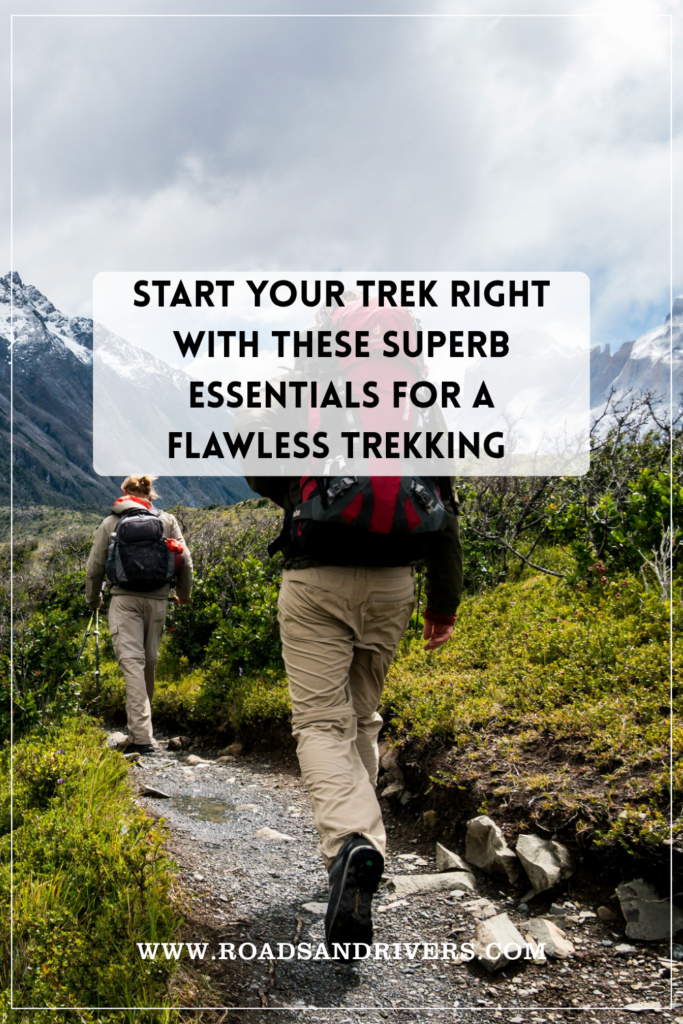
[IMAGE PLACEMENT: 60.png – “Sharp picks for epic trekking” graphic]
The difference between a stressful hike and a genuinely great one isn’t luck or athleticism. It’s preparation.
Pack these 10 essentials. The American Hiking Society recommends everyone pack the Ten Essentials every time they head out for a hike, whether the trip is just a couple of hours or several months.
Start with an easy trail near home. Practice packing your gear. Get comfortable with your backpack and boots. Then push a little farther.
You might also consider reading how to organize your gear efficiently—managing your space helps ensure you have what you need without unnecessary weight dragging you down.
The trails are waiting. You’ve got this.
Save this post. Share it with a friend who’s been thinking about hiking. And then go get on a trail.