Saudi Arabia is 2026’s most surprising travel destination — and that is not a headline designed to grab clicks. It is what first-time visitors actually say when they come back.
The country only opened its doors to leisure tourists in 2019. Before that, the only way in was a work permit, a hajj visa, or an invitation. So when travelers started arriving for the first time, they expected something they had heard about for decades: conservative, strict, unwelcoming to outsiders. What they found instead was ancient desert landscapes that rival Petra, luxury resorts carved into rose-red canyons, medieval souks full of incense and hammered copper, and locals who went out of their way to help.
This Saudi Arabia travel guide covers everything a first-time visitor needs to know — from visas and dress codes to AlUla, Riyadh, and the holy cities. No fluff. Just what it is actually like to travel here.
Quick-Reference Info Box
Best time to visit: November–March (mild temperatures, 15–25°C in most regions)
Average daily budget: $80–$150 USD (mid-range); $50–$80 (budget-conscious)
Getting there: Direct flights from most major hubs via Saudia, flynas, or Emirates/Qatar Airways connections
Visa: e-Visa available online for 60+ nationalities; valid for 1 year, multiple entries
Days needed: 7–10 days minimum to cover Riyadh + AlUla or Jeddah
Currency: Saudi Riyal (SAR); 1 USD ≈ 3.75 SAR
The 5 Saudi Arabia Travel Myths You Need to Drop Before You Go
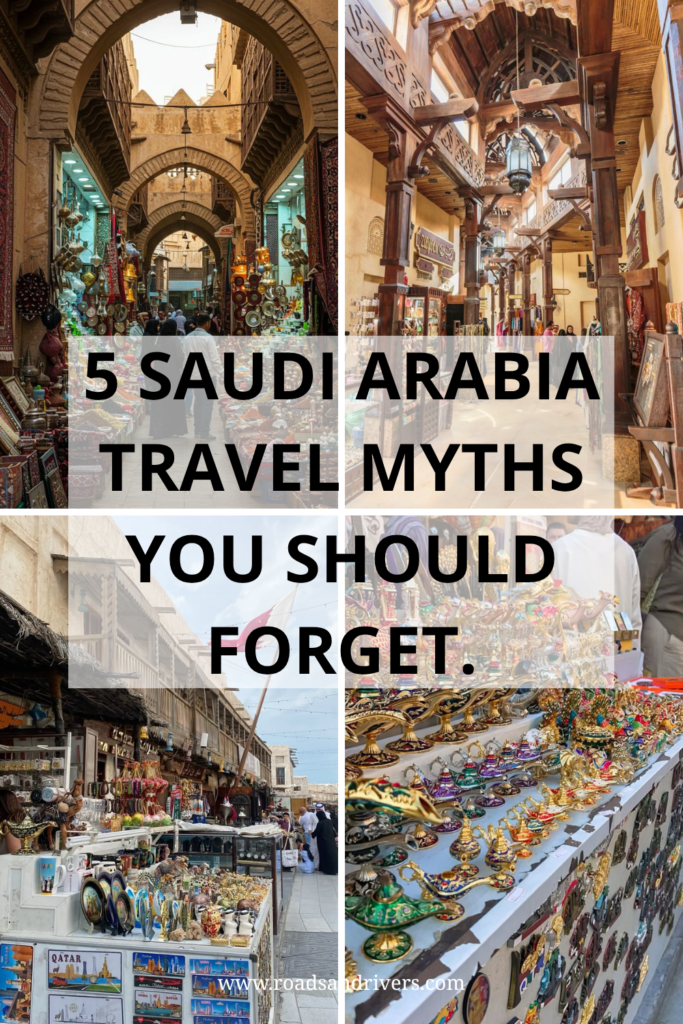
Before getting into the practical guide, these are the misconceptions that hold travelers back from booking. All five come up in almost every conversation about visiting Saudi Arabia.
Myth 1: Saudi Arabia is not open to tourists. It is. The tourist e-Visa launched in 2019 and covers citizens of over 60 nationalities. The application takes minutes online. You do not need a sponsor, a letter of invitation, or a reason for visiting beyond wanting to be there.
Myth 2: Women must be covered head to toe. Female tourists are not required to wear an abaya (the full-length robe) as of 2019. Modest dress is expected — shoulders and knees covered in public spaces — but the rules are similar to what you would follow in a conservative Muslim country anywhere. In tourist areas, the atmosphere is noticeably relaxed.
Myth 3: There is nothing to see beyond the cities. AlUla alone could occupy a full week. The country has ancient Nabataean ruins at Hegra (a UNESCO World Heritage site), dramatic sandstone formations, red sand dunes, and a coastline along both the Red Sea and the Arabian Gulf.
Myth 4: It is too expensive for regular travelers. Riyadh and Jeddah have budget-friendly options — local restaurants serve full meals for under $5, the metro in Riyadh is cheap and efficient, and domestic flights are affordable. AlUla tends toward higher-end accommodation, but camping and mid-range guesthouses exist.
Myth 5: It is unsafe or unwelcoming. Saudi Arabia consistently ranks as one of the safest countries in the region for tourists. Violent crime against visitors is extremely rare. Most first-timers report being surprised by how warm and genuinely hospitable locals are.
What Actually Surprises First-Time Visitors Most
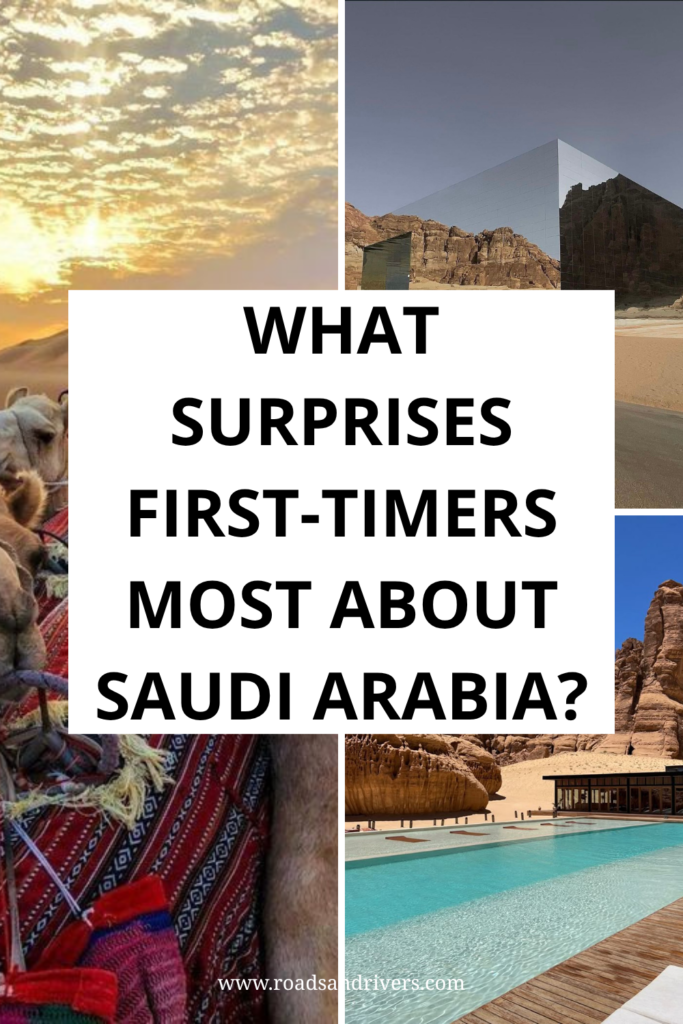
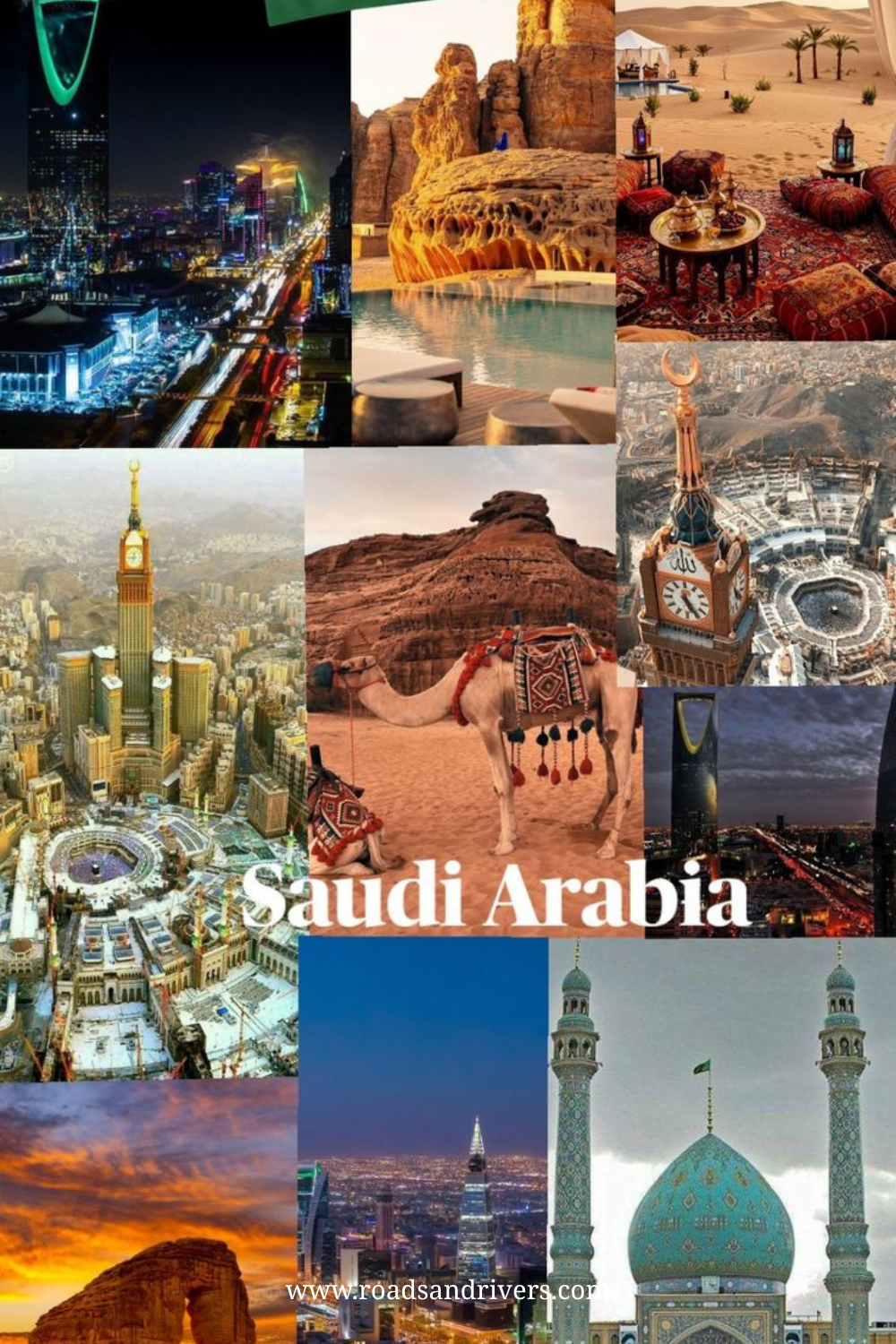
The biggest shock for most visitors is how modern and complex the country is. Riyadh is a gleaming city of skyscrapers, rooftop restaurants, and international food chains — but turn a corner and you are in a centuries-old date market. AlUla has a five-star resort built into a sandstone canyon, but a few kilometers away, two-thousand-year-old Nabataean tombs sit in near-total silence.
The second biggest surprise is the hospitality. Saudis will stop you on the street to give directions. Shopkeepers press dates and tea on visitors with no expectation of a purchase. The cultural tradition of generosity toward guests is very real.
Third: the food. Saudi cuisine is genuinely underrated on the international travel circuit. Kabsa (slow-cooked rice and meat), jareesh (crushed wheat with lamb), and mutabbaq (stuffed pancakes) are comfort food at a level that stays with you long after you leave.
Saudi Arabia Was Nothing Like I Expected: An Honest First-Timer’s Take
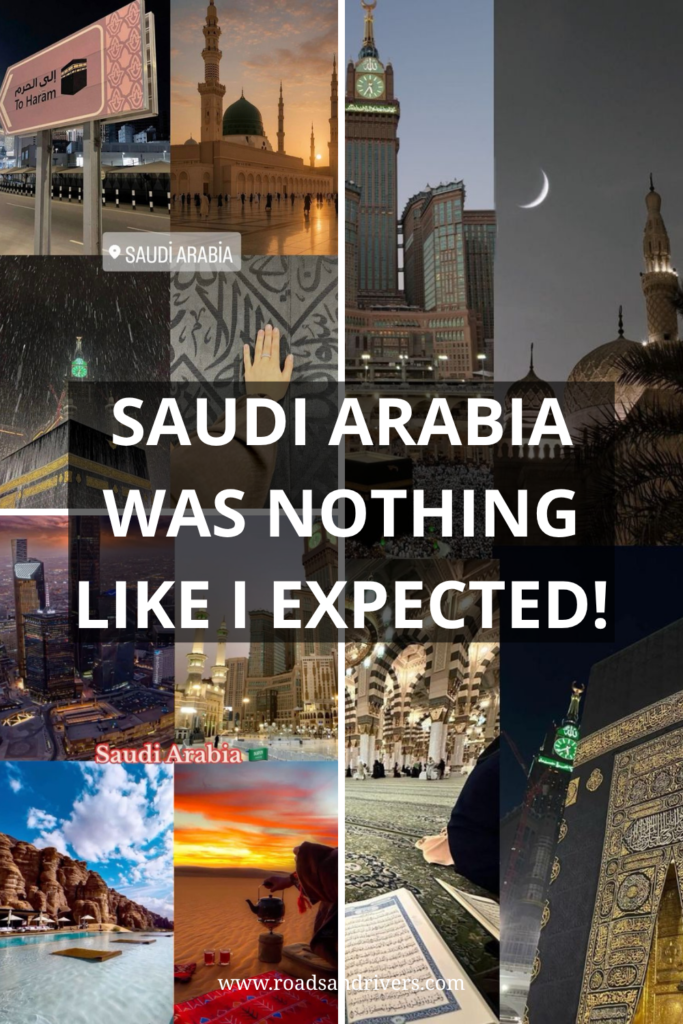
Traveling to Saudi Arabia for the first time means walking into a place where your assumptions rarely survive contact with reality.
The country is simultaneously ancient and aggressively modern. Riyadh’s King Abdullah Financial District looks like a city from a science fiction film, while the old district of Diriyah — a mud-brick UNESCO site on the city’s edge — looks like it has not changed in three centuries. Both are worth your time, and they are 20 minutes apart by car.
The religious dimension of the country is visible and genuine. Prayer times structure the day — shops close briefly, the call to prayer sounds across every city, and during Ramadan the atmosphere shifts completely. Non-Muslim visitors are welcome to observe, ask questions, and participate in the cultural side of this. Non-Muslims cannot enter Mecca or Medina (these cities are restricted to Muslims), which is one of the most important logistical facts for any first-timer to understand from the start.
Pro tip: Plan your Saudi trip outside of Ramadan if possible. While Ramadan is a fascinating cultural experience, restaurant hours and business operations are significantly restricted during daylight hours.
The Places You Actually Need to Visit
Riyadh: The Capital That Surprises Everyone
Saudi Arabia’s capital is not on most travelers’ shortlists. It should be.
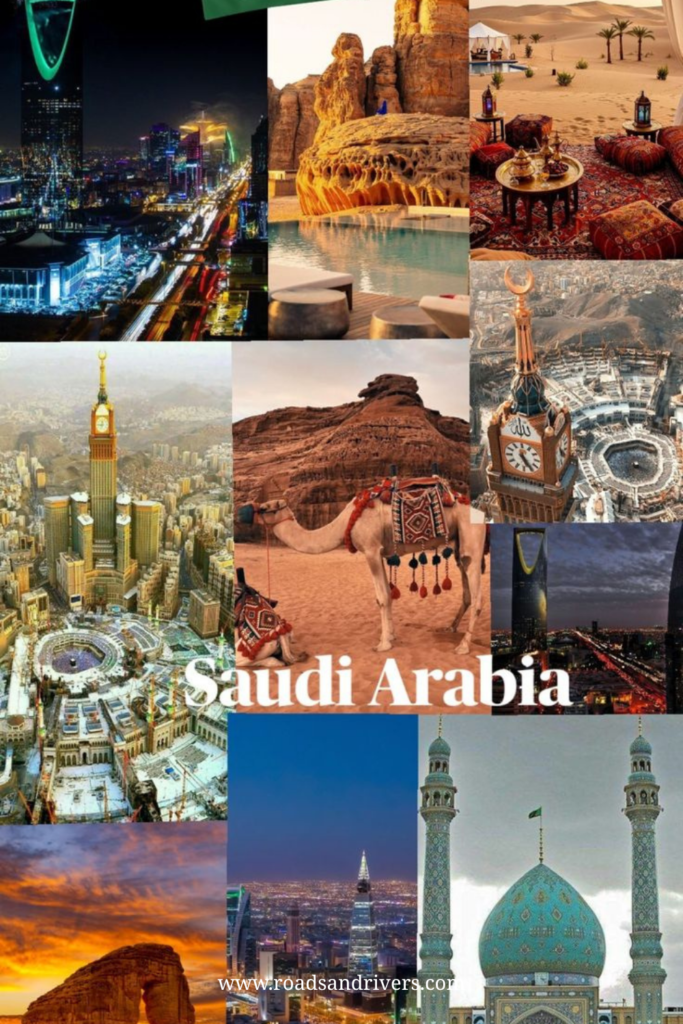
Start in Diriyah, the original home of the Saudi royal family and now a carefully restored mud-brick old town on the edge of the city. The At-Turaif district here is a UNESCO World Heritage site and one of the most atmospheric places in the entire country. Walk its alleyways at golden hour and it is hard to believe you are within 20 minutes of a modern metropolis.
The National Museum of Saudi Arabia in Riyadh is one of the best in the region — eight galleries covering everything from pre-Islamic civilizations through to the modern kingdom. Budget a half-day here.
The Kingdom Centre Tower is the city’s most recognizable landmark. The sky bridge at the top offers views across a city that sprawls endlessly in every direction — a reminder of just how large Riyadh actually is.
Pro tip: The Riyadh metro is clean, cheap, and covers the main tourist areas. It has separate cars for families and single women. Use it.
AlUla: Saudi Arabia’s Most Breathtaking Region
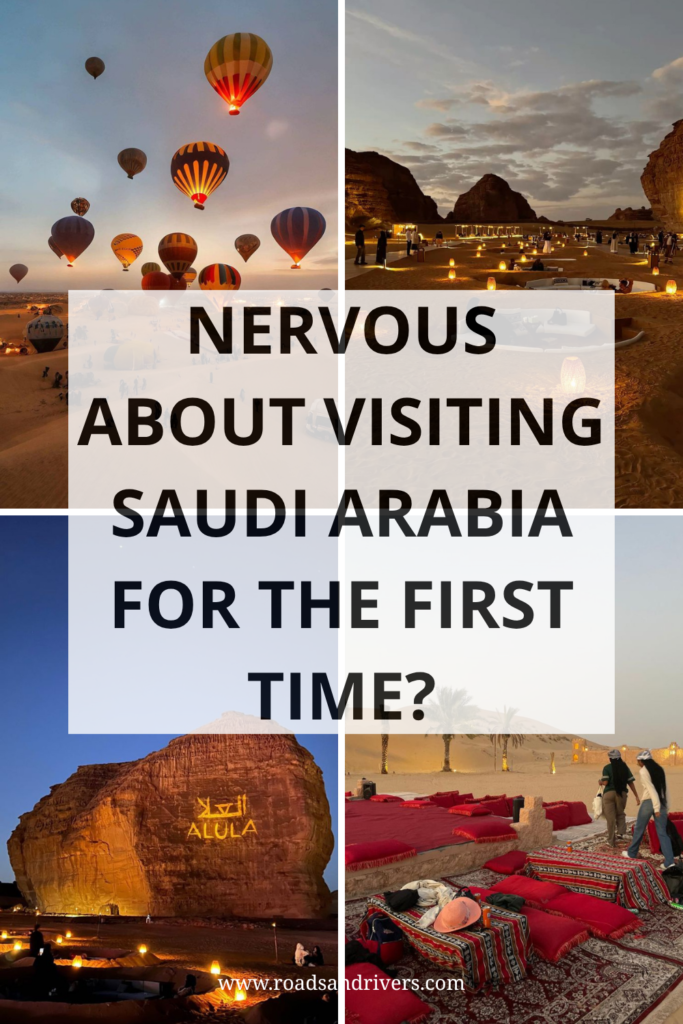
If Saudi Arabia has one destination that converts skeptics, it is AlUla.
This ancient oasis valley in the northwest of the country contains Hegra — Saudi Arabia’s first UNESCO World Heritage site, sometimes called the “sister city of Petra.” The Nabataean tombs here are carved directly into rose-colored sandstone cliffs, perfectly preserved in the dry desert air. You can walk among them on a guided tour.
Beyond Hegra, the landscape itself is extraordinary. Jabal AlFil (Elephant Rock) is a natural sandstone formation the size of a building. The mirrored-cube hotel (Maraya) — the world’s largest mirrored building — reflects the entire canyon around it in a way that genuinely stops you in your tracks.
Hot air balloon flights over AlUla at sunrise are one of the best travel experiences available in the Middle East right now. Book well in advance during the high season (November–March).
Read more: If you are building a wider Middle East trip, the 3 Days in Dubai: The Perfect Itinerary for First-Time Visitors pairs naturally with a Saudi leg.
Jeddah: History, Seafood, and the Red Sea
Jeddah is Saudi Arabia’s second city and its gateway to the Red Sea. The historic district of Al-Balad — a UNESCO World Heritage site — is a maze of coral-stone buildings with elaborately carved wooden screens (rawasheen) hanging over the alleyways. It is one of the most visually distinctive old towns in the entire Arabian Peninsula.
The Jeddah Corniche stretches along the waterfront and is where locals come to walk, eat, and watch the world’s tallest fountain shoot water 300 meters into the sky. The seafood here is excellent and surprisingly affordable compared to the rest of the city.
Jeddah is also the main entry point for travelers visiting Mecca and Medina. Muslim visitors traveling specifically for Umrah or Hajj enter through King Abdulaziz International Airport and head directly to the holy cities.
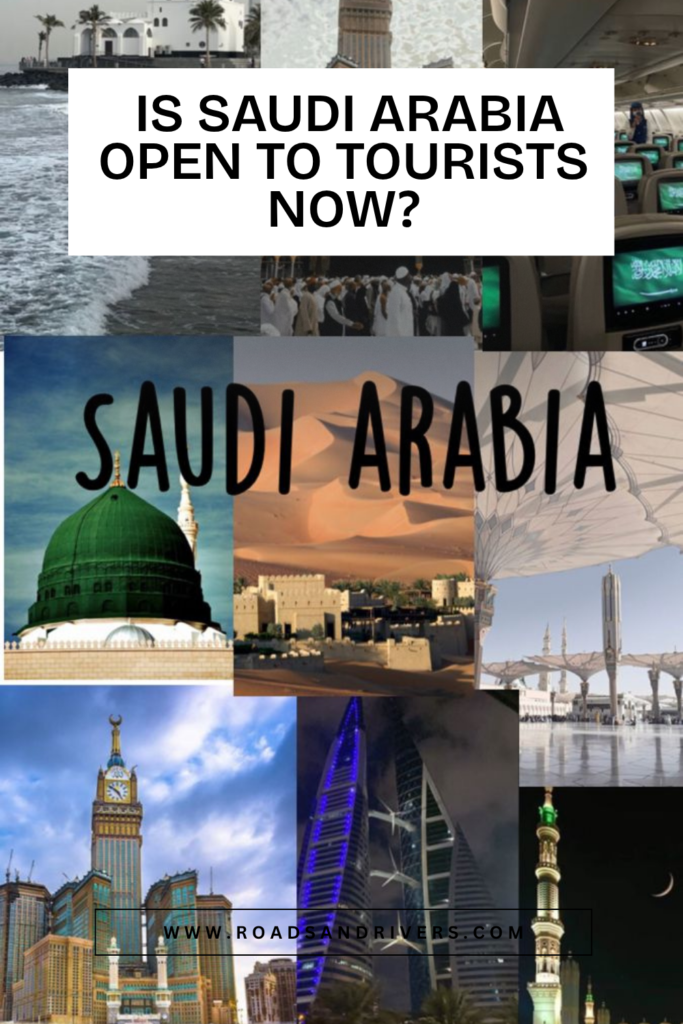
Is Saudi Arabia Open to Tourists? Visas, Entry, and Practical Basics
Yes — and the process is genuinely straightforward.
Visa
The Saudi tourist e-Visa is available to citizens of 60+ countries through the official Visit Saudi website. It costs around $80 USD, is valid for one year, and allows multiple entries with each stay up to 90 days. The application takes roughly 10 minutes and approval is usually same-day.
Citizens of GCC countries (Bahrain, Kuwait, Oman, Qatar, UAE) do not need a visa.
Dress Code
Men: long trousers and covered shoulders are respectful, though T-shirts are widely accepted in cities and tourist areas. Women: loose clothing covering shoulders and knees. An abaya is not required for tourists, though many women choose to wear one in more conservative areas out of respect.
At mosques and religious sites, modest dress is strictly expected for both genders. Women will be asked to cover their hair at mosque entrances.
Alcohol
Saudi Arabia does not permit the sale or consumption of alcohol. This applies everywhere — hotels, restaurants, private events. Plan accordingly.
Getting Around
Riyadh has a functioning metro. Other cities rely heavily on taxis and ride-share (Uber and Careem both operate). Car rental is also widely available and driving yourself around AlUla or between cities along the highway network is very manageable.
Pro tip: For longer trips between regions, Saudia and flynas run frequent and affordable domestic flights. AlUla has its own regional airport.
Nervous About Visiting Saudi Arabia for the First Time? Read This.
The hesitation is understandable. Saudi Arabia has a complicated international reputation, and for much of the past 50 years it was genuinely not accessible to regular travelers.
But the country has changed significantly since the Vision 2030 reforms began. Concert venues, cinemas, mixed-gender public spaces, and tourist infrastructure have all expanded rapidly. The Saudi government is actively investing in making the country welcoming to international visitors, and that shows on the ground.
What should you actually be cautious about?
Cultural sensitivity matters. Photographing local people — especially women — without permission is not acceptable. Showing overt public displays of affection is frowned upon. During prayer times, showing patience while businesses briefly pause is expected rather than optional.
The heat is not a minor detail. In summer (June–August), temperatures across most of the country exceed 40°C. This is not a season to be exploring outdoor sites like AlUla or Hegra unless you are starting before 7 AM and finishing by 10. The winter season (November–March) is the only sensible time for desert and outdoor travel.
Travel insurance is strongly recommended. Medical care in Saudi Arabia is high quality in cities, but it is expensive for foreigners. Make sure your policy covers the region.
If you are planning a trip that mixes conservative destinations with more open-access locations, it is useful to read Is Egypt Safe for Tourists? What You Actually Need To Know as a comparison — Egypt and Saudi Arabia sit in a similar category of destinations that require a bit more preparation but reward the effort significantly.
Budget Breakdown: What Does Saudi Arabia Actually Cost?
| Expense | Budget | Mid-Range |
|---|---|---|
| Accommodation (per night) | $25–$45 (guesthouse/3-star) | $80–$150 (4-star hotel) |
| Food (per day) | $10–$20 (local restaurants) | $30–$60 (mix of local + western) |
| Transport (per day) | $5–$15 (metro/ride-share) | $20–$40 (taxis/car rental) |
| Sights (per day) | $10–$20 | $20–$60 (AlUla tours cost more) |
| Daily total | $50–$100 | $150–$310 |
AlUla inflates the budget considerably. Luxury resorts like Habitas AlUla and Ashar Resort start at $300+ per night. Budget travelers can find more affordable guesthouses in AlUla town, but this is not a cheap destination compared to Riyadh or Jeddah.
Pro tip: Book AlUla accommodation at least 3 months in advance during the high season. The best places sell out fast.
For longer trips, packing smart saves money on baggage fees and makes moving between regions much easier. The Best Practices on How to Use Packing Cubes Correctly is a practical read before you start packing for a multi-city Saudi itinerary.
Saudi Arabia vs Morocco vs Egypt: How Does It Compare?
Saudi Arabia is often mentioned in the same breath as Morocco and Egypt when travelers are planning a Middle East or North Africa trip. Here is the honest comparison:
Morocco is more accessible, cheaper overall, and easier to navigate independently. It has been a tourist destination for decades, which means infrastructure is mature. The Best 10-Day Morocco Itinerary for Adventurous Travelers gives you a solid framework if Morocco is on your radar.
Egypt has world-famous ancient monuments and a more established backpacker trail. Costs are very low. But it requires more vigilance around scams and tourist hassle than Saudi Arabia, where the experience tends to feel more relaxed.
Saudi Arabia wins on sheer novelty and the quality of its desert landscapes. AlUla is less crowded than Petra and arguably just as dramatic. Riyadh’s heritage sites are authentic without being overrun. And for travelers interested in Islamic culture and history, the holy cities context — even if you cannot enter Mecca — adds a layer of depth you do not find elsewhere.
Read more: Building a broader Middle East itinerary? 3 Days in Istanbul: The Perfect First-Timer’s Guide is a natural add-on before or after a Saudi trip.
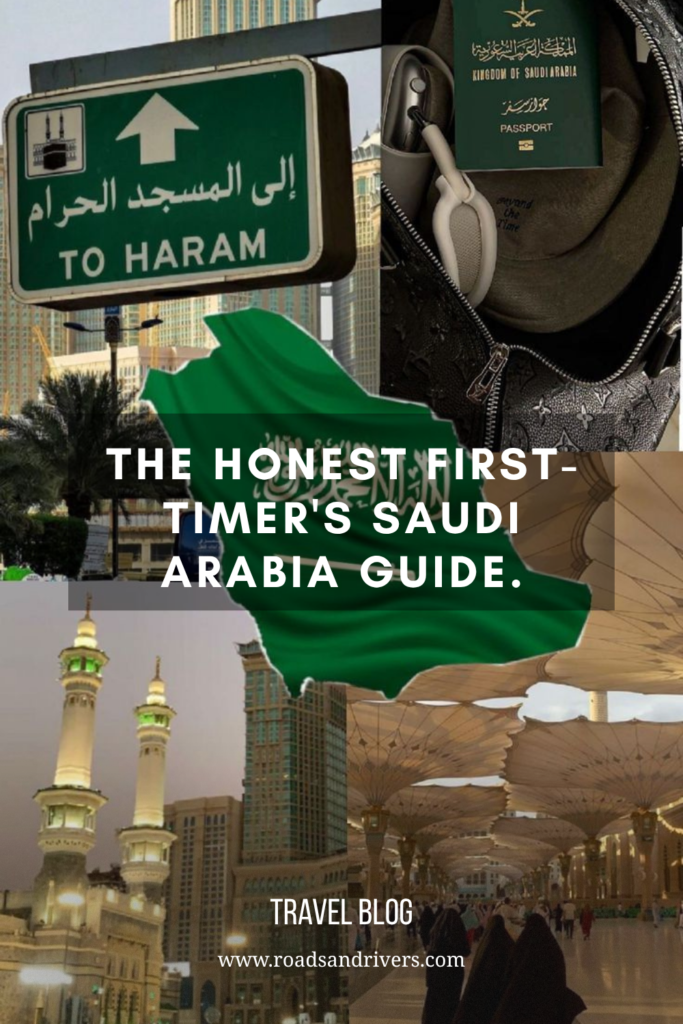
Key Takeaways
- Saudi Arabia opened to leisure tourists in 2019 and the e-Visa process is straightforward for 60+ nationalities
- AlUla and Hegra are world-class archaeological and landscape destinations that most travelers have never heard of
- The country is safe, hospitable, and far more modern than its international reputation suggests
- Non-Muslims cannot enter Mecca or Medina — this is the single most important logistical fact to know before you go
- Visit between November and March; summer heat makes outdoor travel impractical
- Budget at least 7–10 days to cover more than just one region
- AlUla commands premium prices; Riyadh and Jeddah are far more budget-friendly
Conclusion
Saudi Arabia does not ease you in gently. It is full-immersion from the moment you land — the scale of the landscape, the weight of the history, the contrast between ancient and aggressively modern. It is not an easy destination to fit into a neat travel narrative, which is part of why it keeps surprising people.
Go with an open mind, respect the culture, and give it at least a week. You will not come back with the trip you expected. You will come back with something better.
Have you visited Saudi Arabia, or is it on your list? Leave a comment below — and if you have specific questions about visas, packing, or planning, ask away.
FAQ
Do I need a visa to visit Saudi Arabia as a tourist?
Citizens of 60+ countries can apply for a Saudi tourist e-Visa online through the official Visit Saudi website. The visa costs around $80 USD, is valid for one year with multiple entries, and the application takes roughly 10 minutes. Approval is usually granted the same day.
Can non-Muslims visit Saudi Arabia?
Yes. Non-Muslims are welcome throughout Saudi Arabia. The only restriction is that Mecca and Medina are closed to non-Muslims — this is strictly enforced at checkpoints on the main approach roads.
What should women wear in Saudi Arabia?
Foreign women are not required to wear an abaya since 2019. Modest dress covering shoulders and knees is expected in public spaces. At mosques and religious sites, more conservative dress is required and women will be expected to cover their hair at the entrance.
Is Saudi Arabia expensive to visit?
It depends on where you go. Riyadh and Jeddah have affordable local restaurants and cheap public transport. AlUla tends toward higher-end accommodation and guided tours, making it noticeably more expensive. A budget of $80–$150 USD per day covers mid-range travel across most of the country.
What is the best time to visit Saudi Arabia?
November through March is the ideal window. Temperatures across most of the country are mild (15–25°C), AlUla’s outdoor sites and hot air balloon season are in full operation, and desert camping is comfortable. Avoid June through August unless you are prepared for extreme heat above 40°C in most regions.