
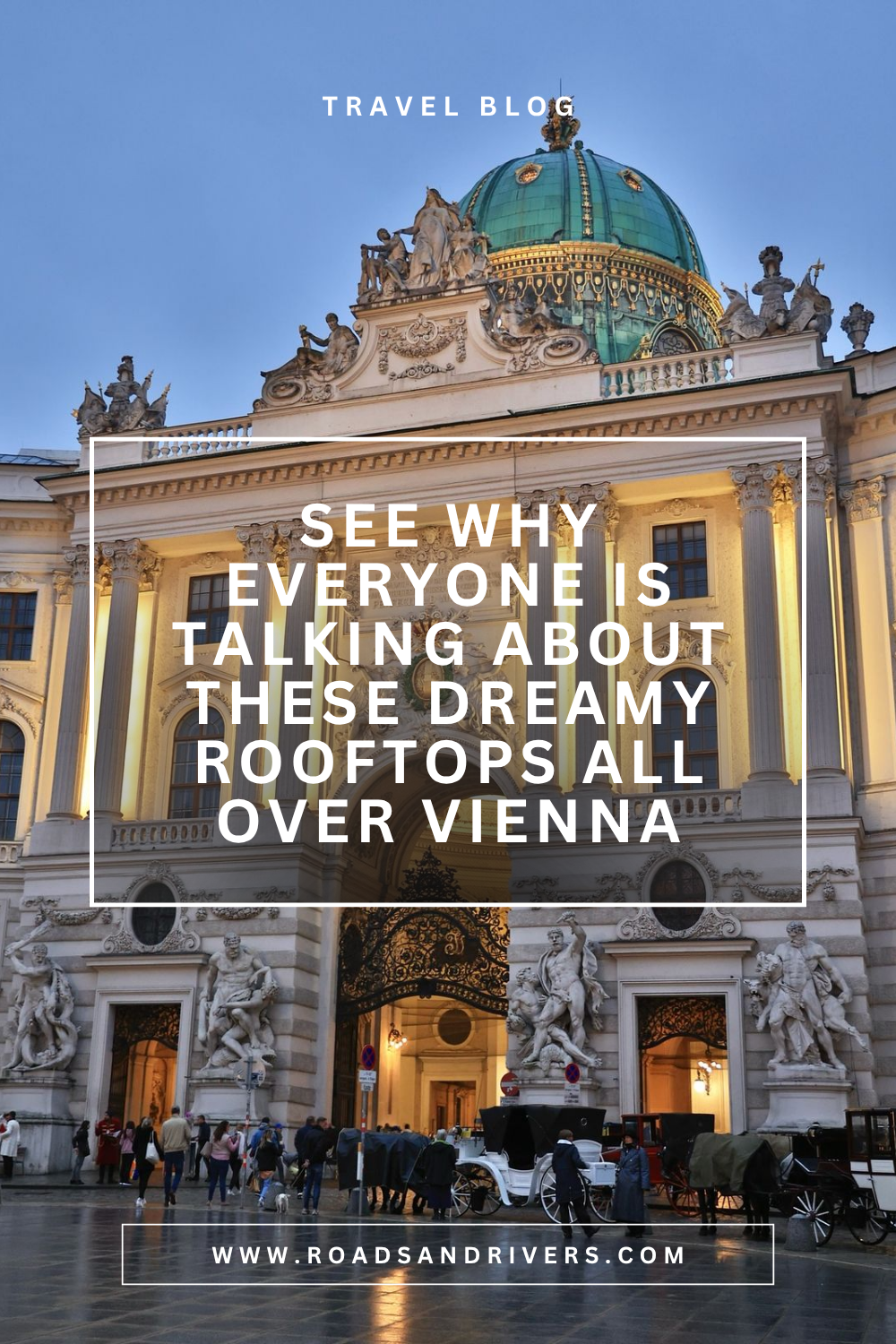
Vienna gets a reputation for its imperial palaces and coffee house culture. Schönbrunn Palace, St. Stephen’s Cathedral, the Vienna State Opera—they’re stunning, and yes, you should see them. But here’s what most visitors miss: Vienna’s real magic happens in the spaces between the guidebook highlights.
The secret side of Vienna isn’t hidden in some remote forest or locked behind velvet ropes. It’s scattered across the city in rooftop bars that offer panoramic views, hidden courtyards where locals actually spend their afternoons, colorful neighborhoods that feel like you’ve stepped into a different Vienna entirely, and photo-worthy locations that will make your Instagram feed feel like you’ve uncovered something most travelers never find.
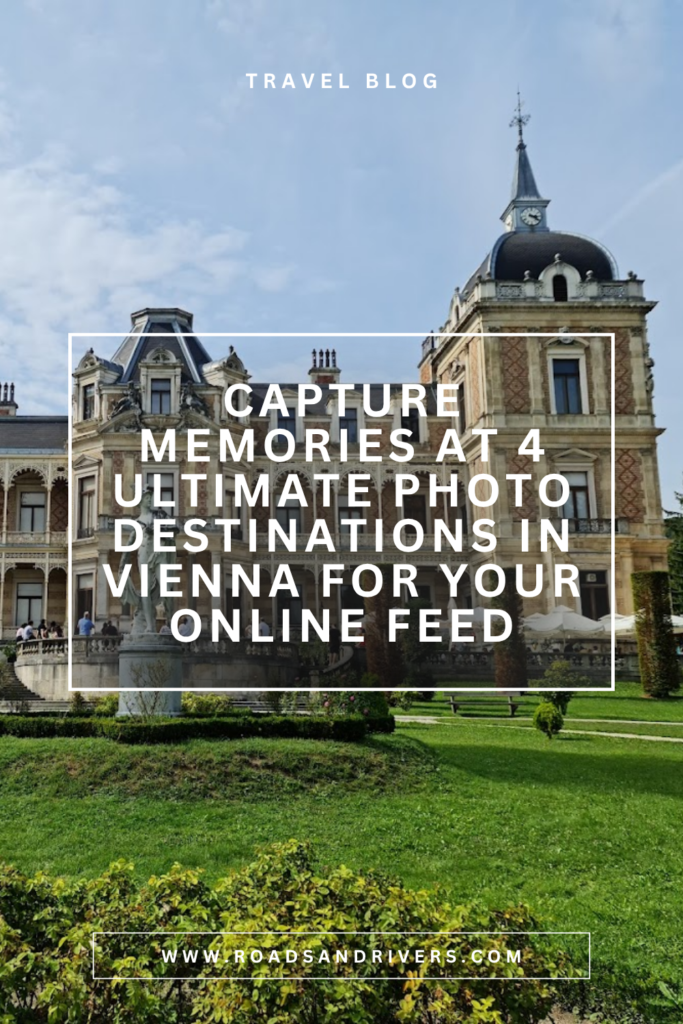
This isn’t about the top 10 things to do in Vienna. This is about the places that make you feel like you belong to Vienna, even if you’re just visiting for a long weekend. If you’re tired of fighting crowds at major landmarks, or you want to capture Vienna through a lens that feels authentic and fresh, keep reading. We’re about to explore the hidden gems and photo locations that locals actually love.
Rooftop Secrets: Vienna’s Hidden Vistas
Vienna’s skyline is stunning from street level. But rooftops? That’s where the real magic happens.
The Palace of Justice Rooftop Café: Architecture Meets Panorama
The Justizpalast (Palace of Justice) is an imposing Neo-Renaissance building that serves as Austria’s Supreme Court. Most tourists walk past it without a second glance. The ones who venture inside—past security, up the grand marble staircase—discover something extraordinary.
The interior is architectural theater. Ornate columns frame a glass ceiling that floods the space with natural light. The symmetrical arches and statue of Lady Justice create a backdrop that makes even casual phone photos look professional. But the real secret? Head to the top floor and find the Justizcafé, a rooftop café that locals have kept quiet for years.
This isn’t a trendy cocktail bar or Instagram-obsessed hotspot. It’s a working cafeteria with views that rival anything you’ll find in Vienna’s pricier venues. Order a coffee, find a seat by the window, and watch the city unfold in front of you. The light hits perfectly in late afternoon, and the lack of crowds makes it feel like your own private observation deck.
When to go: Monday-Friday, 7:30 AM to 3:30 PM. Arrive before noon if you want a quiet moment. Big bags aren’t allowed, so travel light.
Beyond the Café: Vienna’s Best Rooftop Bars
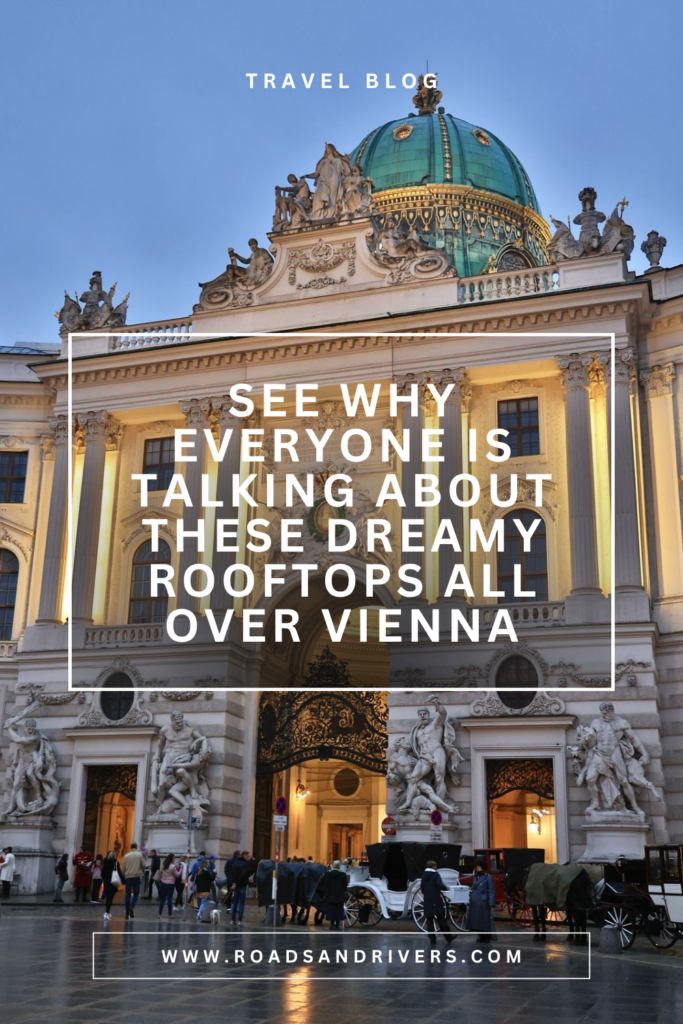
If you want something more social than a courtroom café, Vienna has rooftop spots that rival any major European city. Dachboden at the 25h Hotel serves sunset cocktails with 360-degree city views. NENI am Prater offers Middle Eastern-inspired cuisine on a rooftop terrace that feels miles away from the urban chaos below. Cayo Coco at the Hoxton Hotel and Chez Bernard deliver views paired with style—no stuffy dress codes, just good drinks and better scenery.
The magic of Vienna’s rooftops isn’t just the views. It’s the perspective shift. From down on the street, Vienna feels like a museum. From a rooftop, it feels like a living city with depth and character beyond its monuments.
The Colorful & Artistic Side: Vienna Unfiltered
Vienna’s reputation centers on Baroque elegance and imperial grandeur. But scratch the surface, and you’ll find a city that embraces color, chaos, and artistic rebellion.
Hundertwasserhaus: Where Architecture Collides with Nature
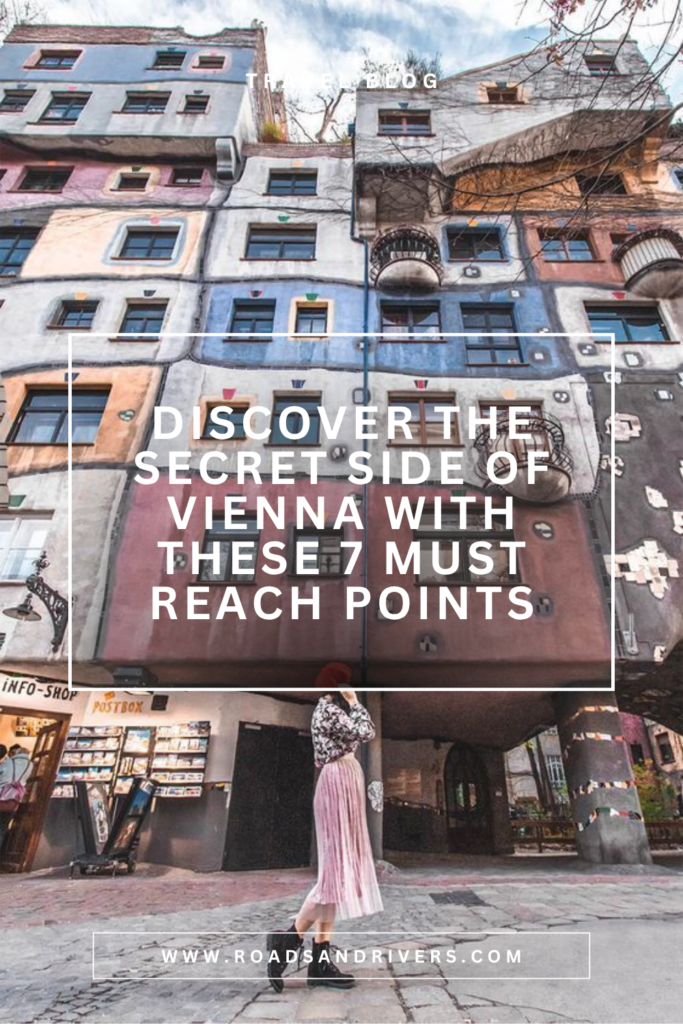
Friedensreich Hundertwasser designed a building in 1983 that defied every convention of Vienna’s classical aesthetic. Hundertwasserhaus is a residential apartment building that looks like something between a fairytale and a fever dream. Wavy lines. Bright primary colors. Trees growing directly from the roofline. Uneven floors by design, not accident.
You can’t go inside—it’s a working residential building—but you don’t need to. The exterior is pure visual joy. Every angle offers something new. In spring, the rooftop gardens bloom. In golden hour light, the colors practically glow. Across the street, Hundertwasser Village offers shops and cafés where you can linger. A short walk away, Kunst Haus Wien displays more of the artist’s work in a similarly playful building.
This isn’t architecture trying to be serious. It’s proof that functional buildings can be wildly artistic, intentionally imperfect, and absolutely unmissable.
Photo tip: Come early or late to avoid crowds. The northeast corner gets the best light in late afternoon.
Donaukanal Street Art: Vienna’s Outdoor Gallery
The Danube Canal isn’t where postcards come from. It’s where Vienna’s contemporary creative spirit lives.
This riverside stretch has transformed into Vienna’s premier street art scene. Vibrant murals cover every available surface. Stencil work and spontaneous graffiti create an ever-changing open-air gallery exploring everything from politics to pop culture. Bold colors. Intricate detail. Raw energy that stands in sharp contrast to Vienna’s polished imperial architecture.
Start around Schwedenplatz and walk downstream. You’ll pass hundreds of pieces. Some are beautiful. Some are political. All of them represent Vienna’s living, breathing artistic community. The art changes seasonally, so each visit reveals something new.
Street art gets dismissed as vandalism in many cities. In Vienna’s Donaukanal, it’s recognized as legitimate cultural expression. That shift in perspective is worth experiencing firsthand.
Secret Courtyards & Garden Escapes: Vienna’s Quiet Corners
Vienna’s famous parks—Schönbrunn Gardens, Volksgarten—draw crowds measured in thousands. But the city hides quieter green spaces that feel undiscovered.
Heiligenkreuzerhof & Franziskanerplatz: Baroque Sanctuaries
Step through an unmarked archway off a busy street, and you’ll find Heiligenkreuzerhof, a hidden courtyard behind a Baroque church. Beautiful. Serene. Practically empty even during peak tourist season. The courtyard features meticulously restored buildings surrounding a peaceful square. It feels like stepping back 300 years, but with functioning modern cafés tucked into ground-floor spaces.
A few minutes’ walk away, Franziskanerplatz offers similar magic. This small square centers on a historical church with inviting cafés spilling onto cobblestones. The Kleines Café—literally “small café”—looks unchanged since the 1950s. Cramped. Smoky. Authentic. It’s exactly the kind of place most travel guides steer you away from, which is precisely why it’s worth visiting.
Vienna is full of these hidden courtyards. Many tourists walk past without noticing. The ones who find them report feeling like they’ve discovered Vienna’s secret.
Setagaya Park: Japan in Vienna
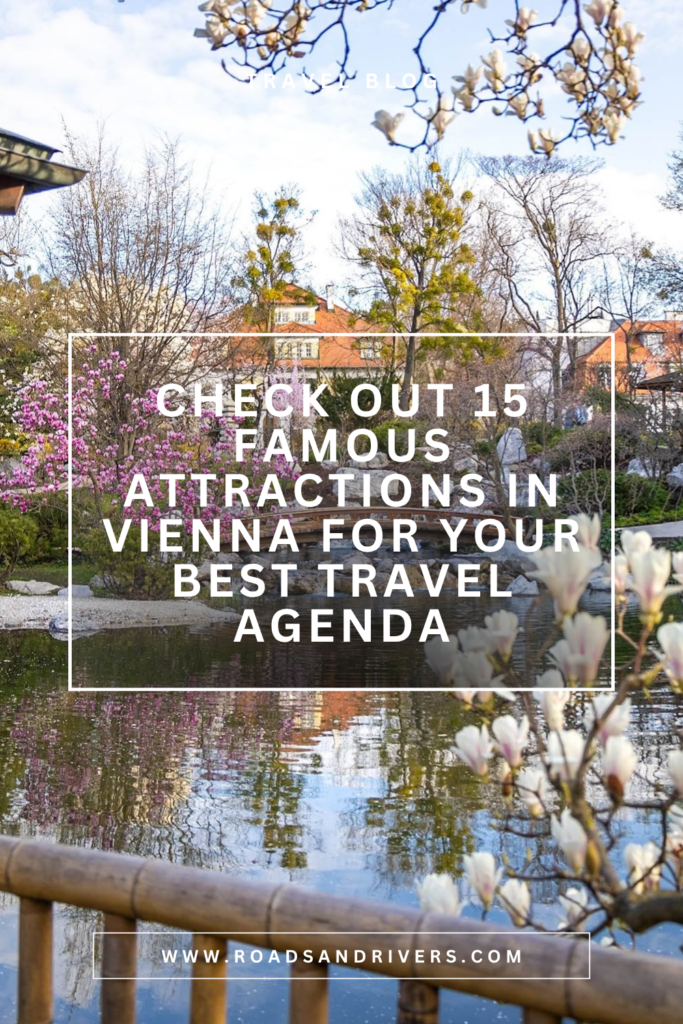
In the 19th district of Döbling, a Japanese landscape architect created something unexpected. Setagaya Park is a small but beautifully crafted garden celebrating Vienna’s partnership with Tokyo’s Setagaya ward. Koi-filled pond. Arched bridge. Traditional tea house. Perfectly maintained plantings.
The rest of Vienna doesn’t know about this place. Locals do. It’s peaceful in a way that contradicts the city’s urban identity. Spring cherry blossoms and fall foliage make it particularly photogenic. The park’s quiet atmosphere feels intentional—a gift for people who actually want to escape, not just photograph themselves escaping.
Photo tip: Visit in early autumn when red and orange leaves frame the traditional structures perfectly.
Belvedere Pond: Mirror Magic
The Lower Belvedere Palace sits in a formal Baroque garden centered on a small pond. On calm days, the water becomes perfectly reflective. The palace’s golden façade mirrors itself on the glassy surface. The light hits differently here than at Schönbrunn, and the crowds are substantially smaller.
Come early morning or during evening golden hour for the best reflections and clearest light. The surrounding gardens offer countless photo angles, from close details to wide compositions with the palace reflected in its entirety.
Photo-Worthy Neighborhoods: Where Locals Actually Spend Time
Vienna’s districts each have distinct character. The most photogenic neighborhoods aren’t the ones featured on every travel site.
Spittelberg: Cobblestones & Contemporary Culture
The 7th district’s Spittelberg neighborhood feels like a village contained within Vienna. Narrow cobblestone streets. Colorful buildings. Independent galleries and boutiques. Cozy cafés where people actually linger over espresso.
During holidays, Spittelberg hosts one of Vienna’s most atmospheric Christmas markets. But year-round, it offers authentic Vienna away from the Ring Road crowds. This is where locals eat lunch. Where artists maintain studios. Where Vienna feels human-scaled rather than monumental.
Margareten: Hipster Authenticity
The 5th district is rapidly transforming. Once a working-class neighborhood, Margareten now attracts a younger crowd drawn to vintage shops, hipster cafés, and a growing art scene. It feels rawer and more authentic than neighborhoods that have been “revitalized” beyond recognition.
The vibe here is lived-in. Real Vienna. The kind of place where you might grab coffee next to an artist, a student, and someone who’s lived in the same apartment for forty years. Streets don’t scream “Instagram me,” but they reward exploration with the feeling that you’ve found something real.
Neubau: Gallery Hopping & Design Living
The 7th district’s Neubau area centers on contemporary art galleries, design-forward shops, and a creative energy that feels distinctly modern. This is Vienna’s design district, but unlike similar neighborhoods in other cities, it doesn’t feel sterile or artificially trendy.
Walk without a destination. Wander into galleries. Discover independent boutiques. The neighborhood reveals itself to people who move slowly through it.
Iconic But Overlooked: Fresh Angles on Famous Spots
Some of Vienna’s most famous landmarks aren’t overcrowded because tourists skip them entirely. They’re overcrowded because everyone goes to the same spots at the same times. Strategic visiting changes everything.
St. Peter’s Church: Baroque Beauty Beyond the Crowds
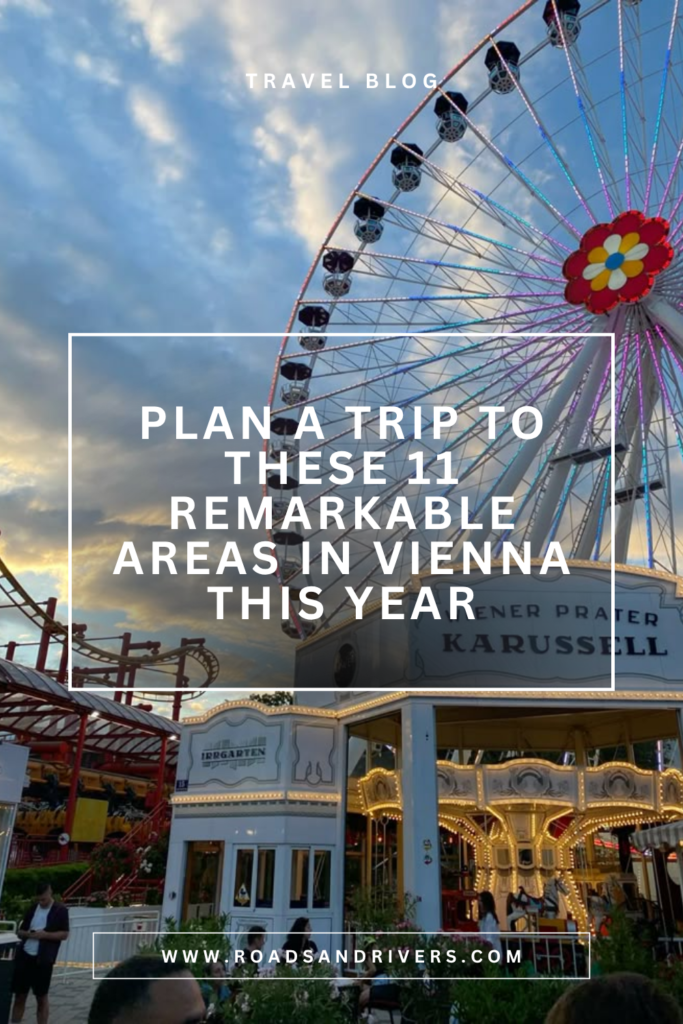
Just steps from the busier St. Stephen’s Cathedral, Peterskirche (St. Peter’s Church) offers Baroque brilliance with a fraction of the crowds. Gilded details. Frescoed ceilings. Impressive acoustics that make it a premier classical music venue.
Most evenings, intimate concerts feature Mozart, Bach, and Vivaldi performed in this stunning setting. The experience of hearing a live violin concerto in an 18th-century Baroque church while golden light filters through windows is something that changes how you think about Vienna.
Even without a concert, visiting during off-peak hours reveals why this church merits the word “masterpiece.”
Kahlenberg: Panoramic Views Without Palace Crowds
The 480-meter-high Kahlenberg sits northeast of Vienna, offering panoramic views that rival any tourist-heavy viewpoint. The city spreads below. The Danube curves through the distance. On clear days, you can see all the way to the Carpathians in neighboring Slovakia.
Locals hike to Kahlenberg. They don’t crowd around it with selfie sticks. The viewing area feels like a local secret even though it’s technically public. Several restaurants and viewpoints sit at the summit, but the feeling here is contemplative rather than frenzied.
Prater’s Neighborhood: Beyond the Ferris Wheel
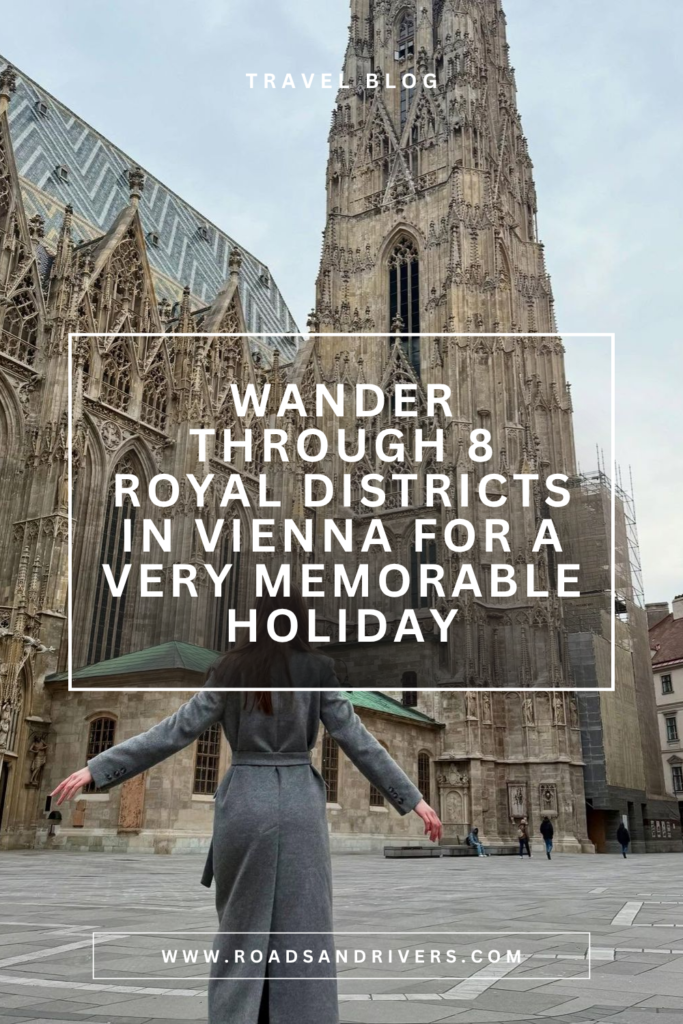
Vienna’s Prater amusement park features a massive Ferris wheel that appears in countless travel photos. But the real photographic gem here is exploring the surrounding Wurstelprater neighborhood on foot. Vintage rides. Local food stalls. The particular magic of old-school amusement park aesthetics.
Museums & Interiors That Steal the Show
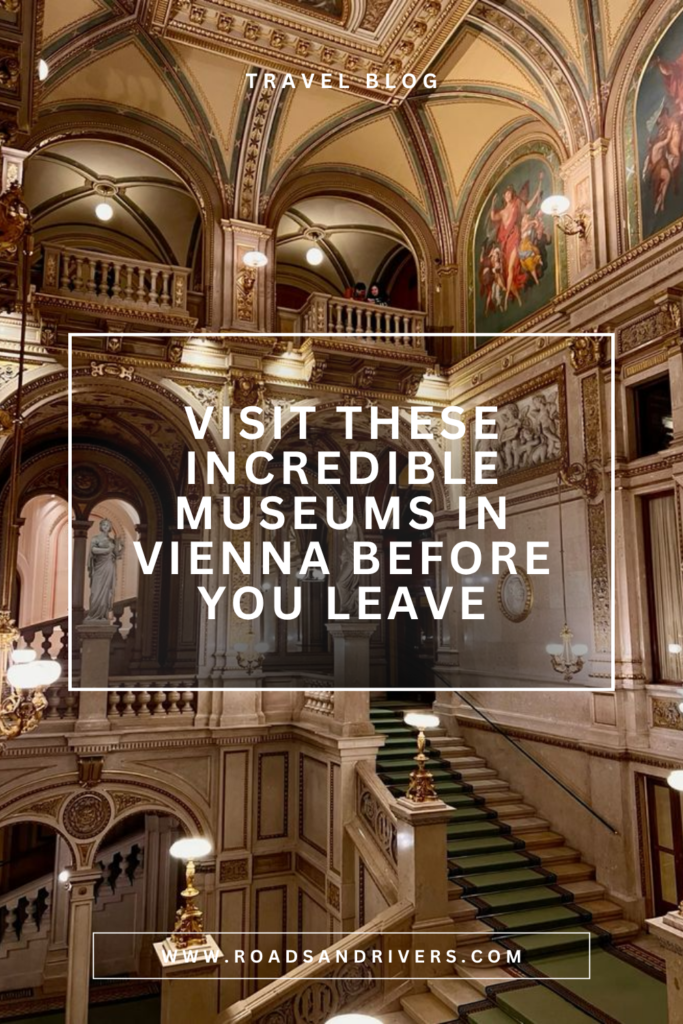
Vienna’s museums get reputation for their collections. But the buildings themselves—the rooms, the staircases, the way light moves through them—are artworks.
Kunsthistorisches Museum: Beyond the Famous Paintings
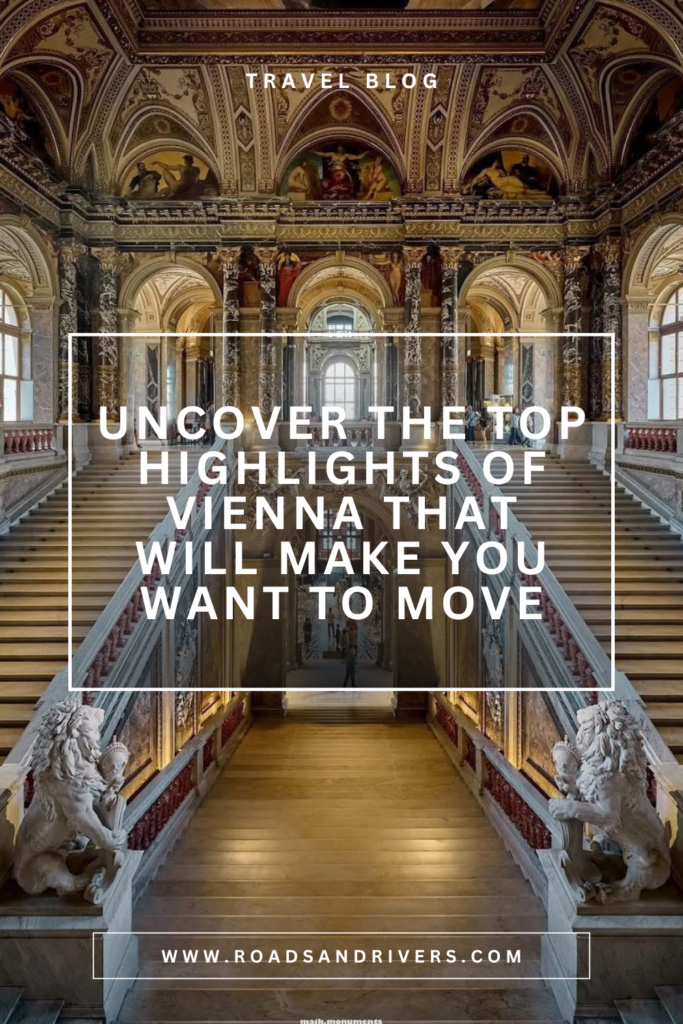
Yes, the museum houses masterworks by Caravaggio and Dürer. But visit for the architecture. The main café, photographed from above, reveals black and white marble floors contrasted against plush red velvet. The grand stairway ascending to the first floor rivals any palace staircase.
Arrive early if you’re serious about photography. Later in the day, the space fills with crowds making clean shots impossible.
Austrian National Library: Golden Grandeur
The Prunksaal (State Hall) of the Austrian National Library is the largest Baroque library hall in Europe. Soaring ceilings. Intricate frescoes. Towering shelves holding over 12 million books. Golden accents everywhere.
Taking photos right at the entrance or beside the marble statue of Emperor Charles VI yields stunning results. The space feels like a love letter to knowledge itself.
Photo tip: Come as soon as they open. Later in the day, this place gets crowded, and getting clean shots becomes nearly impossible.
Ferstel Passage: 19th-Century Elegance
This elegant arcade, built in 1860, connects Herrengasse and Freyung streets with charming boutiques, cafés, and historical architecture. A beautiful glass roof allows sunlight to illuminate the passageway, creating inviting light for photography. Wandering through feels like stepping back a century and a half.
Timing Tips: When to Visit Vienna’s Hidden Gems
What’s the best time to visit Vienna’s hidden spots?
Season matters less than time of day. Golden hour—one to two hours before sunset—transforms any location. Rooftop cafés glow. Street art pops. Architecture casts dramatic shadows.
Seasonally, spring (March-May) brings cherry blossoms to parks like Setagaya. Autumn (September-November) offers golden light and fewer crowds than summer. Winter transforms certain neighborhoods into fairy-tale scenes, though many rooftop venues reduce hours.
When should I avoid Vienna’s hidden gems?
Midday sunshine flattens color and creates harsh shadows. Tour groups cluster around famous locations between 10 AM and 2 PM. Weekends draw larger crowds than weekdays. If you want solitude, arrive early, stay late, or visit in shoulder seasons rather than peak summer.
How much time should I spend exploring these hidden spots?
Budget differently than you would for major palaces. Hidden courtyards deserve 30-45 minutes of wandering without agenda. Neighborhoods reveal themselves slowly to people moving at a walking pace. Rooftop cafés invite lingering over coffee. This isn’t a checklist-completion exercise. It’s about depth over coverage.
The Real Vienna Awaits
Vienna’s famous landmarks deserve your time. They’re famous for reasons. But the city’s most rewarding experiences happen when you stray from the main circuit.
The hidden gems, secret courtyards, artistic neighborhoods, and lesser-known rooftops show you Vienna’s true character. Imperial grandeur exists alongside hipster authenticity. Baroque monuments coexist with colorful street art. Quiet courtyards hide mere steps from bustling streets.
This layered Vienna—the one you’ll discover by exploring with curiosity rather than following a predetermined route—is the Vienna that stays with you long after you leave.
Start with one neighborhood. Visit one rooftop café. Find one hidden courtyard. Then let discovery lead you forward. That’s how you don’t just see Vienna. That’s how you experience it.