
There’s a moment that happens to every first-timer in New York. You step out of the subway, look up, and the buildings are so tall they seem to lean in. Taxis honk. Someone brushes past you carrying a guitar case and a coffee. A pretzel cart fills the air with salt and warm dough. And you think: I only have 48 hours here.
That’s the beautiful problem with New York. This city has enough to fill three months, and you’re trying to squeeze it into a weekend. Most visitors panic, cram in every landmark they’ve seen in a movie, and end up exhausted, overfed, and weirdly disappointed. It doesn’t have to go that way.
This guide is your no-nonsense plan for spending a perfect weekend in New York City. You’ll get an hour-by-hour itinerary, the mistakes to avoid, the spots locals actually go to, and a realistic budget breakdown so you know exactly what you’re walking into. No filler. No tourist traps. Just the real city.
Table of Contents
- 3 New York Weekend Mistakes Tourists Always Make
- Your New York Weekend Itinerary: Hour-by-Hour Perfect Plan
- The New York Weekend Spots Locals Never Share
- How Much Does a Weekend in New York Actually Cost?
- What Should You Pack for a New York City Weekend?
- Key Takeaways
- FAQ
Quick-Reference Info Box
Best time to visit: Mid-September to November (fall foliage, crisp weather, fewer summer crowds) or April to early June (spring blooms, mild temps)
Average weekend budget: $150-200/day budget, $300-400/day mid-range, $600+/day comfort
Getting there: Three major airports: JFK, LaGuardia (LGA), Newark (EWR). Subway, AirTrain, or rideshare into Manhattan.
Days needed: 2 days minimum for the highlights. 3-4 days for a deeper experience.
3 New York Weekend Mistakes Tourists Always Make
I made all three of these on my first trip. Don’t repeat my homework.
Spending Too Long in Times Square
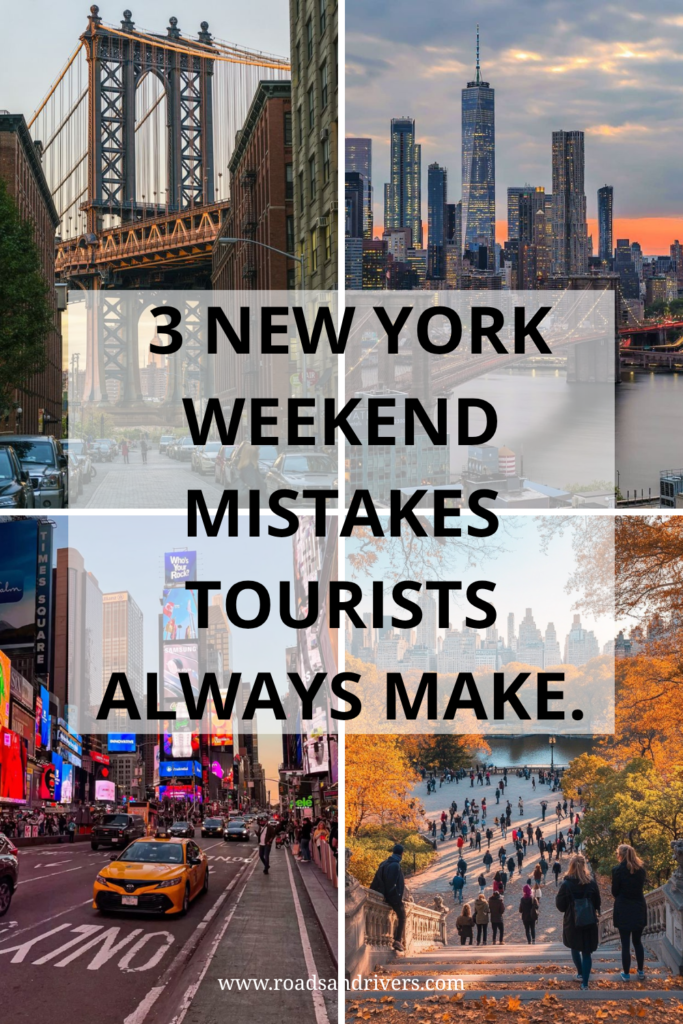
Times Square is worth exactly 15 minutes of your time. Walk through, look up at the screens, take a photo, and leave. That’s it. The restaurants around Times Square are overpriced and mediocre. The chain stores exist in every mall back home. And the crowd density will eat an hour of your day if you let it.
The real energy of New York is in its neighborhoods, not in the LED billboards designed for tourists. Every minute you spend in Times Square is a minute you’re not spending in the West Village, SoHo, or the Lower East Side, where the actual city lives and breathes.
Pro tip: If you want the Times Square glow without the crowd, walk through between 7 and 8 AM on a weekday or early Saturday morning. The signs are still on, the streets are almost empty, and the photos are ten times better.
Trying to Cover All Five Boroughs
New York City has five boroughs: Manhattan, Brooklyn, Queens, the Bronx, and Staten Island. In a weekend, you realistically have time for Manhattan and a piece of Brooklyn. That’s it. Trying to cram in a trip to the Bronx Zoo, a walk across the Williamsburg Bridge, Queens street food, and the Staten Island Ferry will leave you spending most of your weekend underground on the subway.
Focus on depth, not width. Two neighborhoods explored properly will give you more of the city than five boroughs rushed through on a train.
Eating Near the Big Attractions
This is the golden rule of New York dining: walk two blocks away from any major landmark and the food gets better while the prices drop. The restaurants surrounding the Empire State Building, Central Park South, and the 9/11 Memorial are designed to catch tourists who don’t know better.
New York has over 23,000 restaurants. The best ones are tucked into side streets, basement entrances, and neighborhoods you’ve never heard of. More on that below.
If you’re curious about similar tourist traps in other cities, we put together a list of common mistakes tourists make in Amsterdam that follows the same pattern.
Your New York Weekend Itinerary: Hour-by-Hour Perfect Plan
This itinerary is designed to flow geographically so you’re never backtracking across the city. Each day moves in one direction, with built-in flexibility for the things that grab your attention.
Day 1 Morning: Lower Manhattan and the Brooklyn Bridge
Start your weekend downtown. Grab a coffee and a bacon egg and cheese from a bodega (this is the most New York breakfast there is) and head to the 9/11 Memorial. The twin reflecting pools are powerful and worth the early morning visit before the crowds arrive. You don’t need to do the museum unless you have strong interest: it’s moving but takes 2-3 hours.
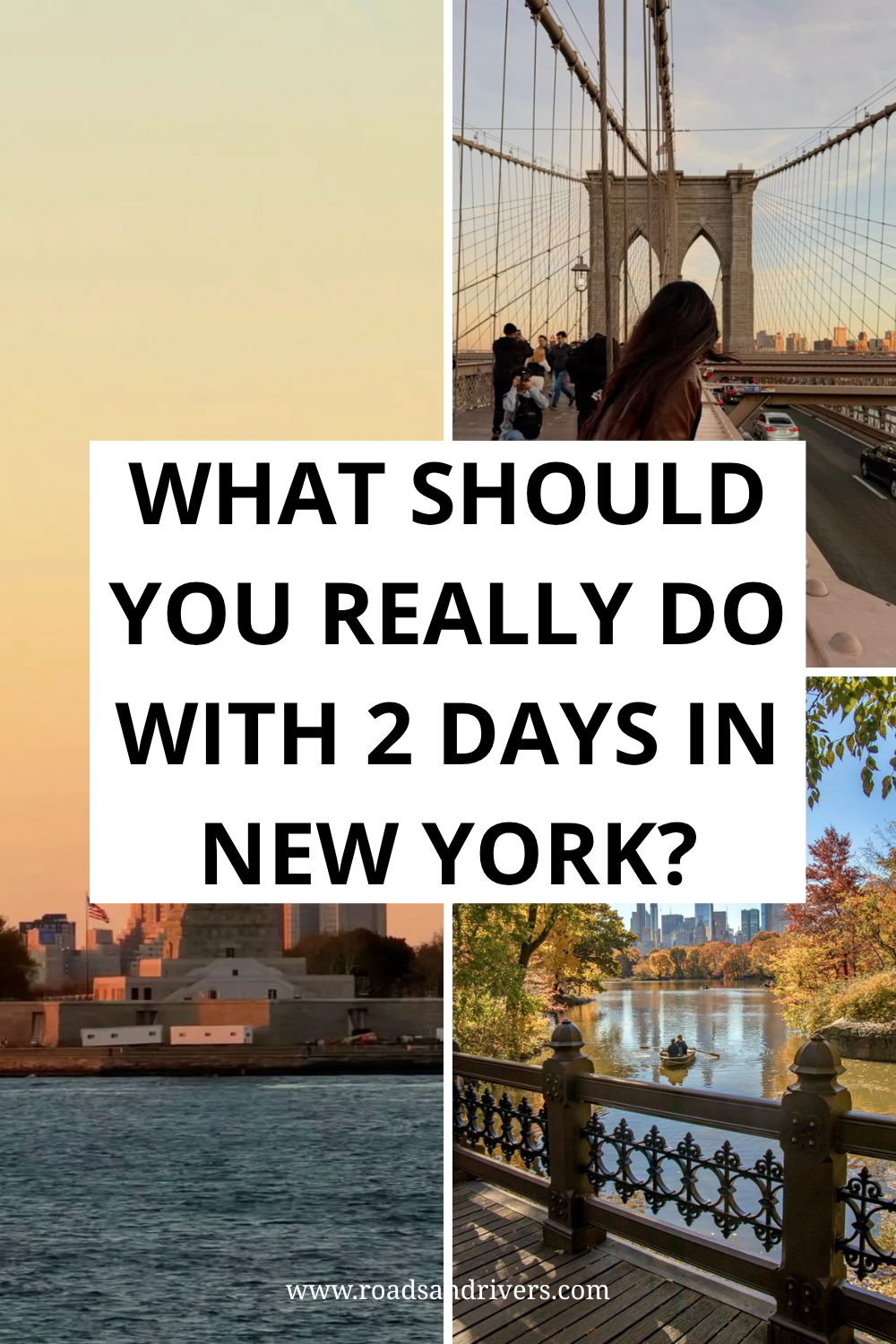
From there, walk through the Financial District past the New York Stock Exchange and Federal Hall, then head to the Brooklyn Bridge. Walk across from the Manhattan side to Brooklyn. It takes about 30-40 minutes and the views of the Manhattan skyline from the bridge are some of the best photos you’ll take on the entire trip.
Pro tip: Walk the Brooklyn Bridge before 10 AM or after 5 PM. During midday, the pedestrian path gets so packed you can barely move, and you’ll spend more time dodging selfie sticks than enjoying the view.
Once you’re in Brooklyn, walk down to DUMBO (Down Under the Manhattan Bridge Overpass). The view of the Manhattan Bridge framed by brick warehouse buildings is one of the most photographed spots in the city. Grab lunch at Time Out Market or one of the smaller spots along the waterfront.
Day 1 Afternoon: SoHo, West Village, and Chelsea
Take the subway back to Manhattan and get off in SoHo. This neighborhood has the best mix of architecture, shopping, and street-level energy in the city. The cast-iron buildings are gorgeous, and the side streets are full of independent boutiques and galleries mixed in with the big-name stores.
Walk north from SoHo into the West Village. This is where the Manhattan aesthetic people love on social media actually lives: tree-lined streets, brownstones, cozy cafes, and small restaurants that have been around for decades. Bleecker Street, Christopher Street, and the blocks around Washington Square Park are all worth wandering.
Continue north to Chelsea Market (indoor food hall, great for an afternoon snack) and then walk the High Line. This raised park built on old railroad tracks runs from Gansevoort Street up to 34th Street and offers a completely different perspective of the city. The views west toward the Hudson River are especially good at golden hour.
Day 1 Evening: The Skyline at Night
You have two strong options for seeing the New York skyline at night, and you should pick one.
Option A: SUMMIT One Vanderbilt. This is the newer, more immersive observation deck near Grand Central. The mirrored rooms and glass-floor experience make it more than just a view. Book the sunset time slot so you get both daylight and nighttime skyline in one visit. Tickets run about $42-55.
Option B: Top of the Rock (Rockefeller Center). The classic. Unobstructed views of the Empire State Building and Central Park. No glass walls, just open-air platforms. Around $40-45.
After the observation deck, grab dinner somewhere in Midtown East or the East Village (subway down from Grand Central). If you’re up for it, catch a late-night comedy show at the Comedy Cellar in the West Village, one of the best comedy clubs in the country.
Day 2 Morning: Central Park and The Met
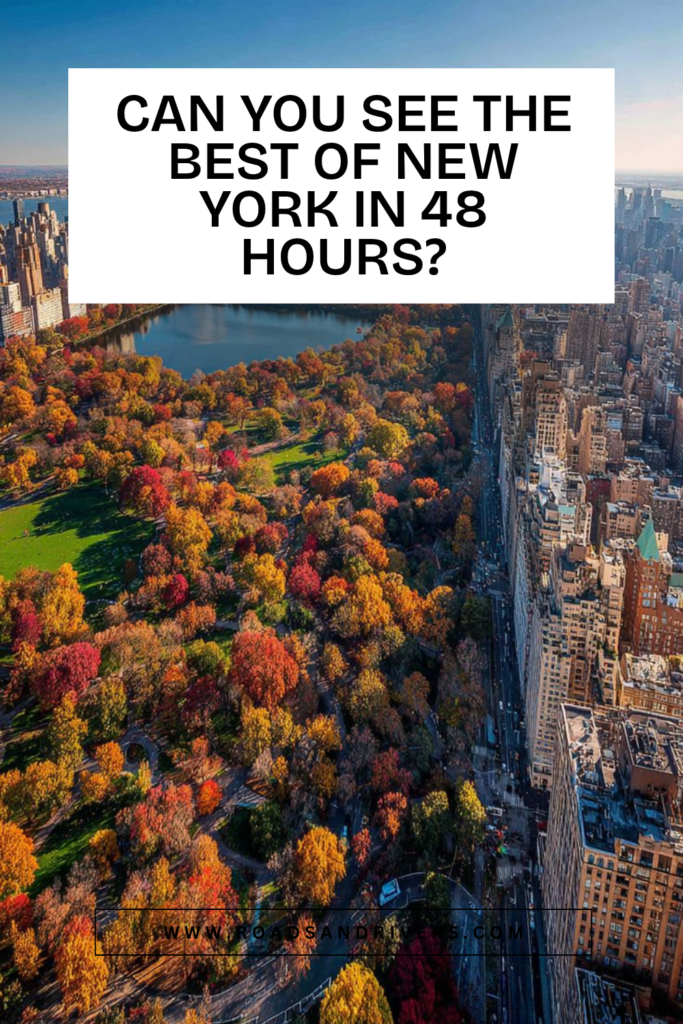
I spent my first morning in New York running through Central Park at 7 AM. The city was still waking up, there were runners and dog walkers on the paths, and the skyline peeked through the trees like a backdrop. It felt like having the whole city to myself.
Start Day 2 at the south end of Central Park (59th Street entrance). Walk up through The Mall (the tree-lined promenade you’ve seen in every movie), past Bethesda Fountain, and along the Lake. If it’s fall, Central Park turns into the most photogenic place on the planet: the reds and golds against the skyscrapers are unreal.
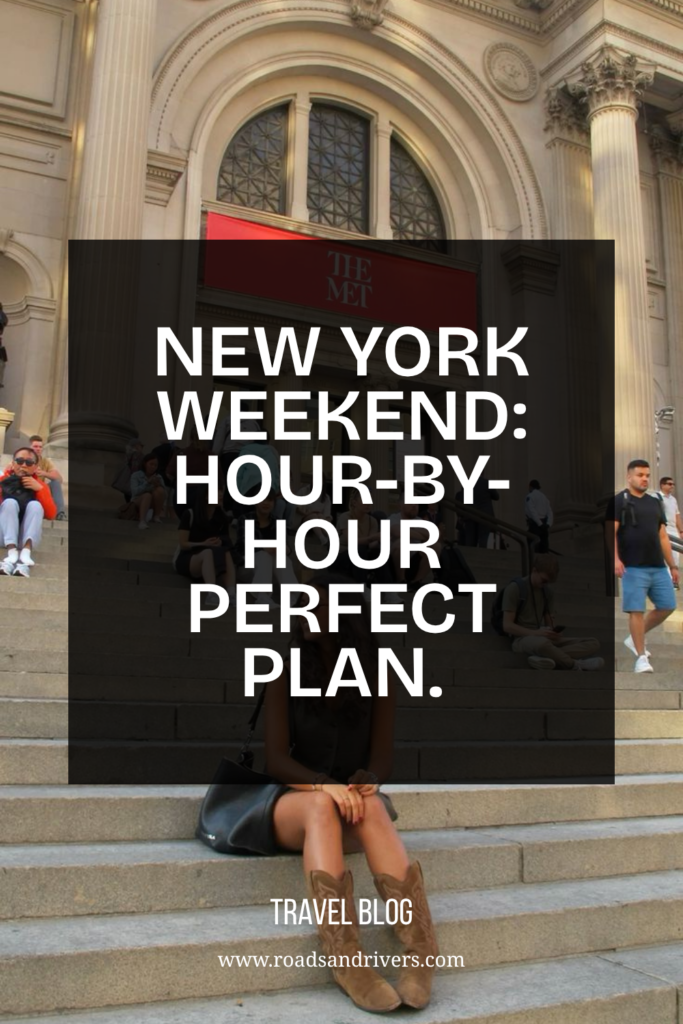
Continue to the Metropolitan Museum of Art (The Met). This is one of the greatest museums in the world, and it will swallow your entire day if you let it. Limit yourself to 2 hours and pick 2-3 sections that interest you. The rooftop terrace (open seasonally) has views over Central Park that are worth the visit alone. Admission is $30 for adults, but it also covers same-week entry to The Met Cloisters uptown.
Pro tip: If you’re not a museum person, swap The Met for a long walk through the Upper East Side or Upper West Side. These residential neighborhoods have incredible architecture, quiet cafes, and a very different energy from downtown.
Day 2 Afternoon: Midtown Highlights (Without the Traps)
Head south into Midtown, but be strategic. The must-sees here take less time than you think.
Walk through Grand Central Terminal. Look up at the ceiling (the zodiac mural is incredible) and soak in the scale of the main concourse. This takes 15 minutes and it’s free.
Walk west past the New York Public Library (the lion statues are a classic photo spot) and through Bryant Park. If it’s a warm day, grab a chair and people-watch for 20 minutes. Continue to Rockefeller Center (you already did the observation deck, but the street-level plaza is worth a walk-through).
Skip the Empire State Building unless you really want the specific view. The wait can be 1-2 hours even with timed tickets, and the observation decks at SUMMIT or Top of the Rock offer better photo opportunities.
Day 2 Evening: Rooftop Drinks and Pizza With a View

End your weekend the way New York does it best: on a rooftop. The city has dozens of rooftop bars, and the views at sunset are worth every dollar of the overpriced cocktail in your hand.
Some favorites: 230 Fifth (Empire State Building views, heated in winter), Westlight in Williamsburg, Brooklyn (if you want to end in Brooklyn), or Mr. Purple on the Lower East Side. Most rooftop bars don’t require reservations on weeknights, but for a Saturday evening, book ahead.
For your final meal, do pizza. Not a sit-down restaurant. Not a fancy tasting menu. A proper New York slice from a place like Joe’s Pizza in the West Village, Scarr’s on the Lower East Side, or Prince Street Pizza in Nolita. Fold it in half, eat it on the sidewalk, and say goodbye to the city the right way.
The New York Weekend Spots Locals Never Share
Neighborhoods Worth the Detour
If you have even an extra half-day, these neighborhoods reward the curious:
1. The Lower East Side. This is where old New York and new New York collide. Vintage shops, dim sum parlors, cocktail bars with no signs, and some of the best food in the city. Katz’s Delicatessen is the famous one, but the smaller spots on Clinton and Rivington streets are where the locals eat.
2. East Village. The grittier, more authentic sibling of the West Village. Japanese restaurants, punk rock history, vinyl shops, and St. Marks Place. Great for a late afternoon into evening.
3. Nolita. Squeezed between SoHo and the Lower East Side, Nolita has the best independent coffee shops and boutiques in Manhattan. Cafe Gitane and Prince Street Pizza are both here.
4. Washington Heights. If you want to escape the tourist bubble entirely, take the A train uptown. The Cloisters museum (medieval art in a building that looks like a European monastery, overlooking the Hudson River) is one of the most underrated spots in the entire city.
Where to Eat Like a Local (Not a Tourist)
The secret to eating well in New York on a budget: bodegas, food carts, and ethnic food corridors.
A bacon egg and cheese on a roll from any bodega costs $5-7 and is one of the best breakfasts in America. A dollar slice of pizza exists all over Midtown and the East Village. A plate of hand-pulled noodles in Chinatown runs about $10-12. The halal food carts along 53rd and 6th Avenue serve legendary chicken over rice for $8-10.
For sit-down meals, look to the neighborhoods, not the landmarks. The West Village, East Village, Lower East Side, and Nolita are packed with restaurants where you’ll eat like a New Yorker for $15-30 per person.
Pro tip: Make dinner reservations for any sit-down restaurant, even casual ones. New York restaurants fill up fast, and the best spots on a Saturday night are fully booked by Wednesday. Use Resy or OpenTable.
Read more: If you’re planning more US city trips after New York, our South Beach vs Downtown Miami guide helps you pick the right neighborhood for your next trip.
How Much Does a Weekend in New York Actually Cost?

New York is expensive. There’s no getting around it. But the range between a budget weekend and a blowout weekend is enormous, and where you land on that spectrum is up to you.
Here’s what a realistic 2-day, 2-night weekend looks like in 2026:
Budget Weekend ($300-400 total per person)
Accommodation: Hostel dorm or budget hotel in Queens/Jersey City ($50-70/night). Food: Bodega breakfasts, dollar slices, food carts, Chinatown dinners ($30-45/day). Transport: OMNY subway tap ($2.90/ride, budget about $8-12/day). Activities: Free stuff: Central Park, Brooklyn Bridge, walking neighborhoods, window shopping in SoHo, 9/11 Memorial ($0). One paid attraction ($30-45).
Mid-Range Weekend ($600-800 total per person)
Accommodation: 3-star hotel in Midtown or boutique hotel in Lower East Side ($150-200/night). Food: Mix of street food, casual restaurants, and one nice dinner ($50-80/day). Transport: Subway plus occasional rideshare ($15-25/day). Activities: One observation deck ($42-55), The Met ($30), a comedy show or Broadway TKTS discount tickets ($40-80).
Comfort Weekend ($1,000-1,500+ total per person)
Accommodation: 4-star hotel in SoHo or Midtown ($250-400/night). Food: Restaurant breakfasts, trendy lunch spots, cocktail bars, prix fixe dinner ($100-180/day). Transport: Mix of subway, Uber, and the occasional taxi ($25-50/day). Activities: Premium observation deck, museum, Broadway show, rooftop bar ($150-250 total).
The biggest variable is accommodation. A hotel room in Manhattan during peak weekends (September-December, especially holiday season) can easily run $300-500/night. Shoulder months like January, February, or early March see prices drop by 30-50%.
Read more: If you’re into comparing costs across destinations, take a look at what a trip to Japan really costs in 2026 for another honest breakdown.
What Should You Pack for a New York City Weekend?
New York is a walking city. You will walk 10-15 miles a day without even trying. Everything you pack should serve that reality.
Shoes: Bring your most comfortable, broken-in walking shoes. Sneakers are the standard. New Yorkers wear sneakers with everything. Leave the heels and dress shoes for one evening outfit if you need them for a nice dinner or a show.
Layers: The weather in New York changes block by block. Air-conditioned subway stations are freezing in summer. Fall mornings are cool but afternoons are warm. A light jacket or layering piece goes with you everywhere.
Bag: A crossbody bag or a small backpack. Keep it close to your body on the subway and in crowds. Leave the giant purse or bulky daypack at home.
Pro tip: Check the weather forecast the day before you leave, not a week ahead. New York weather can shift dramatically in 24 hours, especially during spring and fall.
Seasonal specifics: Summer (June-August) means humidity, sunscreen, and a water bottle. Fall (September-November) means one warm layer and maybe a light scarf. Winter (December-March) means a proper coat, gloves, and a hat. Spring (April-May) means layers and an umbrella.
Key Takeaways
- Skip Times Square (15 minutes max) and spend your time in real neighborhoods: West Village, SoHo, Lower East Side, DUMBO.
- Walk the Brooklyn Bridge early and work your way north through Manhattan. Geography-based planning saves hours.
- Eat away from landmarks. Two blocks in any direction from a tourist attraction, the food gets better and cheaper.
- Budget $150-400/day per person depending on your comfort level. Accommodation is the biggest cost lever.
- Wear comfortable shoes. You’ll walk 10-15 miles a day. This is not optional.
New York doesn’t care if you only have a weekend. It will give you more in 48 hours than most cities give you in a week. The trick is knowing where to point yourself and trusting that the best moments will happen between the planned ones: a street musician on the subway platform, a sunset that catches you off guard on a cross street, a slice of pizza that makes you rethink everything you thought you knew about pizza.
Stop overplanning. Start walking. The city will take it from there.
If you’re building a bigger trip, check out our 4-day London itinerary for every type of traveler or our South Beach vs Downtown Miami guide for your next city break. And if you want something completely different after the concrete jungle, here’s what nobody tells you about van life. Drop your NYC tips in the comments and save this post for your next trip.

FAQ
Is 2 Days Enough to See New York City?
Two days is enough to see the major highlights and get a real feel for the city. You won’t see everything (nobody does, not even people who live there), but a well-planned weekend covers the Brooklyn Bridge, Central Park, a top observation deck, the best neighborhoods, and plenty of incredible food. If you can stretch it to 3 days, you’ll be able to add a museum day and explore Brooklyn more deeply.
What Is the Best Month for a NYC Weekend Trip?
October is the single best month. The fall foliage in Central Park is spectacular, the humidity of summer is gone, temperatures sit around 55-65°F (13-18°C), and the city buzzes with energy before the holiday season. Late April through May is a close second: cherry blossoms, mild weather, and longer days.
Is New York Safe for Tourists?
Yes. New York City is statistically one of the safest large cities in the United States. Standard city precautions apply: keep your phone and wallet secure on the subway, stay aware of your surroundings late at night, and avoid poorly lit, empty streets. Midtown, the West Village, SoHo, and most tourist-frequented neighborhoods are very safe at all hours.
Should I Get a CityPASS or Go City Card?
It depends on how many paid attractions you’re planning. If you’re hitting 3 or more major attractions (observation decks, museums, Statue of Liberty cruise), a CityPASS or Go City card can save you 30-40% versus buying individual tickets. If you’re mostly walking, eating, and doing free stuff (Central Park, Brooklyn Bridge, neighborhoods), skip the pass and pay individually for the 1-2 things you want to do.
Do I Need a Car in New York City?
Absolutely not. A car in Manhattan is a liability, not an asset. Parking runs $30-60+ per day, traffic is gridlocked, and the subway gets you everywhere faster. Use the subway (OMNY tap-to-pay, $2.90/ride), walk, and use a rideshare for late-night trips when the subway is less convenient. That’s how New Yorkers do it.